Continuing the discussion from CQ 270 CW SSB Gang! - Cool Kids Sip from the Hour Glass? (Part 1) - #100 by EI3LH.
Previous discussions:
Continuing the discussion from CQ 270 CW SSB Gang! - Cool Kids Sip from the Hour Glass? (Part 1) - #100 by EI3LH.
Previous discussions:
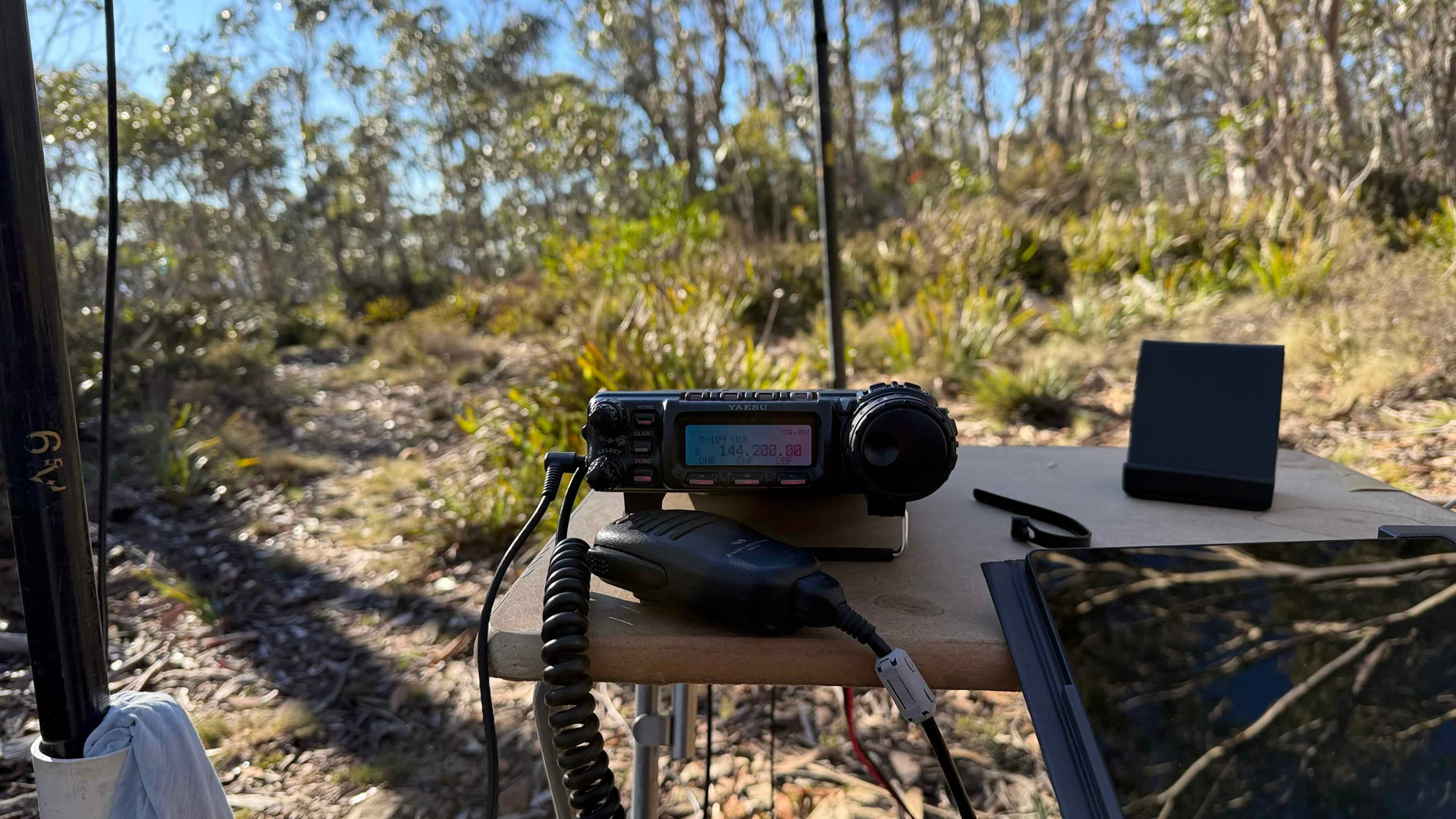
Yaesu FT-857D @ 40 watts
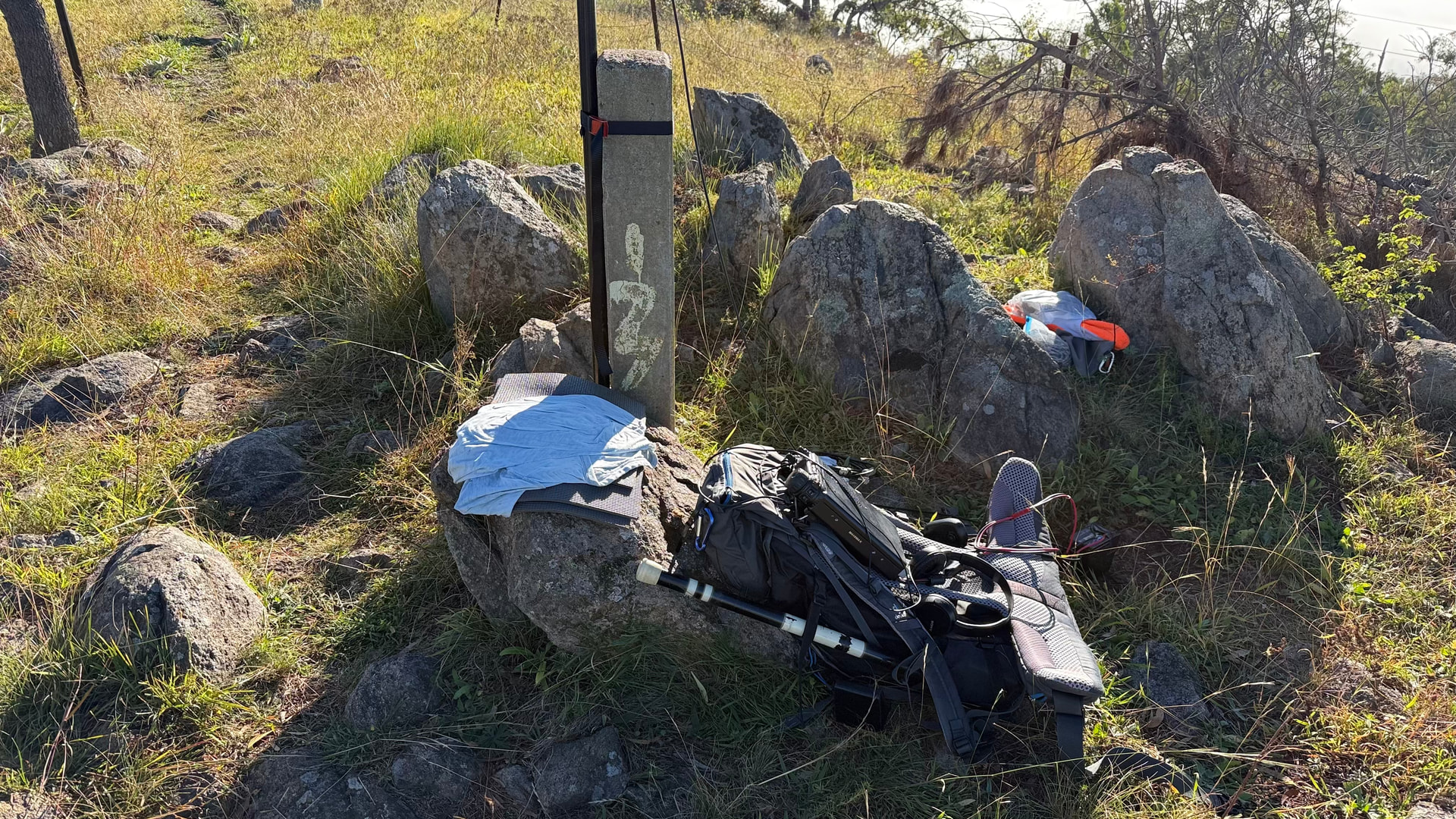
On Saturday 25 March I activated Mt Cowangerong VK2/ST-001 1364m ASL.
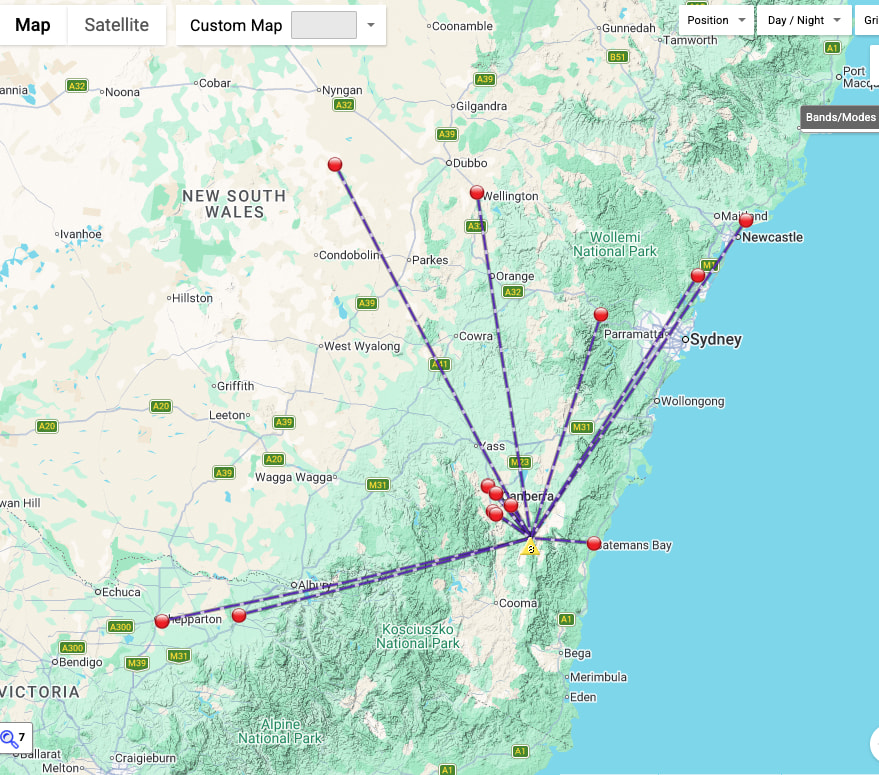
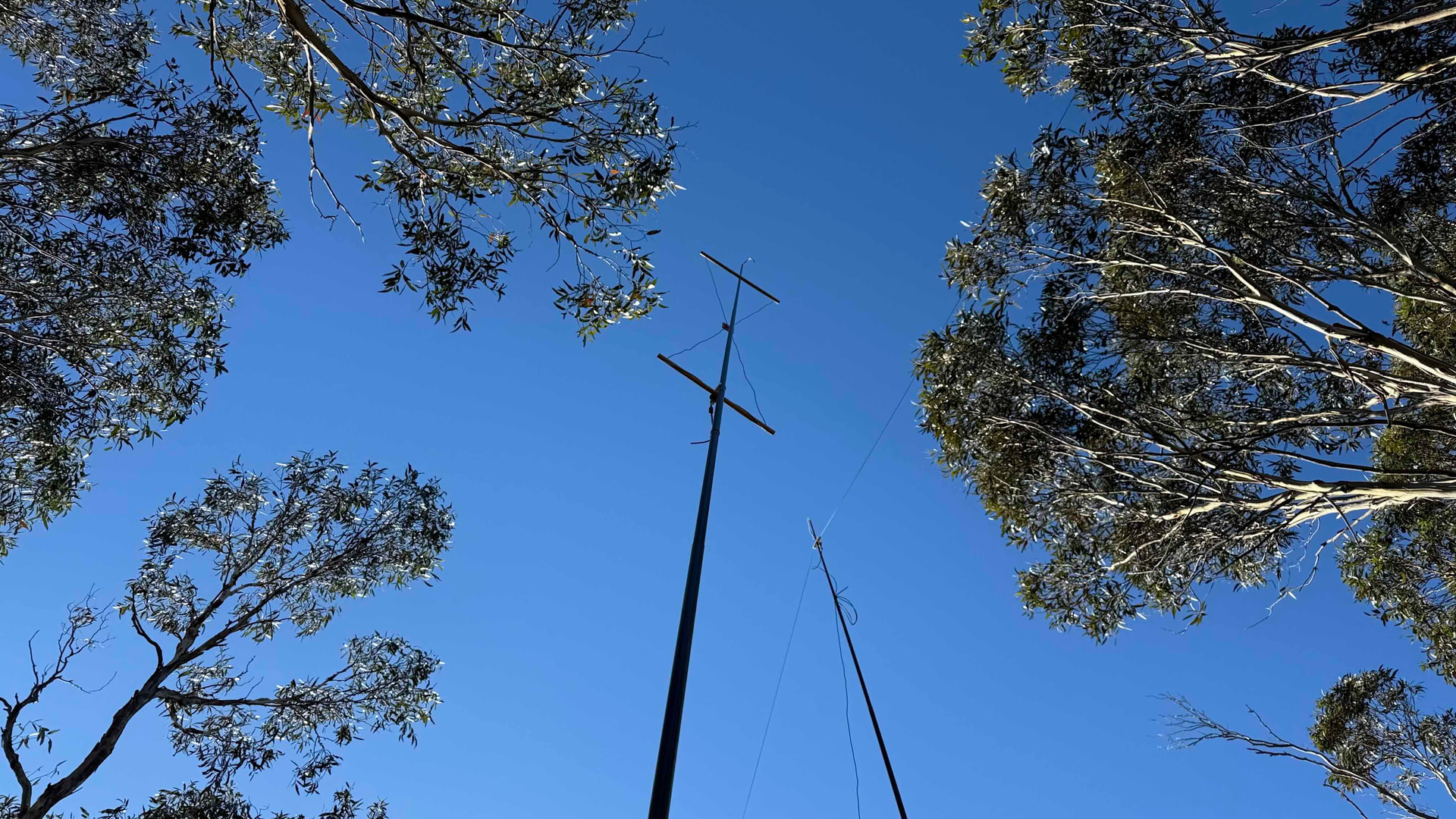
16 2m Dx QSOs ranging from 36 km out to 429 km with a 2m hourglass antenna at 6m above ground and a Yaesu FT-857D @ 40 watts. Overall gain of 2300 km 
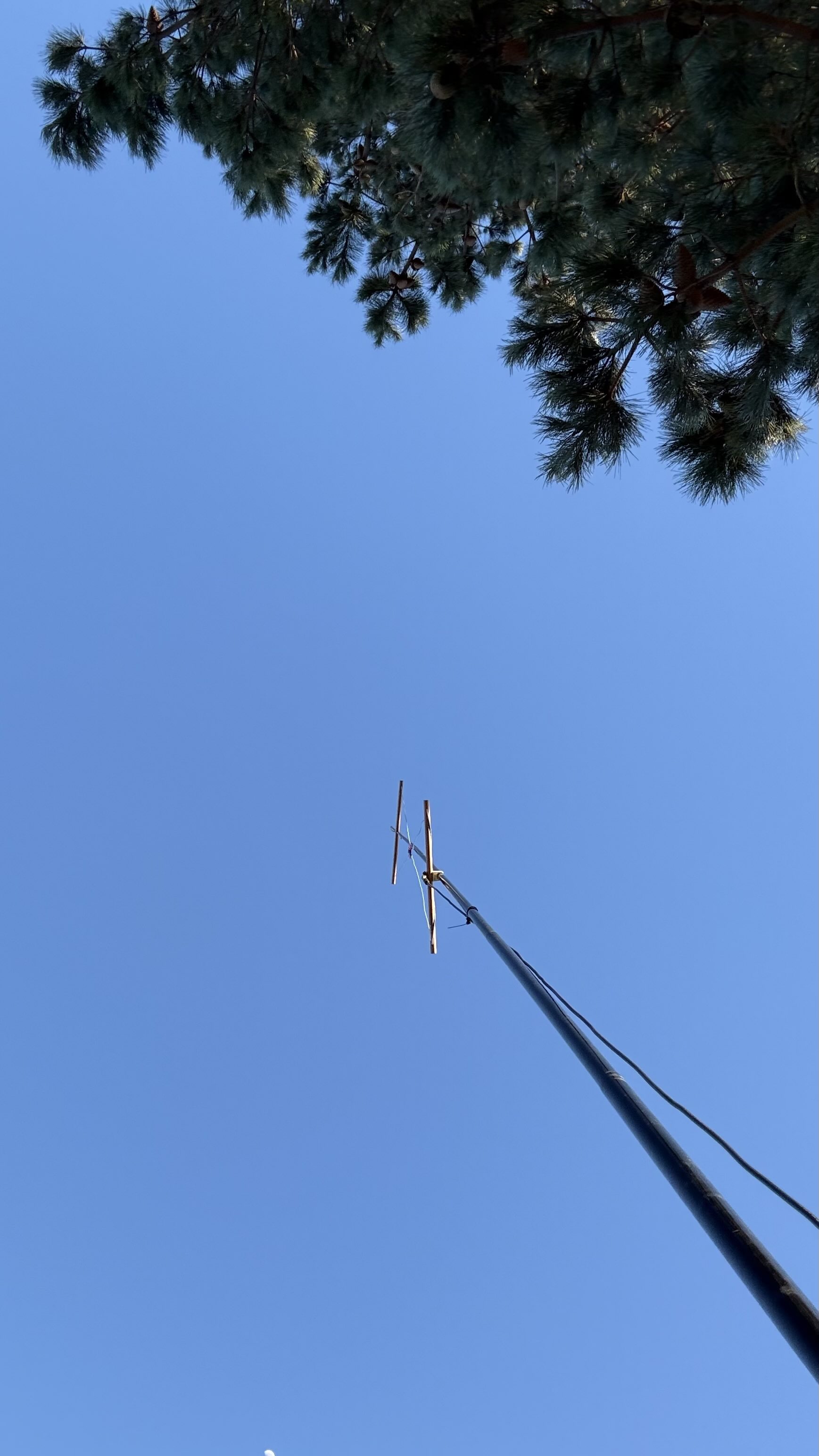
What is there not to like about the 2m and 70cm hourglass antennas.
SOTA Map
Andrew VK1AD
On Sunday 12 April I activated Snow Gum Mountain VK2/SW-028 1179m ASL.
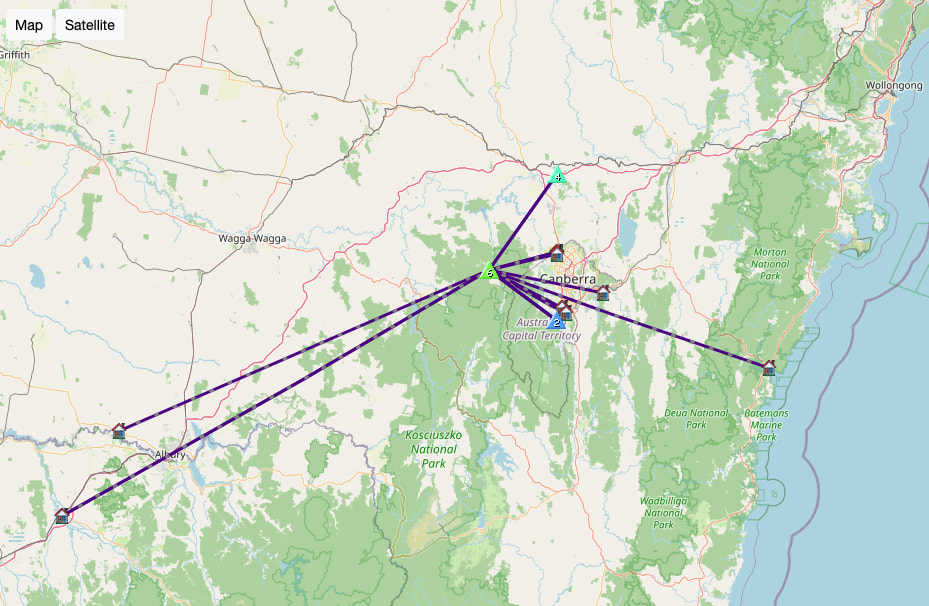
15 2m DX QSOs ranging from 31 km out to 251 km with an overall gain of 1375 km.
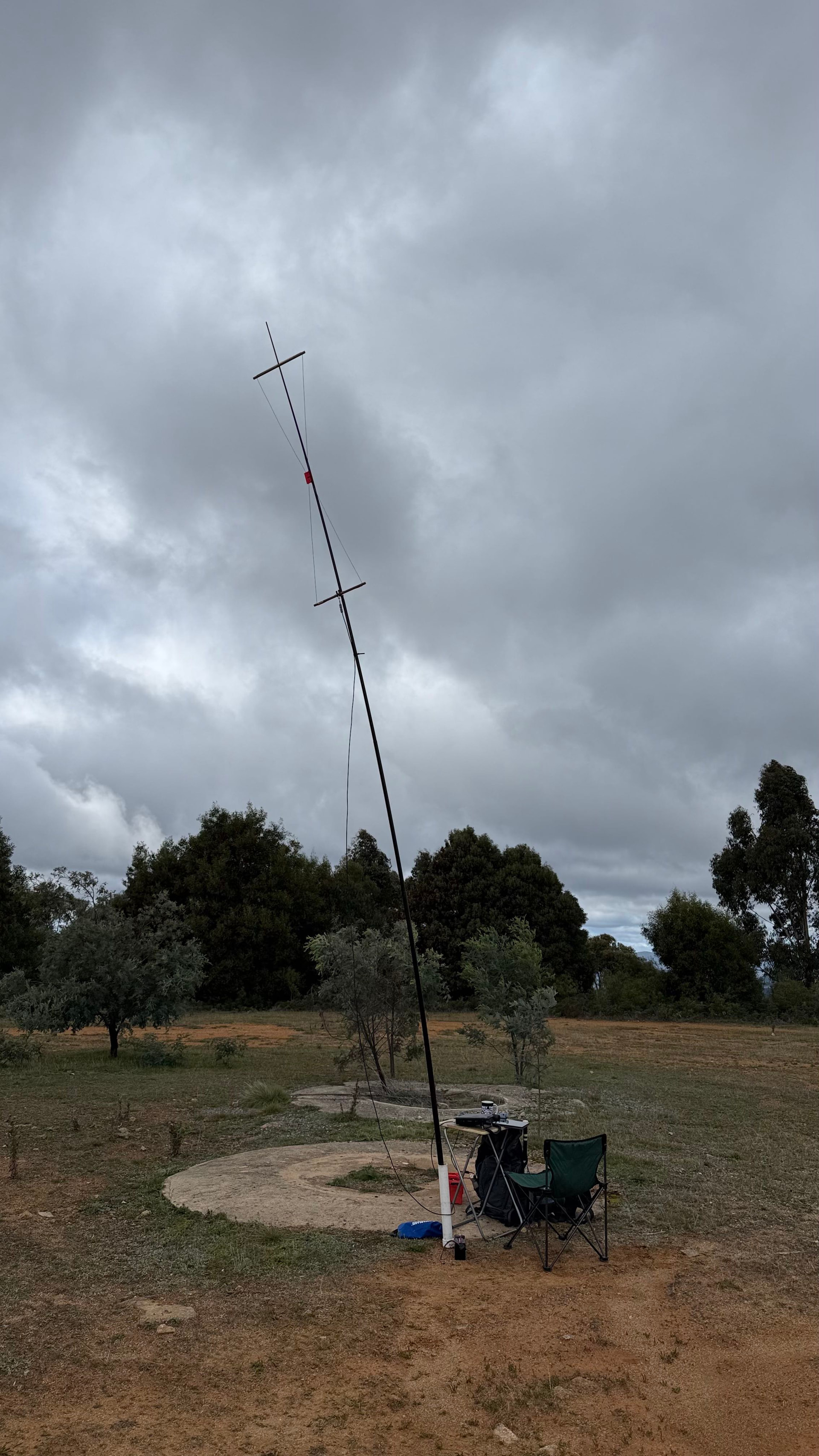
On this occasion the weather was awful, cold and very strong winds 40 to 50 km/h, where the feels like was zero degrees. The 2m hourglass antenna cross arms were working as wind vanes, rotating the antenna with each gust of wind, it was most unpleasant. We take the good with the bad
SOTA Map
Andrew VK1AD
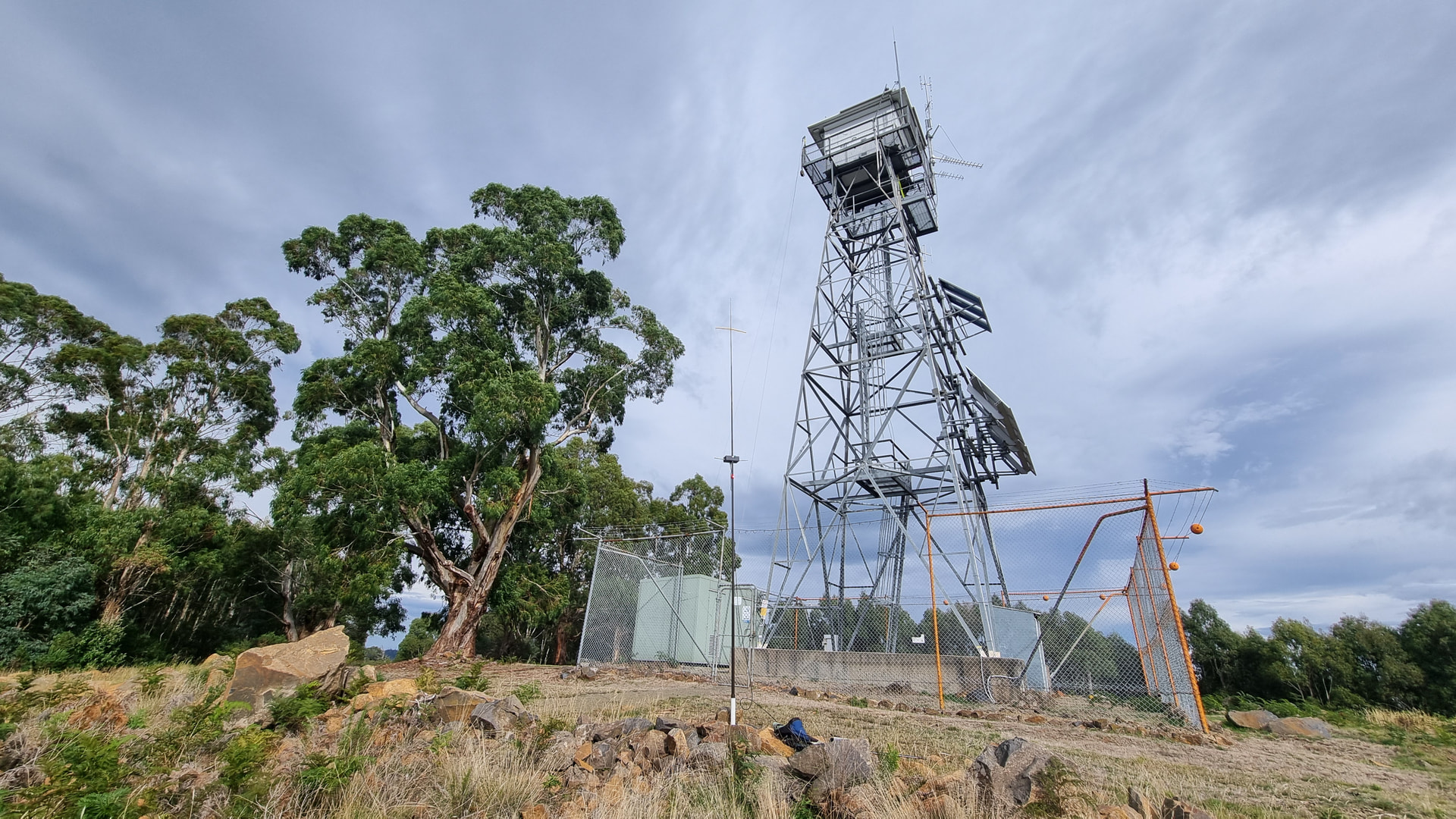
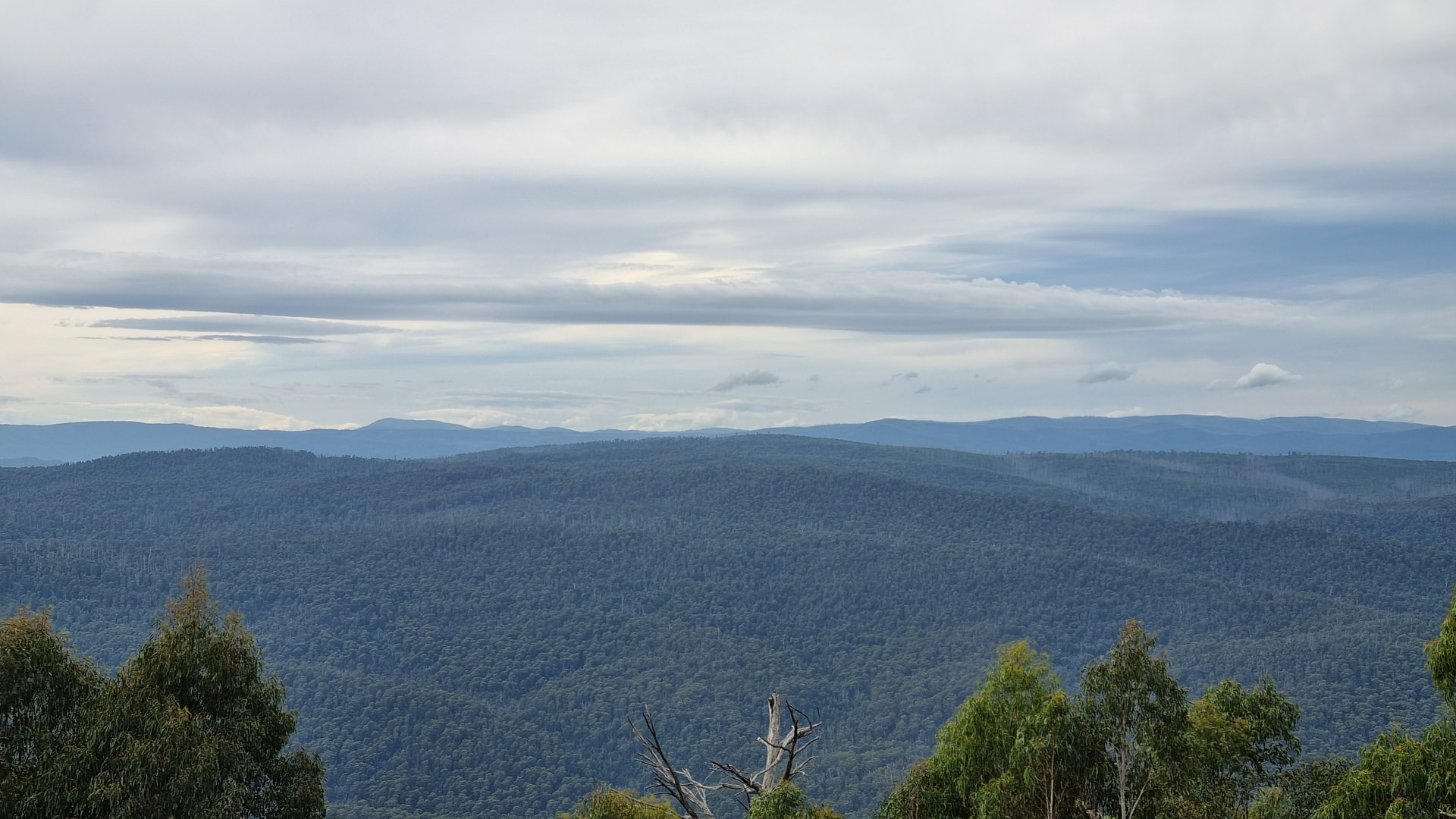
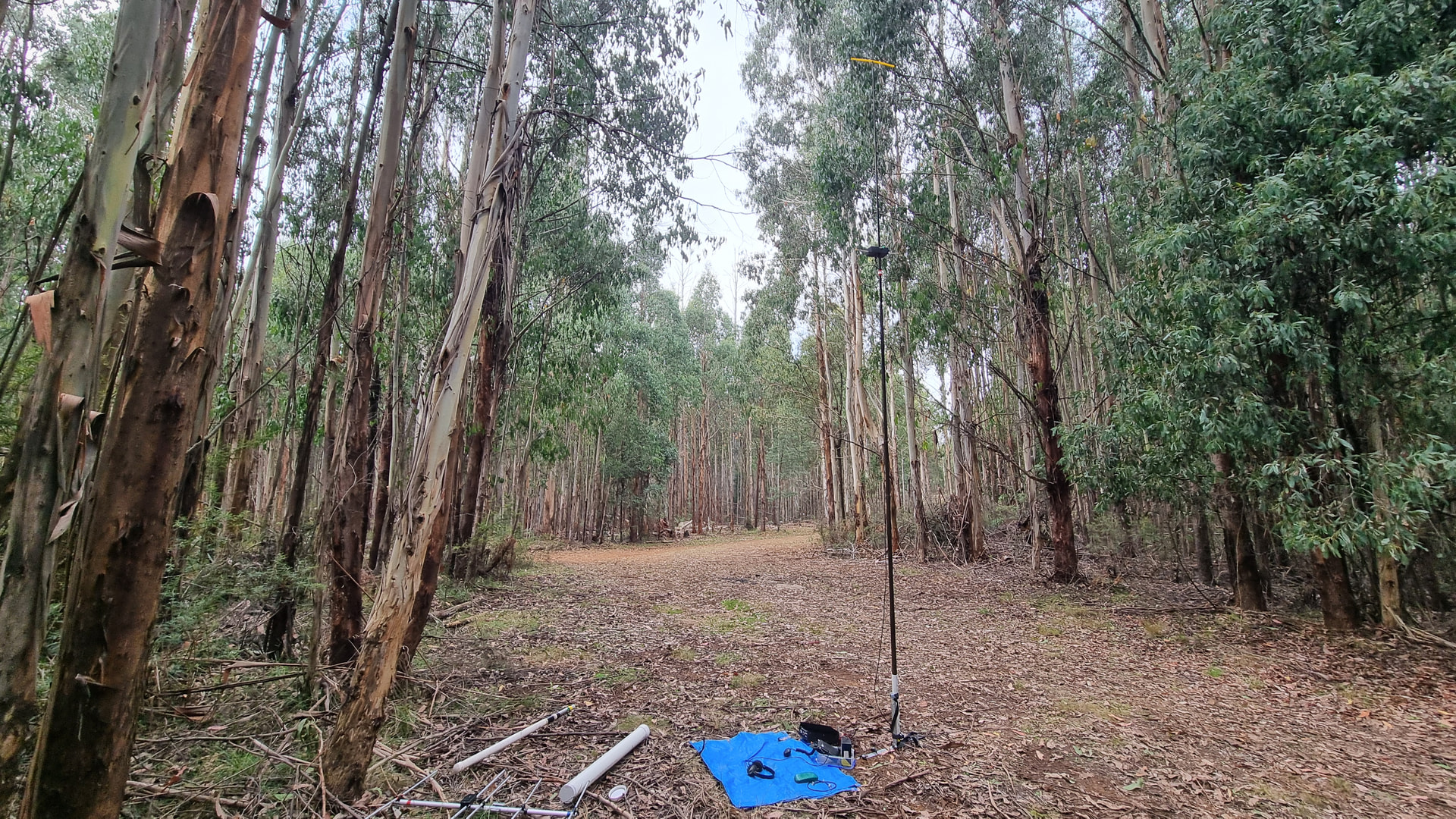
Saturday 2 May 2026 saw me take my hourglass antenna to another hike in summit. VK3/VN-013 Mt Despair is located about 66 km from Melbourne in a eucalyptus forest with a clearing at the summit, a fire spotter tower and a small helipad. Access to the summit is via an MVO track of about 4km, rising up 164m from the locked gate. My pack weight for the ascent was 12.45 kg and the starting temperature was 19.8°C.
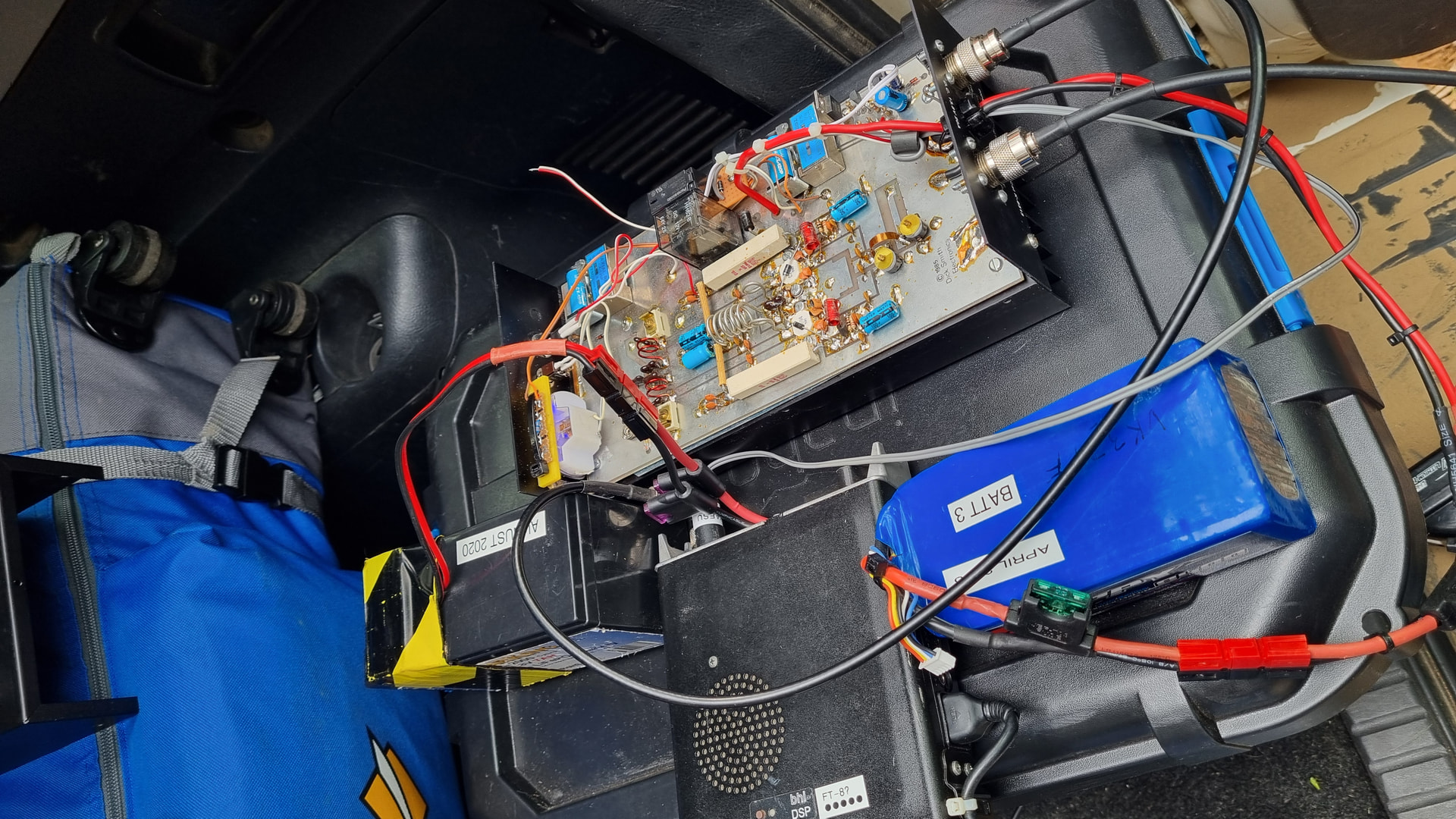
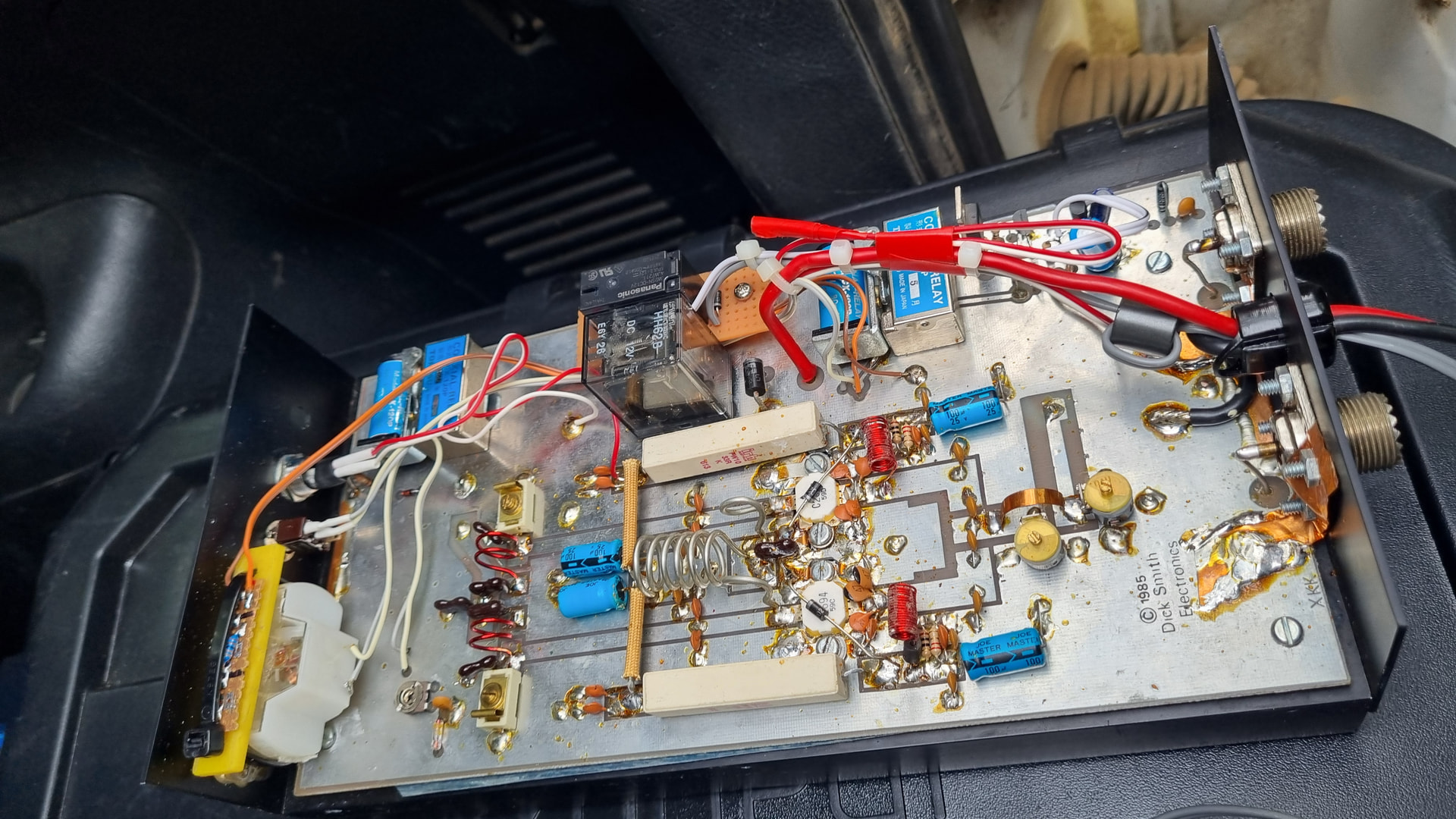
This was my fifth activation of Mt Despair, and I was using the 2m hourglass antenna, FT817, and 100-Watt linear amplifier. The amplifier had suffered some damage in transit with the SSB.CW/FM toggle switching breaking. This caused an unwanted two second delay when switching from TX back to RX. The PTT TX keying from the FT817 no longer worked, but QSOs could still be made, .
I logged 14 QSOs on 2m SSB ranging from 45 to 183 km. I also logged six HF QSOs before packing up and walking back to my car.
At Mt Mitchell I repaired the linear amplifier by removing the broken switch and twisting two wires together, restoring the remote PTT TX keying function.
You obviously have an inquiring mind and it is clear you are not wedded to one solution. Well done Peter on your contact with VK3SQ, it is likely to be an hourglass to hourglass. I guess Geoff can confirm.
Andrew VK1AD
..hi Andrew, yes it was Hourglass to Hourglass. When I first heard Peter and called him I could just hear him, but after he got the amp working I was able to work him 41; the amp really made the difference!
Geoff vk3sq
It wasn’t the amp that lifted my signal. I had repaired the amp before first calling at Mt Mitchell. It was changing from the 5 element Yagi back to the hourglass that got us over the line.
..thanks Peter for the clarification, appreciated. Great to work you too.
Geoff vk3sq
Single or double - you now have the choice!
During my first 100 SOTA activations a 144 MHz double-quad antenna served as my reliable portable companion. The gain of about 6 dBi is rather low but its advantages (almost 90° horizontal beam width, small footprint and usable in FM & SSB mode) allow almost effortless “both-sided fishing” on summits. As mentioned before, with only one 90° turn of the pole almost the full circle could be covered since front and back of the antenna work simultaneously during tx and rx.
Early in 2023 I looked for a successor with more gain and found several candidates. When I compared the stacked delta loops published by Martin, DK7ZB, to the hourglass antenna developed by John, K4ERO, I realized that both designs delivered almost identical performance, while John’s very smart stacking method resulted in a more compact and portable setup.
However, when I looked at my SOTA double quad and the SHA (Single Hourglass Antenna) I had just built, I asked myself: “Is there perhaps also a DHA (Double Hourglass Antenna)”? Of course I looked into ROTHAMMELS ANTENNENBUCH and searched in the web but without a positive result. Finally, I contacted John and he confirmed that he had experimented with stacking and adding reflectors but never published anything about those experiments. He was also not aware of any publications or patents about the DHA. I would like to seize this opportunity to thank John for his impulses and open communication.
Well, since there were apparently no blueprints available, I fired up 4NEC2 and built a DHA from scratch.
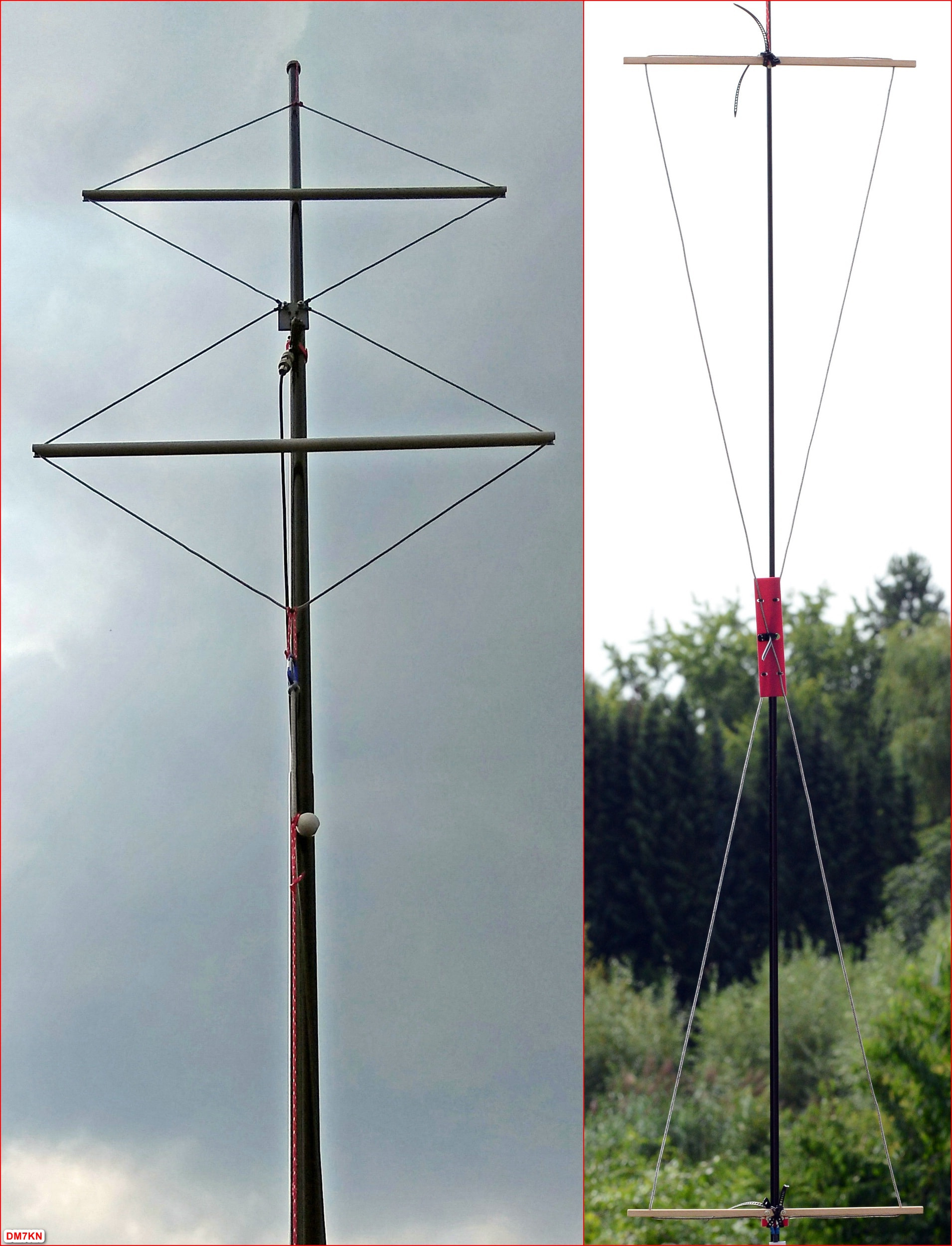
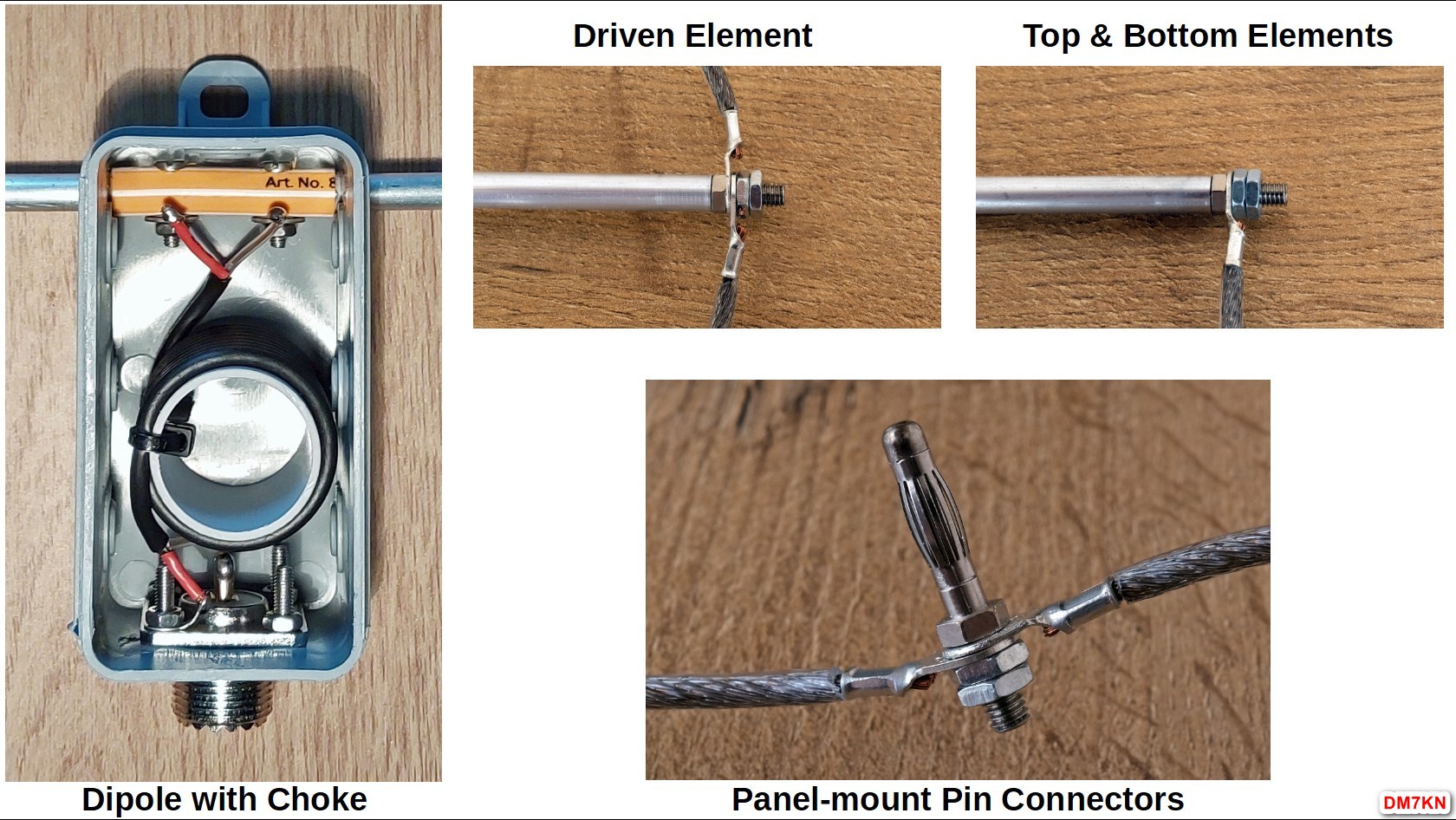
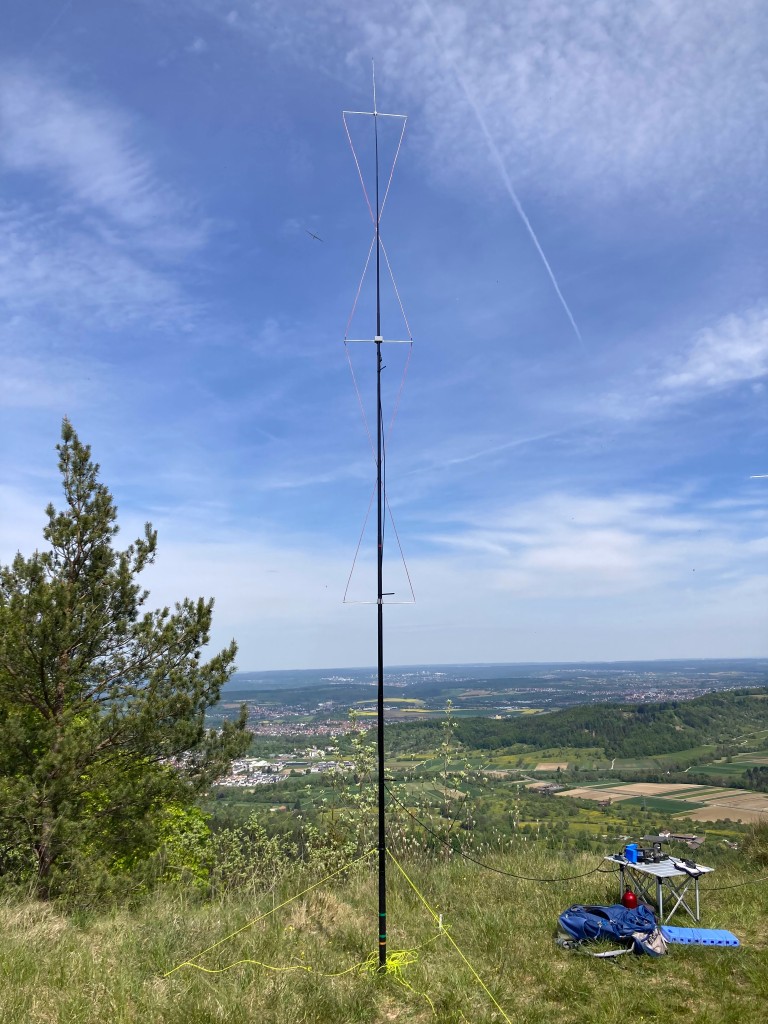
In contrast to my first attempt with the SHA, which was exclusively built from wire with some stabilizing wood sticks, I used 6 mm Al pipes for the horizontal elements of the DHA and wires only for the diagonal ones [dimensions in the right sketch are in Millimeters]. The pipes and wires are connected by vertical panel-mount pin connectors with a 4 mm thread. 6x1 mm Al pipes should – theoretically – have a 4 mm orifice but I had to widen my pipes with a 4 mm drill. You will find more details in the following pictures.
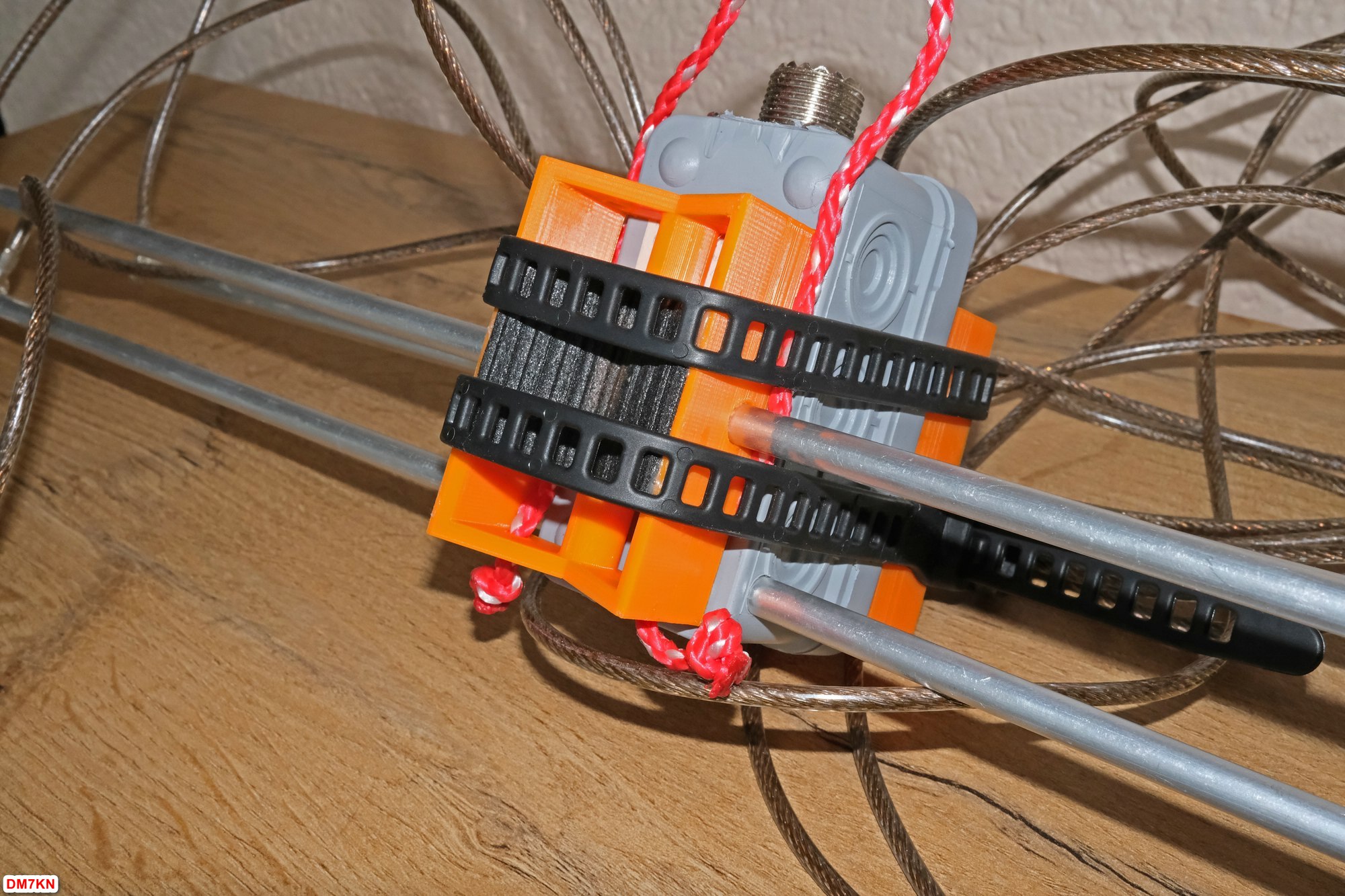
By means of the orange 3D printed clamps the top and bottom elements can be mounted to different poles at variable heights and diameters.
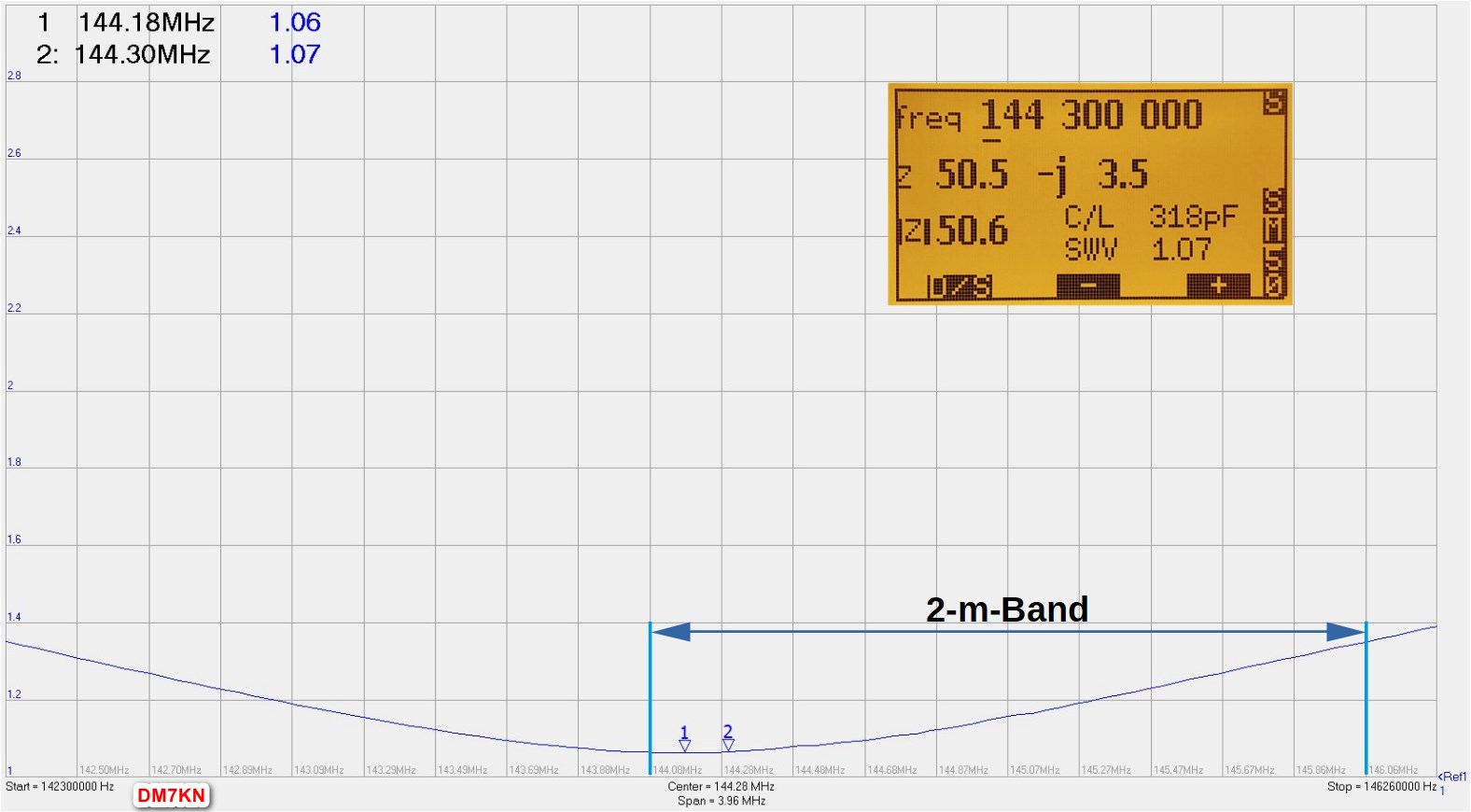
I am quite pleased with the performance of the 2 m DHA and like with a dram of good old Scotch Whisky, I meanwhile prefer the double over the single. 
It goes without saying that I tried to exploit the concept further by designing e. g. a fourfold 2 m hourglass antenna (gain 11 dBi) but the height of 7,2 m limited the portable use. However, for those who are interested in this band, a 70 cm version would be a realistic option.
Hello Peter,
thanks for sharing this very interesting post on the Double Hourglass Antenna and the design considerations behind it. The progression from the double-quad to the SHA and finally the DHA was particularly insightful.
I have built the antenna meanwhile and was able to get it on the air last weekend. The design is straightforward to reproduce, thanks to your excellent groundwork, and it works well in portable use.
I made a couple of small adjustments to suit my setup: the mast mounting solution differs from the one shown, as I designed and 3D-printed a version specifically for my 6 m squid pole. Also, I had to make the wire elements about 2 cm longer, since I used standard 2.5 mm² speaker wire from a local hardware store.
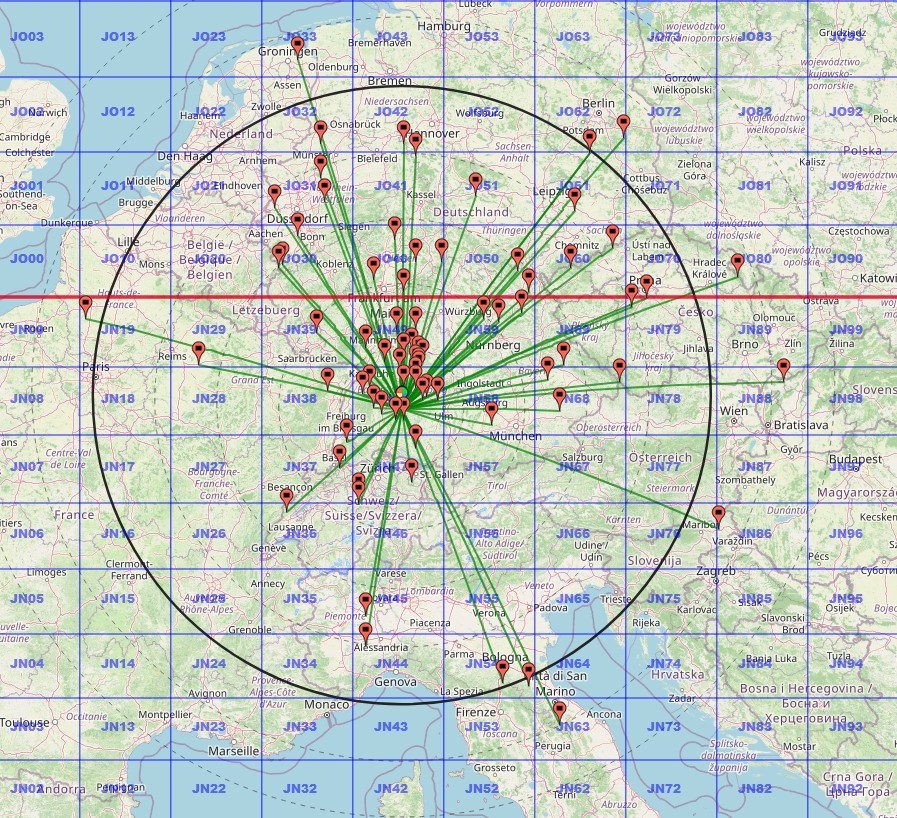
The field test was done during the DARC VHF contest last weekend, where the DHA showed a solid performance. I brought a 6-element yagi for comparison which was mounted on a second pole, about 4 metres above ground. In other words, both antennas were approximately at the same height.
Most of the time, I used the DHA as the main antenna without even turning it. I tried to work what I could hear and only when signals were marginal, I switched to the yagi. In many cases the yagi produced stronger signals if aimed carefully at the other station. This was to be expected.
But interestingly, all QSOs with Italian stations were made using the DHA, which consistently produced stronger signals in this direction. Possibly knife-edge diffraction along the alpine path plays a role here…
Conclusion: The DHA is easy to carry and set up in the field. It’s a nice compact option for those looking for a bit more gain on 2 metres without adding too much complexity to their setup. Its wide horizontal beamwidth reduces the need to turn the antenna largely.
Building the DHA and discussing the details was lots of fun. Thanks again for bringing up this idea!
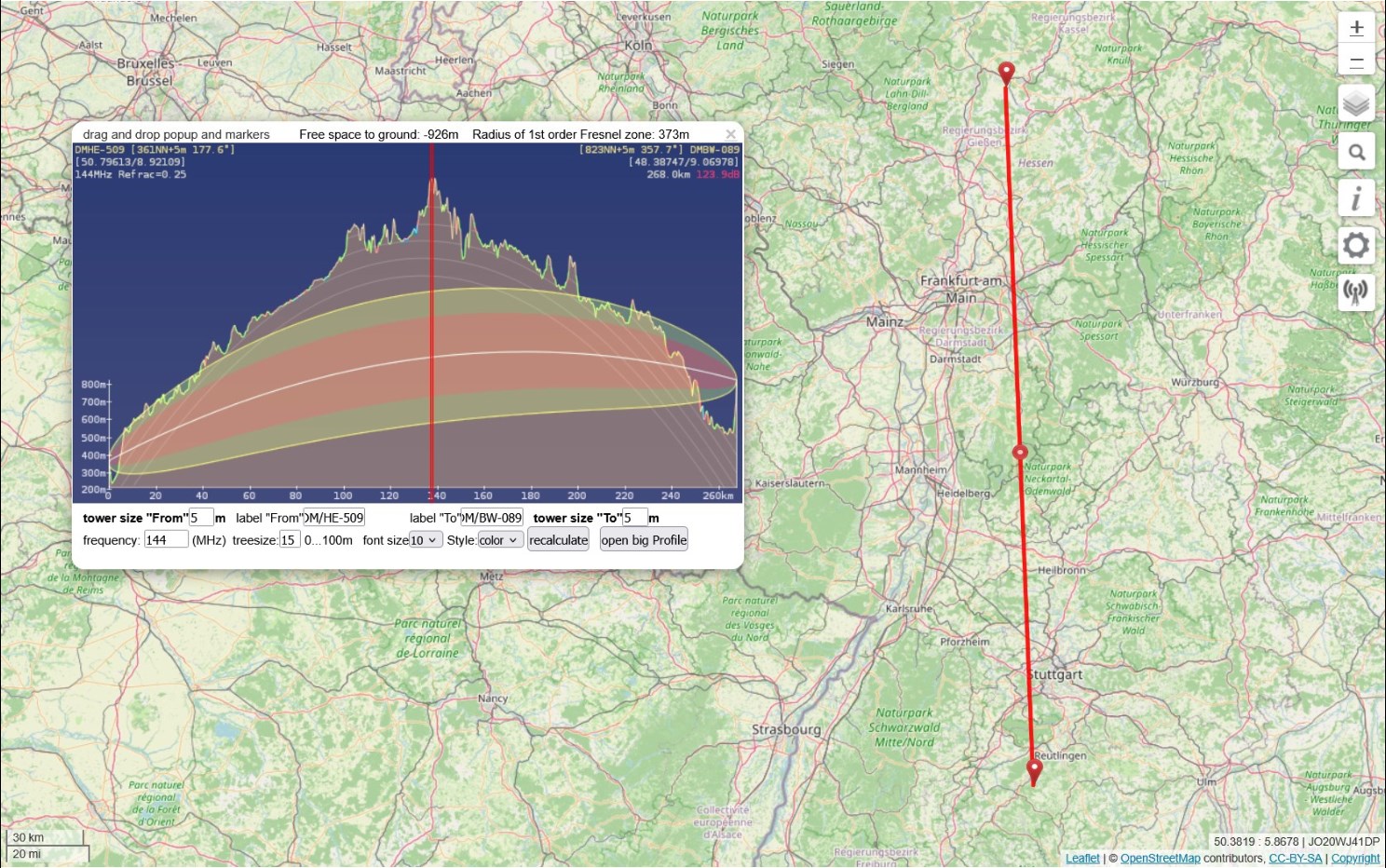
Last but not least, I would like to thank you for the first S2S and DHA-2-DHA QSO yesterday across 270 km 
73, Roman
Thanks, Roman
Yes it was really exciting to be part of a world premiere, a DHA-2-DHA-S2S between DM/HE-509 and DM/BW-089. Although the predictions were not in favor for us we finally made it.
Cheers, DM7KN
A double hourglass!? That is full Brad Turner boosted to 11! 

I tried out my new improved hourglass on my local summit G/NP-028 yesterday and it was much more successful. After talking to a few local regular chasers on FM with the flowerpot antenna I switched over to SSB on the hourglass and worked a few of them again. The I called on 144.300 and was called by G8DKK in Letchworth, Hertfordshire at 241km. He was running 300W to a 9-ele beam which was obviously doing a lot of the work but he was receiving me well and we had a chat. I would never have got that QSO if I had been using a vertical.
Hi Richard,
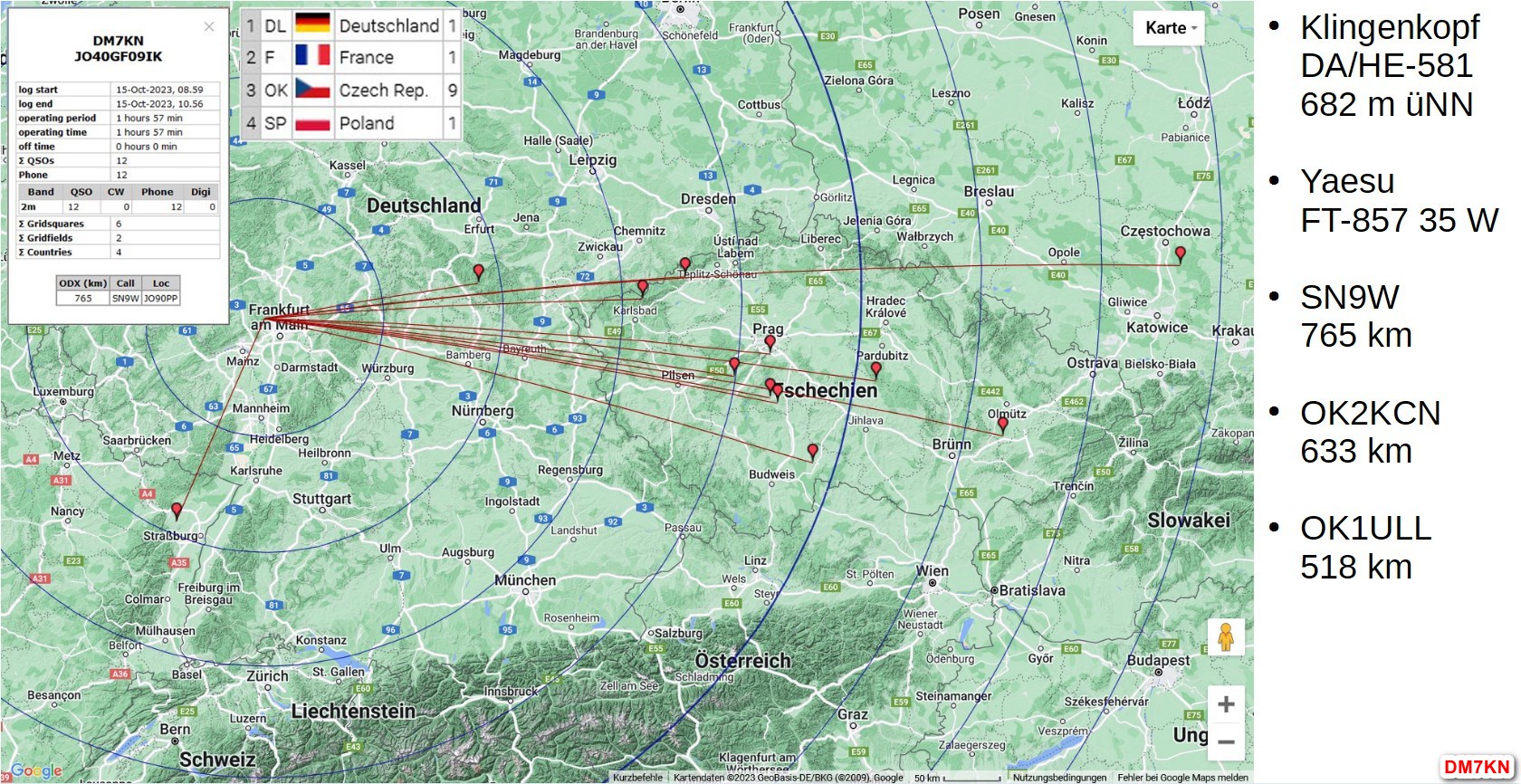
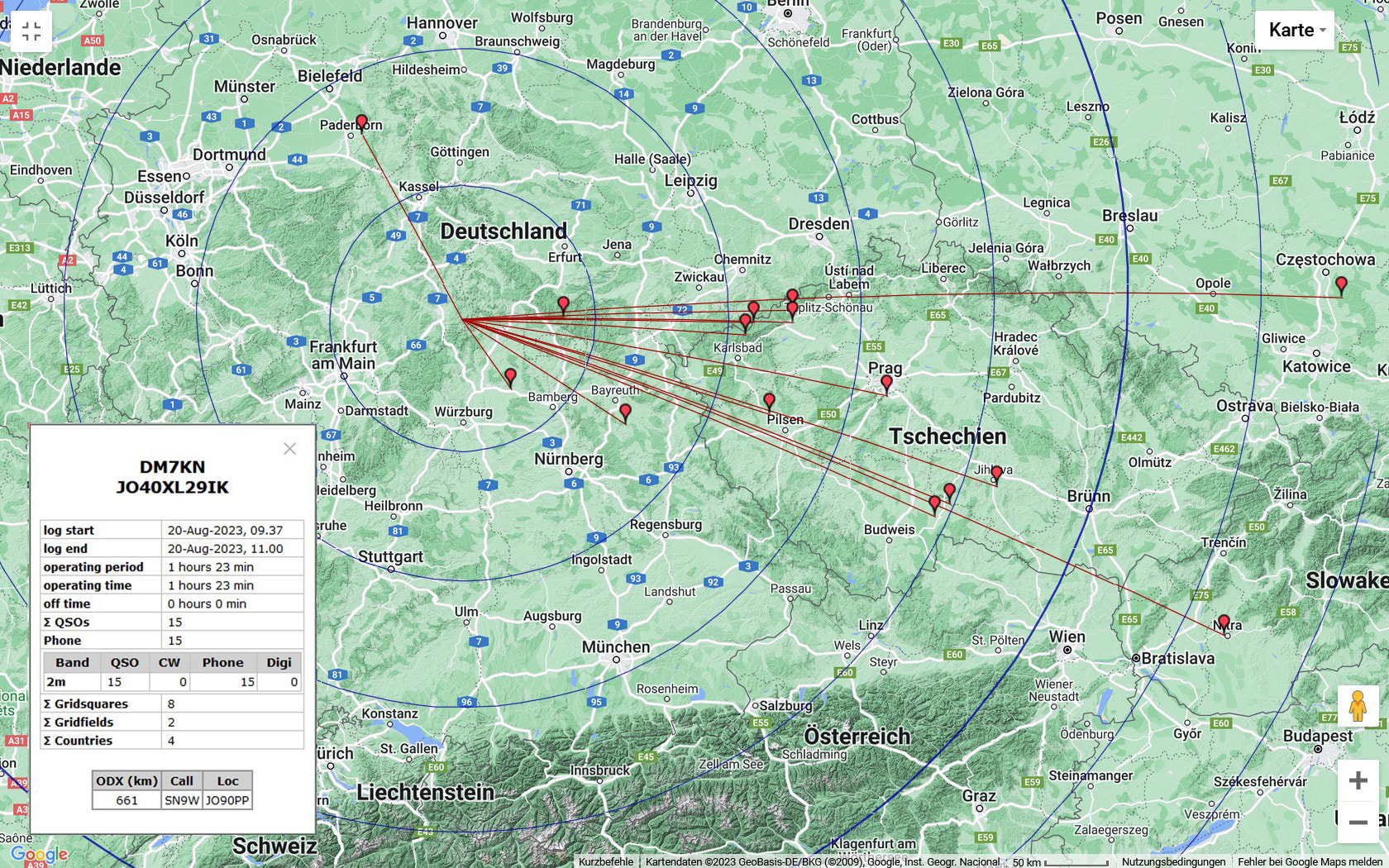
good to hear that you were also successful with your hourglass antenna. My experience with it over several years is as follows: When you are on a decent summit with good panoramic view, you will hear stations calling in SSB within a range of 500 km. Depending on how your counterparts pick up their ears, your calls should easily be heard within a radius of 250 km, with a bit more power (my standard is 35 W) 400 km are feasible in many cases. Add a little bit of luck, and connections beyond the 500 km mark can be established.
73 de Peter, DM7KN
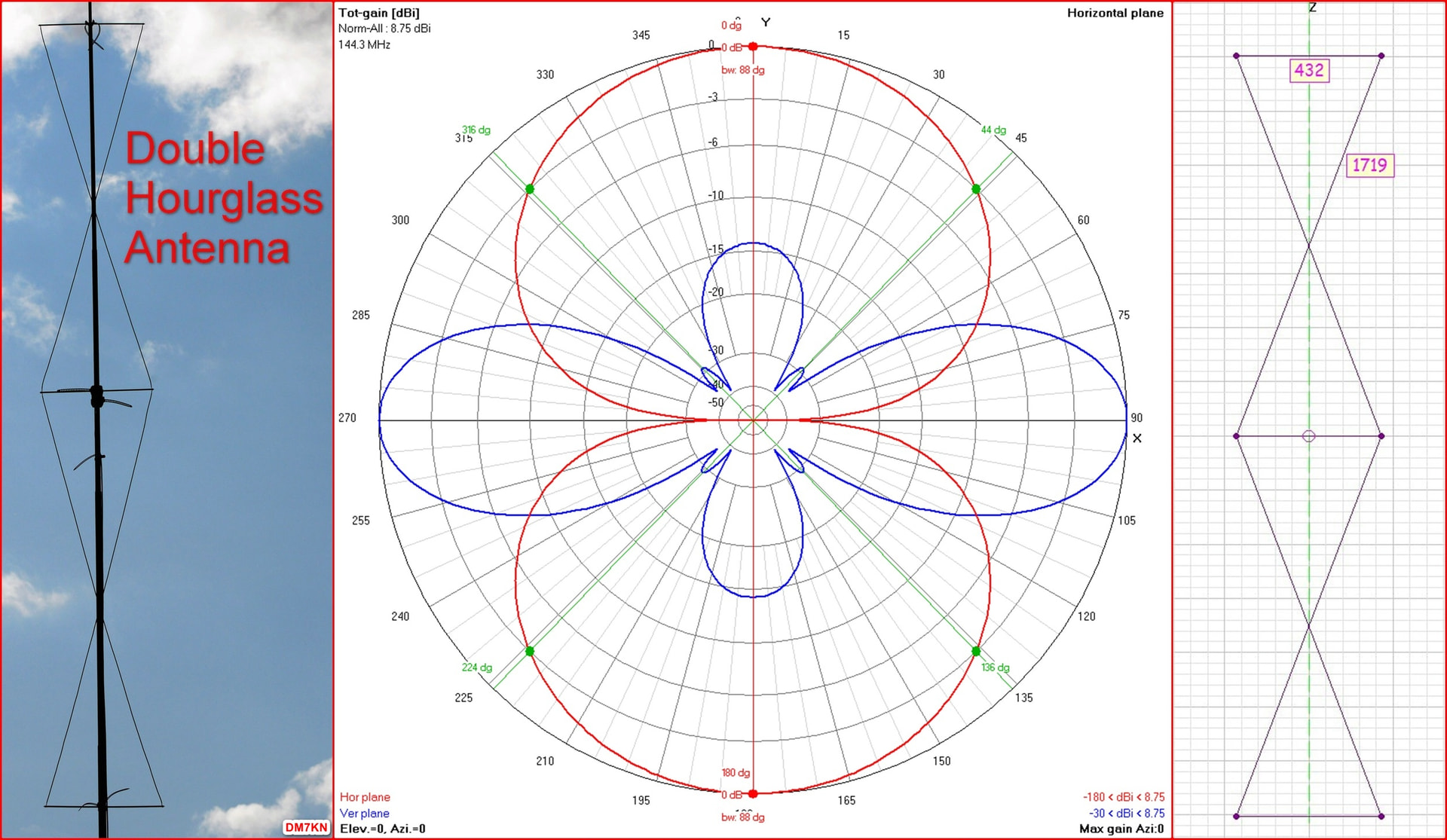
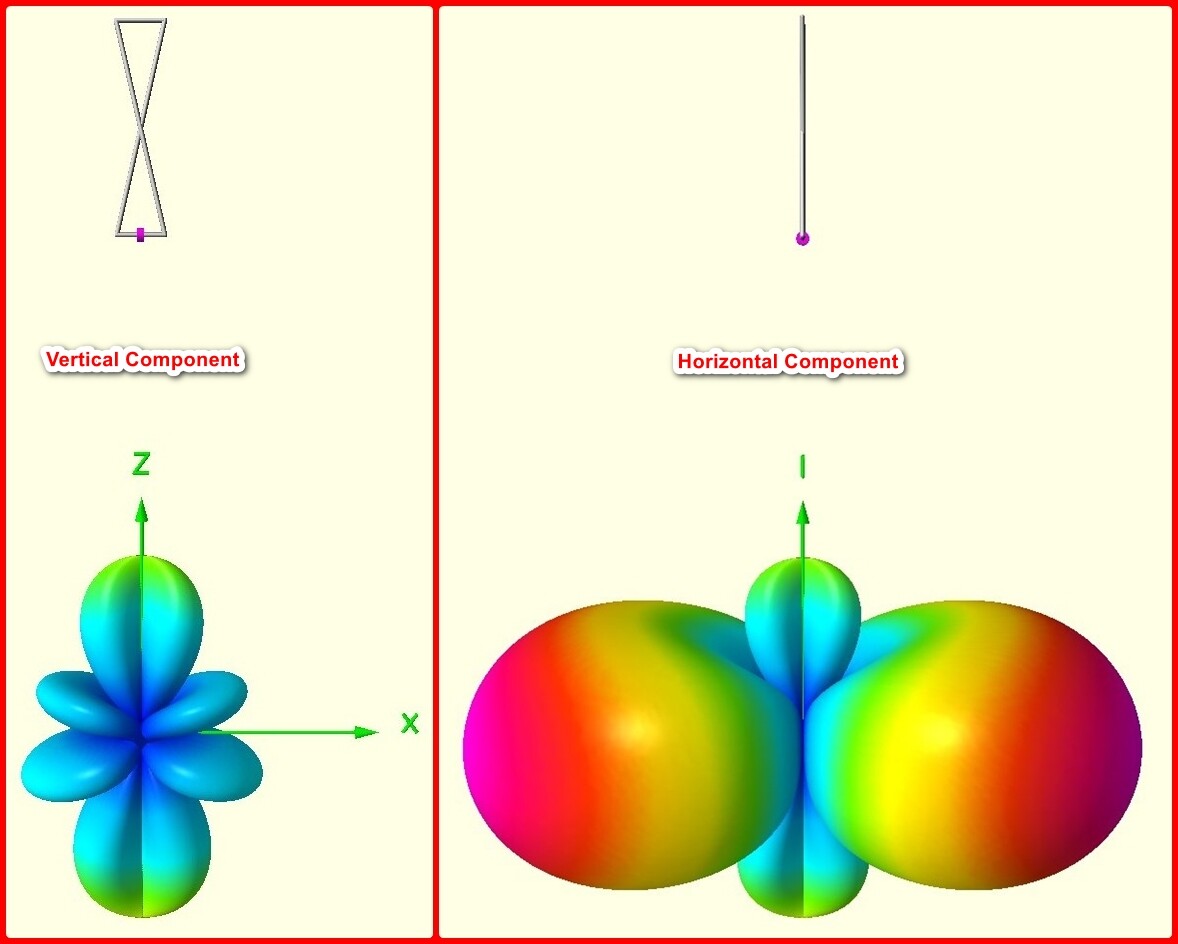
Just a remark on SSB vs. FM: You may have noticed a signal strength variation by turning the antenna direction by 90° when you change between FM and SSB.
I had to learn this the hard way when I activated a summit close to Lake Constance and knew where the chaser station was. Trying to answer in FM with the broad side pointing towards him was not successful. I could only work him by turning the antenna by 90°.
You won’t see why, when you look only at the total gain, but when you analyze the horizontal and vertical gain components, it becomes visible:
This was the case also with my SOTA double quad and 6-fold Oblong antennas. I suppose this is a general behaviour of the loop antennas.
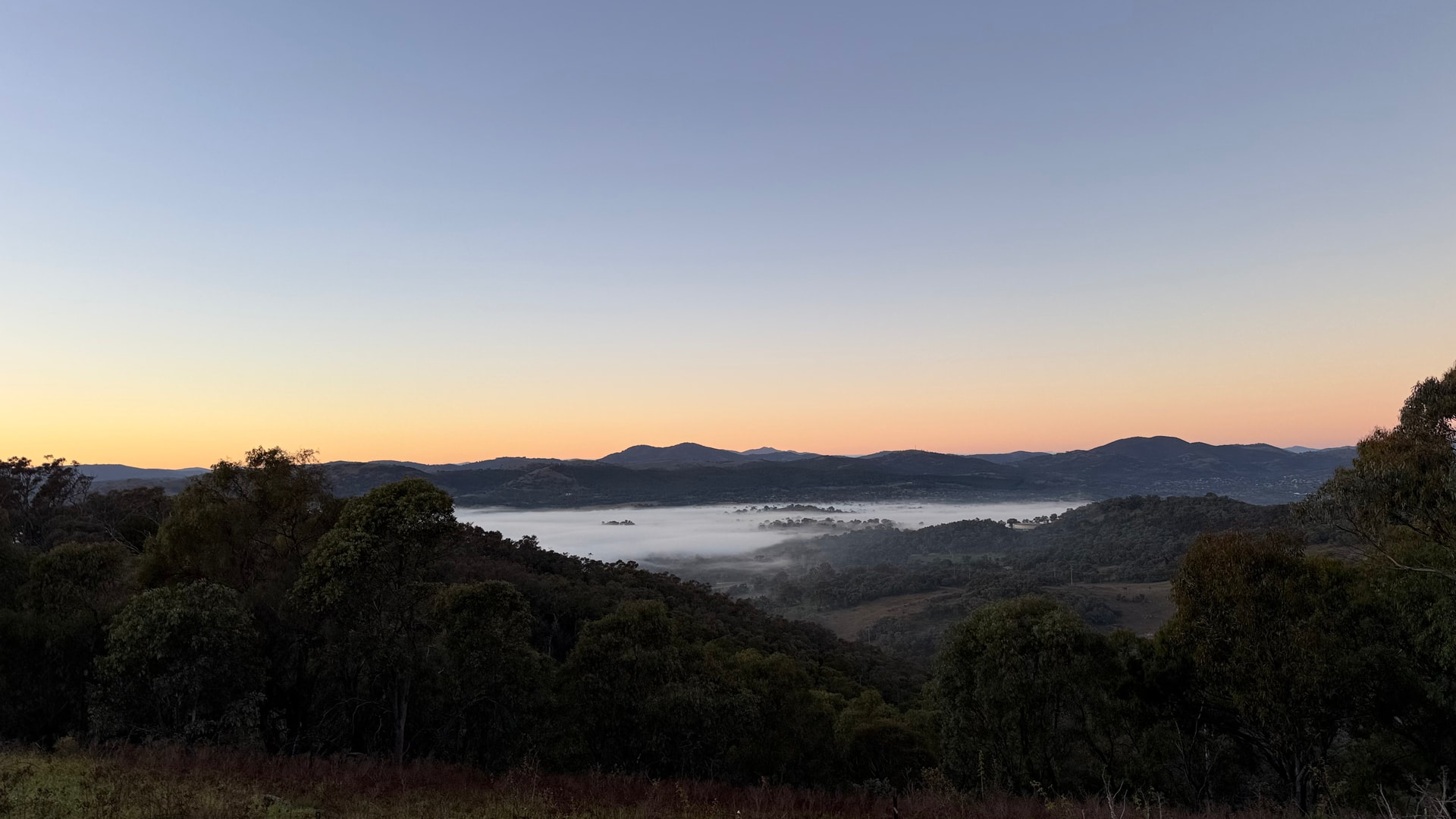
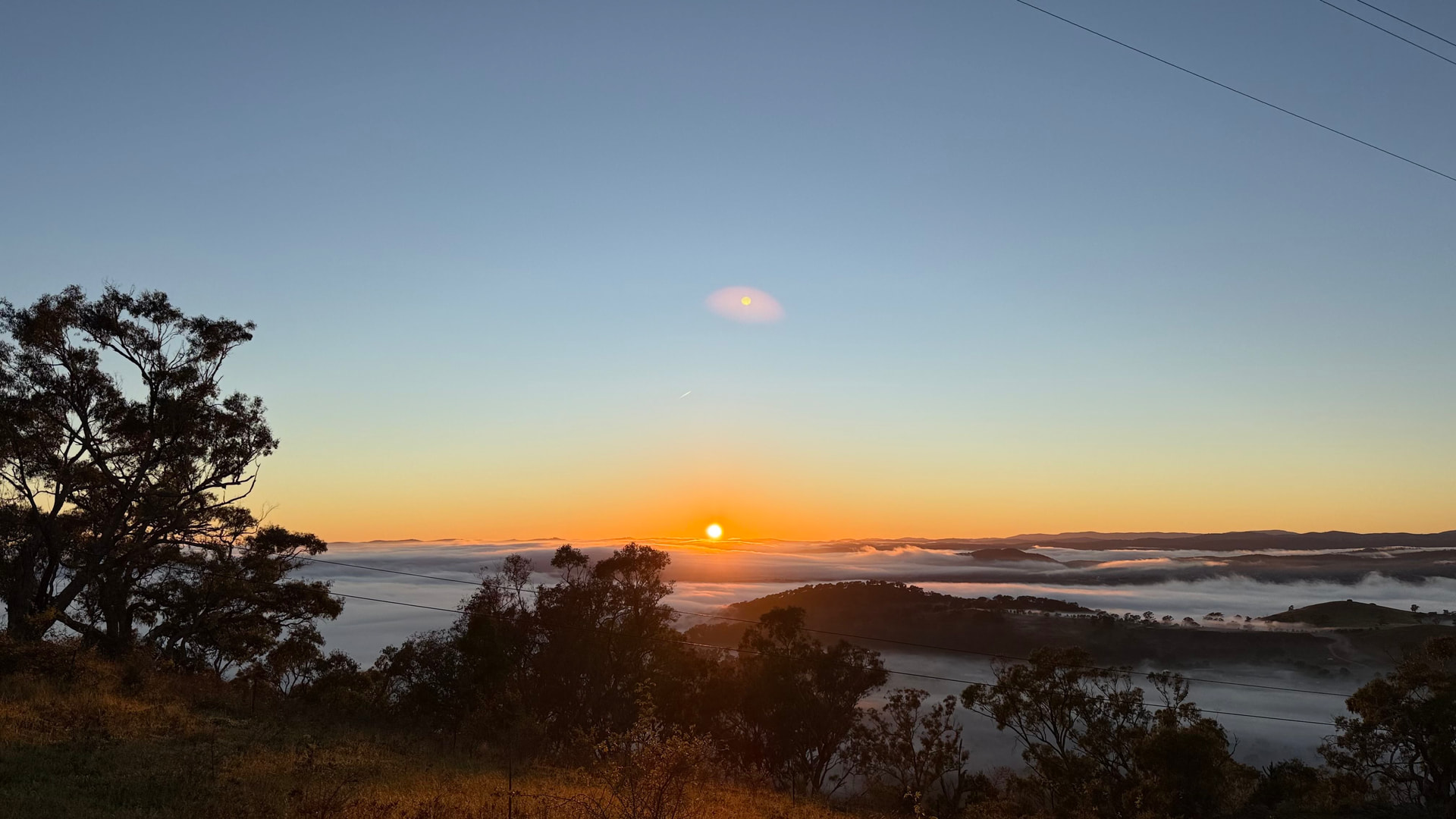
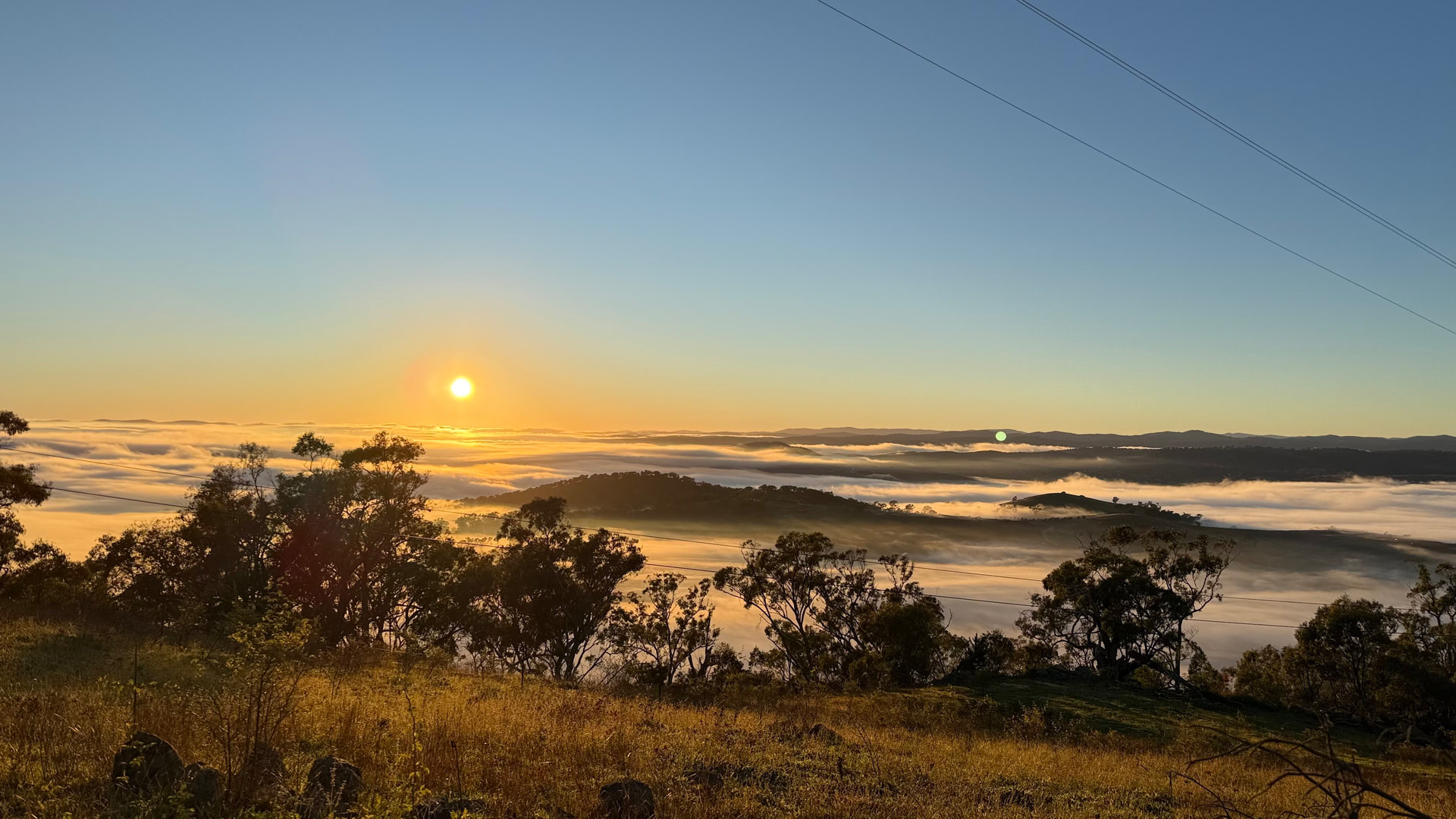
Sunrise at Isaacs Ridge VK1/AC-041 @ 06:50 am local time, temperature is 2 degrees C 
12 2m SSB QSOs ranging from 4km to 381 km via aircraft scatter. A gain of 896 km.
Andrew VK1AD
Amazing snaps and great results!
These are truly spectacular photos, Andrew!
Thanks for sharing and congrats on your QSOs using the hourglass antenna.
73, Roman
Breathtaking photos! Thanks for getting up that early and for sharing them.