CQ 270 CW SSB Gang! - Cool Kids Sip from the Hour Glass? (Part 2)

Saturday 9 May 2026, with not the best weather forecast, saw me tackle what I consider one of the more challenging SOTA summits in my normal area.
VK3/VC-029 Briarty Hill is 424m ASL, is worth 1 point, sits in a valley surrounded by mountain ranges, and has telecommunications site at the summit with a diesel generator running 24/7.

The car park for the summit is about 50 km from home, and the travel time is normally 50 minutes. On this occasion it took 1 hr 20 minutes as 15 minutes into the trip I realised I had left a coax cable at home.

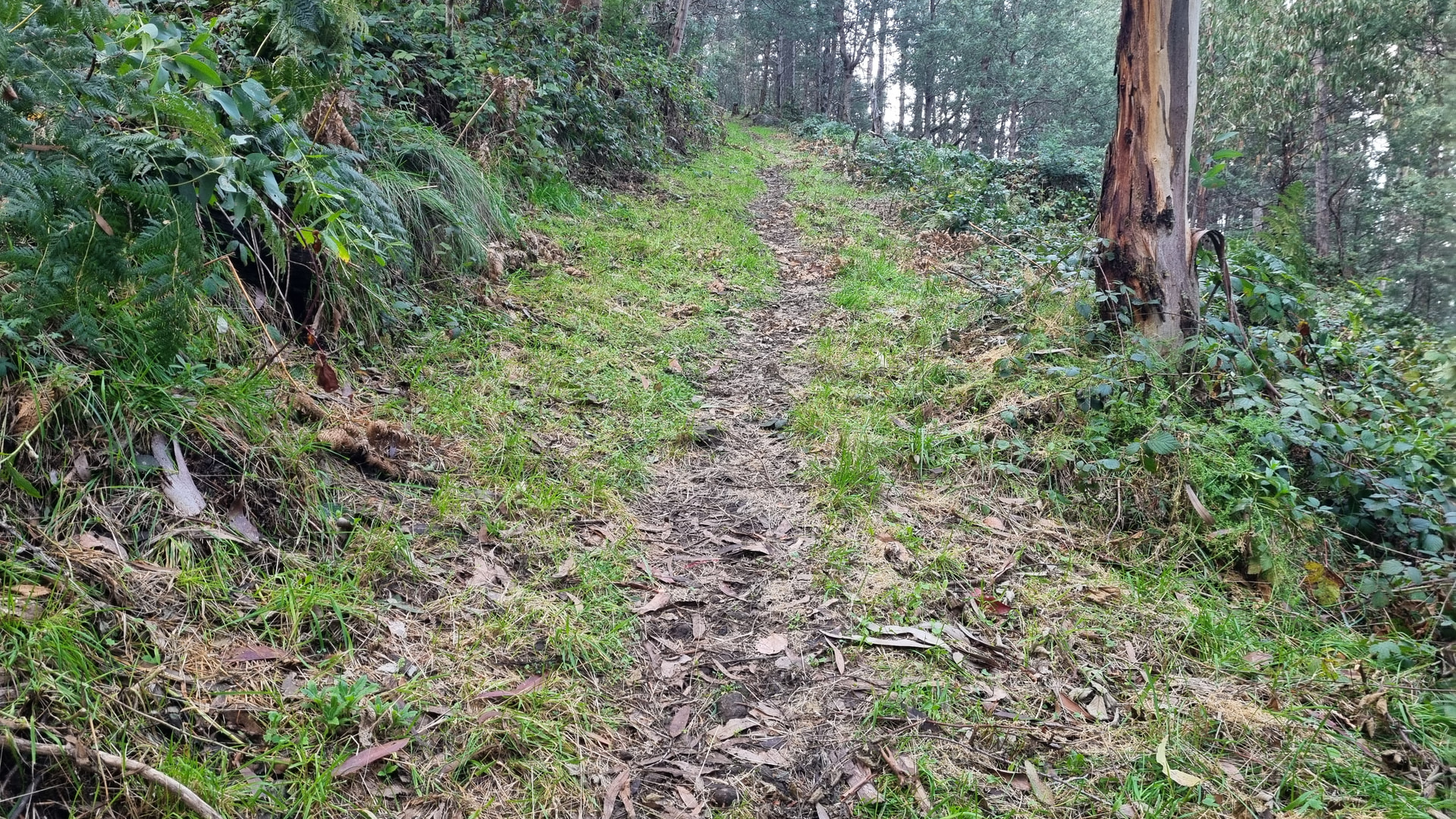
It took me 90 minutes to hike 3.5 km from the access gate to the summit. This includes a 1.1 km section with a vertical rise of 200m up a very overgrown, damp, vehicle track. There are two other options, on gravel MVO tracks of 4.5 and 4.8 km that are not as steep, but I like the challenge of the shorter route.

Carelessly, I had set off up the overgrown track with minimal protection against the wet foliage that I was hiking through, and by the time I got back to the main MVO track my pants and polar fleece jacket were quite damp.


Upon reaching the summit, I set up my hourglass antenna and FT817. After five minutes, with five QSOs in the log, I started to feel the cold. I took two pieces of wet weather gear from my pack, believing I had packed a jacket and a pair of over pants, only to find I had packed two pairs of over pants. At least my legs would be warm! The next 15 minutes brought no more QSOs, so I sent a couple of text messages hoping to get at least one or two more in the log. After some more calling CQ and the two SMS recipients, I finished with 11 QSOs on 2m SSB ranging from 14 to 52 km.
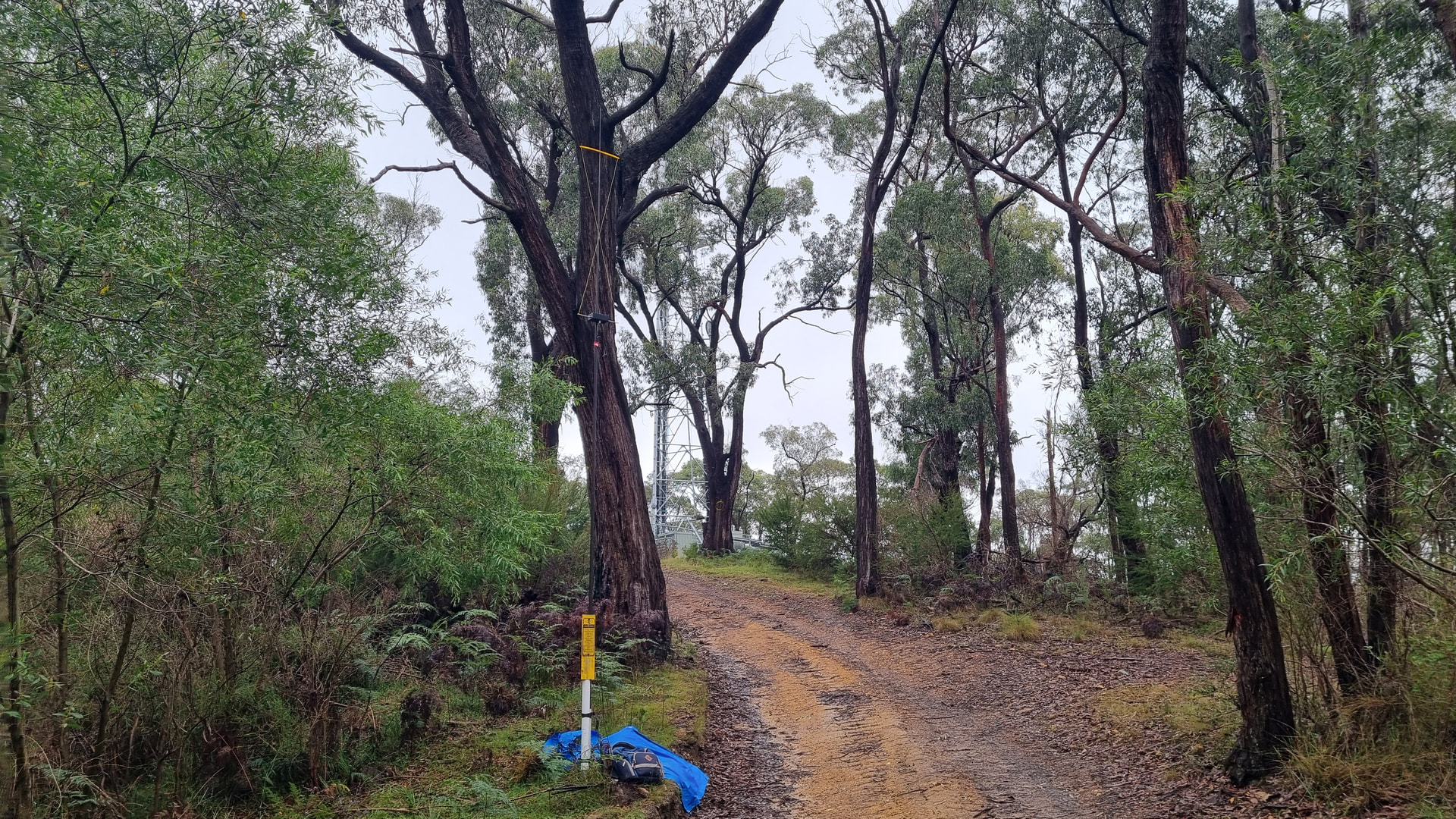
Feeling the cold more than I was comfortable with, and having over an hour hike back to the car, I reluctantly went QRT and headed down. I took the longer route back to the gate as it has the least vertical rises. I dislike going up to go back down, almost as much as I dislike losing altitude when heading up to a summit.
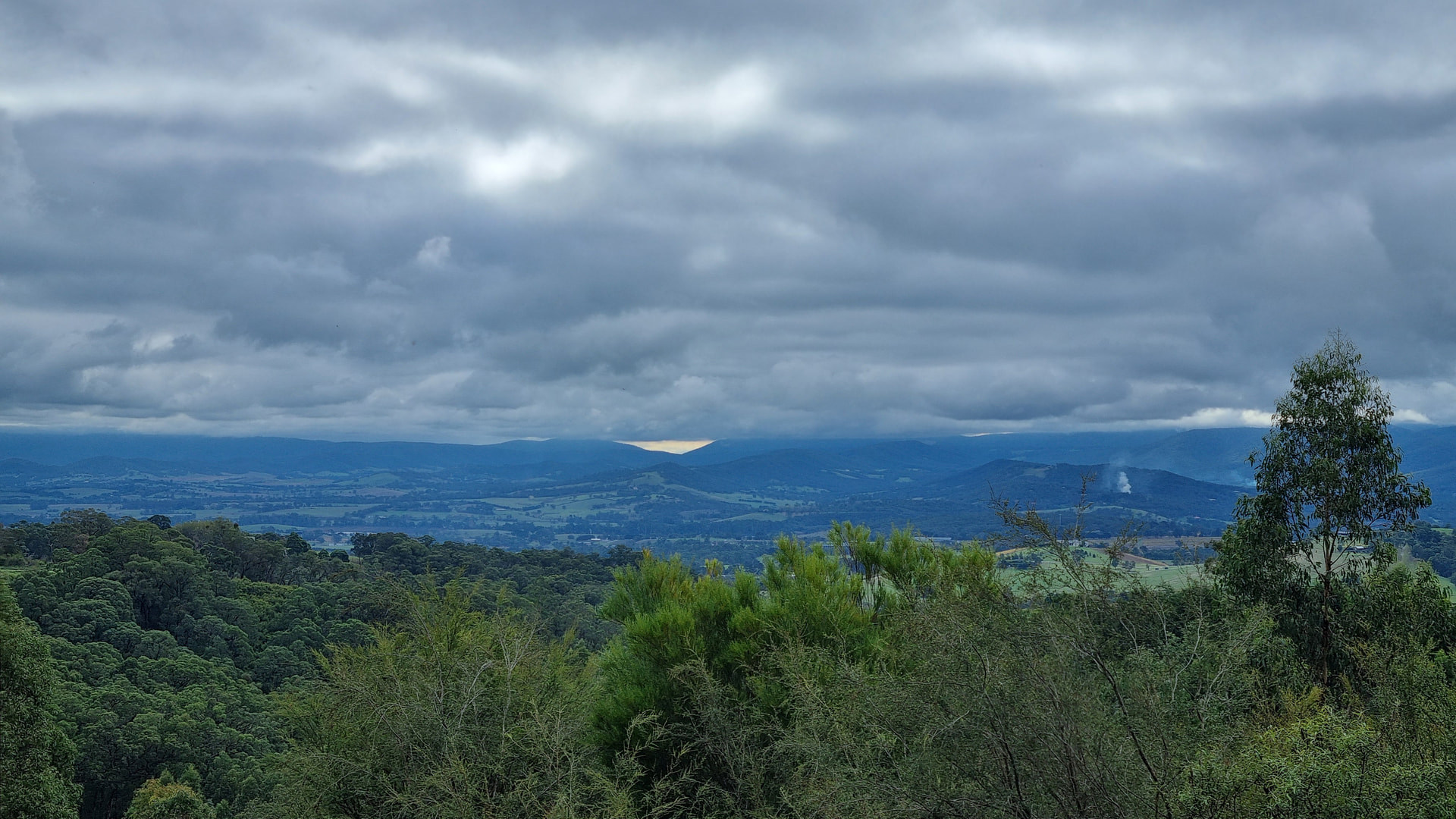
Taking just under 90 minutes, I was back at the car and able to change into dry clothes. When I later mentioned to my wife that I had neglected to take a coat to the summit, as well as forgetting the coax, she wisely suggested I should use a checklist. Maybe next time :slight_smile:

6 Likes

…I did call you but you were very weak, with qsb; barely audible.
Next time mate.

Geoff vk3sq

2 Likes

Thanks for trying. I was QRP and there is a quite a few hills between you and me.
My linear amplifier, extra battery and larger backpack add about 4.5 kg to my carry weight so the steeper hills are just QRP. :wink:

3 Likes

Hi Peter,

What is the wire that you have used please?

73

Geoff ZL3GA

Yesterday, I did two 10 point activations, Mt. Stirling (VK3/VE-013) and Mt. Buller (VK3/VE-008) to make the most of the sunny weather we have been having.
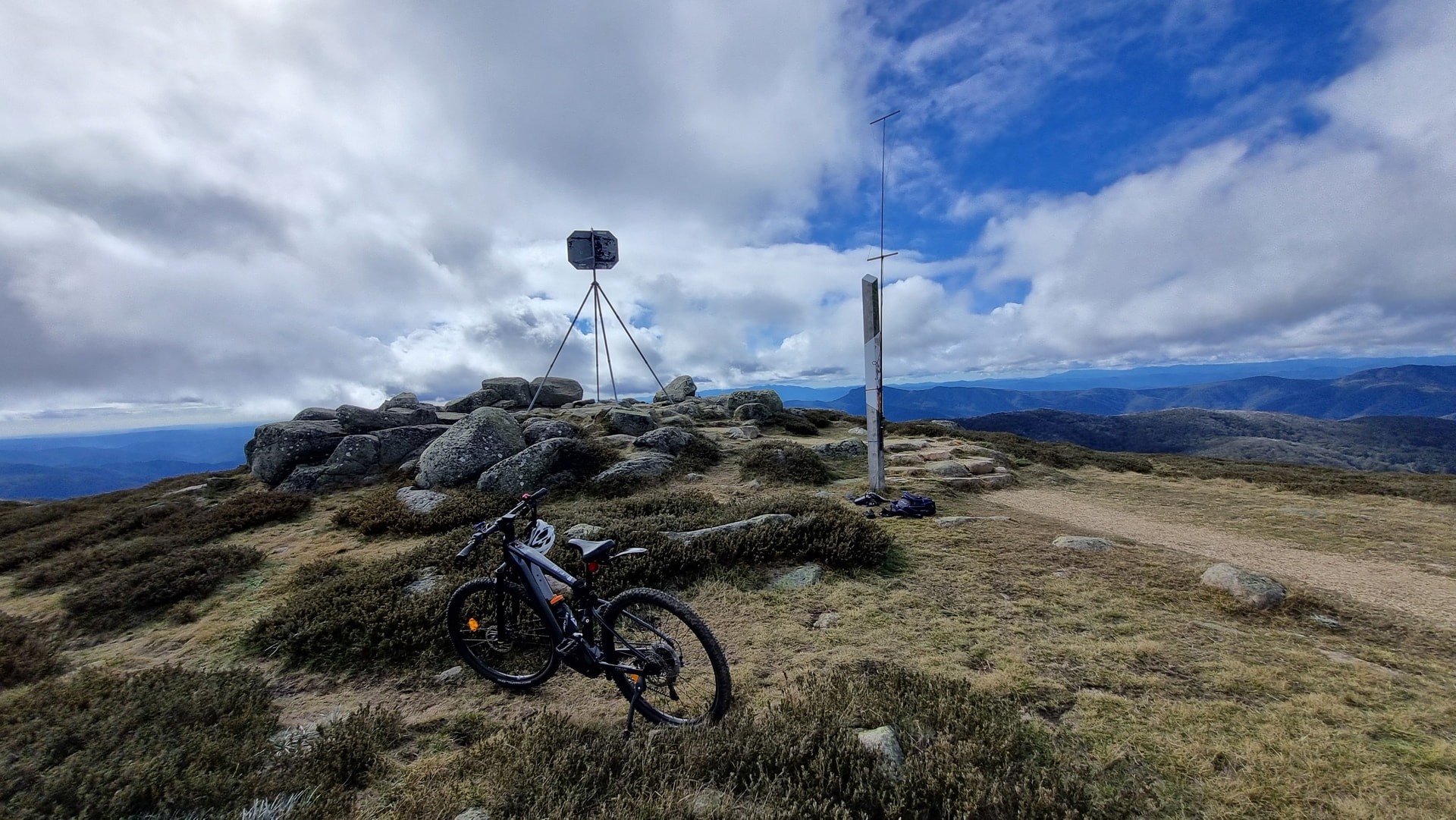
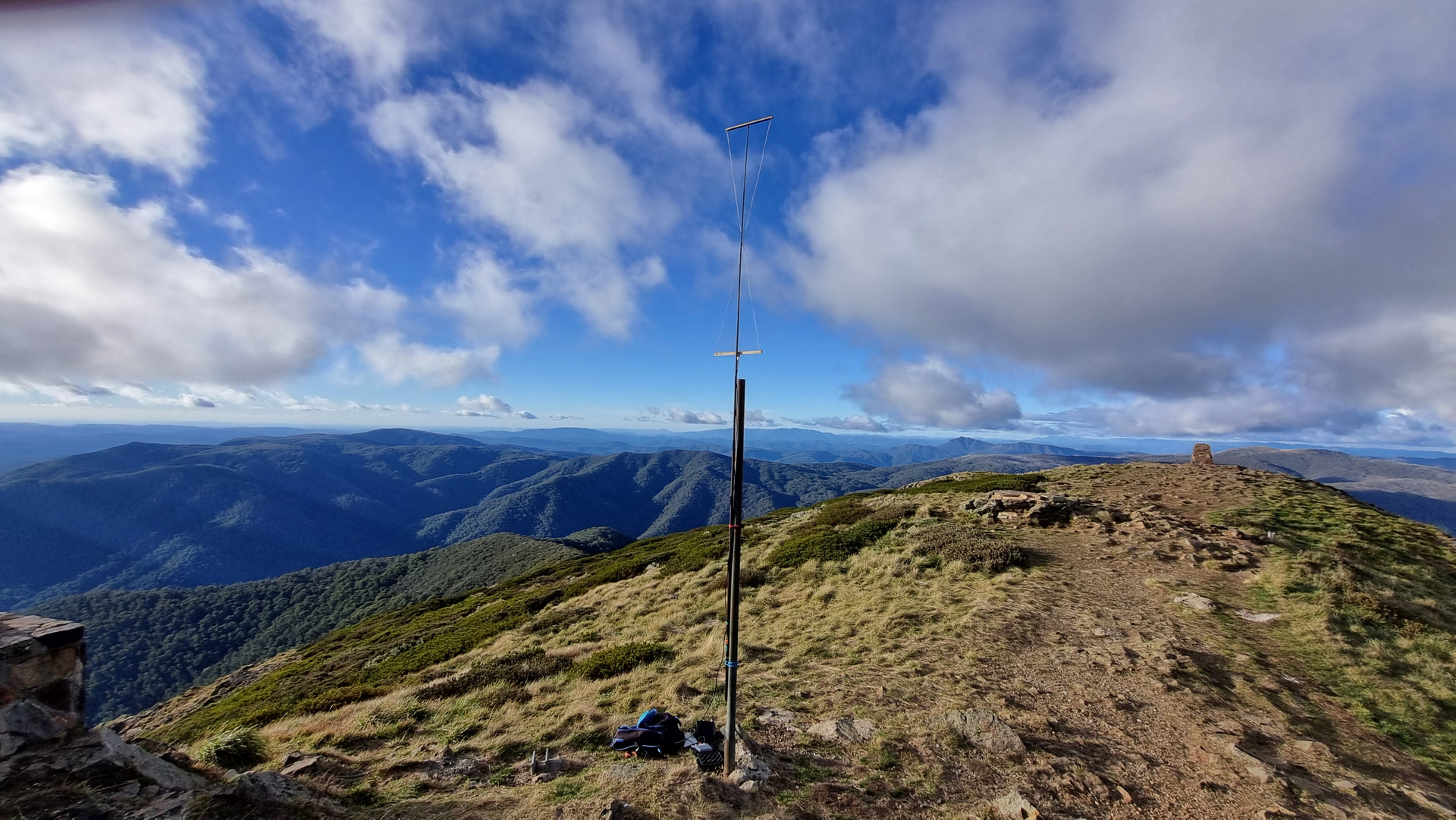
To get to Mt. Stirling, I used the Ebike to cut the time down and a bit of fun. Not having a lot of space for a long squid pole to support the yagi, I opted for the Hour Glass antenna atop a lightweight short squid pole. They both fitted nicely in the backpack.

The track is about 5km long with a vertical rise of about 500 metres.
After completing the activation and a hair raising ride down the mountain, I went over to Mt. Buller and used the Hour Glass again.

The longest contacts were just over 300km via aircraft scatter, thanks VK1JA and VK1RX!.

Rig used was the trusty FT-817 with a home brew amp.
Cheers,

Glenn VK3YY.

8 Likes

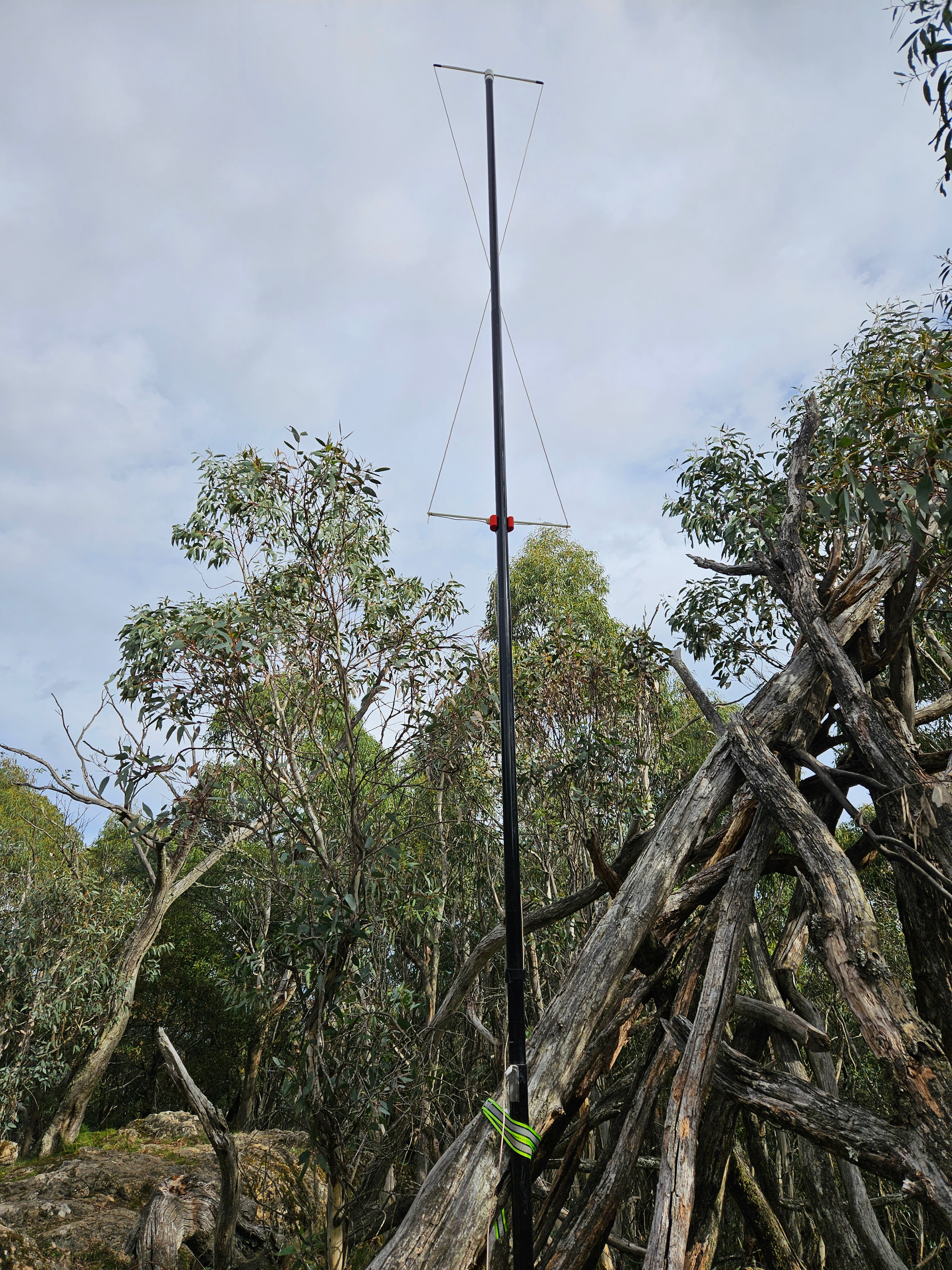
I absolutely love the photos of the BTHG’s in action. That last photo looks magnificent. The BTHG there, aloft, surveying everything beneath it. Marvellous!

300km is a superb effort. I had my antenna built and then part of it snapped when I was adjusting it to cut the wire so i’ve to get another built now. Want to take it out soon though, you guys are getting excellent results with them.

Out of curiosity, what wire type are you using? I was testing AWG 16 but might switch it out to AWG 26 or 28.

2 Likes

Hello Geoff,

I am afraid the information may be of limited use to you due to the German supplier and the information being available only in German on their website.

Anyhow, here we go: it is stranded wire Type 3 (Supplier: Kabel Kusch)
(7 x 7 x 0,25 mm = Cu Ø 2,48 mm²; AD = 3,4 mm)

This is what I had on shelf and for sure a much thinner wire would also do it. The only problem is that the loop antennas are sensitive with regard to dimensions when you change building materials. Roman @DL3TU reported that he had used 2.5 mm² speaker wires from a hardware store and that he needed them a bit longer. A good starting point would be to keep the Al tube length and diameter as mentioned and add 3 cm in length of each wire so that you can cut them back when needed.

Hope this helps, good luck!

73 Peter

4 Likes

Just using 24 strand “figure 8” twin cable split down the middle. The strands measure 0.2mm.

Glenn VK3YY.

3 Likes

Can you show your HB amp?

I’m using 18 AWG multi strand copper wire with silicon insulation.

Andrew VK1AD

3 Likes

The amp is here: 2 M Amplifier 20W - #11 by VK3YY

It uses an RA80 Mitsubishi module, run from a 4S LiFePO4 pack.

Glenn VK3YY

I do have a Mitsubishi module and a Chinese board to fit it to, just never got round to doing anything with it

1 Like

Hi Peter,

Thanks for the reply, very useful. I think I will also try the 2.5 mm² speaker wires since they are readily available, flexible and not out in the sun 24/7 so the insulation should be fine. Dimensional adjustment noted, thanks Peter (and Roman).

73

Geoff ZL3GA

2 Likes

26 AWG wire from a local electronics supplier.
Yellow Light Duty Hook-up Wire - 25m Roll | Jaycar Australia

2 Likes

Hi,

I activated Camels Hump, VK3/VC-040 yesterday in the early afternoon, getting on air just before 0300UTC. Sorry I missed you on Mt Torbrek, Peter, but I had a radio club meeting in the morning.

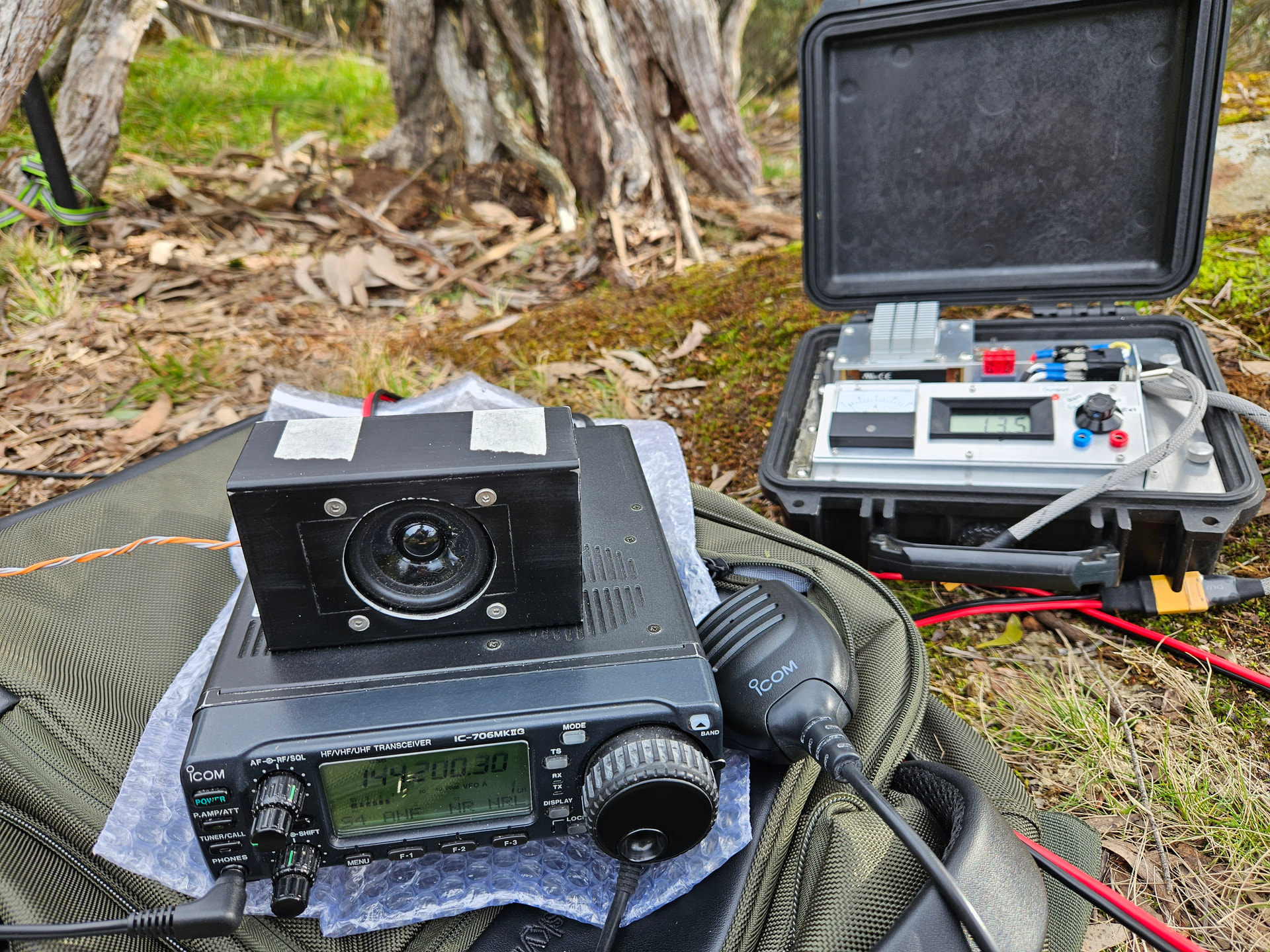
My goal was to try out an IC-706MkIIG that I’d bought at a silent key auction recently. The capability to produce up to 50W PEP on 2m was the obvious attraction, a 10 - 12dB advantage over my other portable 2m radio, a venerable FT-290R. Needless to say the gear is much heavier now, the radio and kit is 3kg and my ‘15A Field Power Supply’ is 3.6kg. Happily the hike up to Camels Hump is short, only 10 minutes.

Using the now proven Hourglass Antenna, the activation went well. I pointed it towards Melbourne, roughly SE and didn’t have to turn it to peak any signals. My longest contact was with Peter, VK3PF in QF31FQ at 192km who is also on that heading.

I could just hear the Don Head beacon, VK7RAE (450km) across Bass Strait, but didn’t manage to work any VK7s. So, the outcome - the old Icom worked well on 2m, the power supply coped fine at full power and the Hourglass performed as expected - it’s a great antenna for SOTA!

73 David VK3KR

6 Likes

Apart from the speaker, your power case looks interesting. Did you share details already somewhere else and can you provide a link?

Thanks, Peter

2 Likes

Another weekend, another Saturday summit activation.
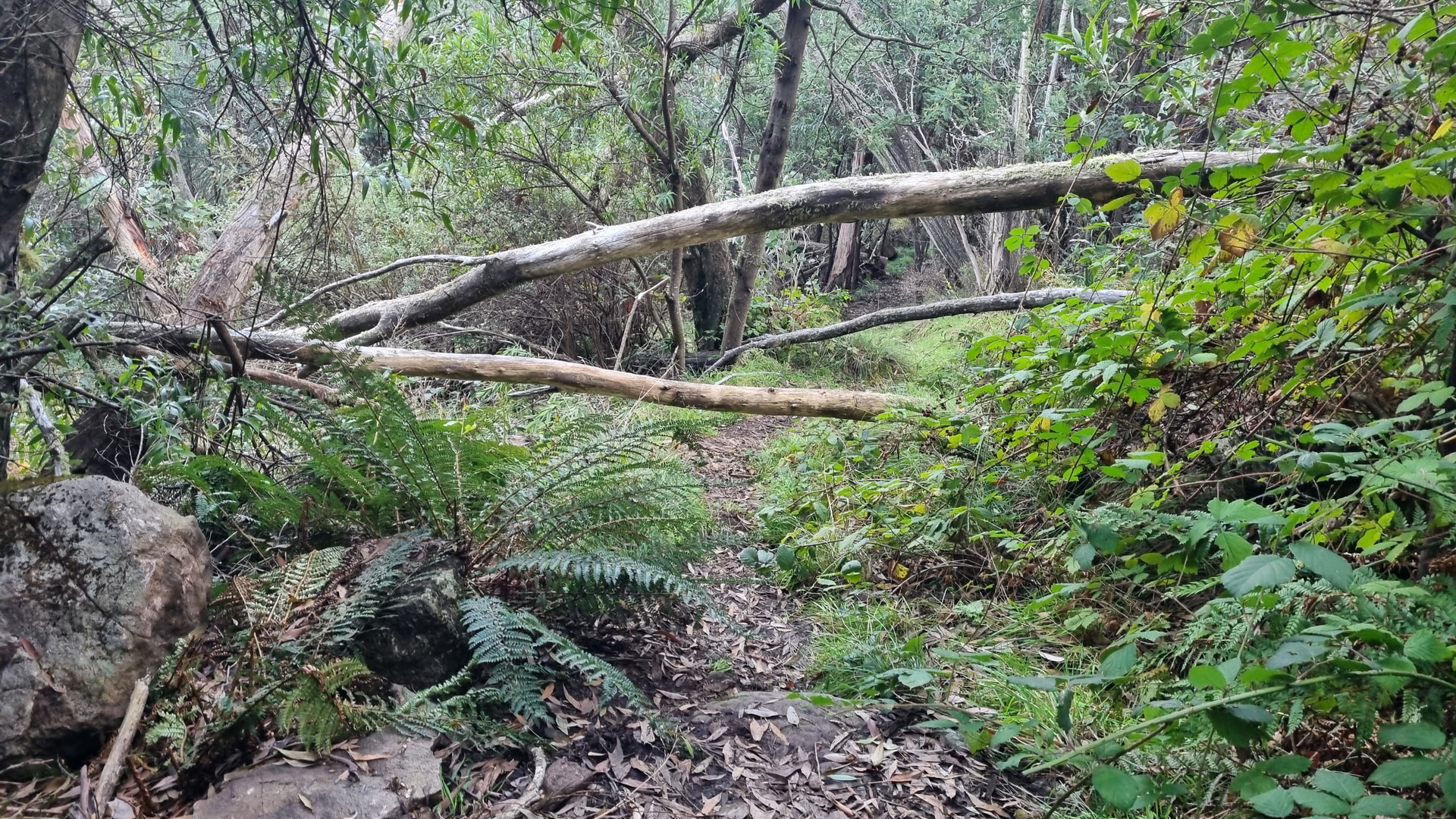
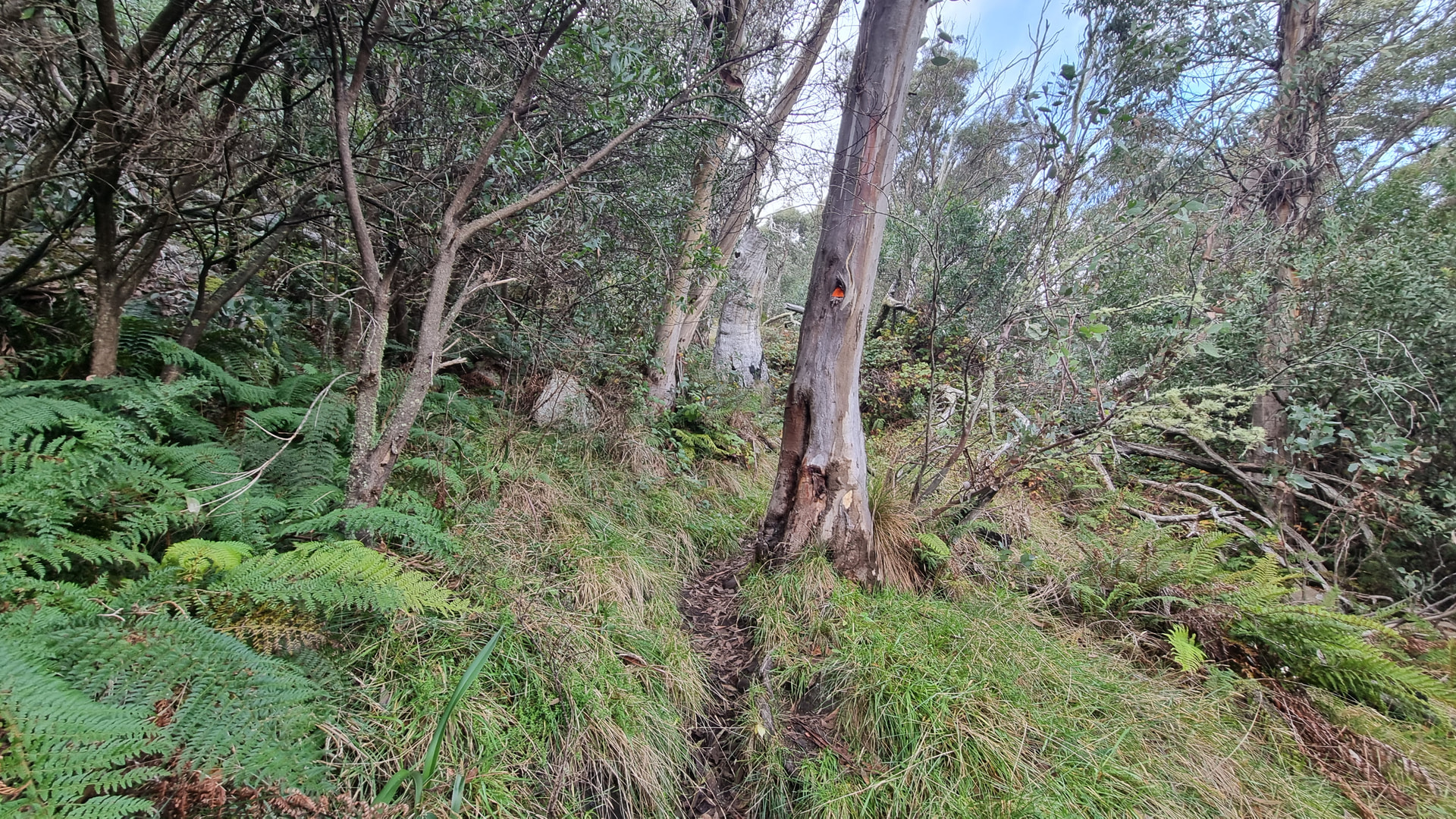
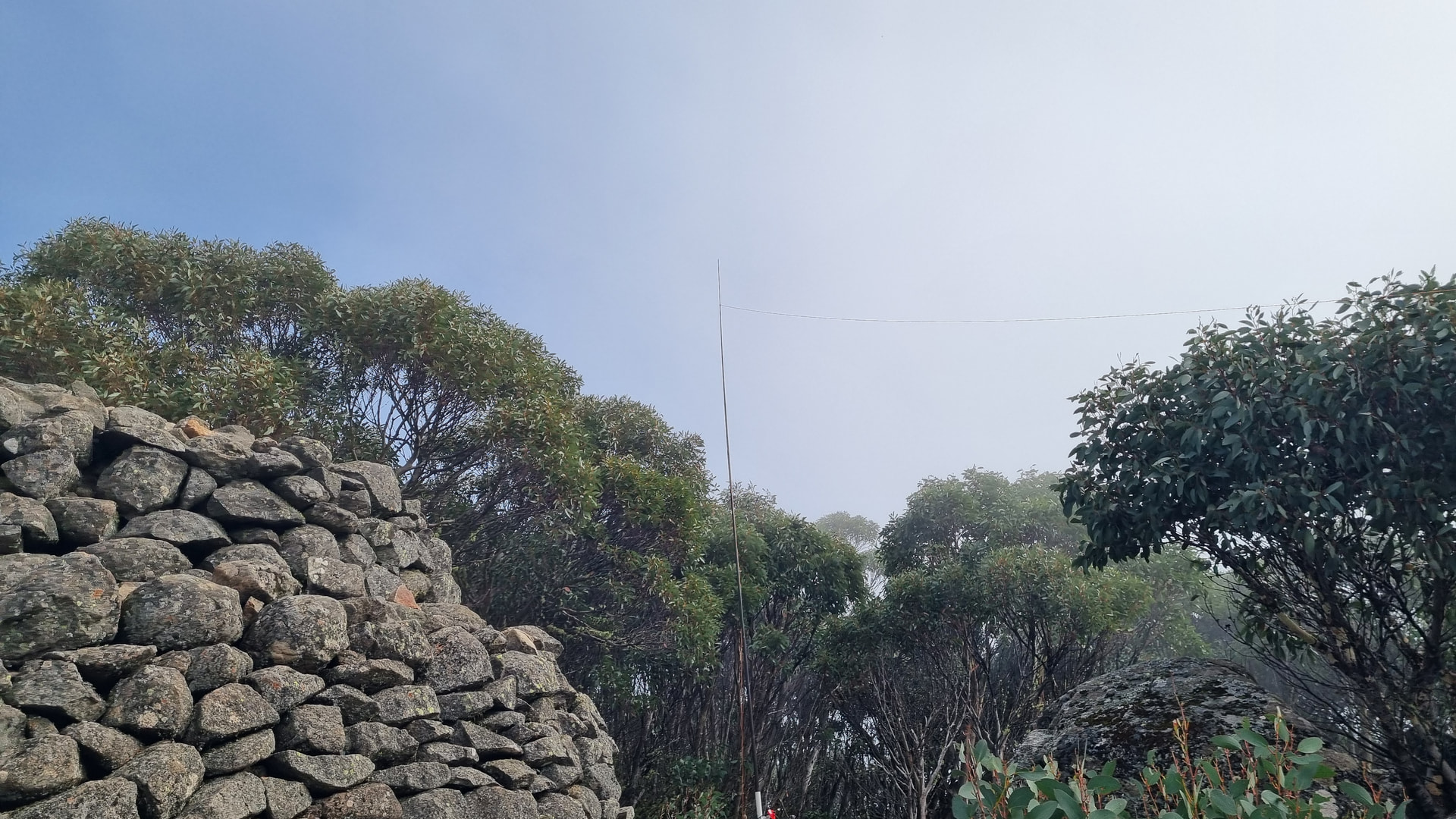
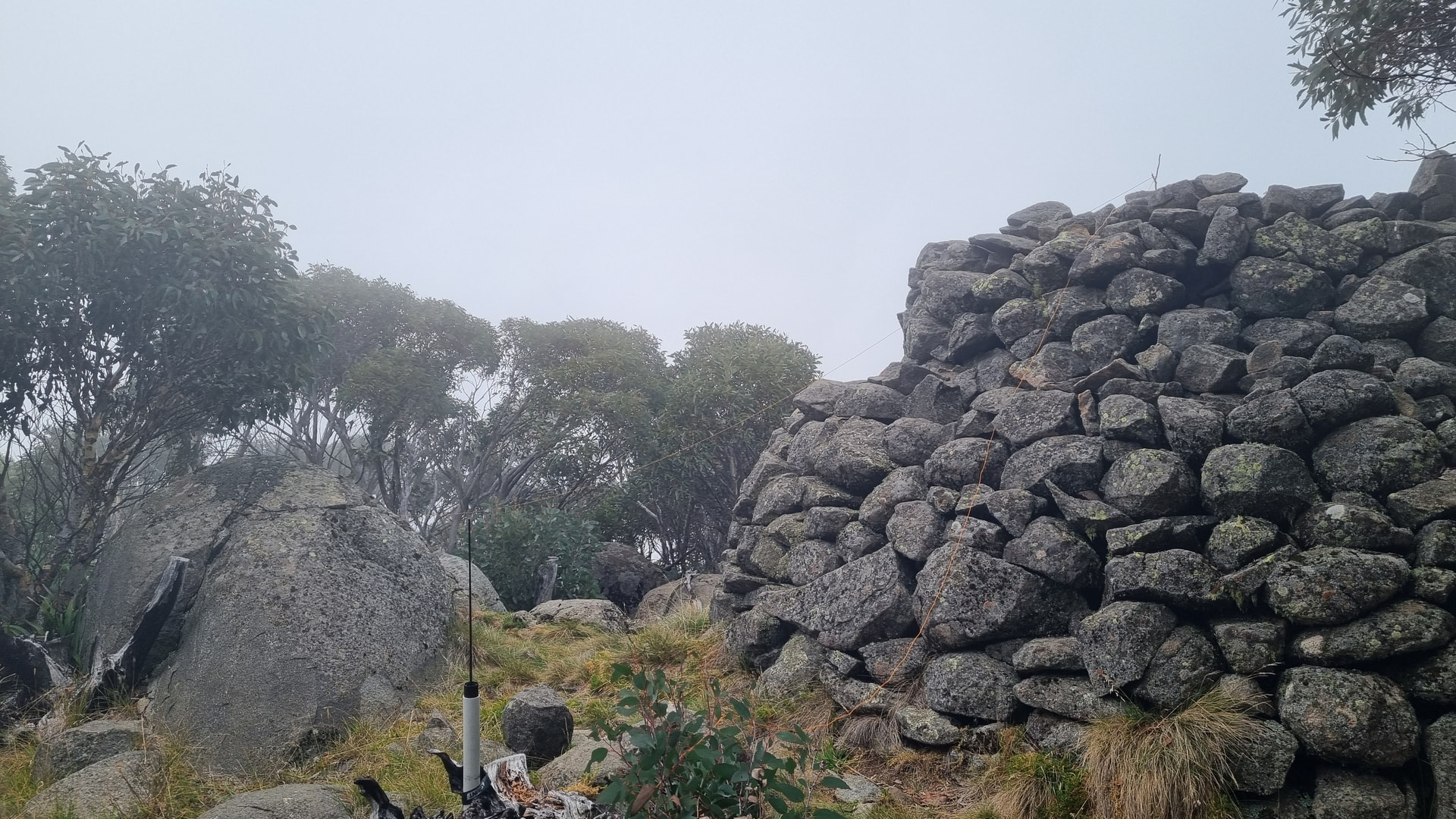
Mt Torbreck, VK3/VN-001, is the tallest summit in the Victoria - North Central region at 1516 m ASL. The access to the summit starts at about 1180m ASL and rises to 1470m ASL in 1.2 km, the track then levels off for about 300m before rising the last 46 m of elevation in about 200m. The access track varies from a 3m wide slashed path in the lower sections to nothing more than a scramble up slippery rocks and some over and under recently fallen trees.


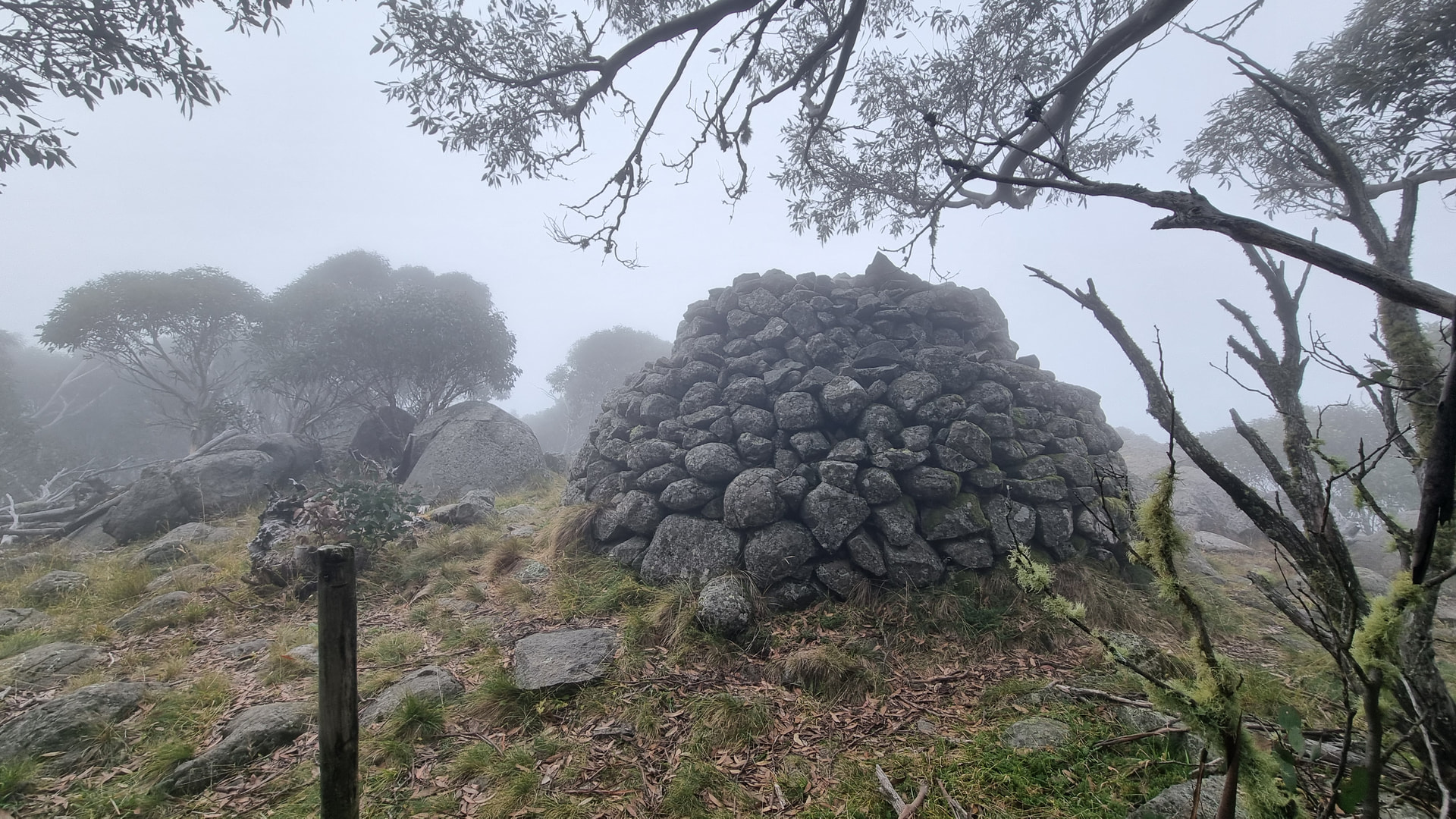
This activation was my fifth climb up and, it took me 1 hour 20 minutes to reach the summit. When I left the car, the sky was clear, the sun was shining and the temperature was about 14° C, when I reached the summit cairn the temperature had dropped to about 8° C and the low cloud robbed me of any views.

I set my station up near the rock cairn, using a burnt-out stump to support my 6m squid pole with my hourglass antenna attached. I got on air just after 0000 UTC and made 15 QSOs on 2 m SSB in about 35 minutes, then nothing for the next 15 minutes. During this quiet time the wind briefly whisked the clouds away, although the temperature didn’t lift.

After seeing a spot from @ZL3DRN on ZL2/CB-735, I rigged the station for HF, with an Inverted L antenna on the squid pole, logged the S2S QSO, and other 43 QSOs on HF.

Wanting to continue trying 2m SSB and hoping to catch Gerard @VK2IO on 40m during a WWFF activation, I moved the Inverted L wire to the top of the cairn, allowing me to reinstate the hourglass on the squid pole.

Returning to 2m SSB I logged another 5 QSOs making a total of 20 QSOs on 2m SSB ranging from 89 to 162 km. I also managed eight QSOs on 40m with the inverted L wire draped up the stone cairn and then out to a tree.
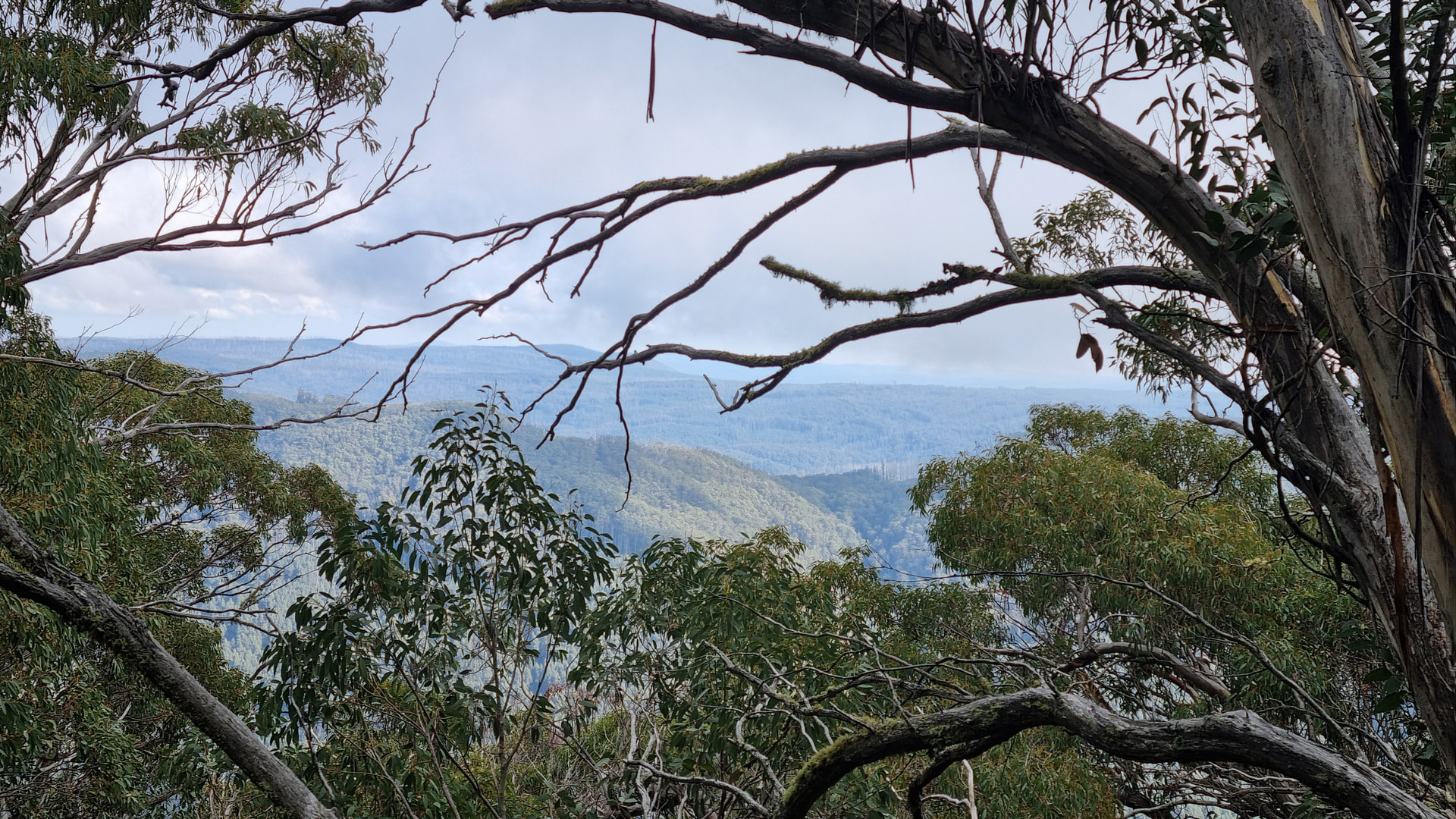
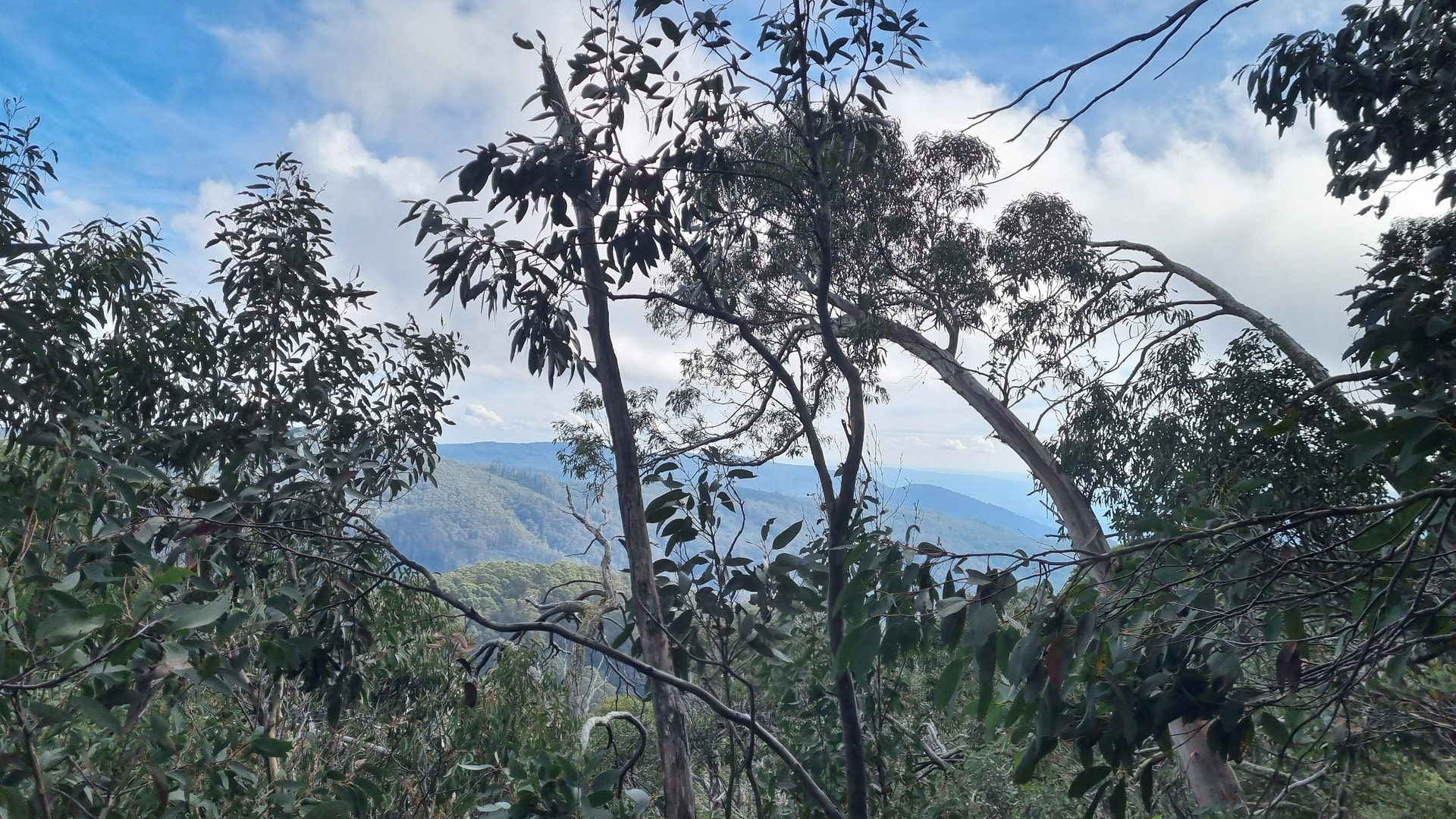
Leaving the summit at about 1220 and pausing to take some photos of the obstructed views part way down, I was back at the car in just over 1 hour.

4 Likes

Very interesting tour and well written report, THANKS for sharing!

73 Peter

1 Like

No problems David. My original plan was to start hiking back down the hill at 0300 UTC, but I had started earlier than planned so I finished early. If the weather is kind next Saturday, I’ll be out on a summit somewhere - maybe VK3/VN-029 Federation Range and VK3/VN-027 Mt Gordon.

1 Like

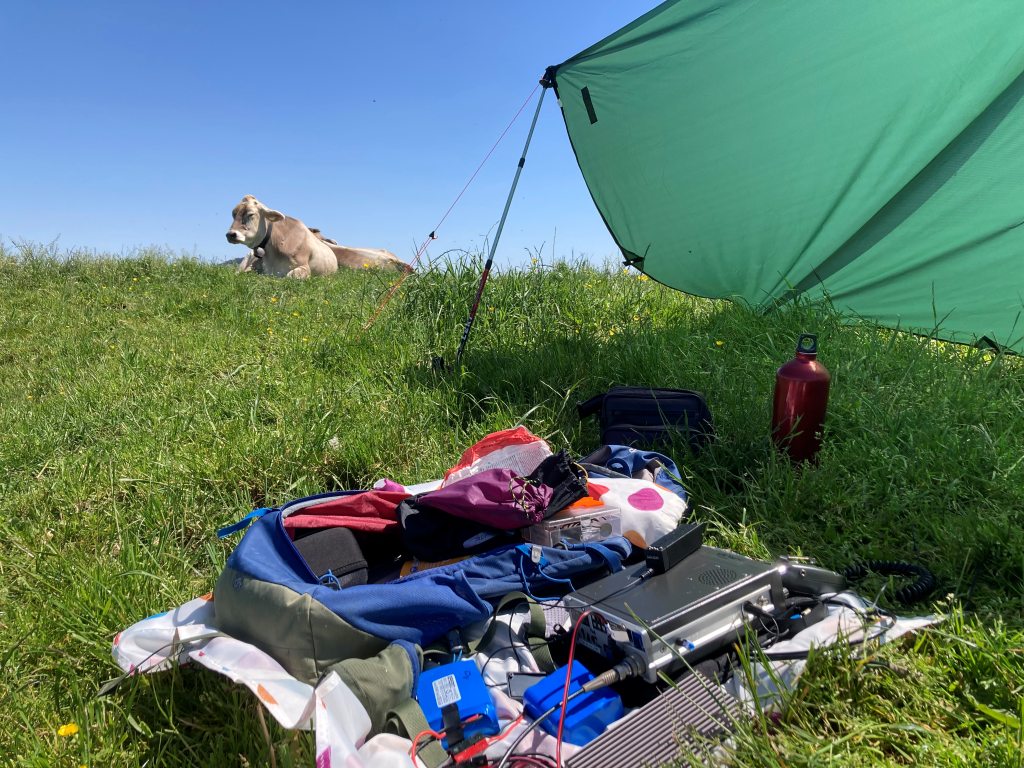
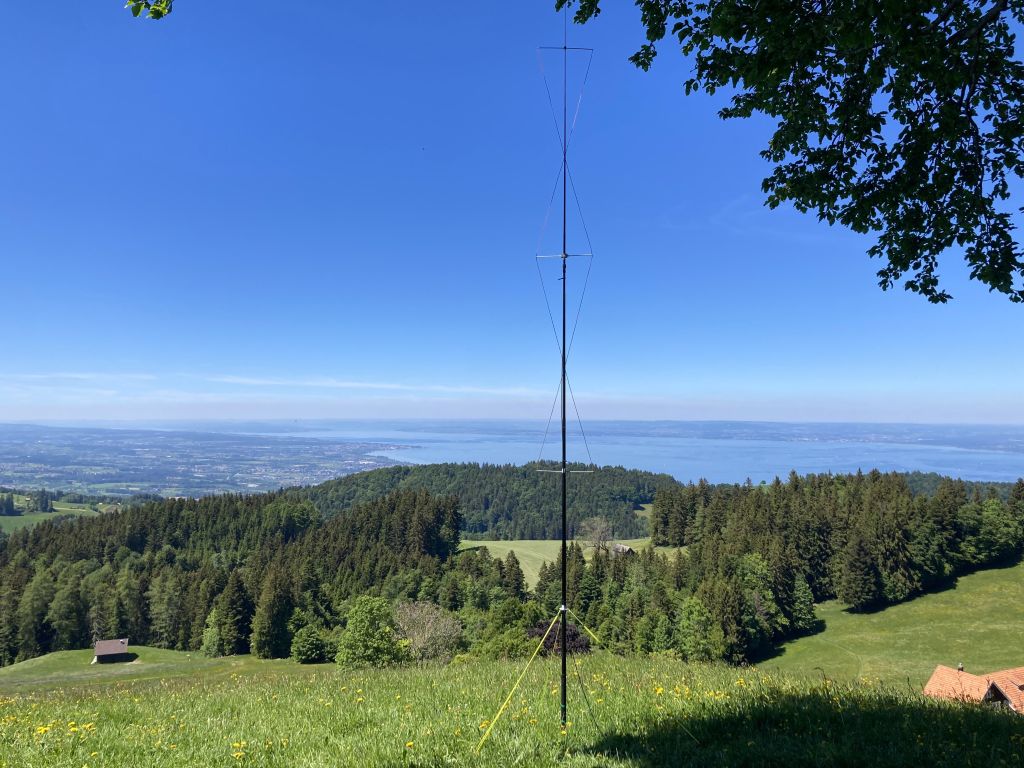
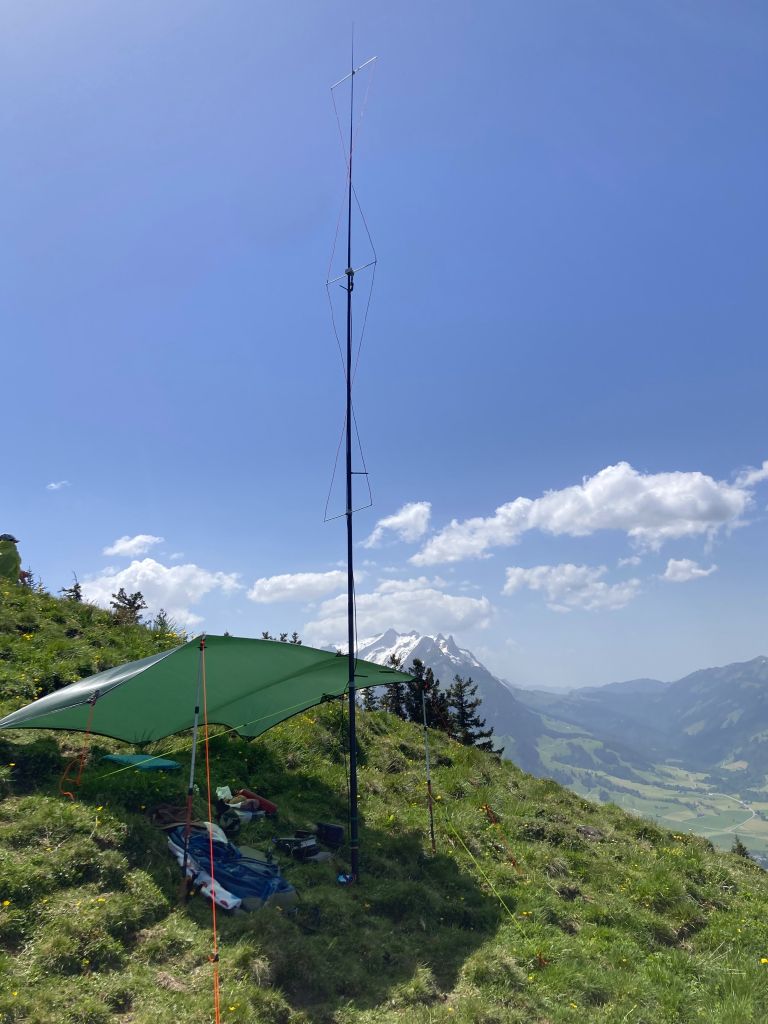
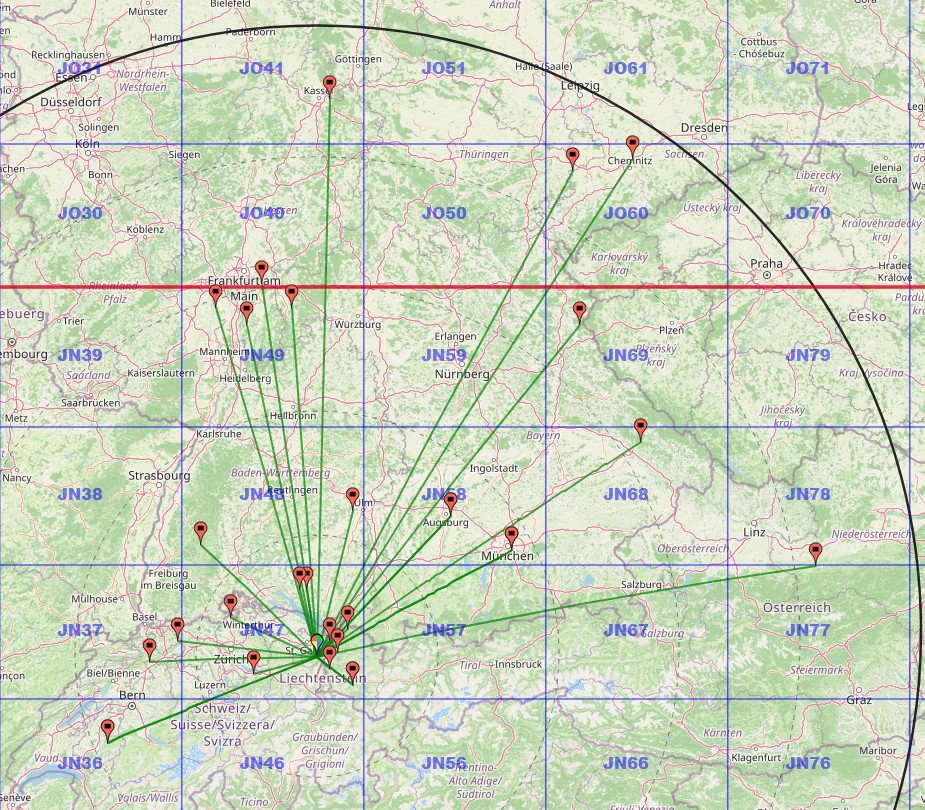
Last weekend I activated four summits in Appenzell/Switzerland (HB/AR and HB/AI) using the DHA exclusively. The setup is now running really smoothly and the performance is convincing.

In total, 67 QSOs went into the log, ODX was 470km and a few more > 400km. Many QSOs were in the 300km range. For a few QSOs up to ~ 130km it was possible to switch off the PA and operate with the FT-290 R “barefoot” with 500mW.

At the last summit, a group of kids joined us and took a close look at the equipment. I got to explain everything to them, from how to use a compass to how to conduct a QSO. I was especially delighted when one boy asked if I could send Morse code. His neighbor, who is a ham radio operator, is currently teaching him Morse :slight_smile:

I would especially like to thank the OMs who accompanied me on the trip with (at least) one QSO on every summit and/or cluster spots which kept the QSOs rolling in.
As always, it was lots of fun :slight_smile:

6 Likes