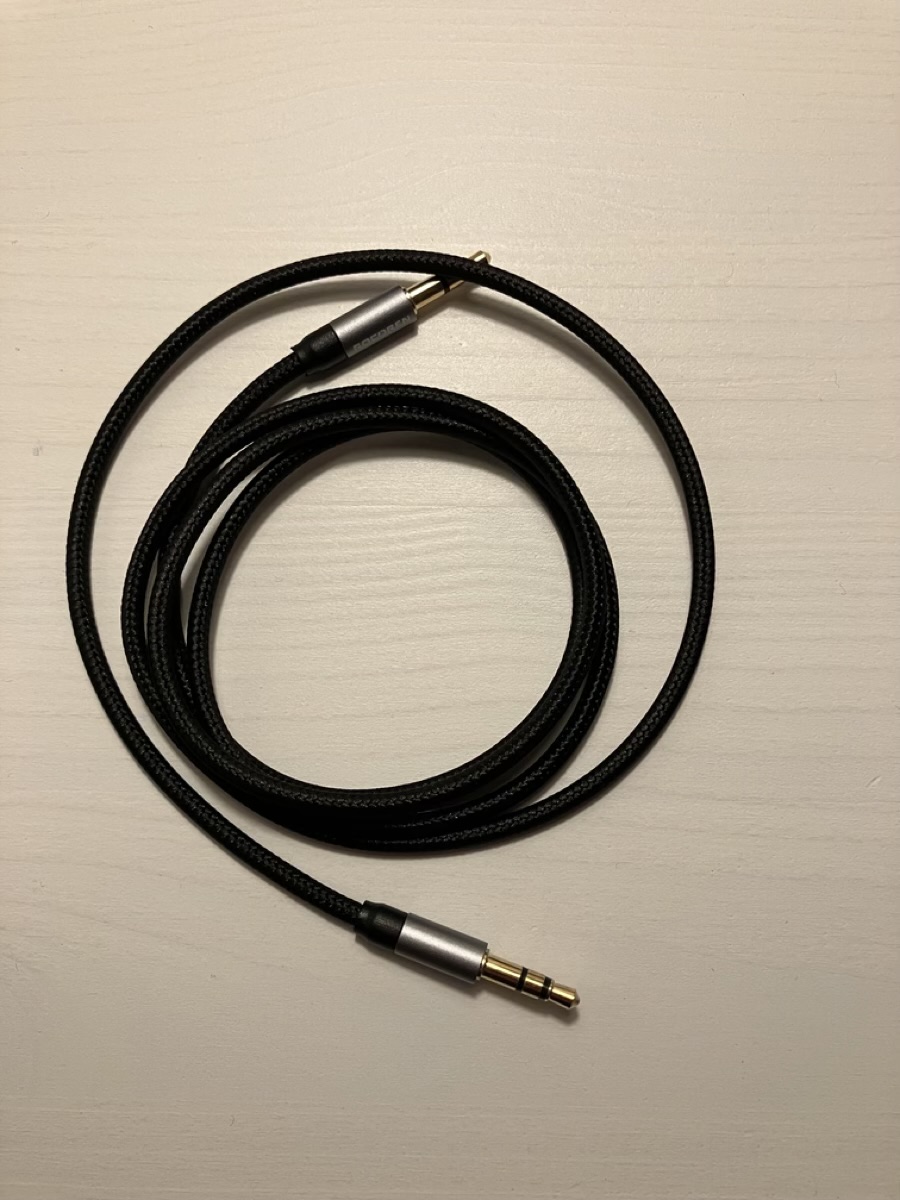
I use that well known brand from China “ElCheapo”. Works perfectly on my KX2. Unshielded TRS work fine on my 705, assorted QCXs, 817s. So I think you may be over egging the situation. I use assorted nice-and-flexy brand 2core and 3core screened audio cable.
I found some metallic shell TRS cable plugs and thought they would be ideal for keying lines and microphones. Alas, the plating on the pins you need to solder your cable onto is very dubious and i even had to swap one out for a plastic cover plug while in the tent on a field day. The plating is either thin, or entirely composed of fake metal. Steered clear of that type after that.
A Jack is the mating connector of a Plug. The US patent for RJ45 connectors, something that should be familiar to almost everyone on this reflector, makes use of these terms in the description.
The plug is commonly terminated to a plurality of conductors which may be connected to a communication device. Normally, each plug is terminated to eight conductors which form four pairs. The corresponding jack is commonly mounted to a panel or a printed circuit board or a wall outlet, which in turn is connected to the telecommunication network. To complete the circuit, the plug and jack are intermated.
I considered the same issue. I’ve built a few home brew rigs and had audio issues.
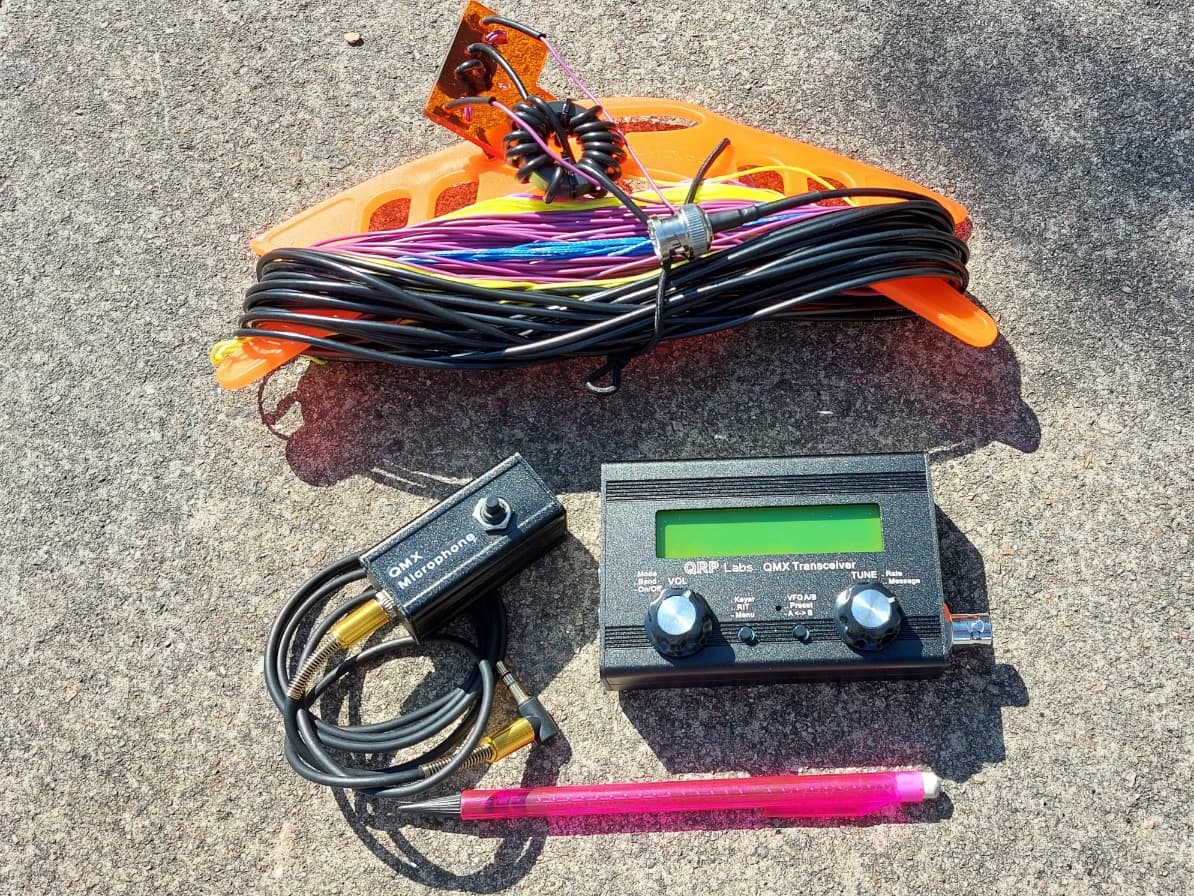
I put a 3.5mm socket on my microphone for the QMX to allow the use of a shielded 3.5mm male to male cable if needed. In practice I have found that a random unshielded cable that I had in my shack works fine.
Thanks Peter. Well I am familiar with Jack when used to mean a socket, but a work colleague once asked me for a “jack plug” and I guess the memory of that emerges when I see the word Jack. He meant a 6.5mm stereo plug of course. I should have added suitable emojis.
So I used the QMX in anger today (sort of - I was testing it, and I thought I may as well get up a summit).
I got a ‘G’ message on the screen which prevented me from transmitting on a few occasions… so that’s possible RF ingress making the radio believe I have the GPS module plugged into the mic. Or the £0.10 cable is dodgy.
The radio’s location wasn’t ideal relative to the EFHW (I admit) but I did have a CMC attached.
I’ll make up a shielded cable and see what happens at the next activation.
When you say you’ll make up a shielded cable, do you mean the mic cable today had just 3 wires (mic, ptt, gnd) but the gnd was just another piece of wire and not screening over the other two?
You can prove it’s RF pickup… disconnect the antenna, connect dummy load. If the issues stop it’s RF pickup.
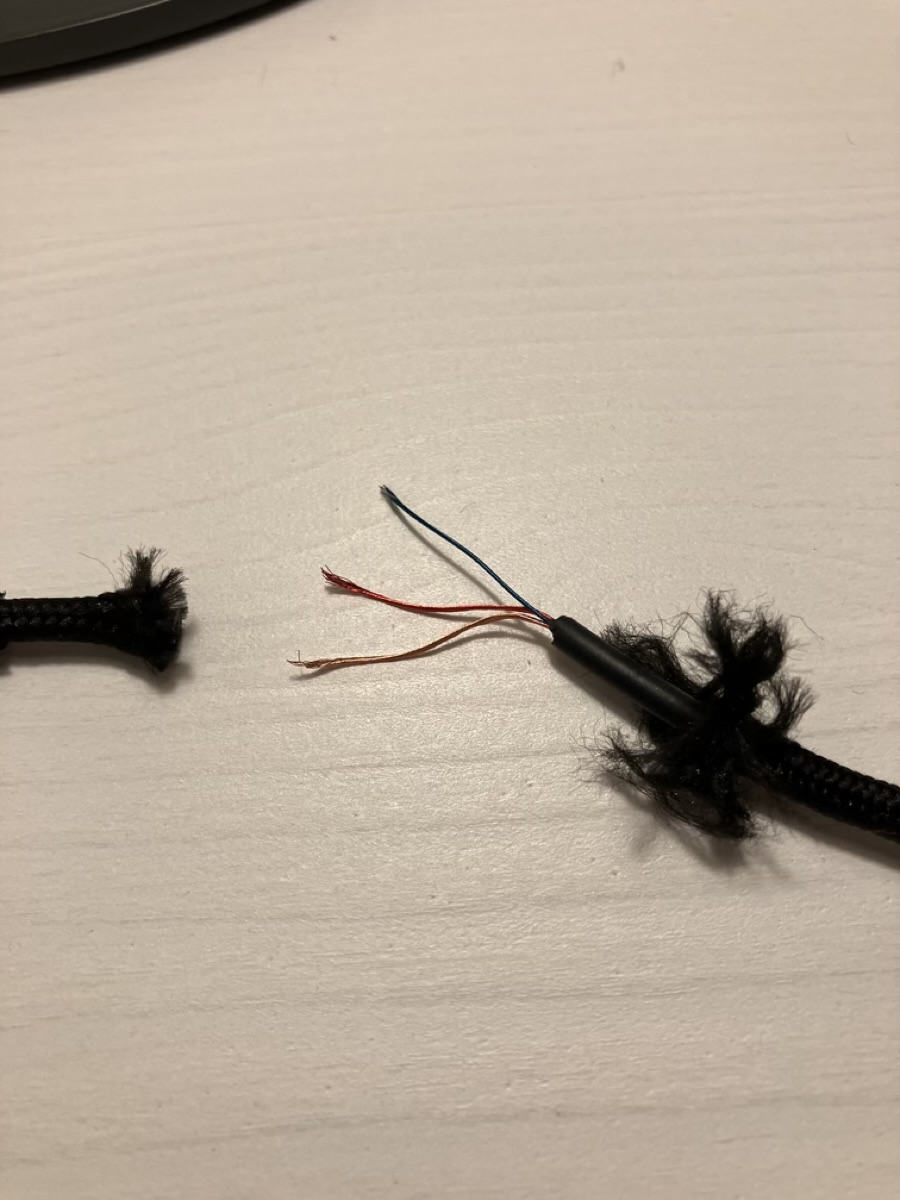
OK. It’s just I had a similar cable used on a PC headset that failed hence having a cable with 3.5mm plugs attached still. There were two enamelled unscreened cables and one not enamelled that when carefully unlapped had a tiny plastic core and that had a fine wire inside the plastic.
What settings do you use for the mini mic on the QMX?
I built two K6ARK mics recently. One for my KX2, which works 100%, and another for my QMX and following the QMX wiring instructions which doesn’t work - I checked using the mic test function but no dice.
Checked solder points, wiring etc and all is good. I even swapped out for another mic and soldered that component in. No joy.
Are there configurations settings I need to add? Recently flashed the QMX to the latest stable firmware.