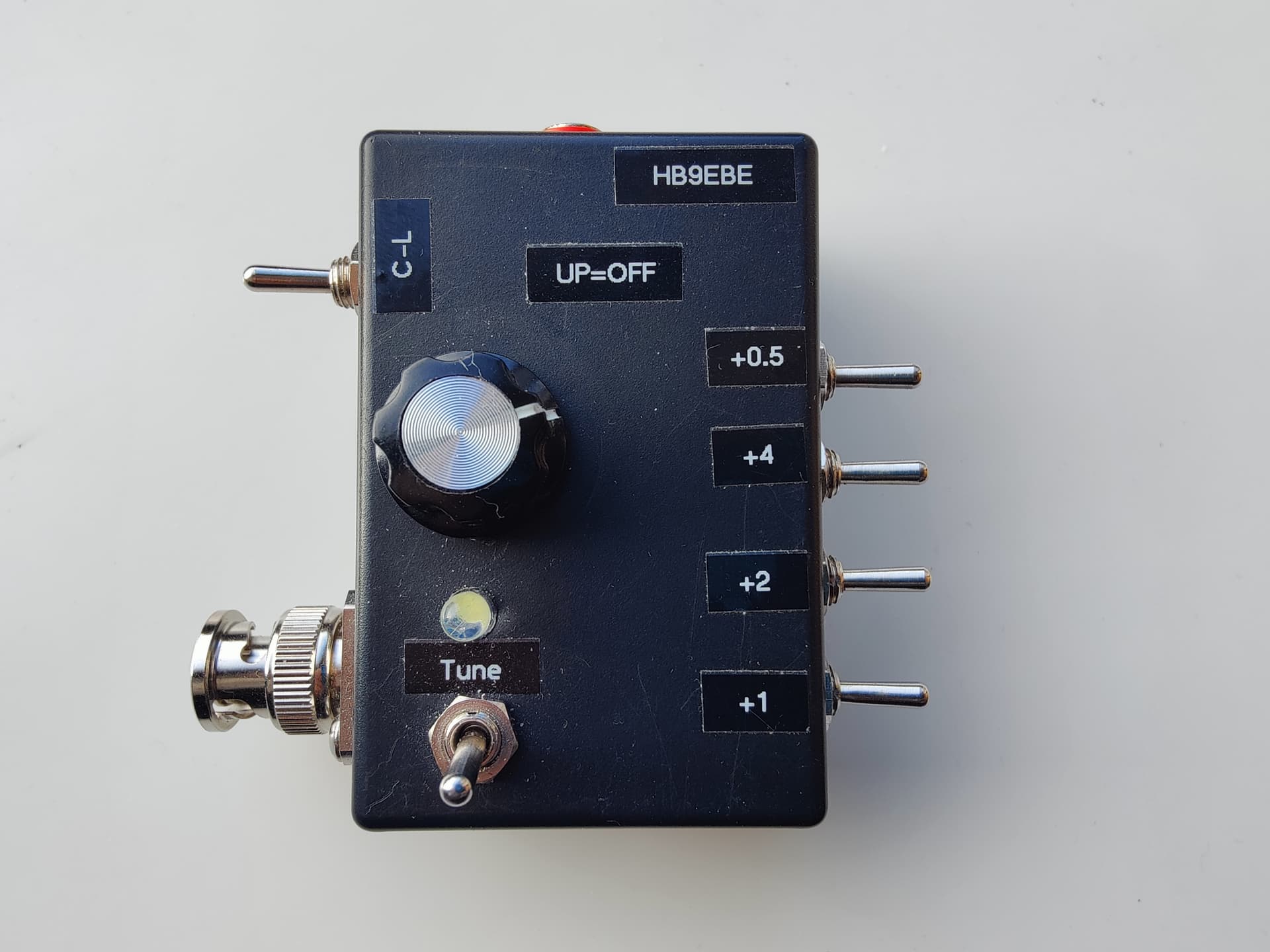
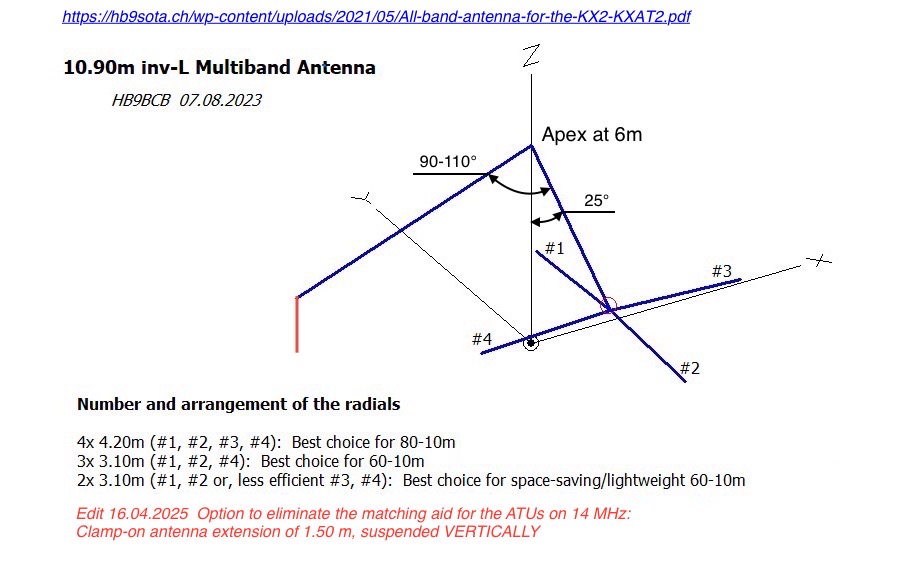
There is quite a bit of a search for an antenna and match-box for the QMX that work well. A great antenna is the one designed by Heinz HB9BCB. It’s designed for the KX2 and its built-in tuner. I have experimented a bit to make it work for the mid-band QMX. Turns out that the antenna is easily tuned with a L-match with an inductor of 0.5 to 7.5 uH and a condensator of 0-560pF, provided it can be switched from L-C to C-L. Matchbox directly coupled to QMX, no coax. Tuning is made easier by lengthening the wire a bit. The box can be very small and is tuned up fast. Simple and effective.
7 Likes
Thanks Peter for the flowers, hi.
Note regarding the Elecraft ATUs KXAT2/3 and T1
The reduction in complex impedance achieved by the short antenna extension (in red) is not yet sufficient to achieve optimal impedance matching with the aforementioned ATUs at 14 MHz (at best, ~SWR 2.5).
Therefore, the design goal was unfortunately not achieved, and the 10.90 m inv-L multiband antenna must be used as before with an external matching aid at 14 MHz.
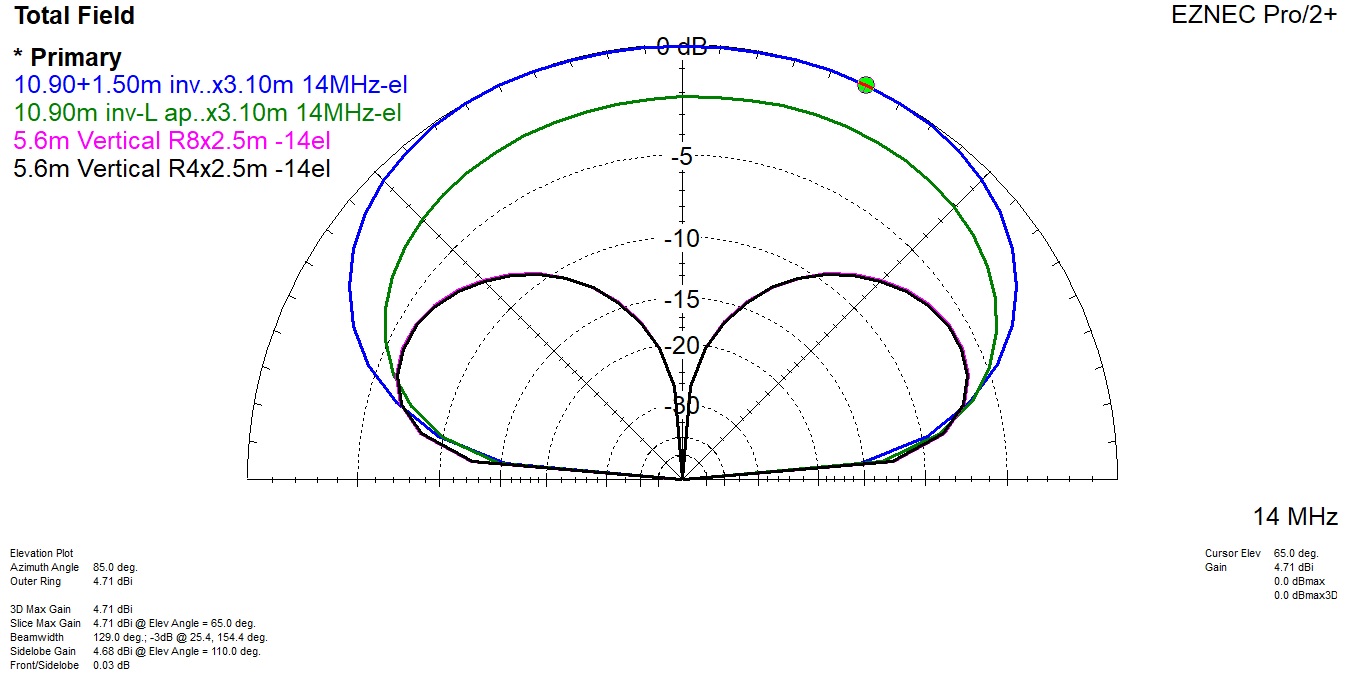
Nice side effects of the vertically mounted antenna extension
– A significant improvement in the vertical 14 MHz radiation pattern
– Trouble-free matching using a Kanga Pocket Transmatch (max. 10 watts).
4 Likes
What is your setup while operating with emphasis on where the radials are connected?
If the radio and matchbox are laying on the ground, the connection should be simple…
With small radios (MTR3b, and QMX in the future) I operate sitting, with both radio and keyer on a small board in my lap, and I have no idea how to attach the radials directly without getting all tangled.
1 Like
I like to put the QMX and tuner on the ground, and have only paddle and logging equipment in my hand, mostly as in Paddle for screen logging. You can of course add a couple of meters of coax between the transceiver and the matchbox. Holding the transceiver, matchbox, and connections to antenna and radials doesn’t make for pleasant operating… I find this works only for an efhw without radials.
4 Likes
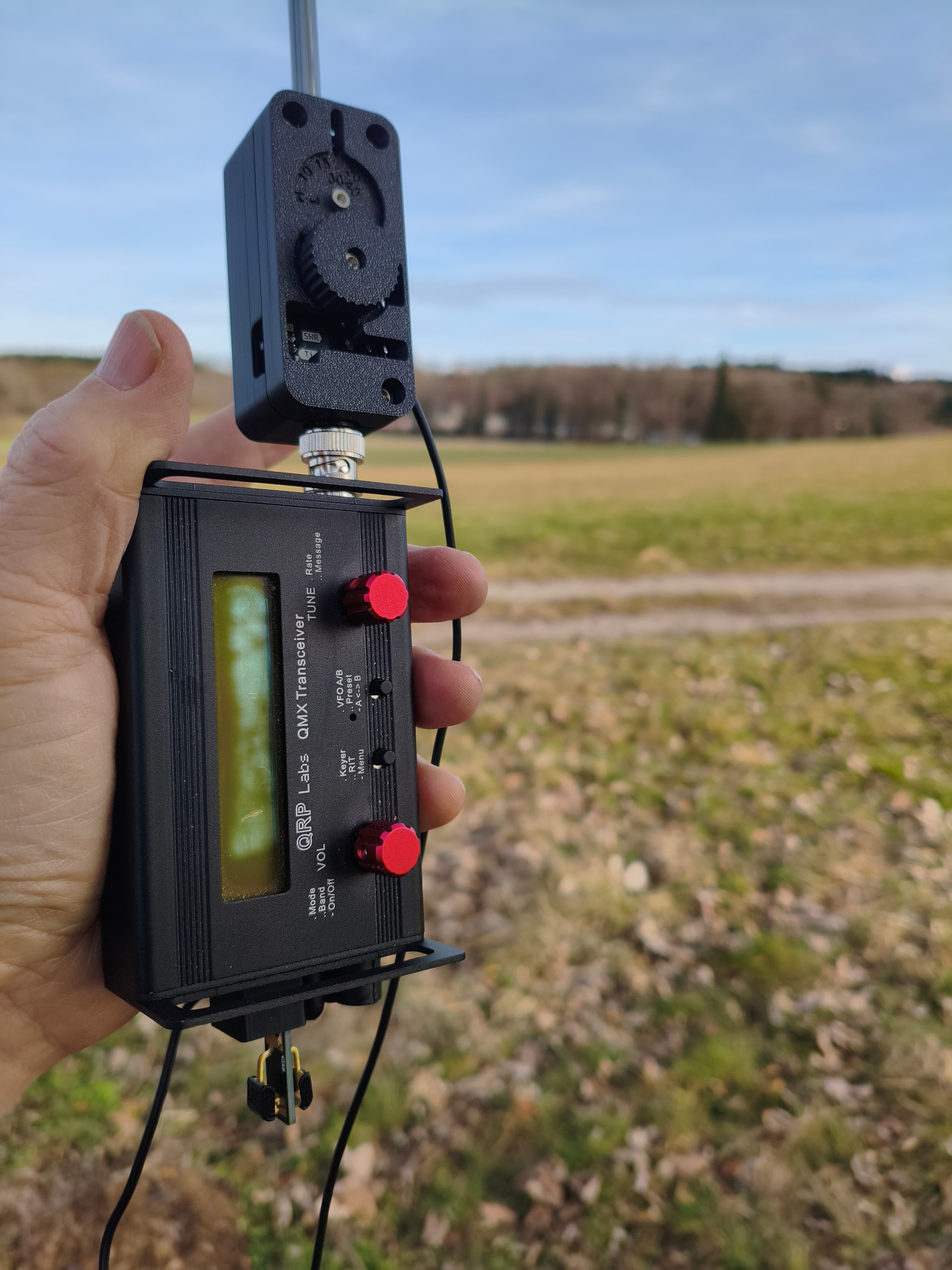
After reading a bit about the “famous” Gawant antenna, which is very popular in Japan, I could not resist trying it out. N6ARA has put together a nice kit, which can be constructed in an hour. I tried it out today with SFI 110 and K4, not really ideal conditions, calling CQ for 5 minutes on each band. These were the results:
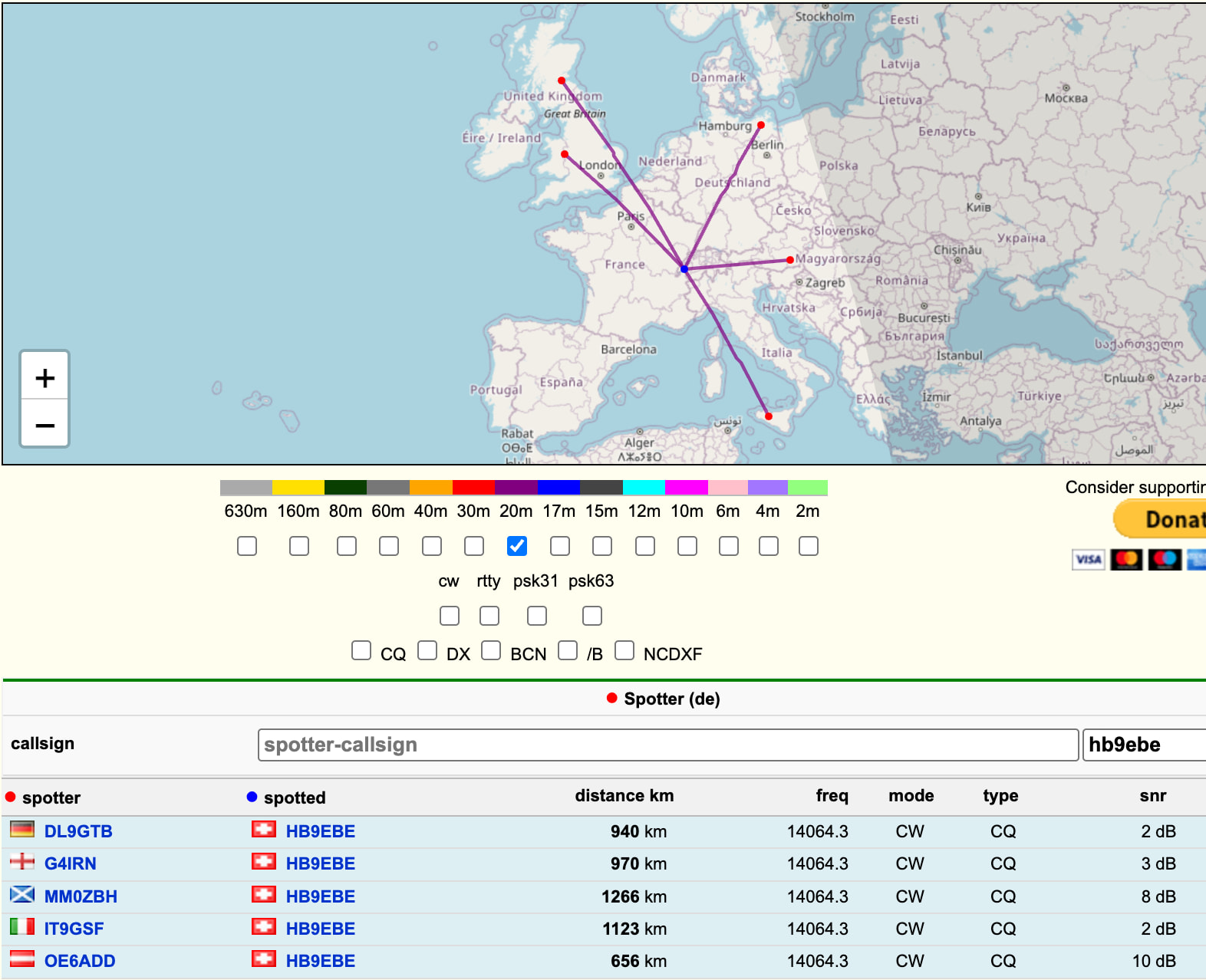
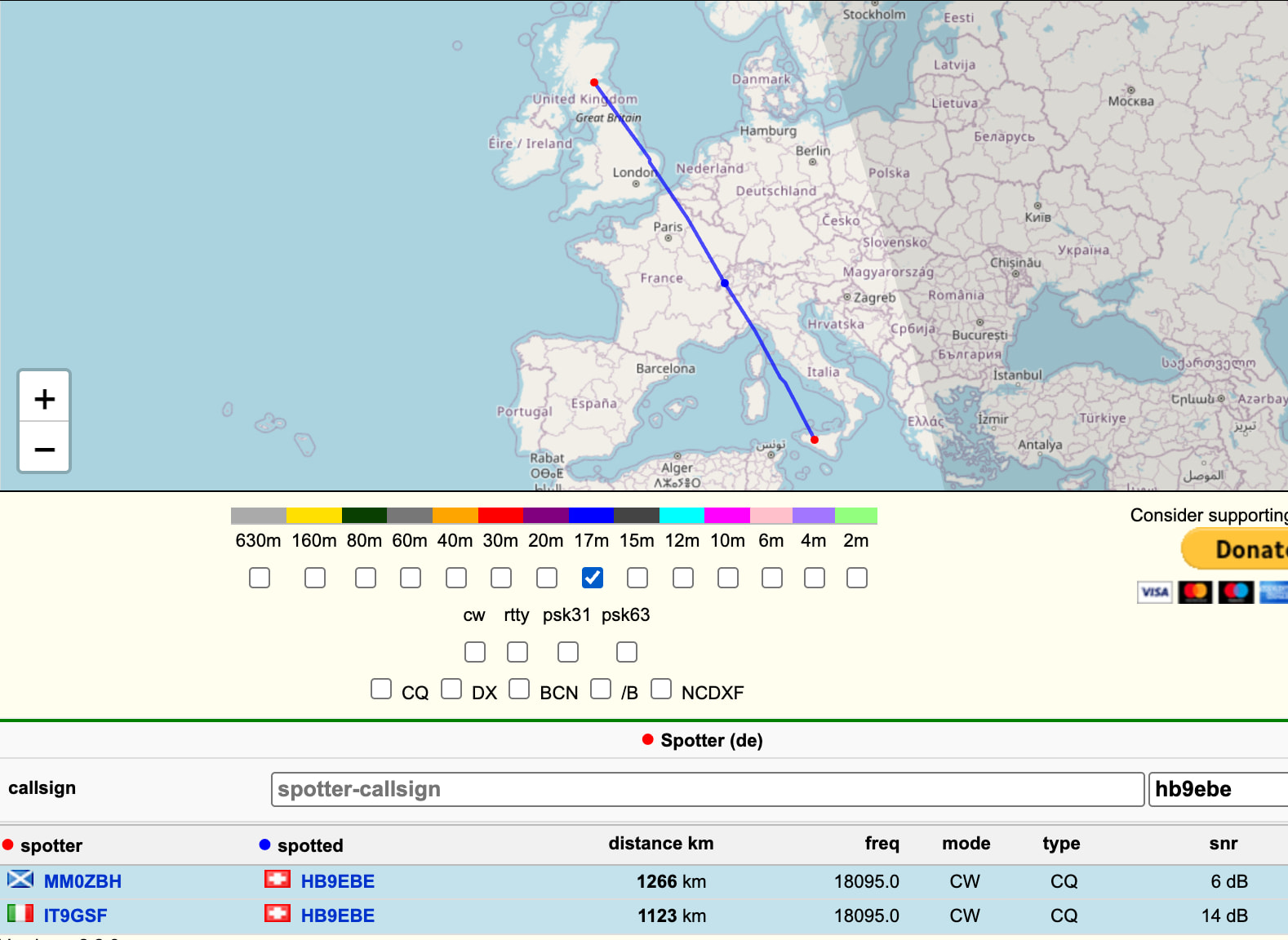
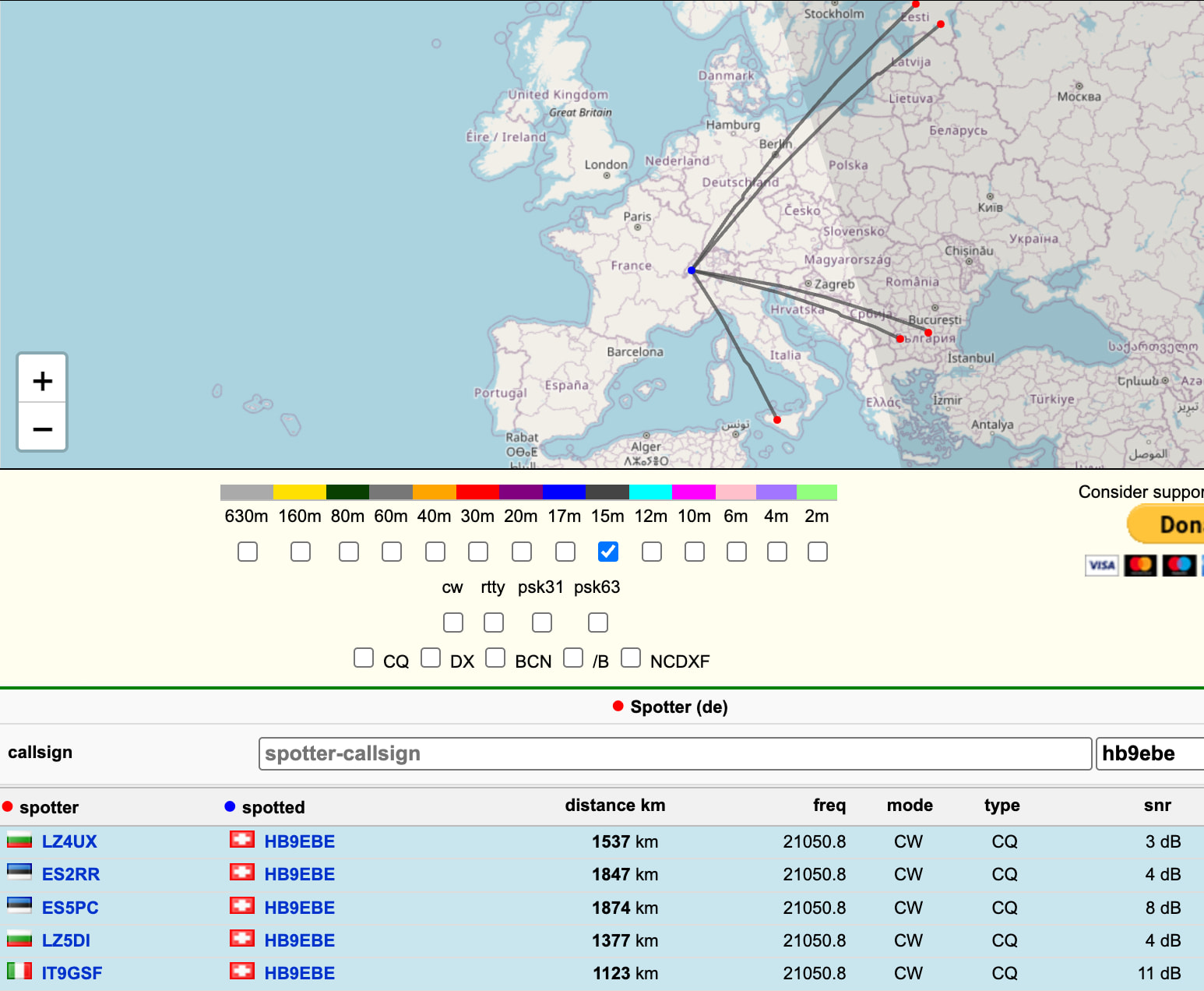
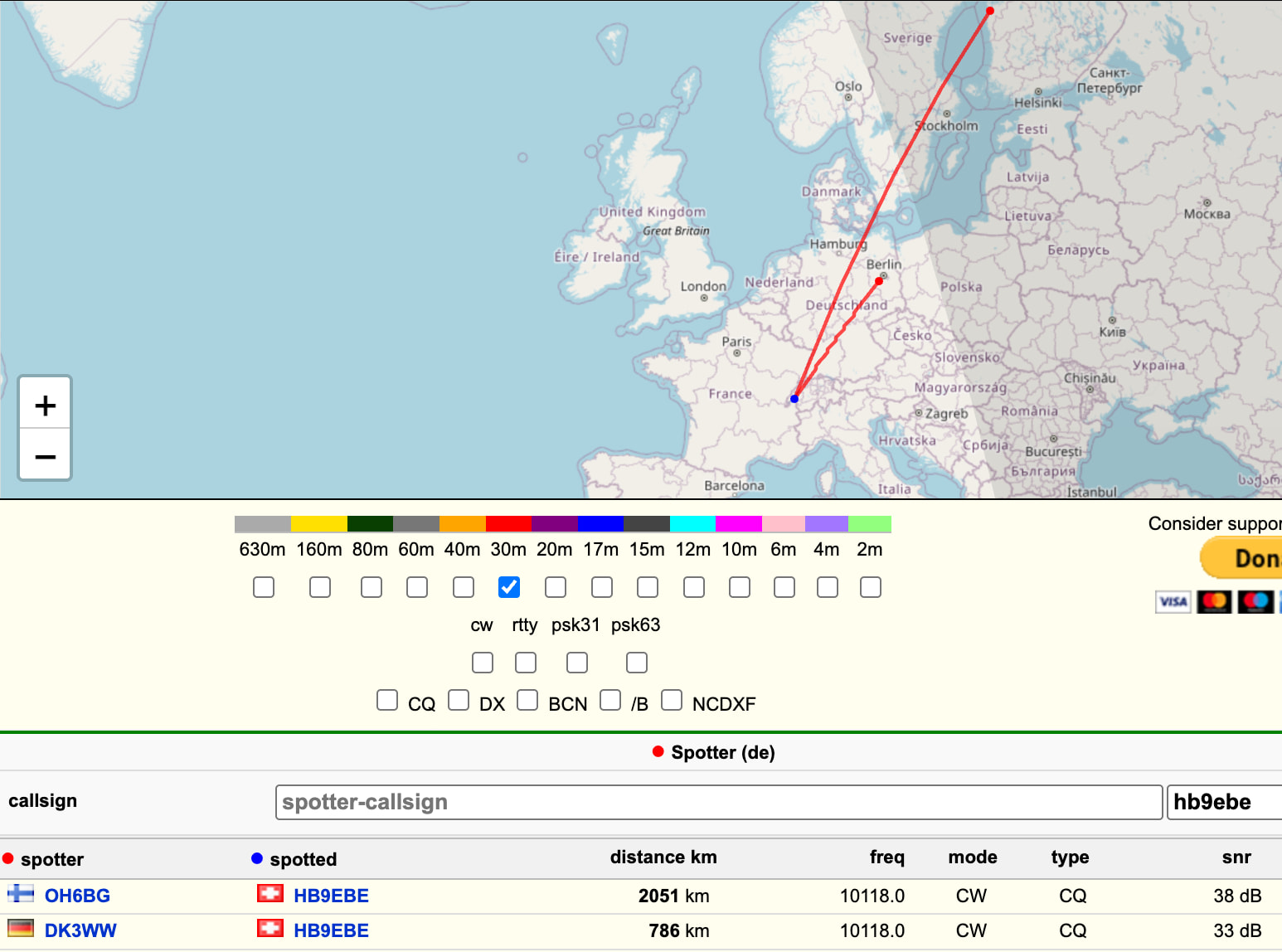
No RBN results for 40m, although I was heard in Slovenia, but not enough to make the SOTA contact. It’s a very lightweight, small and quick setup that does 4 bands with the QMX - for such a small whip quite OK.
6 Likes
And info on GitHub if you want to build yourself or get someone (@G7UFO) to add to their store for UK/EU ppl 
4 Likes
I didn’t know about this antenna. When I looked at N6ARA’s store, it led me to watch a series of three good videos about it. He couldn’t make any contacts on 40 meters and even went to Japan to solve the mystery, haha.
It reminds me of the Wonder Wand antenna, though.
5 Likes
Oh, I hadn’t realised the TinyGawant Kit was GPL’d. I’d been thinking about one of these.
Leave this with me, I’ll also reach out to Ara and check if they’re happy for me to do this.
4 Likes
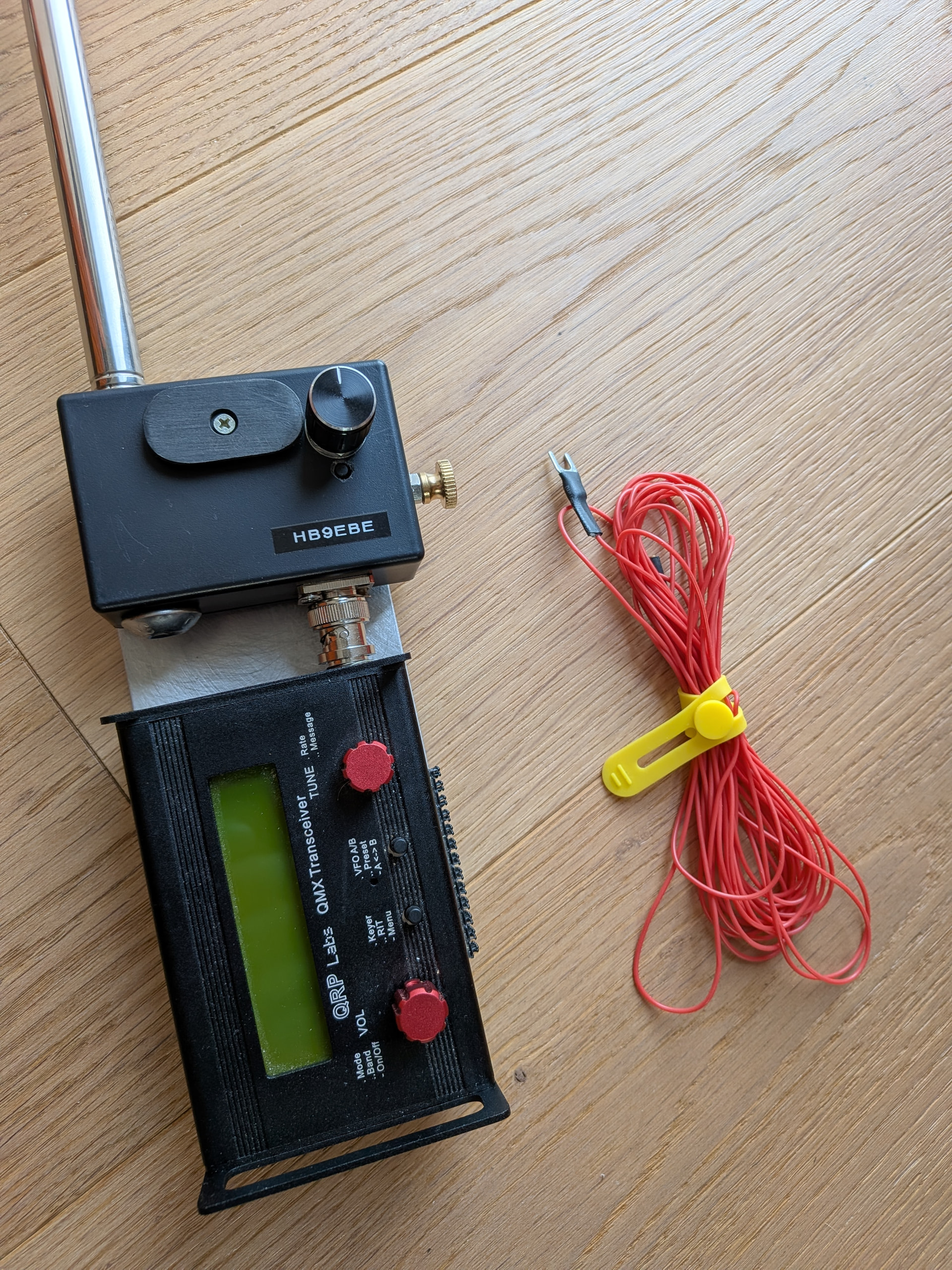
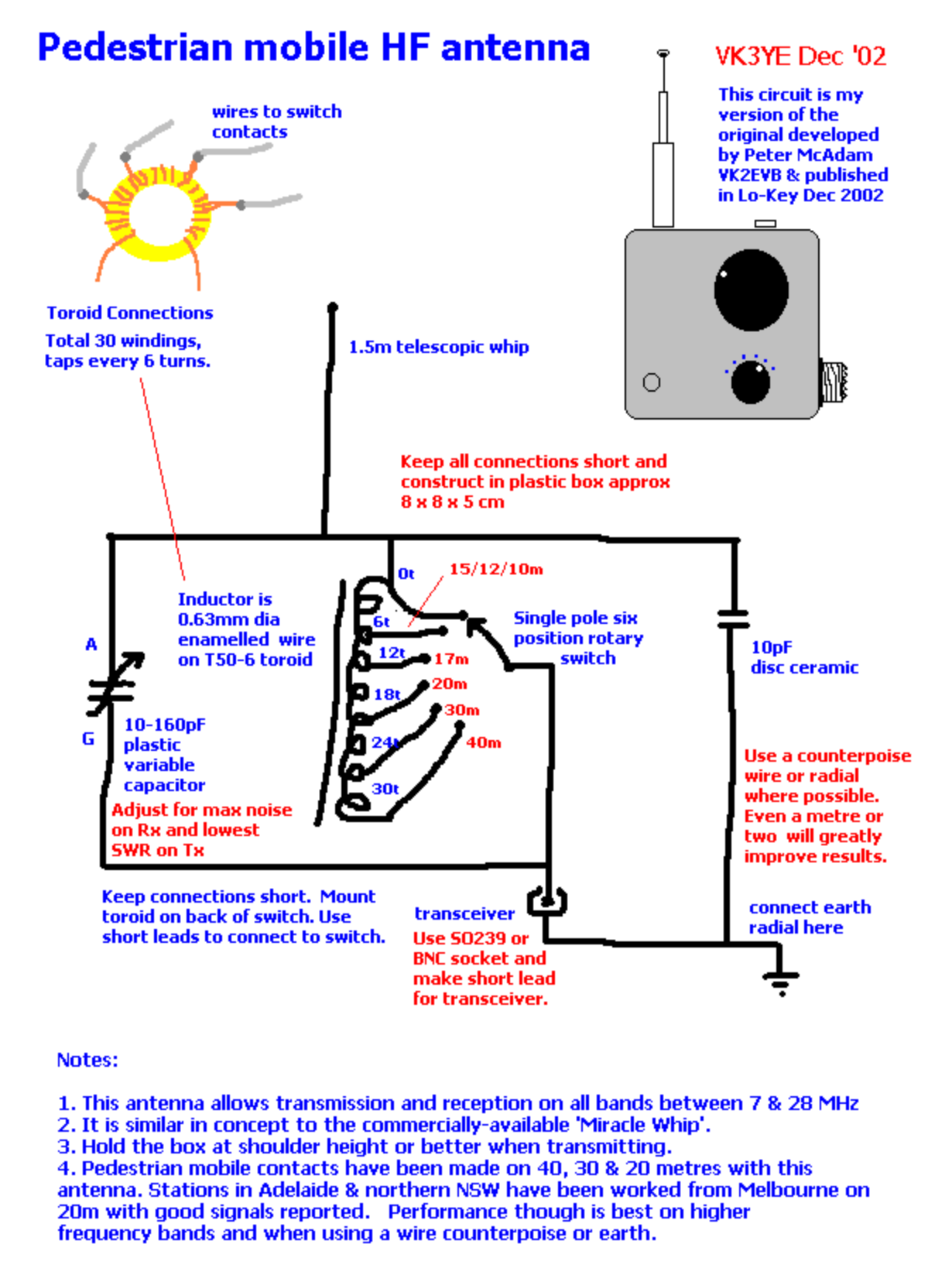
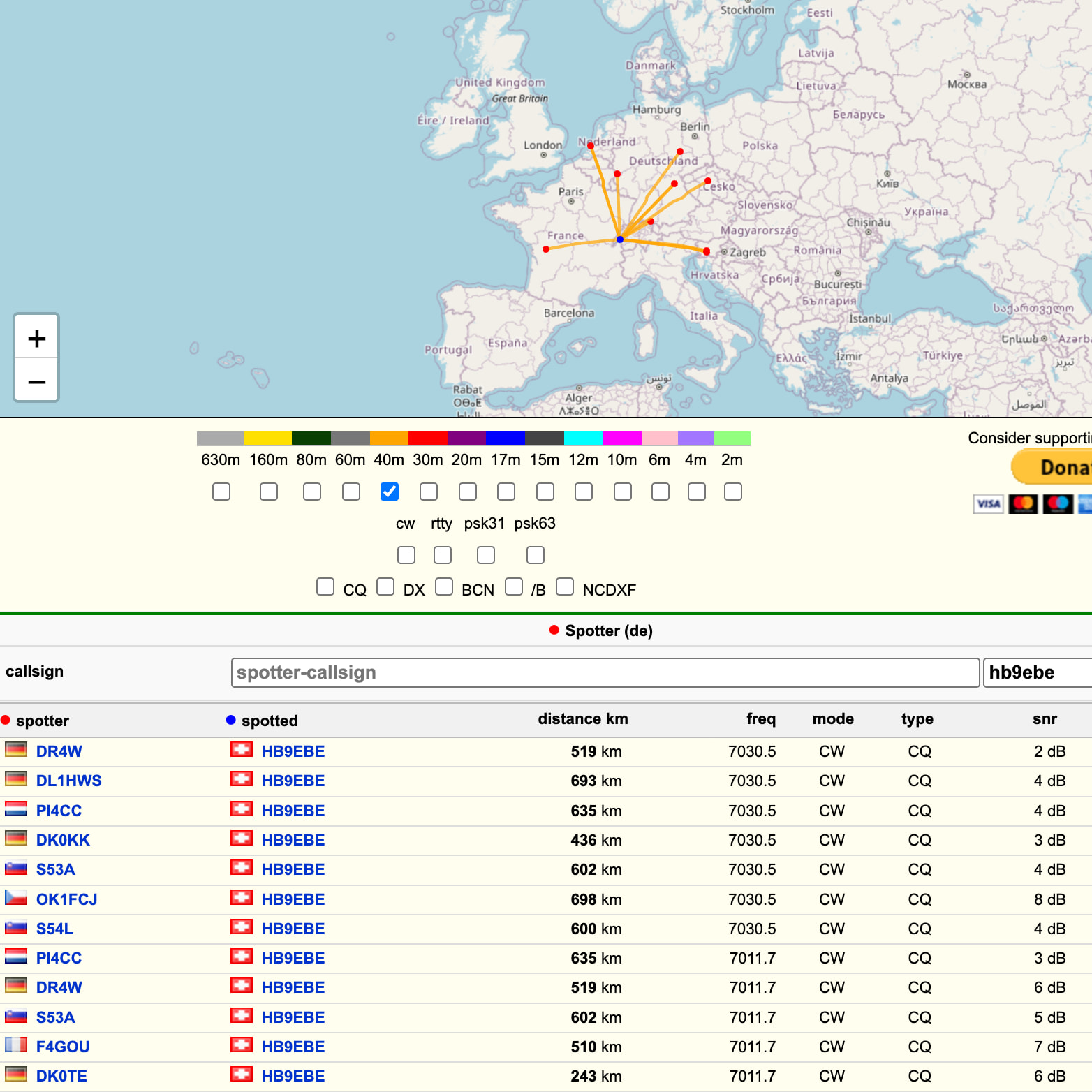
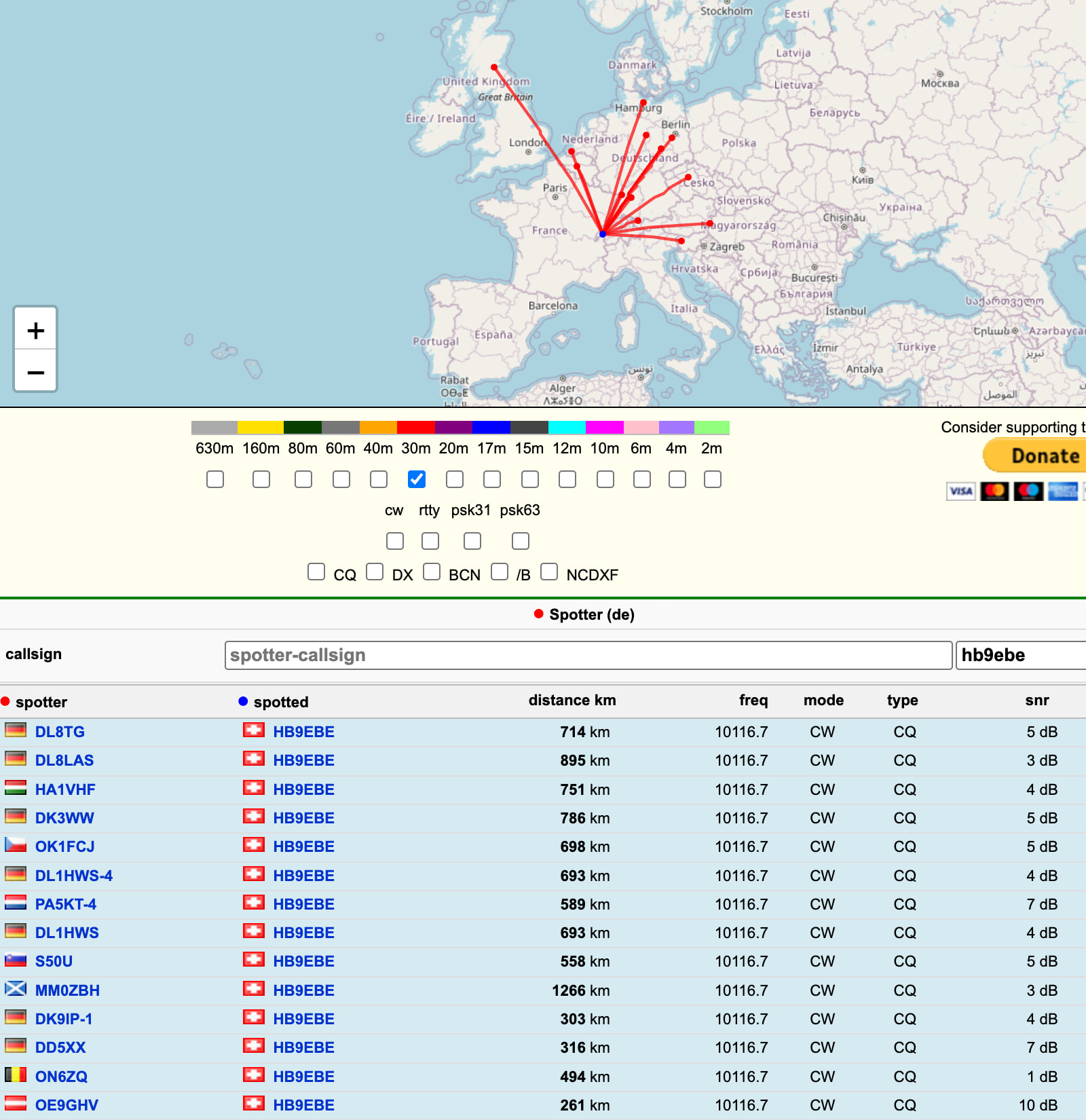
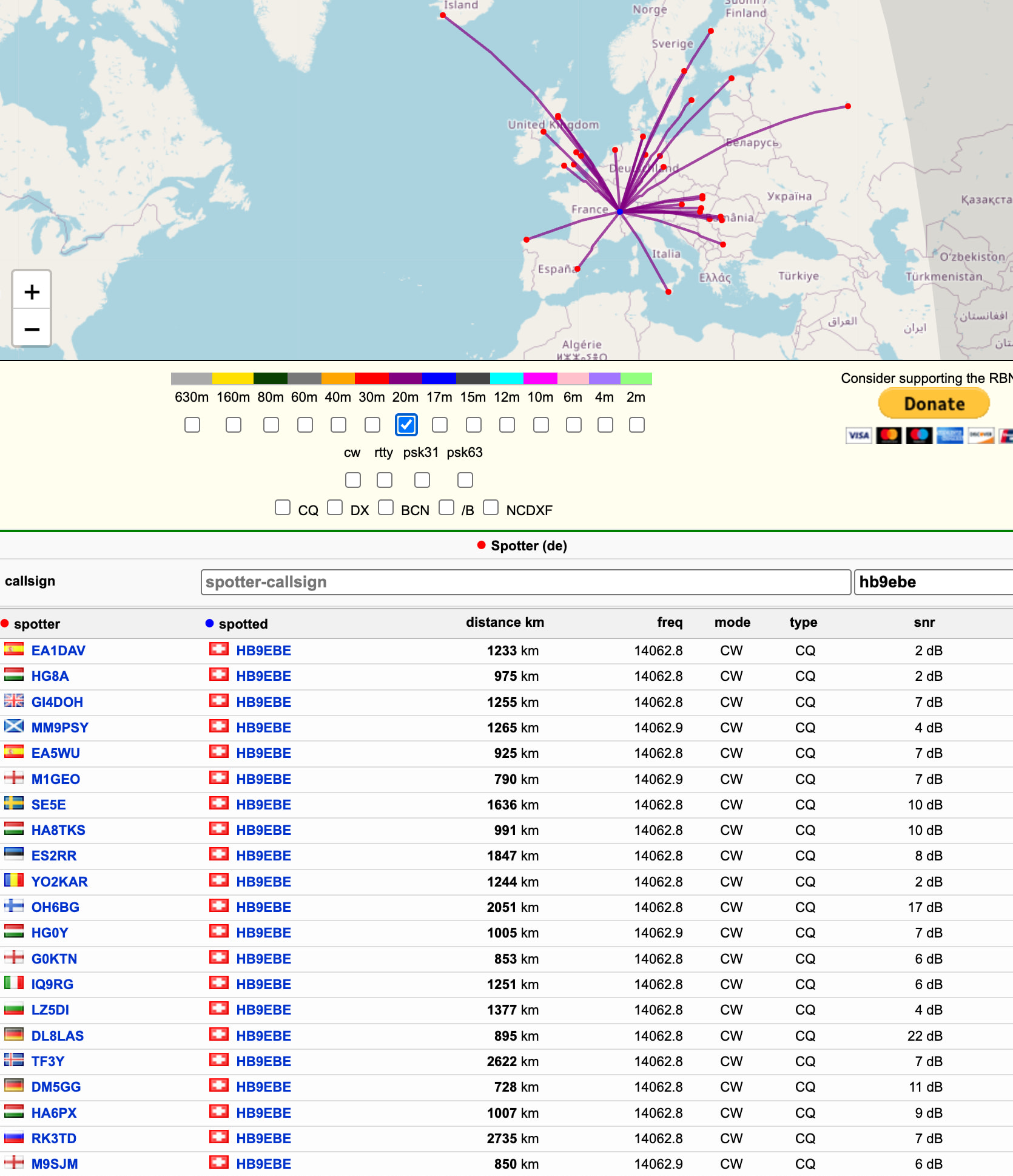
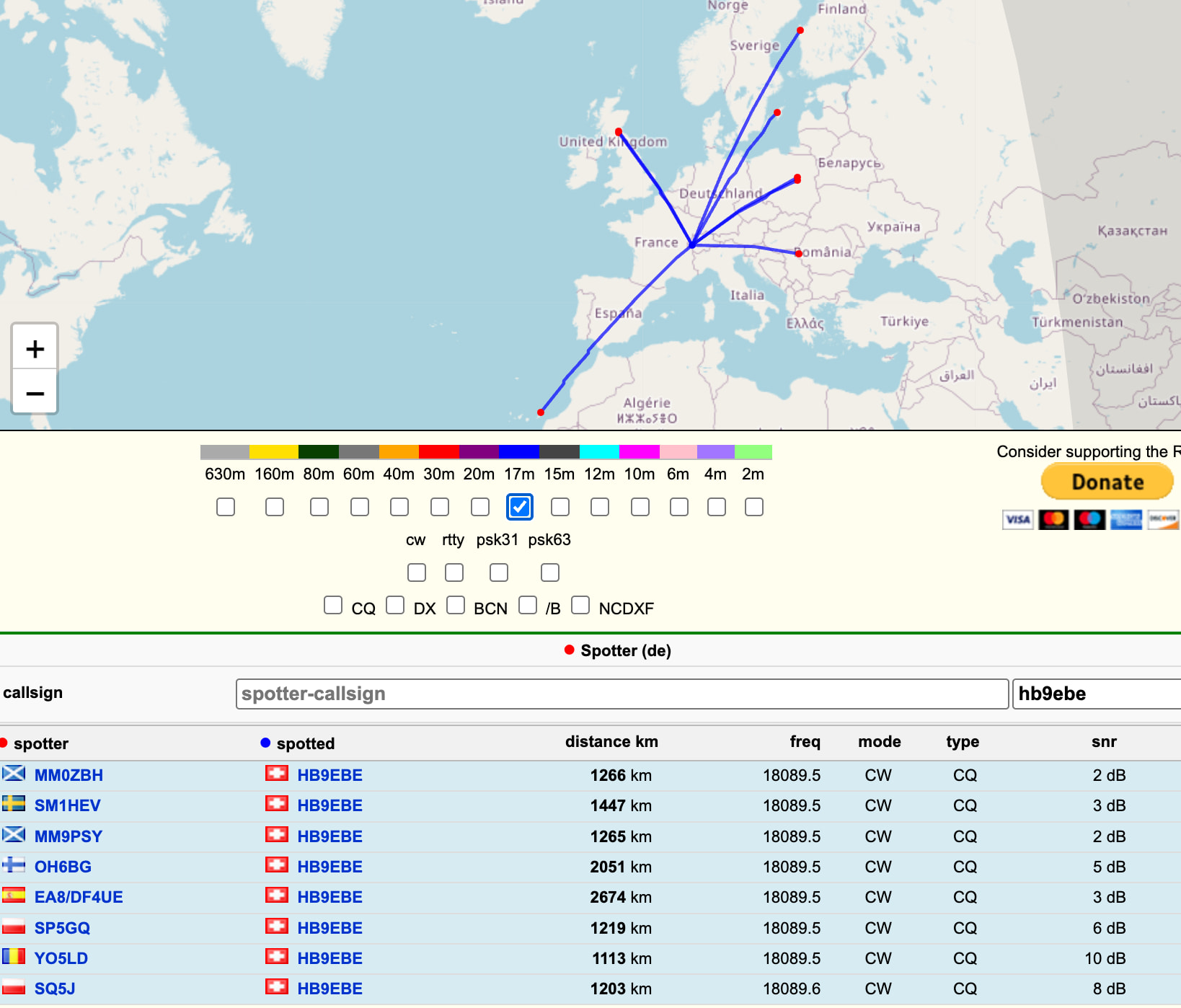
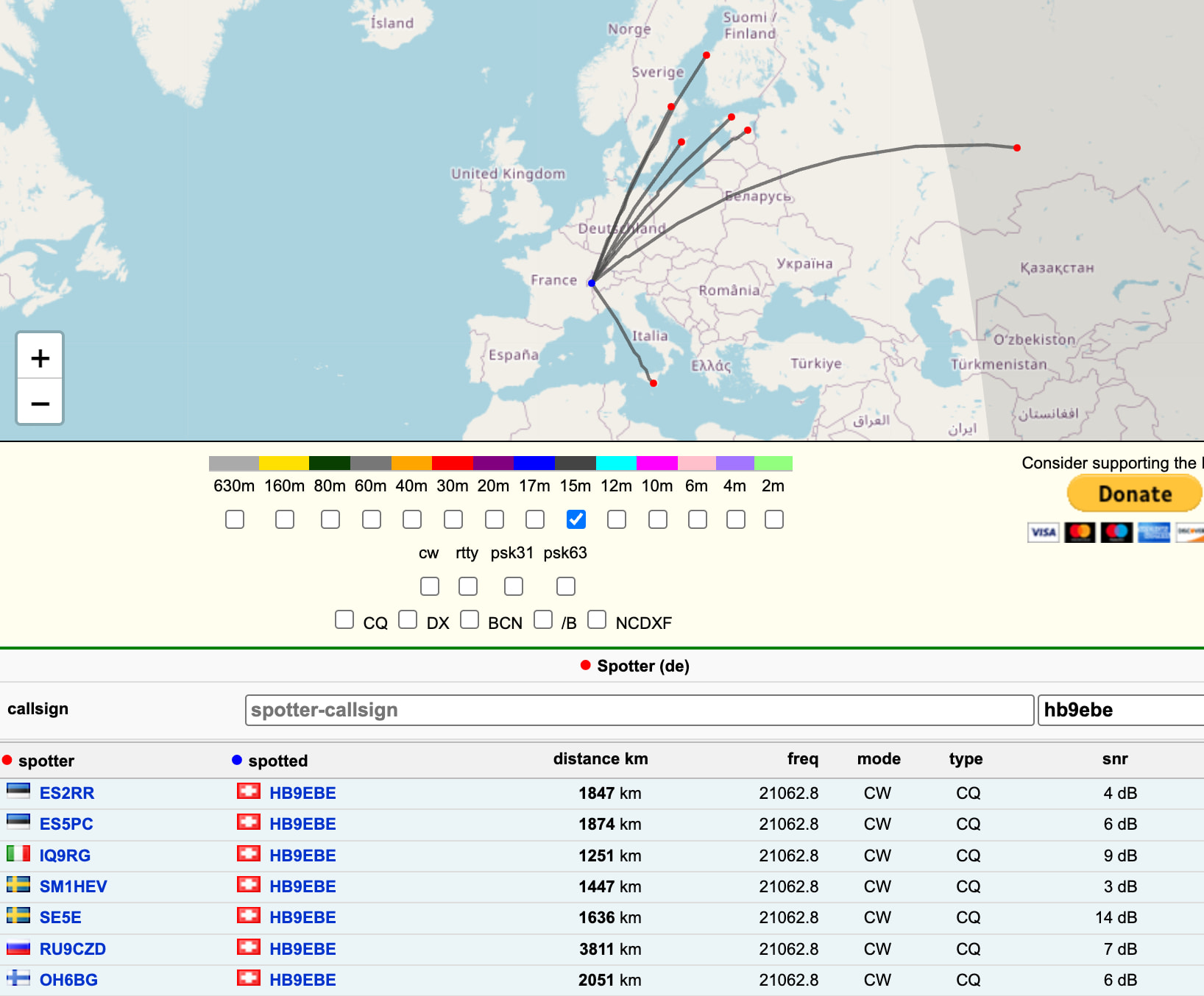
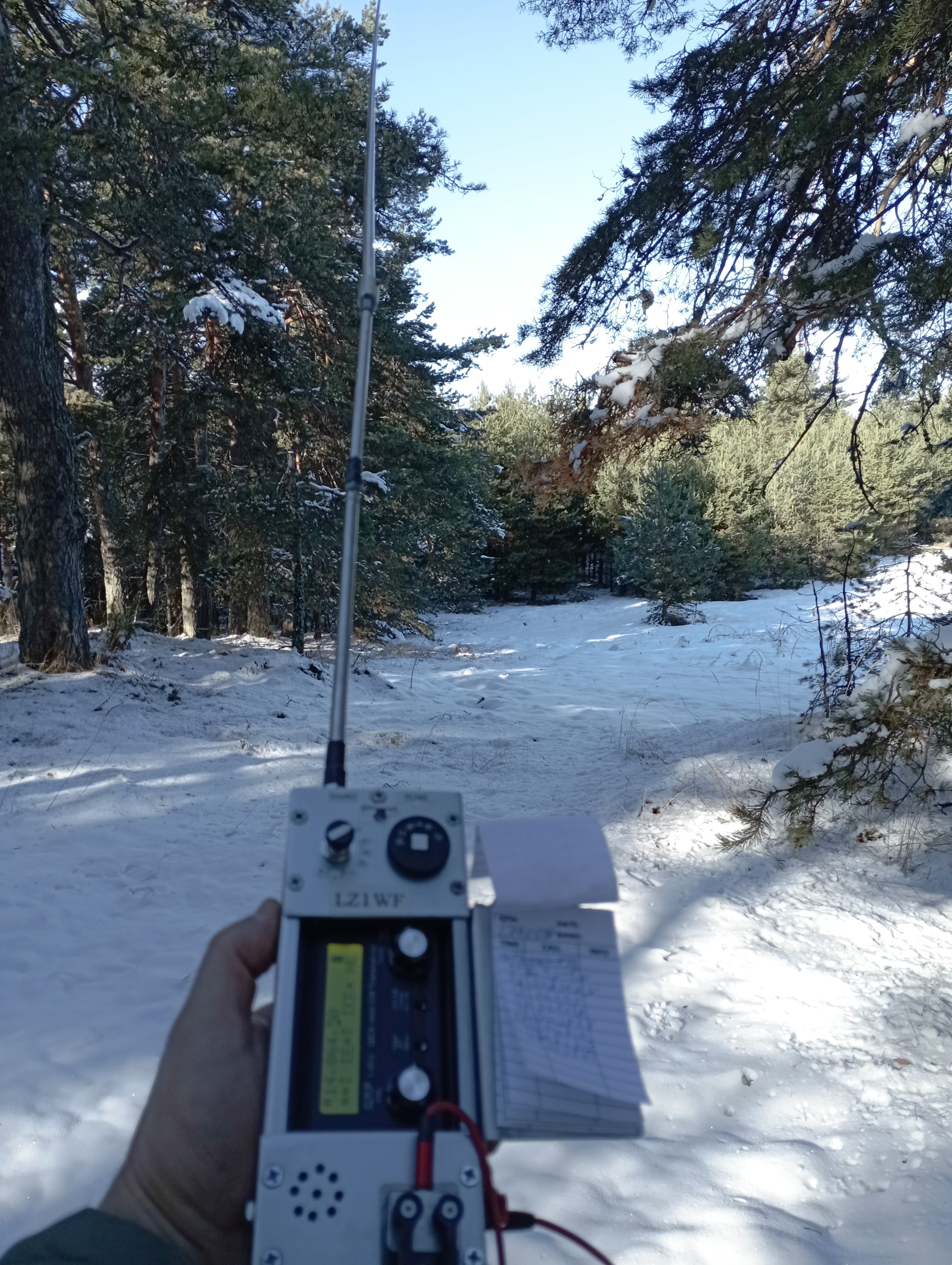
I wasn’t quite happy with the results of the tiny Gawant, although it’s workable on the higher bands. So I continued to look for a handheld antenna that’s set up in a minute, but has decent performance down to 40m. That’s when I came across Peter Parker’s pedestrian mobile antenna concept, matching through a simple tank circuit that is apparently quite efficient for small whips. I went for a 2.5m whip, 5m CP, which is still comfortable (just) to hold in the hand for a short activation. This time conditions where better SFI 141 and K 2. The RBN results were nice (calling for a minute or two), and I also managed to chase quite a few SOTA activators on different bands. Looks as if this is a keeper.
6 Likes
Well, I think we all know that very small whips are never miraculous, whatever the matching circuit…
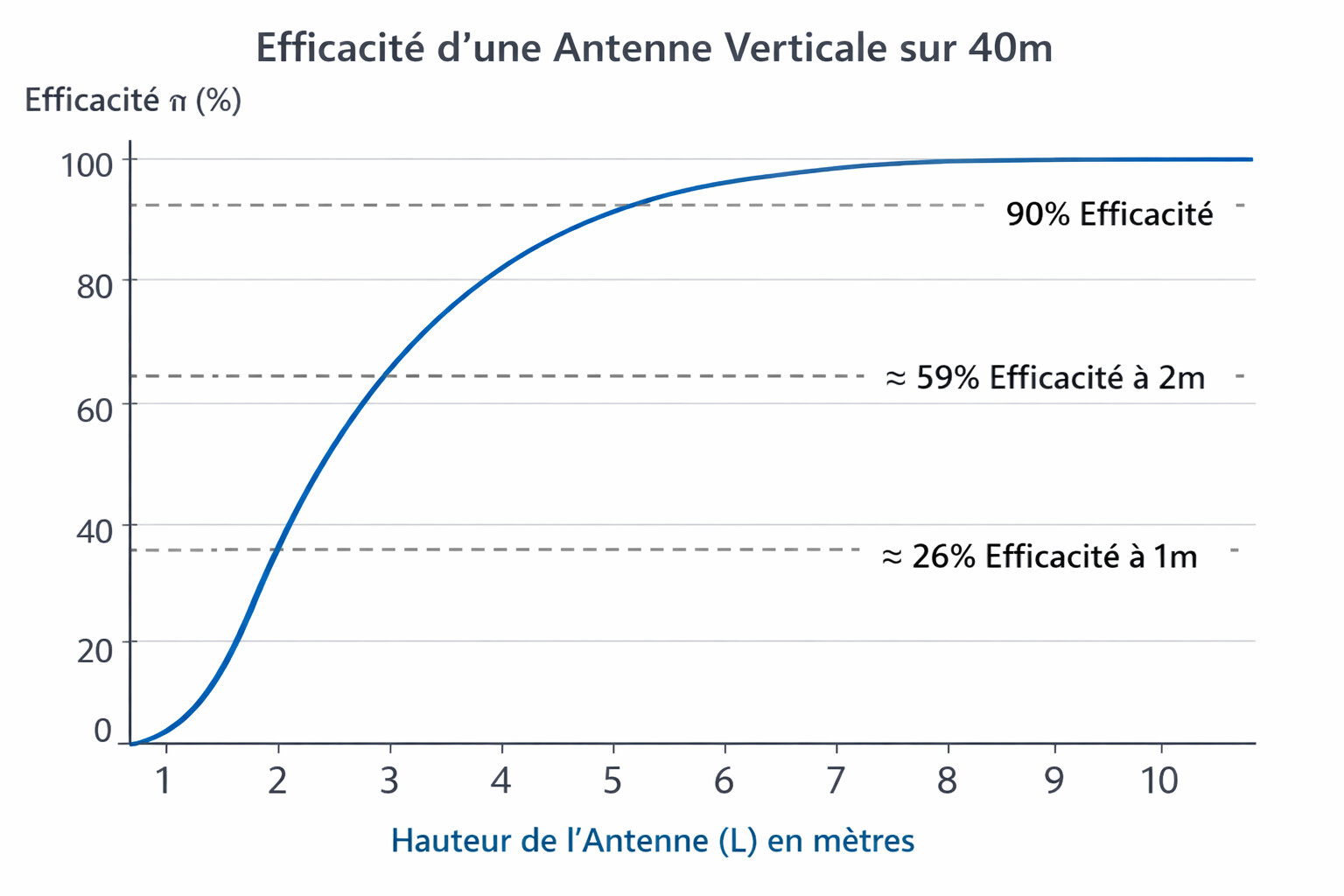
Chat GPT says that efficiency of a 1/4 wave antenna on 40m has this kind of behaviour, very sigmoidal:
2 Likes
Interesting Remy, that diagram shows well how going to 2.5m gets you much of additional radiation efficiency sought! Although the efficiency figures seem rather high. I’d be happy to get 10% for the whip, coil and CP together…. Your modelling seems to assume perfect matching with high Q and perfect ground with 0 resistance.
I asked it to use an ideal matching circuit. Which doesn’t exist. And indeed, with all the losses behind, the small whip might be down to a few percent of radiation efficiency 
Yes absolutely. Here is a model that allows for less than perfect conditions -for what it’s worth
https://claude.ai/public/artifacts/3f76a781-2269-459e-afbd-65e52764c43a
2 Likes
This is the third best news I’ve heard all year. It’ll move up to second if it happens!
This week we’ve a non-mover in the charts, and beats the record set by Bryan Adams (and Marti Pellow for that matter) it’s Yaesu feat ZZ Top with their number 1 hit “When I Find Some Xtals For My FT-202!” 

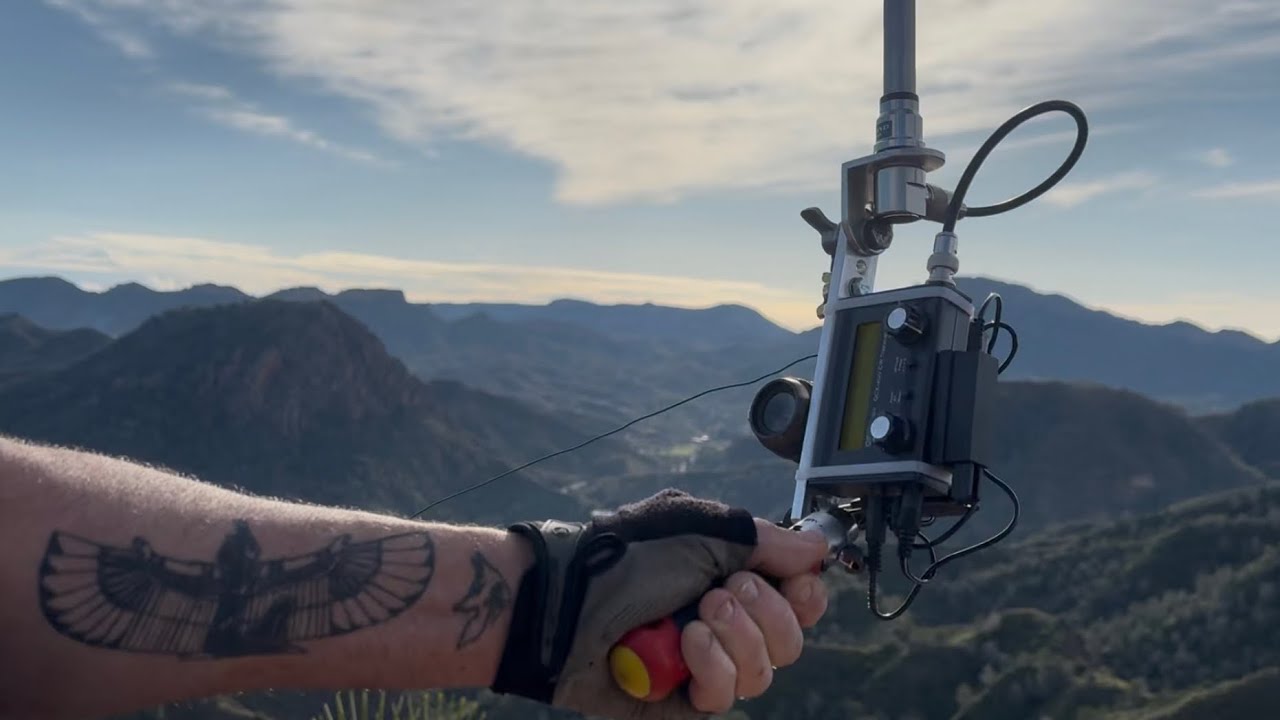
I’m following this guy on YT, maybe he could be insipiring for ultra portable HF setups:
4 Likes
So do I. Great videos indeed! I just find that his setups are a bit on the heavy side - because very nicely built 
Yes he is using metal / aluminium for his builds. Some kind of prototyping I guess. But he always tries new setups it’s enjoyable to watch.
1 Like
Knowing very well that the TinyGawant is not a super antenna, I couldn’t resist to make one, I had most of the parts in my inventory anyway. For those interested, I made a description with several pictures:
73,
Luc ON7DQ
6 Likes


