There are some similar posts in the reflector, but here I encourage you to put a picture of your portable rig (with everything you carry related to radio), and how much weight it has.
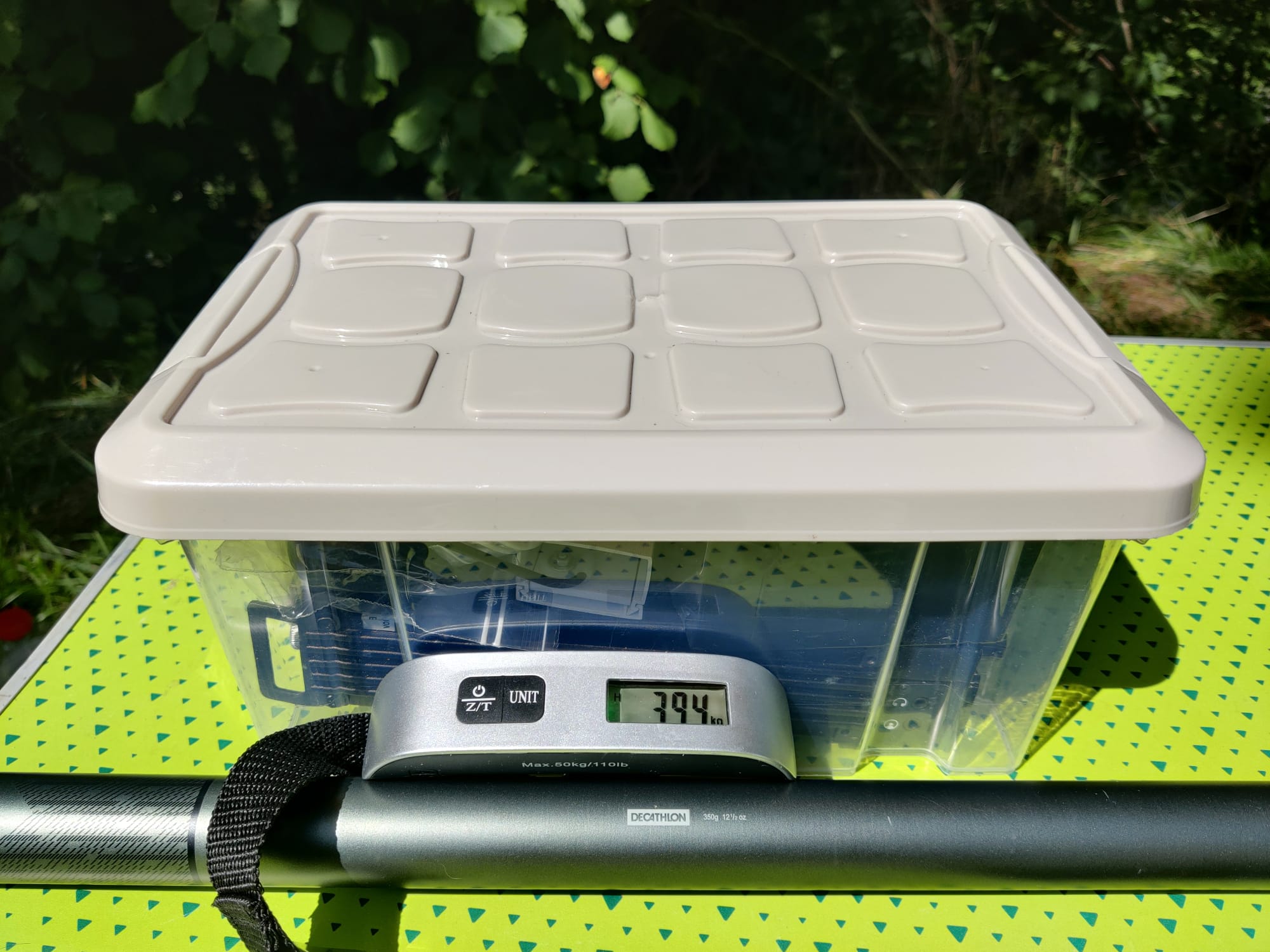
Consists of a G90, EFHW with QRP home made UNUN, DX-Wire UL cable for 40 to 10m, 6Ah LiFePo4, 5m fiber glass fishing rod, 2 straps, CW key, two 1m RG316 pigtails.
Weight: around 4kg
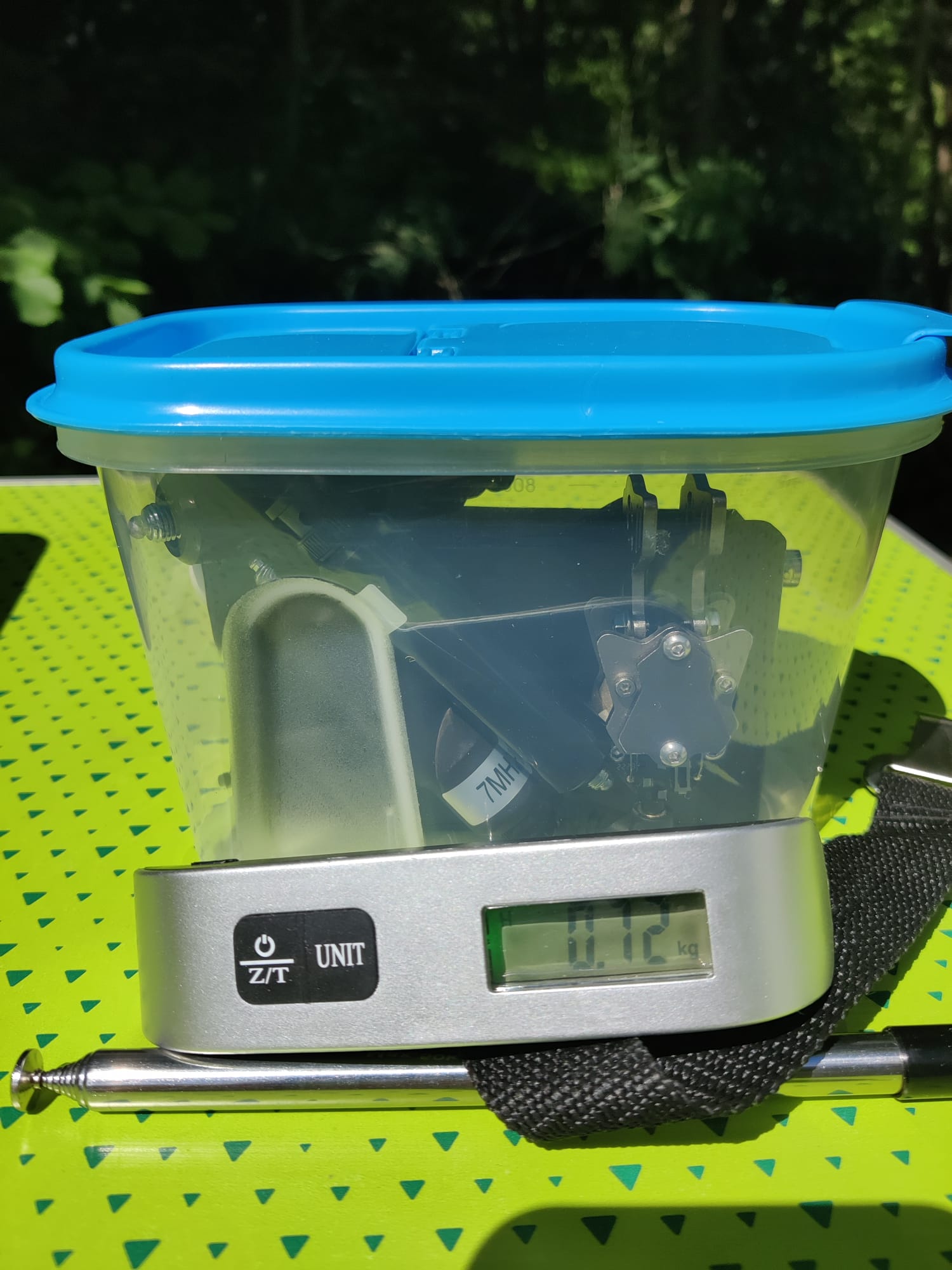
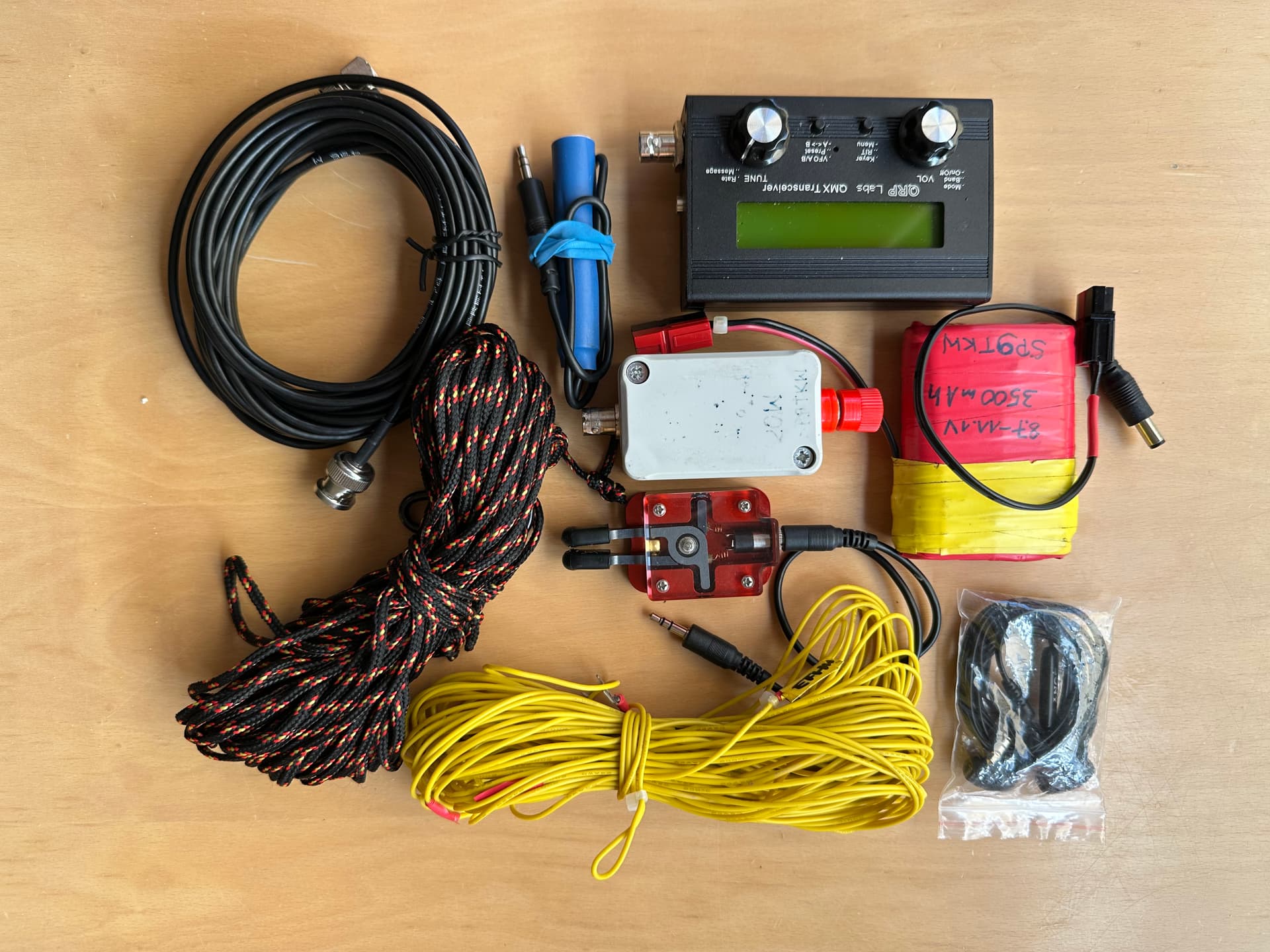
Consists of a QMX, battery pack (8xAA lithium for 12V), telescopic antenna with interchangable coils, counterpoise cable, CW key, hearphones.
Weight: around 750gr
I will go anywhere with my first setup and I’m 99.99% sure I will have a successful activation. With the second, I’m 97% sure I will activate, but there is a 3% chance of something happening (very bad propagation, broken antenna, antenna not tunning for whatever unimaginable reason, homebuilt QMX dying because [insert your reason here]).
My minimalist setup. QCX 20 & 30m, bushtenna copy @DL1CR as EFHW with a trap so as to have resonance on 20m and 30m, integrated Fuchs tuner with bridge and SWR indicator, integrated VK3IL pressure paddle, integrated LIPO 3S 450mAh, HF indicator LED. Homemade enclosure so as to save weight. Total weight 326g. Sometimes I also take a 4m carbon pole, 120g.
My radio kit plus other kit, (jacket, bothy bag, extra clothes, water etc.,) totals around 6kg to sometimes 10kg in winter. And that includes the rucksack.
Wow, hang on - are we in danger of going down the ‘my radio kit is lighter than yours’ contest as in previous ‘show and tell’ topics?
Is the most lightweight always better? Low weight becomes diminishing returns below a certain weight (except for those few activations where you are flying to your destination). Lightweight doesn’t always trump other factors like versatility (e.g. number of bands, modes), robustness, ease of deployment and small pack volume.
I would also like to see non-minimalist kit as well AND why your choice of some particular items, so that even we Die-Hards (who think our kit choice is pretty good) might learn something new.
My rucksack weighs in at about 14kg, with FT818, battery, 6m,10m,12m,17m,20m,40m(15m) link dipole, 2m flowerpot, 6m pole, spare clothes & hats, lunch, smidge, 1st aid kit and tent flysheet.
Probably too much stuff, but I have a personal goal to try all the bands that I have aerials for from each summit.
Show and tell is good and it helps to propagate ideas, and spark innovation.
I’m happy that I swapped out my FT-817 for a QMX on my recent bicycle trip, it meant that I could reduce the overall battery capacity carried and the radio was also significantly smaller and lighter. Gram counting might seem over the top, but grams do add up.
The interest and fun comes in identifying the benefits versus negatives and picking where on the scale you want to fall. It cost me a significant amount of cash to swap to a QMX station, but I did re-coup the outlay by selling off some Mountain Toppers and QCXs.
I haven’t weighed my lightweight setup recently, but it was sub 500g in the past. It was very handy throwing the MTR2B in the car last week, just in case there was an opportunity to activate a summit in Devon. The radio gear took up very little space in the car and I did successfully activate G/DC-001.
No need to pour water on other’s passions and interests.
This is the second time recently where you used a strawman argument against an opinion / suggestion of mine. I wonder if you even read my post carefully.
I am not against ‘show and tell’ topics. I welcome them and have contributed to them many times in the past
They do sometimes spark innovation, hence my suggestion above that folk state why they like items so we can learn
I’m not against minimalist configurations and have created more than one topic on that theme in the past based on my own success with them
I was asking that folk also tell us about their non-minimalist/ non-lowweight optimised configs in addition, not instead of
In summary I am not pouring cold water on other’s passions and interests
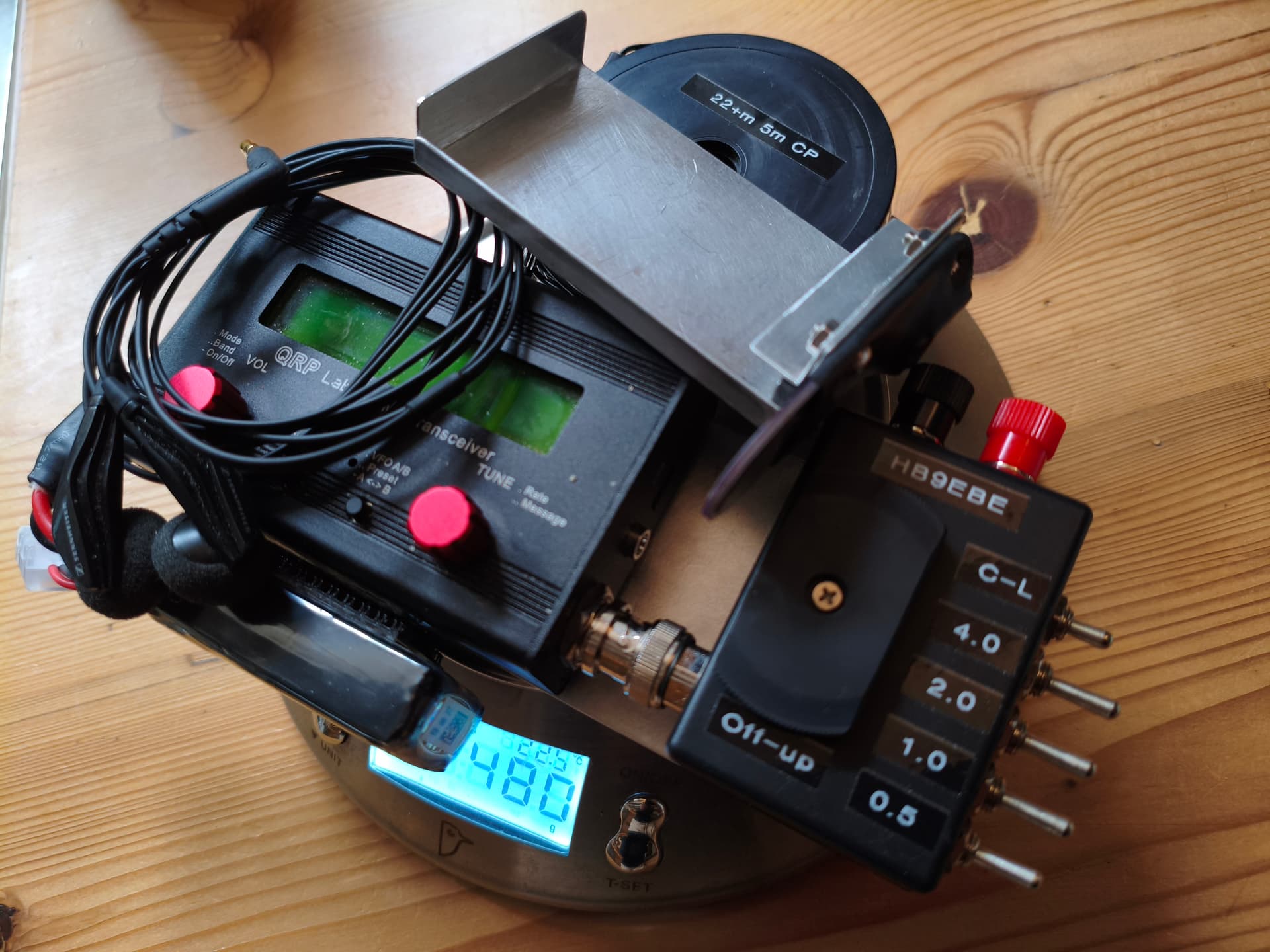
My max version, 5 bands. QMX mid band, 650 mAh LiPo, L-match, pressure paddle with phone holder, and 22m fishing steel wire (indestructible, keeps straight, and weighs (almost) nothing).
Should add, I do /p only as an add on to my hikes; often non SOTA areas. Explains why I’m not prepared to carry a lot just to get on the air…
True. To stop the weight on my back in my rucksack from pulling me over backwards I balance it with excessive lard around my waist. Works for me, YMMV
I can tell I no longer take an 817 now I have a KX2 as the bag feels lighter. It’s noticeable when the 705 goes in instead that bag seems a lot heavier but that often is accompanied by uWave transverters too. It isn’t really that much heavier but it’s noticeable.
Although I discovered SOTA only in 2017, I’ve been doing /P for 35 years from Scottish Central Lowlands hills and elsewhere with a succession of QRP monobanders (FT290, MFJ HF CW, etc) then QRP multi-banders (HB1, FT817) and finally (QRO=10W) KX2.
I have many radio kit configurations and antennas for different types of activation, e.g.
VHF FM only (2m HT, RH770)
VHF CW/SSB (FT817, 2m 4-el Yagi, pole)
6m CW/SSB (FT817, 6m flowerpot, pole)
HF CW/SSB (KX2, paddles, mic, etc with appropriate antenna: 80/60m LD, 60/40/30/20m LD, 40/30/20m or 40/20/10m EFHW, or Cha MPAS Lite 40-10m vertical.
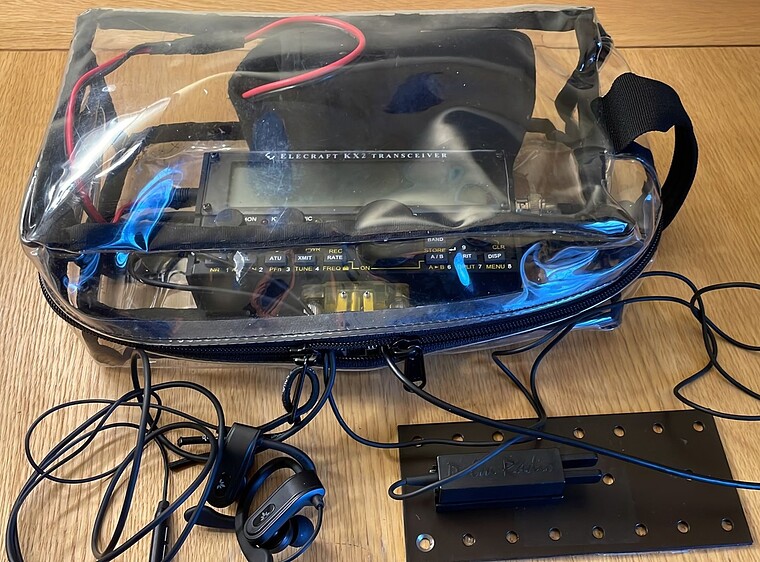
I usually carry the KX2 [in homemade bubble-wrap pouch] & battery, paddles, etc inside a large transparent toilet bag. If I didn’t take a tarp and it rains unexpectedly, the toilet bag (laying on its side) also serves as a rig shelter whilst I’m QRV.
I occasionally do a minimalist HF configuration, which is described in detail here …
You don’t need something until you need it. Some of us feel more comfortable with more redundancy in our kit, others less so. I’ve rarely had a failed activation due to missing or defective kit [Once I left my packed rucksack at home and didn’t discover that until parked for the walk]. Over the years I’ve honed my redundancy to:-
separate radios for VHF (FT1D 2m/70cm FM HT) and HF (KX2) in case no VHF take-off (G/LD has a few) or a solar flare/SID kills HF
external & internal KX2 batteries
external (Palm Pico) and attached KX2 twin paddles
spare pencil
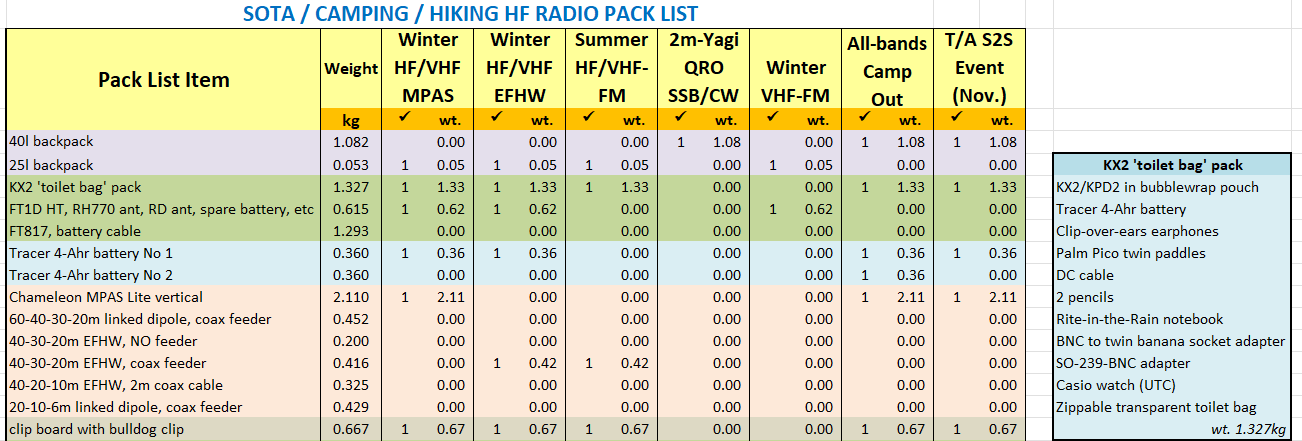
I’ve got all the configuration weights in an Excel spreadsheet [which I use to see where the weight is coming from, and what if anything to swap out],
Part of the spreadsheet - NB: KX2 bag & contents on R.H.S., wt. 1.3kg
I’m not quoting equipment weights here as I always have extra things like 1-3 plastic winders on the wire antennas for speed of deployment, padding & ‘SOTAbeams’ coloured bags [for easy ID in the long grass] or extra padding or different size / coloured dry bags for different items [for easy ID and wx protection], so the true carry weight is always more than the weight of the bare equipment on my kitchen scales.
I usually take the basic setup listed above with the link dipole etc. But have on a couple of occasions taken a “small” footprint hf antenna SPX100 loaded whip. It sat on a ledge on Stac Pollaidh last year with the counterpoise wires hanging over the edge ! It was surprisingly effective on 20m. It was less so on 40m on Arthur’s seat this year but warrants a bit more experimentation . The weight works out about the same but I don’t need the 6m pole just a short 3m one for the 2m flowerpot antenna.
I bought it in France at Decathlon, 4m, carbon, around 20 Euros. Just tried to find it on the site, but it doesn’t seem listed there I’m afraid.
It may be easier for you anyway to buy from Ali. They have travel carbon rods with a similar low weight. You need to go for 5.5m to get around 4m usable height. The one I have isn’t as nice as the Decathlon one, but works equally well.
Fwiw, I also have the 6m sturdy mast, but for my use it’s too heavy for hikes. I find that anything that gets the wire a bit in the air is good enough for reliable contacts.
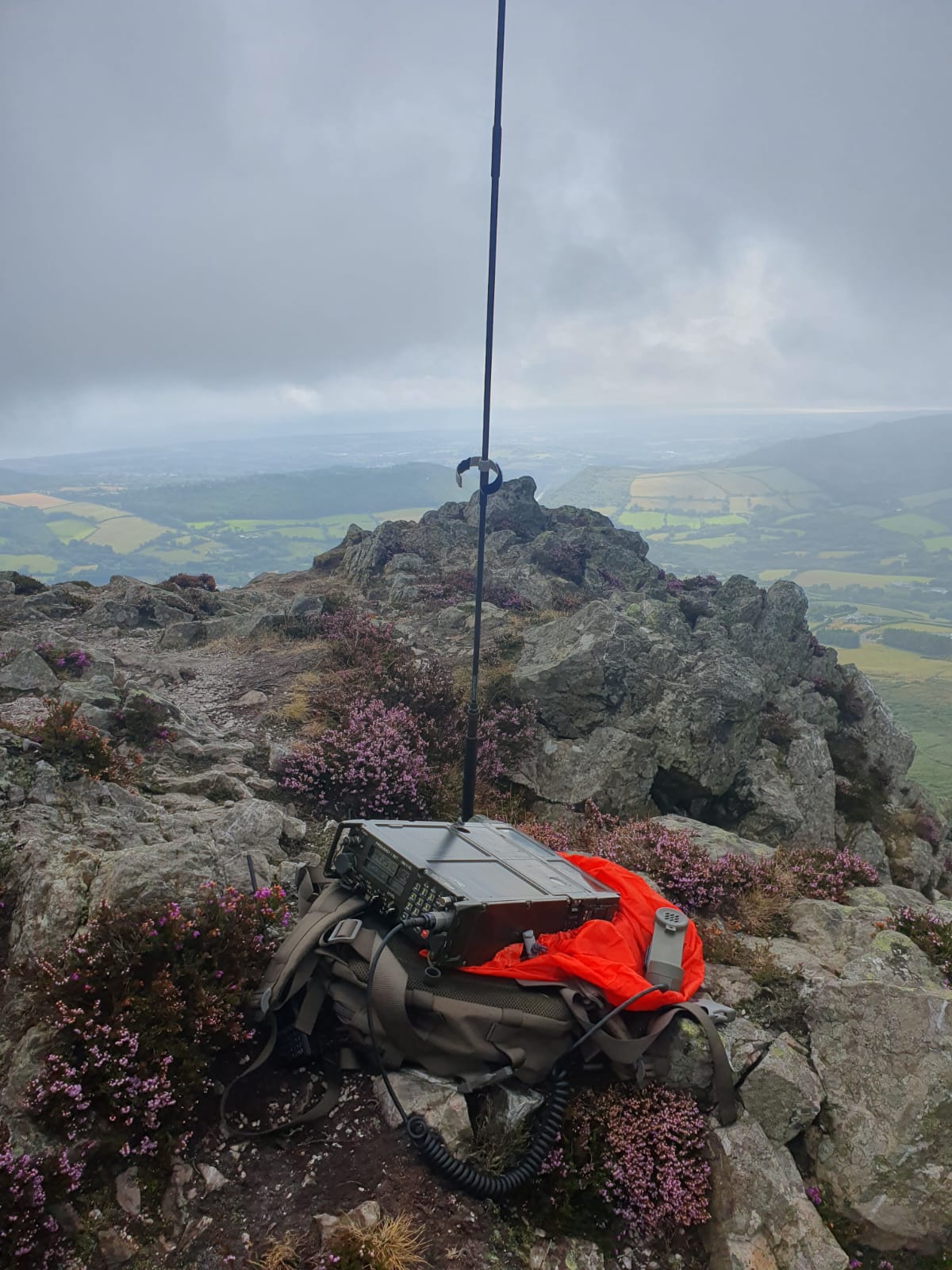
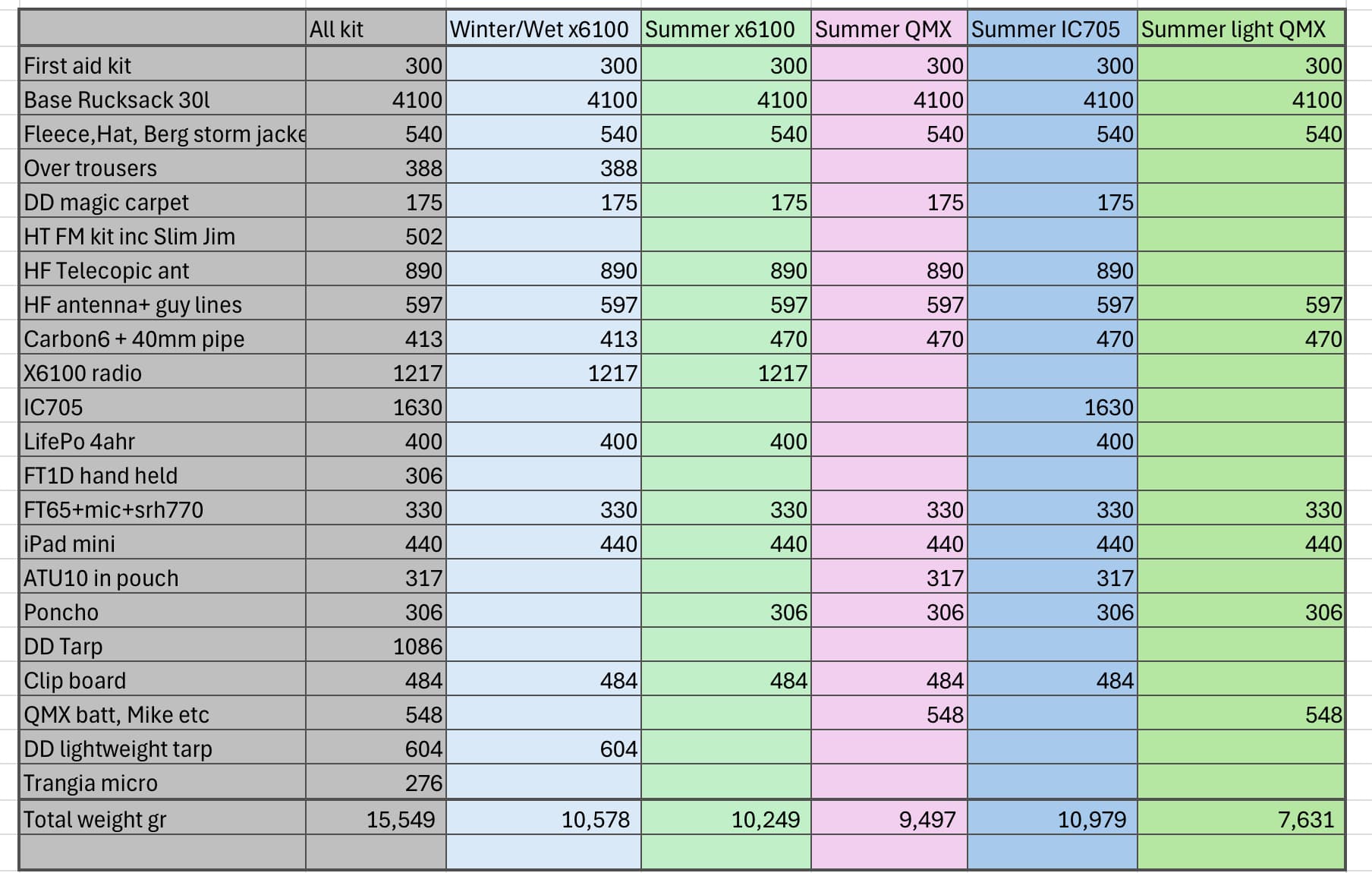
I have pondered over the weight of different setups and tried to assess the benefit vs weight between, x6100, ic705, and QMX.
I would run much lighter for a mountain bike trip, but for hiking I use this excel table.
Base rucksack includes things like compass, torch, gps, Garmin Inreach, orange plastic survival bag, whistle, etc, etc.