CQ 270 CW SSB Gang! - Cool Kids Sip from the Hour Glass? (Part 2)

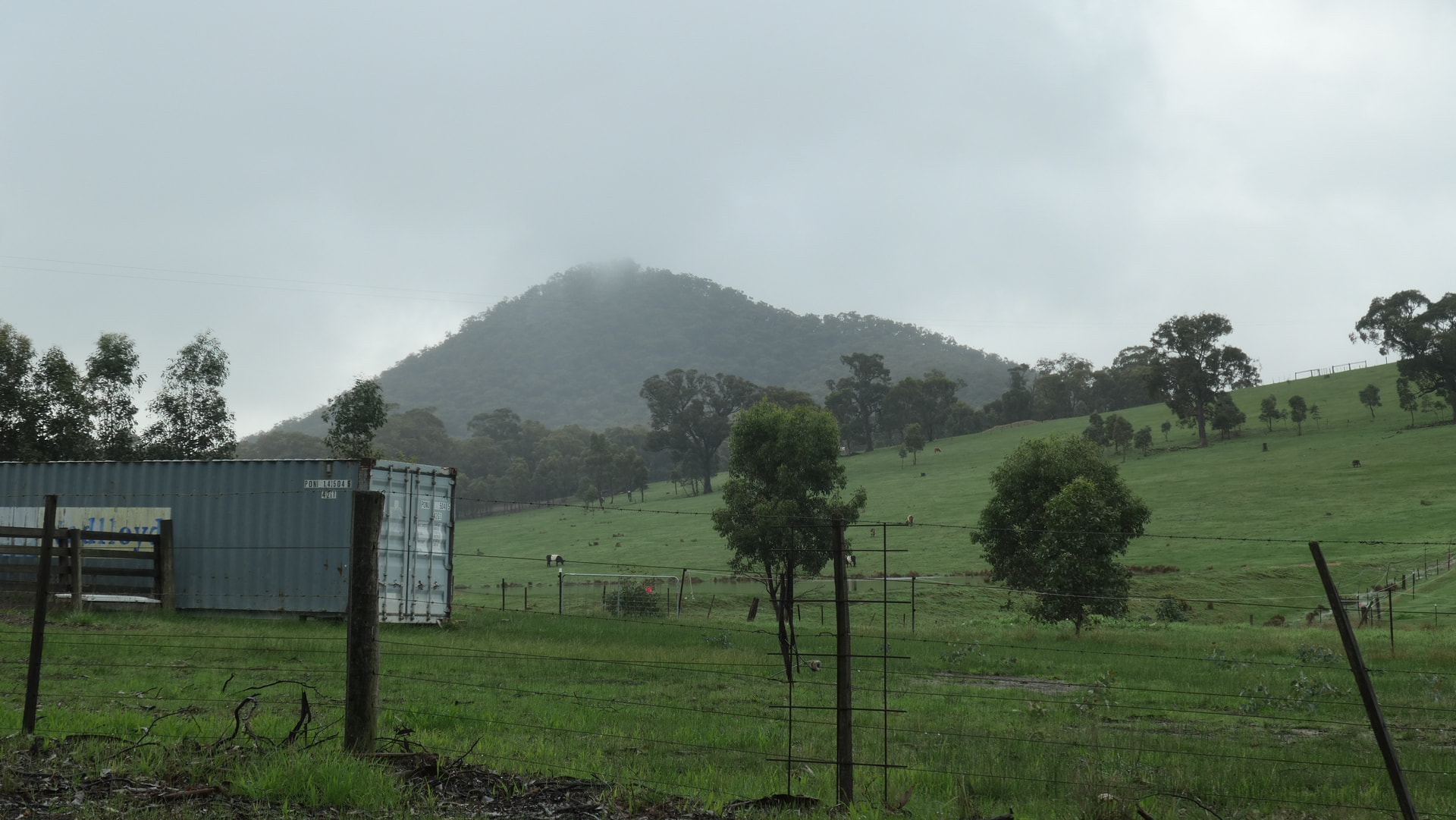
Saturday 13 June 2026 was a miserable sort of day. Although the weather looked fine at home, my planned scramble up VK3/VT-040, Spion Kopje, was abandoned due to strong gusty winds at the trailhead.
As an alternative I headed southeast about 80 km to VK3/VT-046 Mt Tassie. I have activated Mt Tassie on four previous occasions and, as a drive-up summit, it offers little challenge.
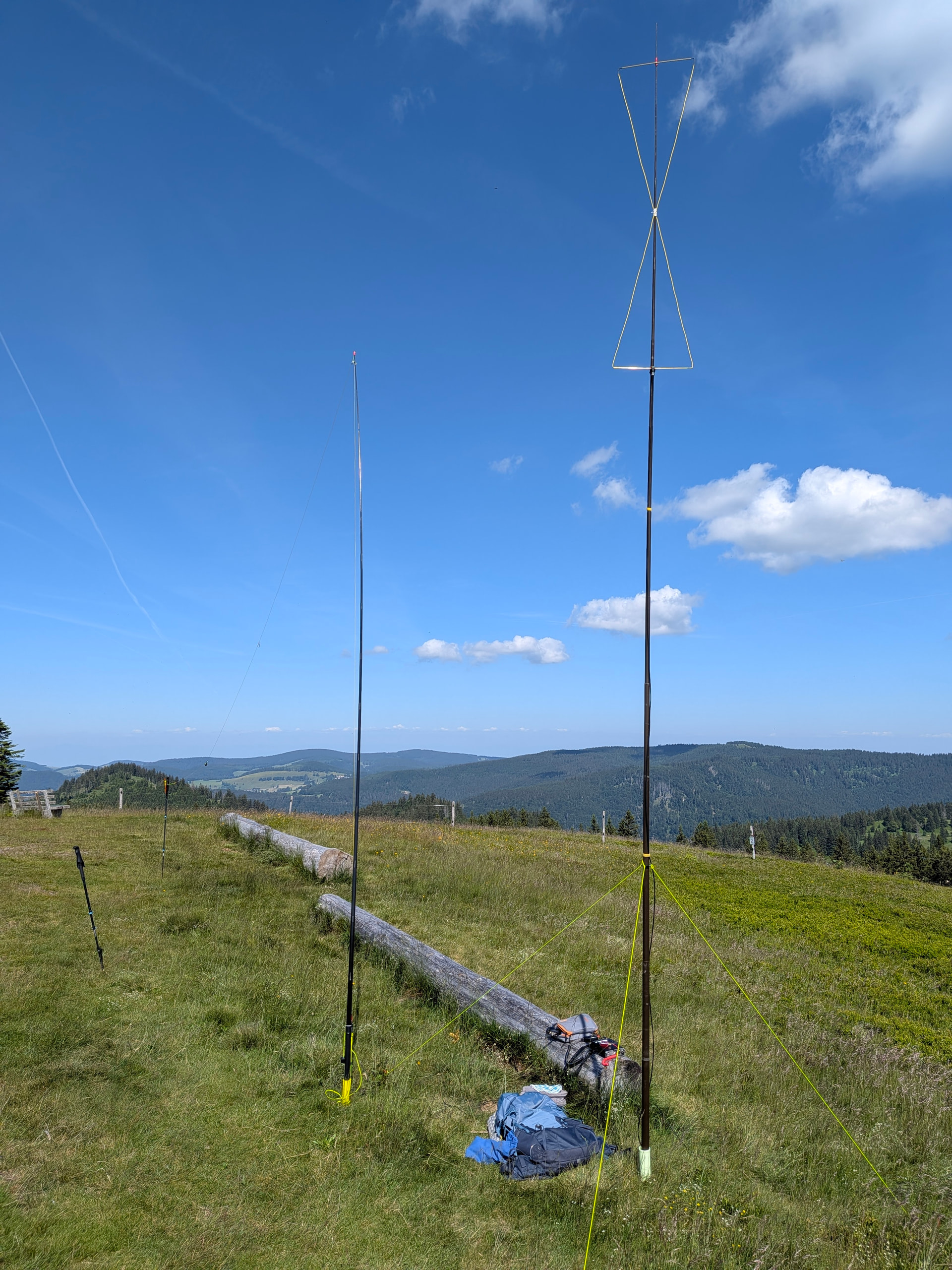
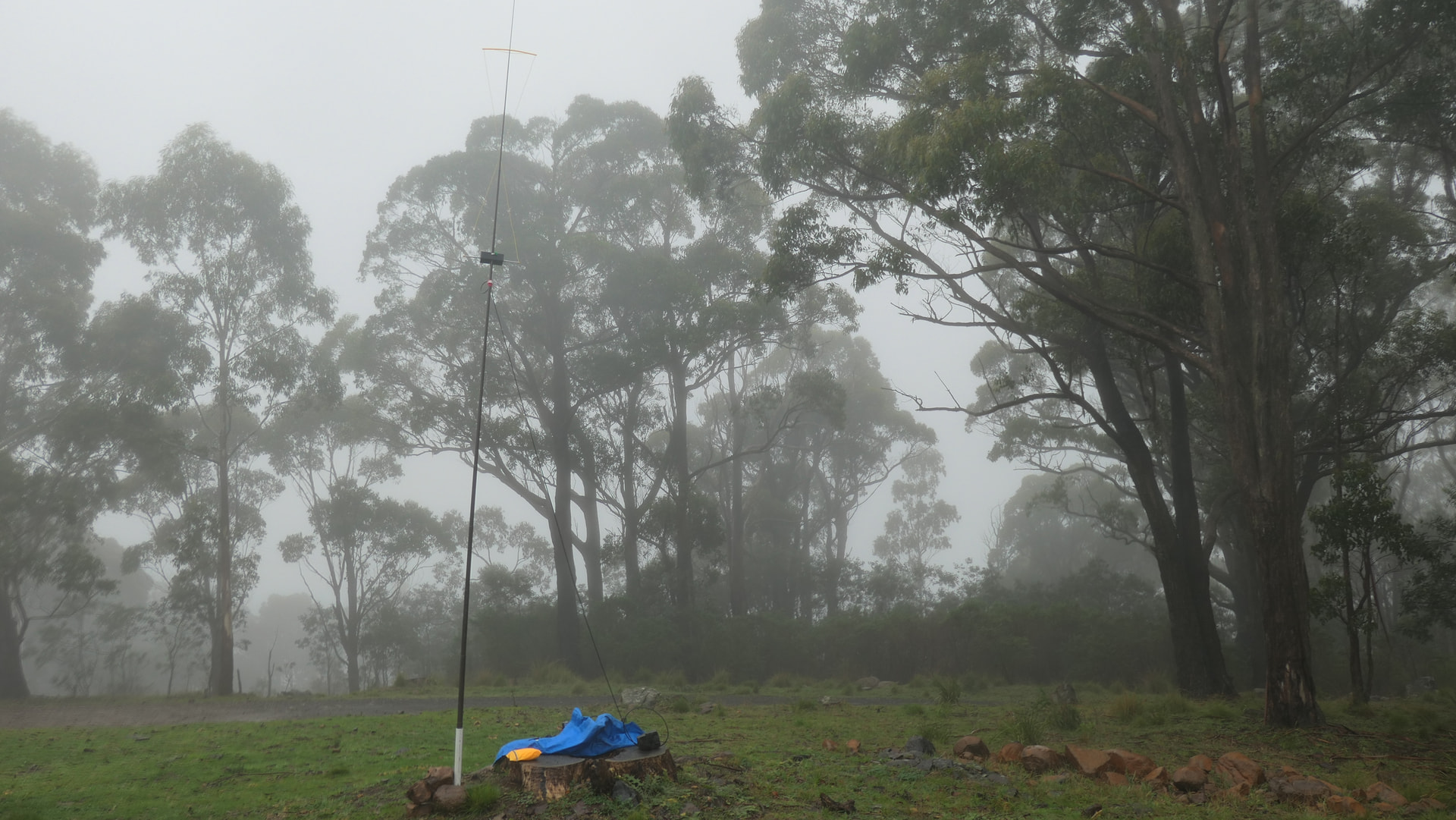
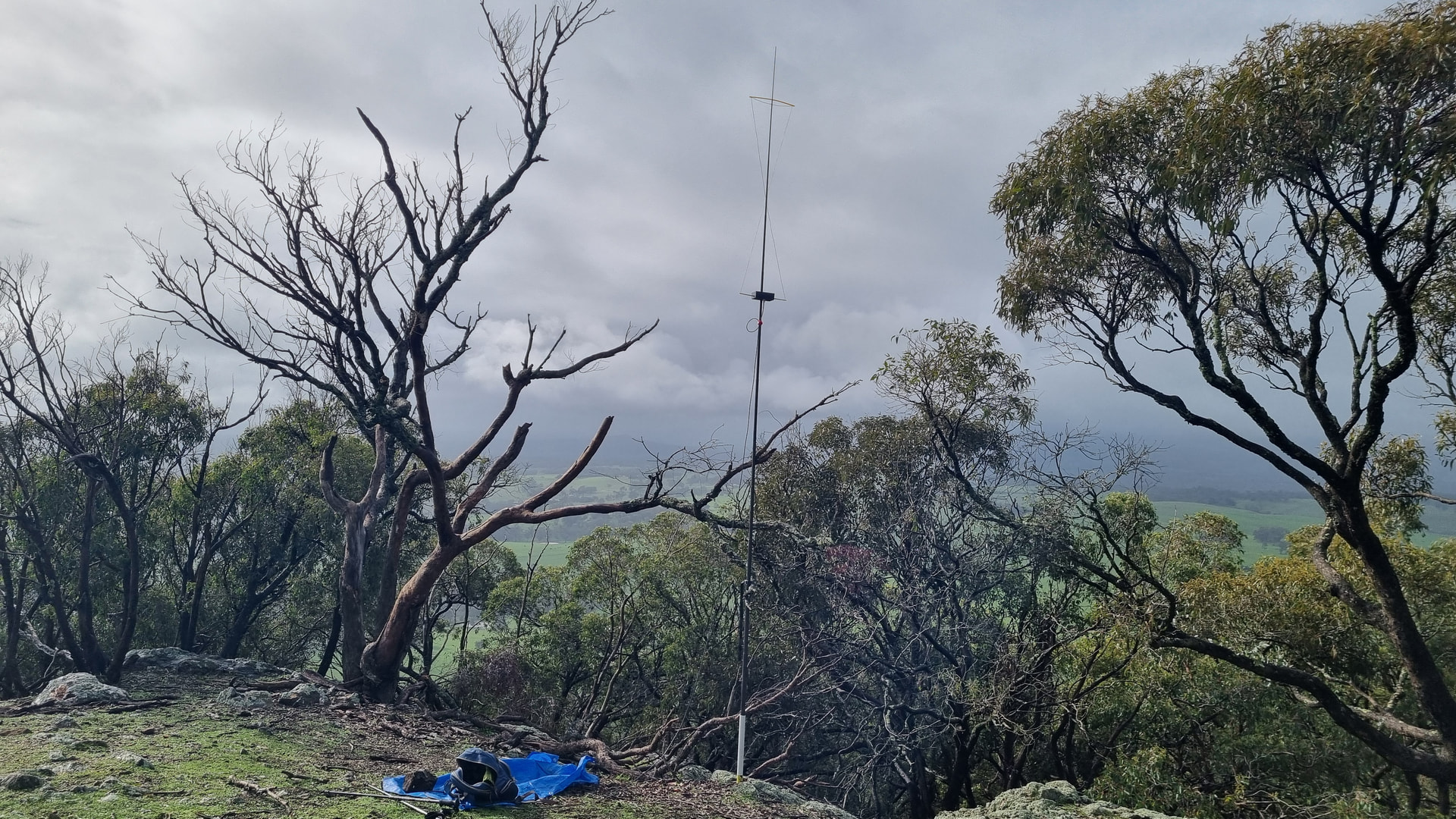
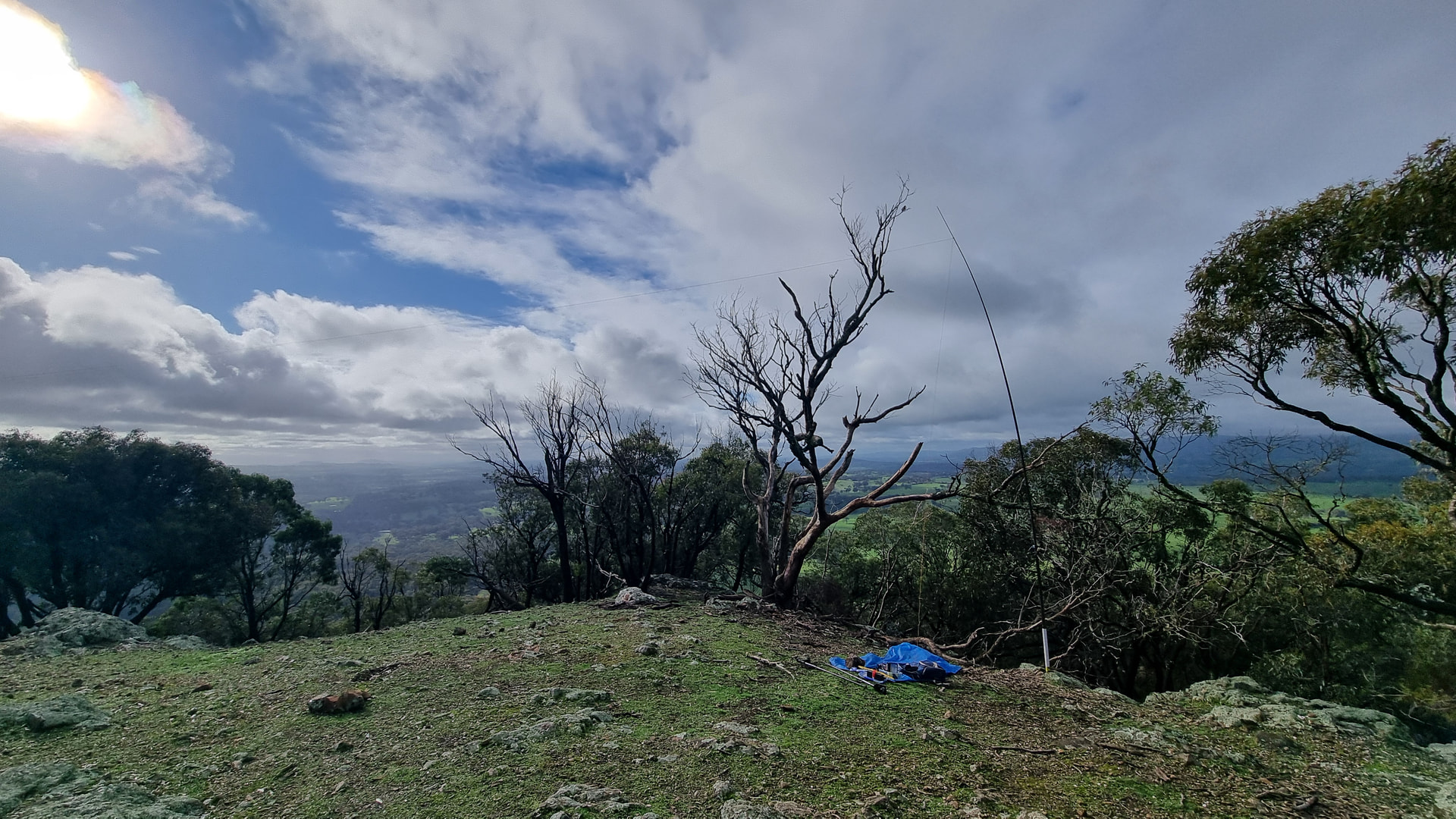
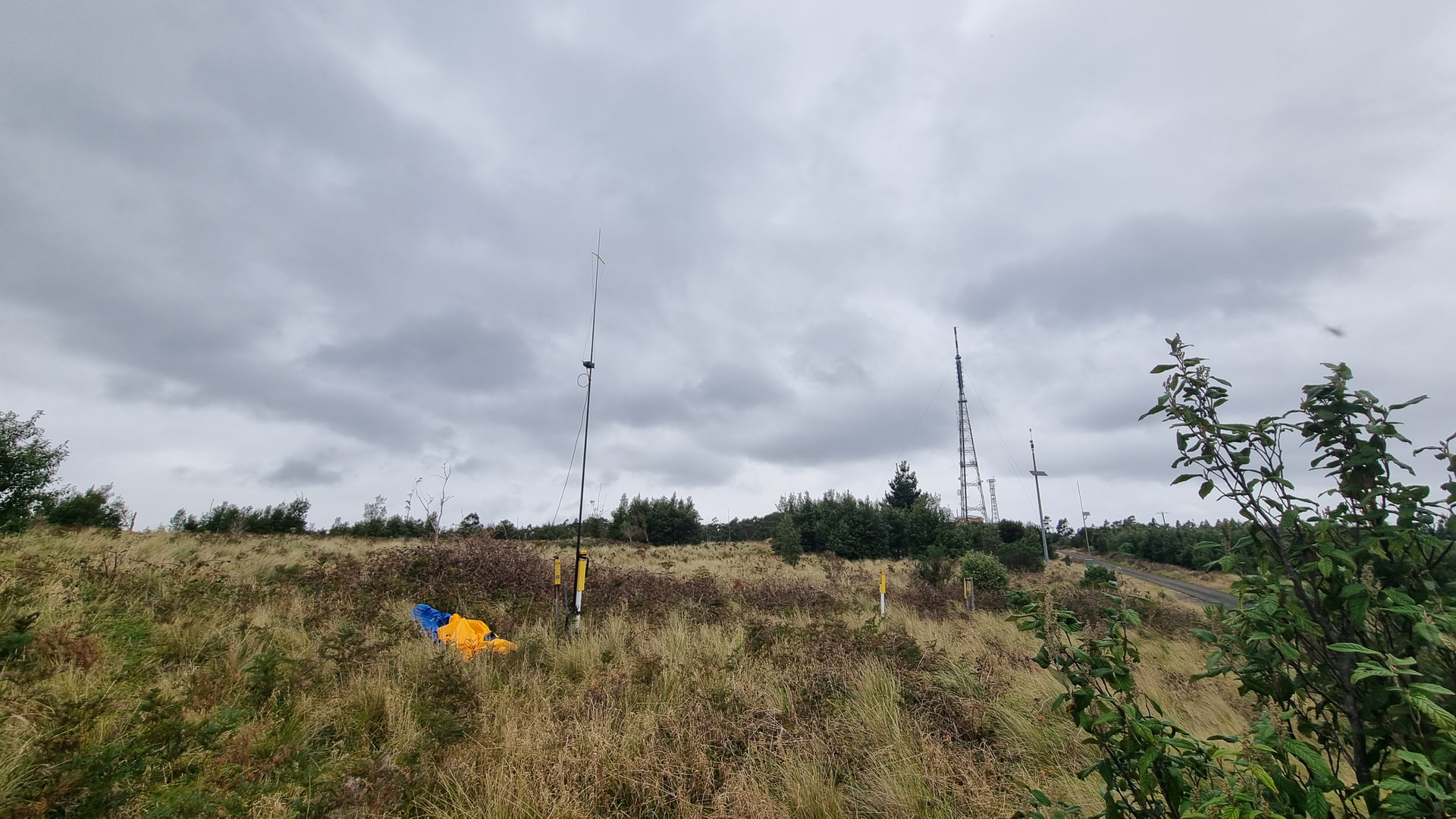
Setting up about 1145 local time, with rain clouds on the horizon, I sat with my FT817 and battery on a tarpaulin and my hourglass antenna and mast strapped to a post. My chosen location was in the middle of the summit with a TV broadcast tower on each side of me. My first 2m SSB QSO was logged a couple of minutes after my SOTAwatch spot, with a further three QSOs in the next 15 minutes. The rain clouds had got closer and started to drizzle water upon my set up so a second tarpaulin was put in to service to keep the gear dry.

After logging my fifth QSO on 2m SSB, 25 minutes after the first QSO, I decided I was done with 2m and swapped the hourglass for my Inverted L antenna. After having this antenna drop twice, and the rain increasing I left the summit and relocated to a vehicle-based activation at a WWFF reference nearby.
The SOTA activation got me 5 QSOs on 2m ranging from 15 to 147 km, while the WWFF activation on 40m got me 70 QSO on 40m, from six VK call areas.
The forecast for this Saturday is a high chance of showers, most likely in the morning. I am hoping to be out again to experience some more 2m hourglass action.
7 Likes

Hi Peter,

it is impressive how quickly the five 2m QSOs went into the log and that you collected 70 on SW in the WWFF area on top. Despite the bad weather conditions you turned it into a successful activation. Endurance pays back, finally!
73 Peter

4 Likes

To give the hourglass antenna another try, I arranged another sked with Thomas @DF7TR. This time I chose the higher and better positioned summit DM/BW-002. Just six days earlier I had abandoned the idea because of winter conditions in the Black Forest, but this time the weather couldn’t have been more different: pretty hot, almost no wind, and brilliant sunshine. What a contrast!

We started once again on 2 m CW, and apart from my beginner’s mistakes, it worked surprisingly well. Afterwards we switched to SSB. I could still copy Thomas at 51, but he really struggled to make out the signal report I was giving him.

So, CW handled the 326 km path without much trouble, while SSB just didn’t quite make it through, at least not on Thomas’s end with my meager 6 W.

After the sked I stayed on the summit and logged another nine QSOs on 2 m SSB, including one to Paul @DL6FBK at 248 km and one into Austria at 127 km.

Besides a few HF contacts, I also made one sporadic-E contact on 10 m with Don @GW0PLP. In fact, almost every time I’ve been on a summit this spring I’ve noticed sporadic-E conditions on 10 m, although I’ve managed to make only a handful of contacts.

Afterwards I moved to the highest summit in the Black Forest, DM/BW-001, which was pretty busy with visitors. Calling CQ on 2 m SSB produced only two contacts, the longest at 144 km.

After a QSO with Georg @DL9NCI/P on 40 m, he suggested trying 2 m SSB as well. A few minutes later we did that, and we completed the contact over a distance of 383 km, not bad at all!

Sporadic-E on 10 m was still going strong, allowing me to add three more contacts from Spain, Bulgaria, and Albania.

It was a fantastic day out, perhaps a little too hot for my taste, but once again it proved what the hourglass antenna is capable of. Despite its deceptively simple design, it keeps delivering impressive results and continues to exceed my expectations.

73 Stephan

8 Likes

" … 25 minutes after the first QSO, I decided I was done with 2m and swapped the hourglass for my Inverted L antenna"

Hi Peter,
This gave me a crazy idea : to save time, why not use the hourglass antenna + it’s coax cable as an HF vertical ?

I tried it out in my garden this afternoon, and it kind of worked …
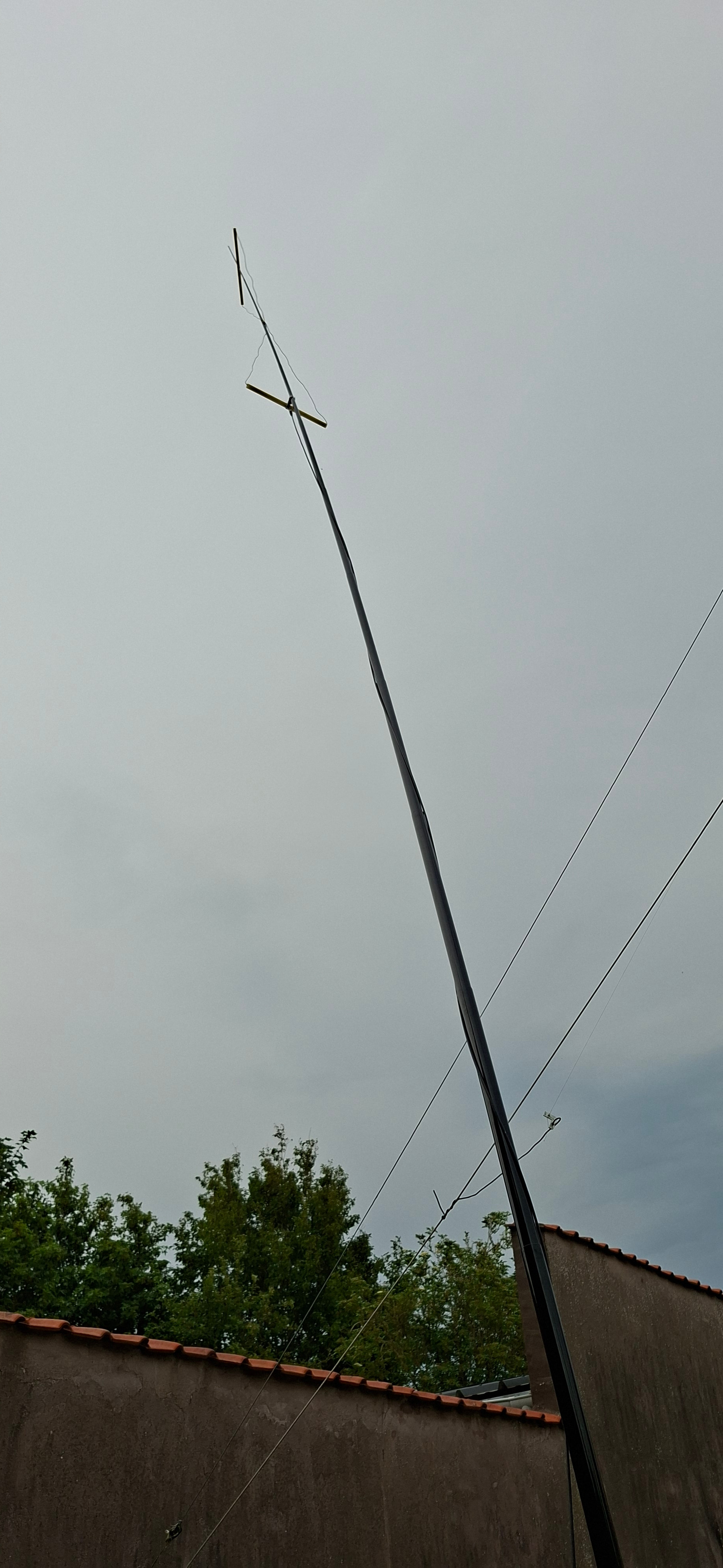
Setup : Hourglass on a Spiderbeam 10m (but not fully extended, because my coax was only 5m, hi). Coax connected to a 9:1 UNUN, then to an ATU-100, driven by 5W from my IC-705.
A 4m counterpoise just lying on the ground.
(for you critics: I know the HG antenna was not setup right, but I didn’t intend to use 2m for this test)

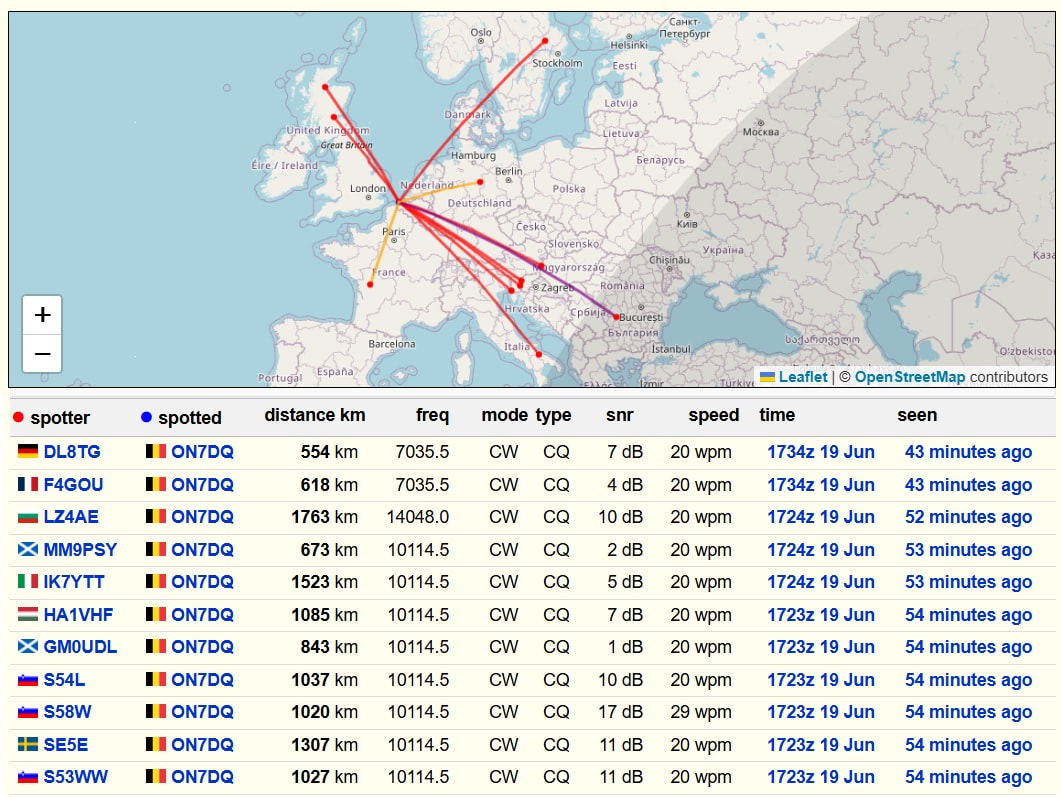
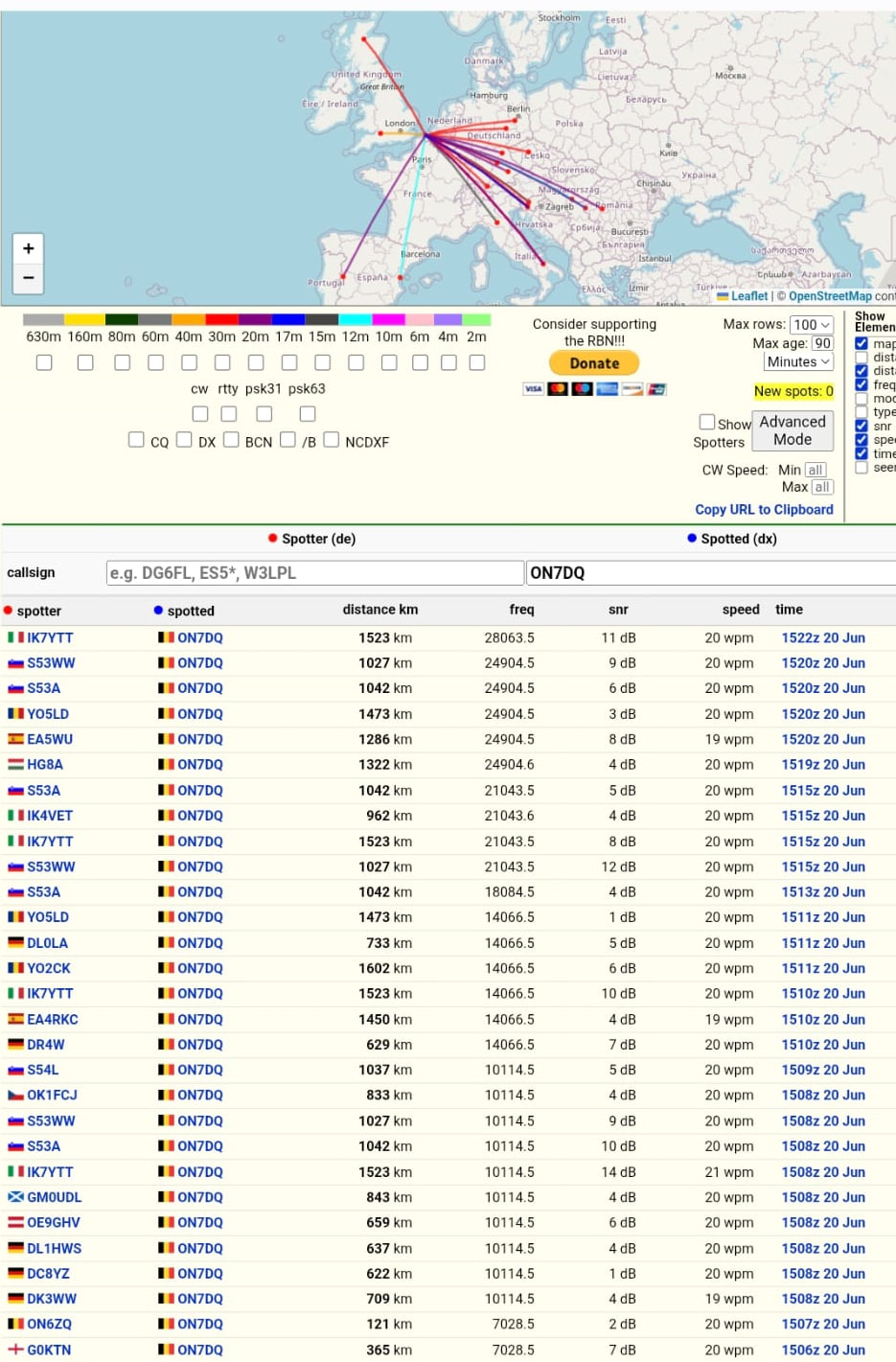
I could tune to an SWR <1.5 on all bands 40m to 10m, and sent 3 RBN test mesages, three times on each band. This was the result, not spectacular, but maybe enough for a few QS’s when you’re in a hurry (like bad wx coming …).

I’m leaving for my FH trip next Sunday, I may try some 2m CW/SSB with the hourglass on Erbeskopf, DM/RP-158. And who knows, make some HF QSO’s with this “crazy vertical”.

Comments invited !
73
Luc ON7DQ

5 Likes

Hi Luc,

I know that you always travel well prepared, but just to avoid any disappointment please make sure that you have the required permission for working from the Erbeskopf. Good luck with your activation. :four_leaf_clover:
See you soon at the fair, 73 Peter.

1 Like

No worry Peter, permission is in my backpack ! :grinning_face:
Luc ON7DQ

3 Likes

Hello Luc,

that’s a clever idea! Not the best performance for sure, but a good opportunity to be QRV on HF as well without extra effort.

BTW, I saw your alerts for next week. Are you going to try 2m from Erbeskopf only? I’ll be activating some summits in Bregenzerwald from Monday to Thursday, VHF only. Alerts have been posted. For most of your summits an S2S QSO on 2 metres is possible.

73, cu on 2m CW :slight_smile:
Roman

1 Like

Hi Roman,

I’l do 2m only if I’m on time with my schedule. It’s not my main interest.
But I’l check the spots and if there is an opportunity for a S2S, I will set up the hourglass antenna and give you a call (10W from IC-705).
73 , Luc ON7DQ

2 Likes

For those interested … I did another test this afternoon, with a longer coax cable (7.40m RG-58).
Hourglass antenna mounted on a fully extended 10m Spiderbeam pole, but it sits at abt 50cm from the top. HG + coax form a 9.15m “random wire” (my favourite length, hi).
After tuning, these were the SWR values, shown by the ATU-100:
40m 1.05
30m 1.18
20m 1.02
17m 1.03
15m 1.25
12m 1.60
10m 1.01

Sending a few RBN TEST messages, with 5W gave better results than yesterday.
Again nothing spectacular, but at least I got RBN spots on all bands 40m-10m this time.


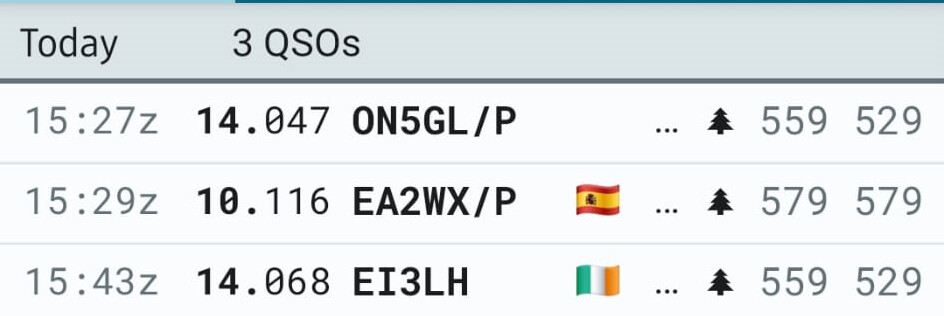
As a proof of the pudding, I tried to work a few stations, now with 10W. This was what I worked from my enclosed city garden.

73
Luc, ON7DQ

3 Likes

If you were using that on 20m then it definitely worked. Thank you for the QSO today on 20m CW! :blush:

EDIT:

I see it worked! :star_struck:

1 Like

Saturday 20 June, rain was forecast for my local area, so I thought I would head north, over the Great Dividing Range, where the rainfall is often the opposite to my local area. If it’s raining south of the range, it’s probably not raining north of the range. This weekend was also the WIA Winter VHF UHF Field Day, and I was hoping for some good 2m SSB QSOs from this contest.
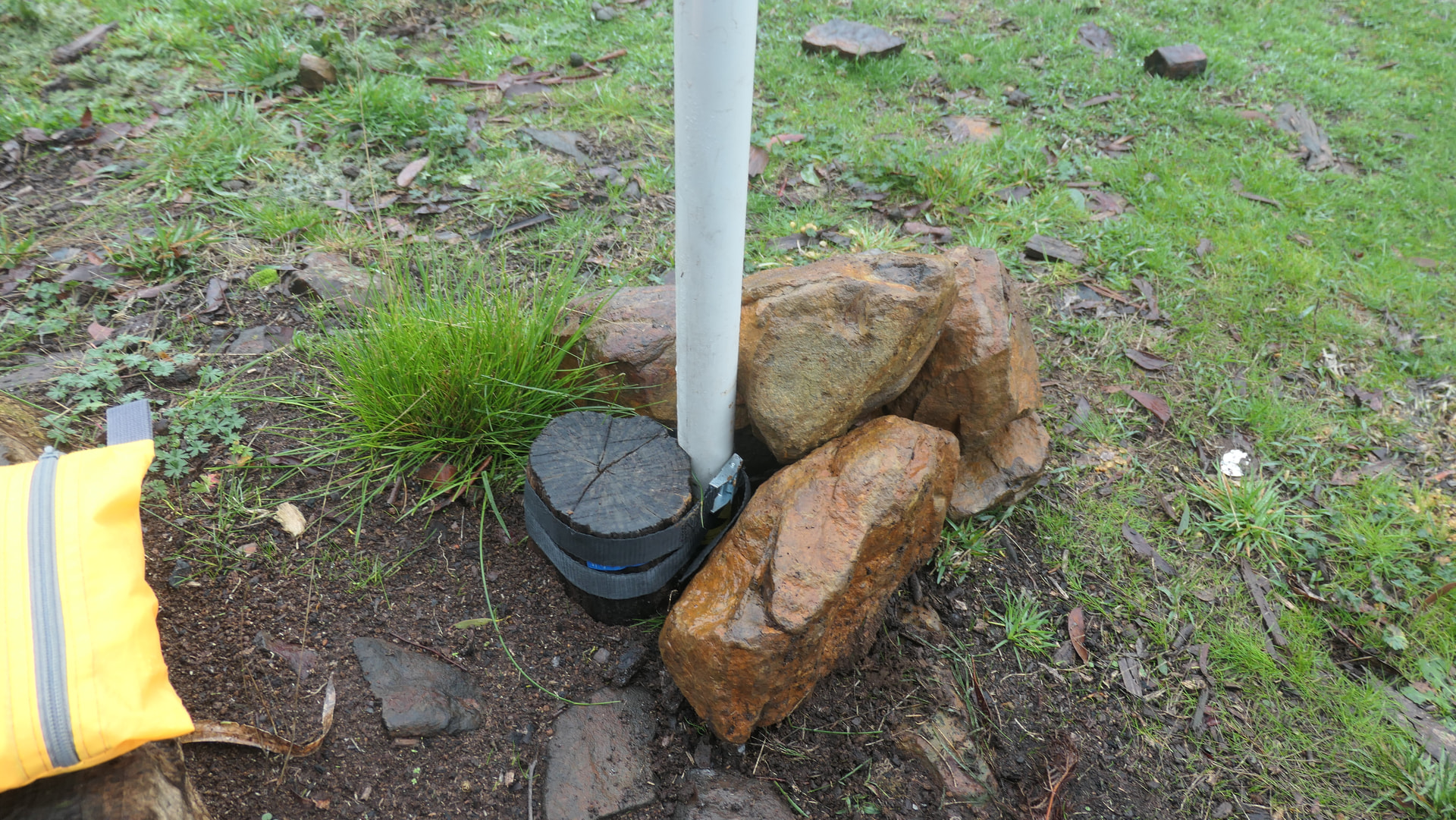
My first summit, VK3/VN-015 Mt Hickey, 805 m ASL, could be considered part of the Great Diving Range and I wasn’t surprised to be greeted with light drizzle when I arrived on the summit. The rain was varying between nothing and light rain, so I dressed in what should have been waterproof pants and jacket and walked about the summit looking for a suitable place to set my mast and station. I found a short, wide tree stump for the station. A smaller stump, with some additional rocks, was used for holding the mast. Between brief showers I set the station and then sat on the stump and learned that my waterproof pants, were not as waterproof as I thought. :angry:
Operating for about 45 minutes, only on 2m SSB, I logged 9 QSO ranging from 70 to 183 km using the FT817ND and my hourglass antenna. The field day contest started at 0100 UTC, but I didn’t hear any Field Day stations before rain set in and I concluded my activation at 0125 UTC.


My second summit for the day was VK3/VN-028, Mt Piper, 440 m ASL. This summit is located within the Mt Piper Nature Conservation Reserve, so I was able to activate WWFF and SOTA at the same time.

There is a formed track from the main road to the reserve gate that has a few puddles as it approaches the reserve. In my four previous visits I have driven to the gate, but on this visit the puddles looked a bit too deep for my RAV4 so I decided to park and walk the last 150 metres. The driver of a VW Tiguan ahead of me also parked up and walked.
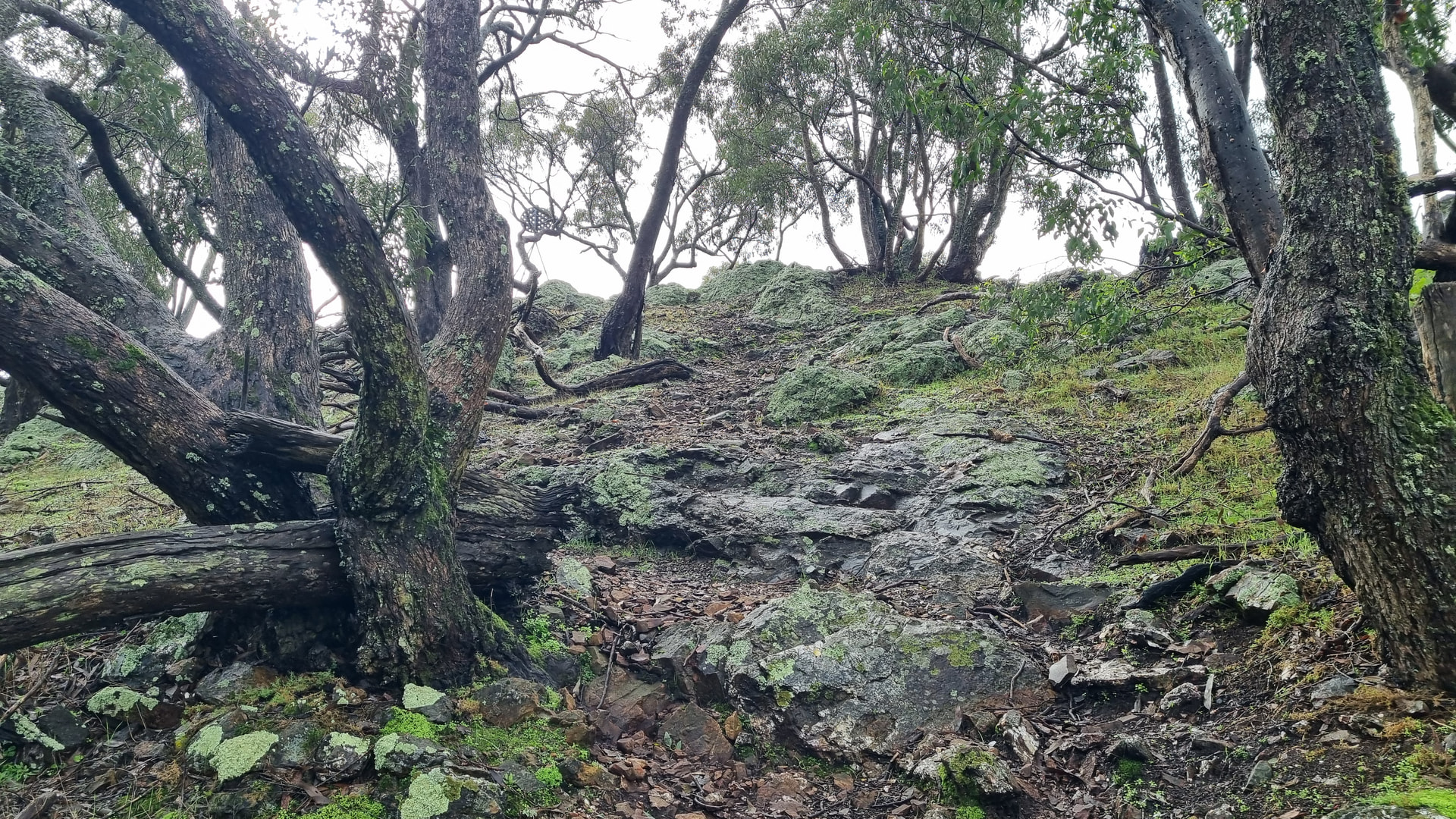
The access is along a 950 m zigzag path, rising 155 m from the gate to the summit. The access is well defined and varies from a formed gravel path for most of the route, to a rock scramble as it approaches the summit.

Once on the summit I set my mast against a tree and posted a spot to SOTAwatch and logged four stations on 2m SSB in 30 minutes, from 79 to 91 km, before moving to HF. Working SSB on 40m, 20m, 15m and 10m I made a further 64 QSOs in 1 hour, including 4 DX QSOs to Japan on 15m and 10m. Periodically checking 2m SSB, no Field Day stations were heard.
The rain clouds were passing to the east and west of the summit, but no rain fell during the activation.

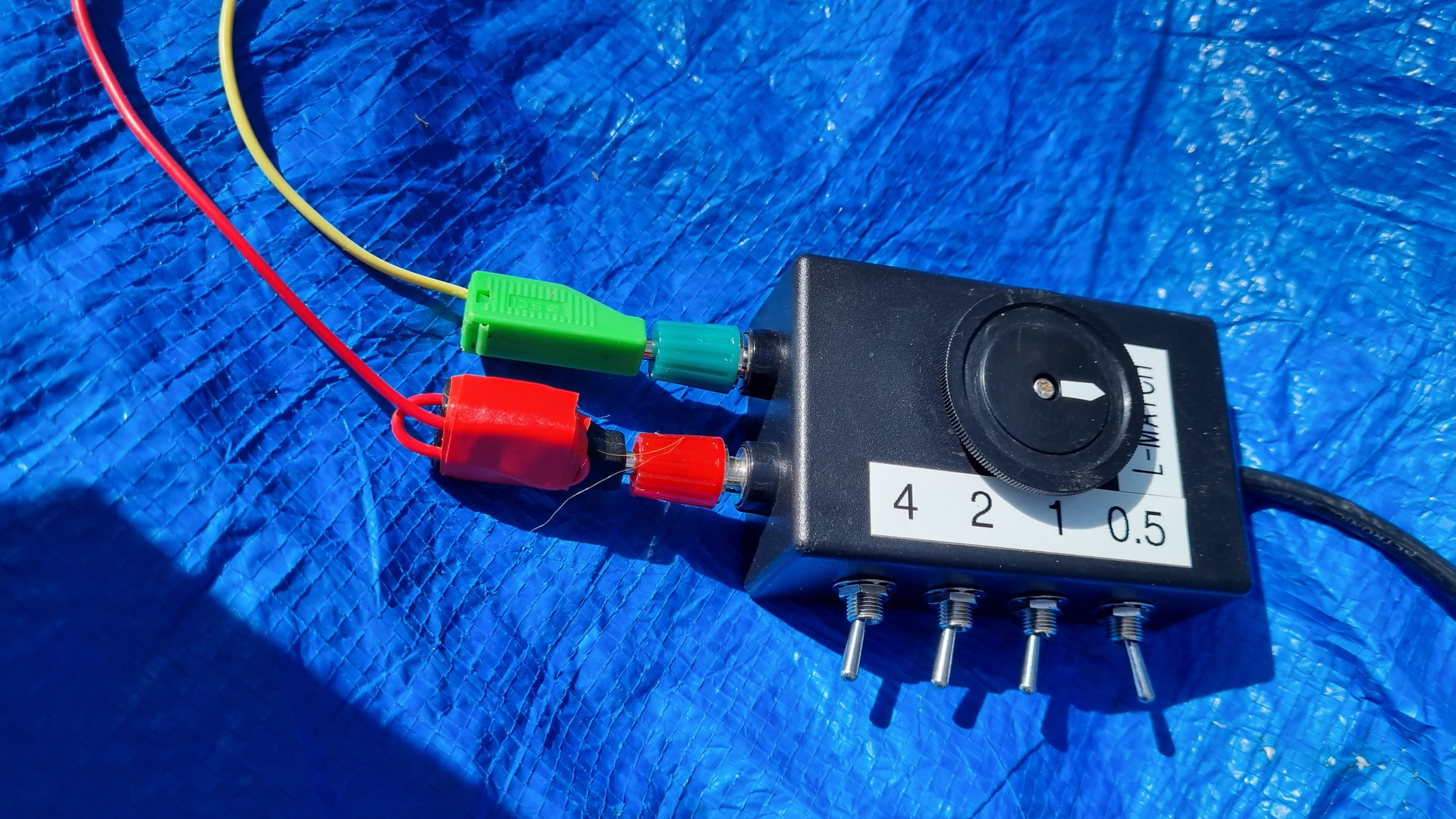
I thought about trying @ON7DQ idea for HF using the hourglass, but I don’t have a suitable UNUN or ATU. I considered using the L match that I have for my Inverted L antenna, https://youtu.be/JwVuvu-C30c, but I think I may need a way to join the inner and outer of the coax to the antenna binding post on the match box.
Something to look at on a day with nicer weather and more resources. :slight_smile:

8 Likes

Hi Luc,

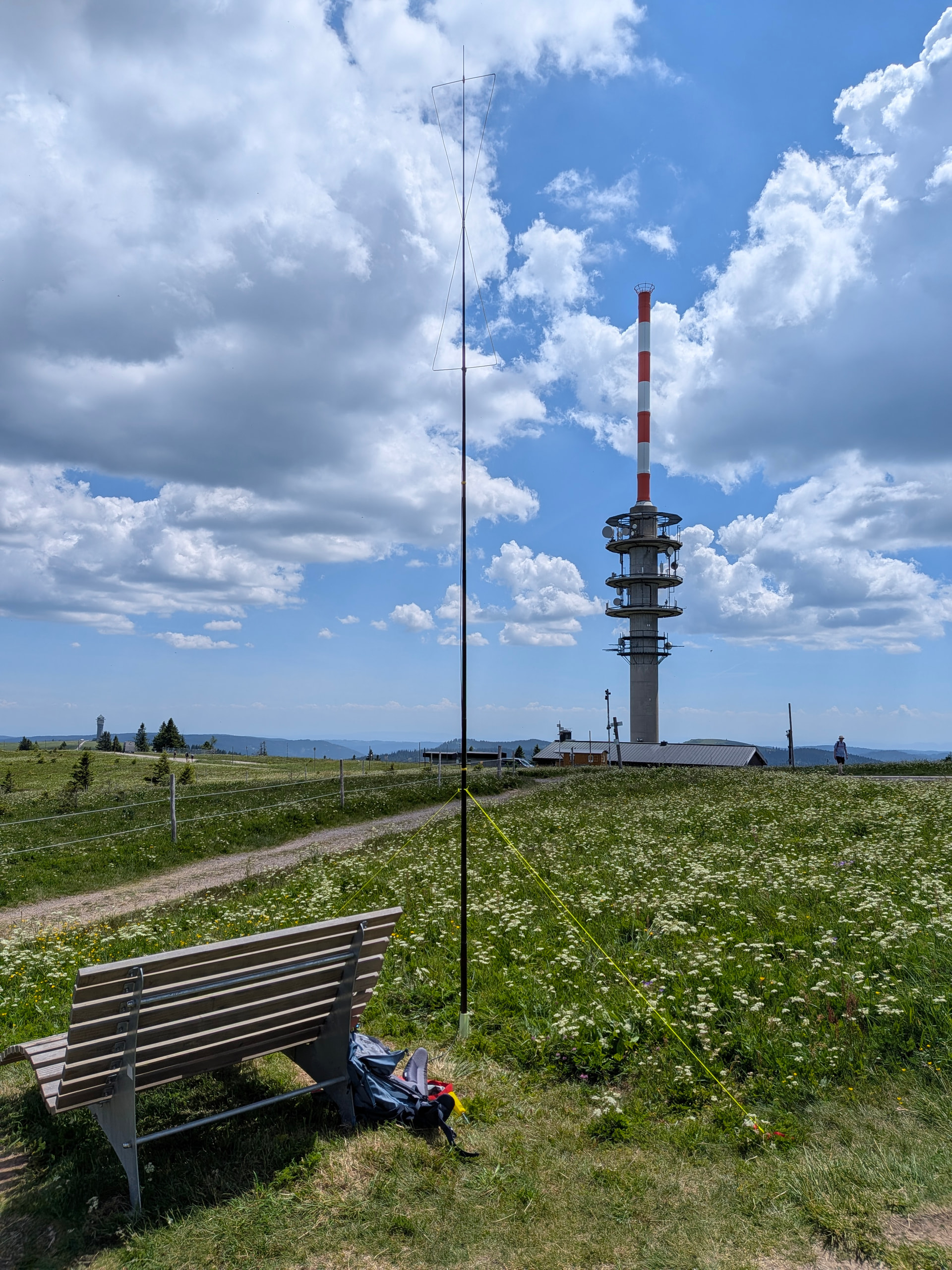
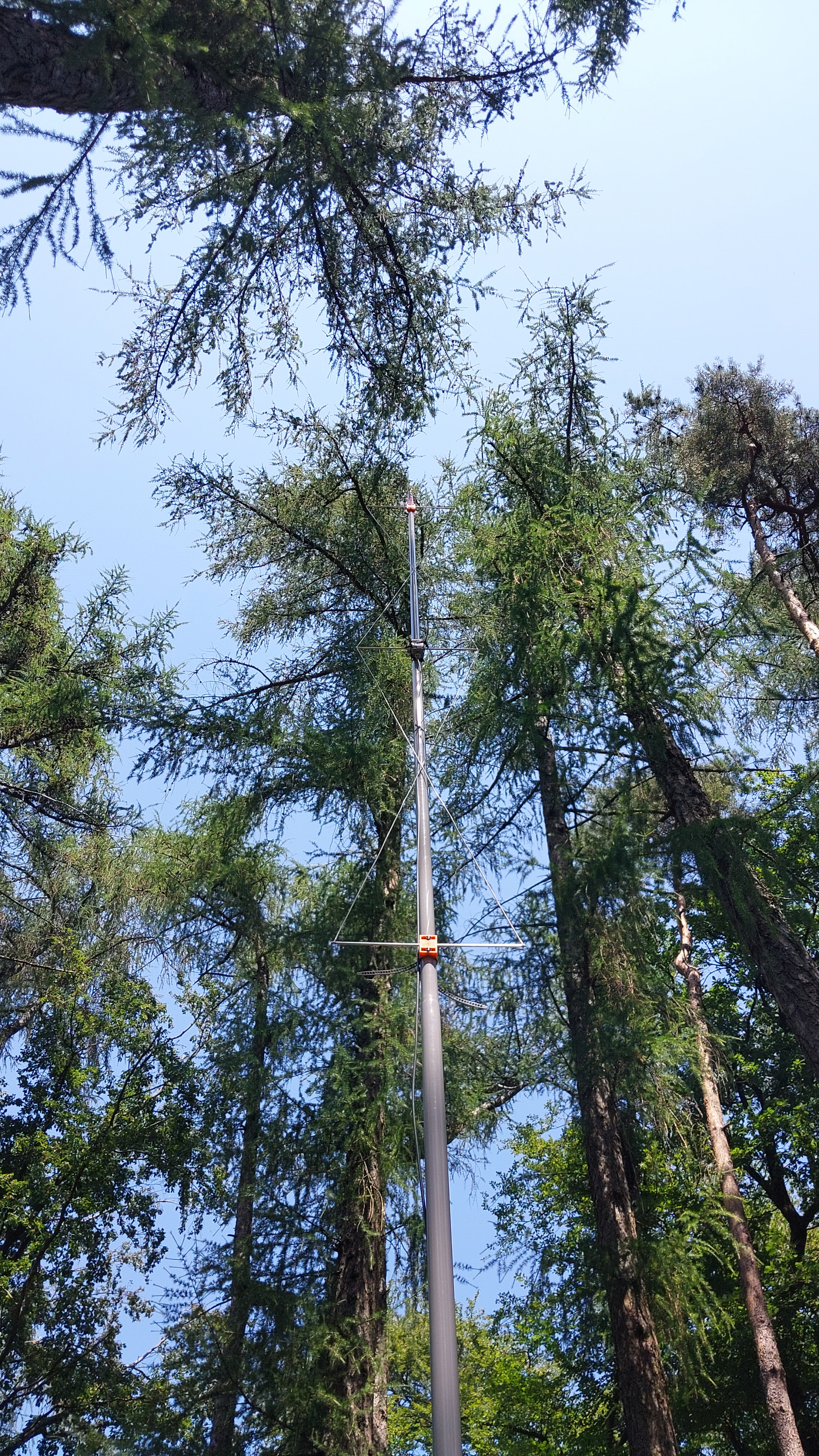
I do not know if you actually got hold of Roman but THANKS for our short contact today on two meters. I suppose you were using the Single Hourglass Antenna (SHA) barefoot, without the shortwave extension. On my side it was the Double Hourglass Antenna (DHA):

It cannot easily be detected in front of the trees but if you zoom in, you should be able to see the wires.

We had to set up a tarp to protect us from the sun at 35 °C but all in all it was a nice day on the Hahnenkamm DM/BM-379.

Cheers, Peter

7 Likes

I will be near DK0PT most of the time during the coming week. Looking forward to work you for some great 200-300 km QSOs!

Best 73s
Thomas DF7TR

2 Likes

Because of the heat, I changed the summits for today, two shorter walks and one drive up in the afternoon. I may be earlier than alerted.
3rd one is the highest in the area, I may try the HG on the 10m pole, watch the spots.
73, ON7DQ (almost melting)

3 Likes

Activation of OE/VB-473, Diedamskopf, today afternoon local time using the DHA once again. I didn’t take any meaningful photos since an approaching storm forced me to pack up in a hurry.
Nevertheless, in about 45 minutes (before the storm arrived) I made 13 QSOs in a range of 30 - 428 km. There were some nice DX-QSOs to the north, as expected, and then, all of a sudden, T7/I4GHG from the “backside” of the antenna!
This is why I really like the hourglass loops: They work great in both directions. I’m almost sure that I would have missed him with a Yagi.
ODX of the day and T7 as a new DXCC on 2 metres :partying_face:

Hourglass forever :upside_down_face:
73, Roman

4 Likes

Congrats Roman,

T7 is not in many logs and I am glad that you did not miss his answer to your CQ call. Your statement quoted above finds my full consent and I like the both-sided fishing as much as you do. The DHA really rocks!!!:flexed_biceps:

73, Peter

3 Likes

Brad Turner approves. :star_struck:

giphy(6)

Saturday 27 June 2026, a cool winter’s morning, about 7°C, and I again headed to the hills east of Melbourne.
My destination was my eighth activation of Mt Vinegar VK3/VC-005. The drive from home was mostly in fog until I crossed over the Black Spur, and rolled down hill into Narbethong. The temperature had dropped to 1°C in the valley when I turned into Carter’s Gap Road and drove to the junction of Road 8, the start of my hike.
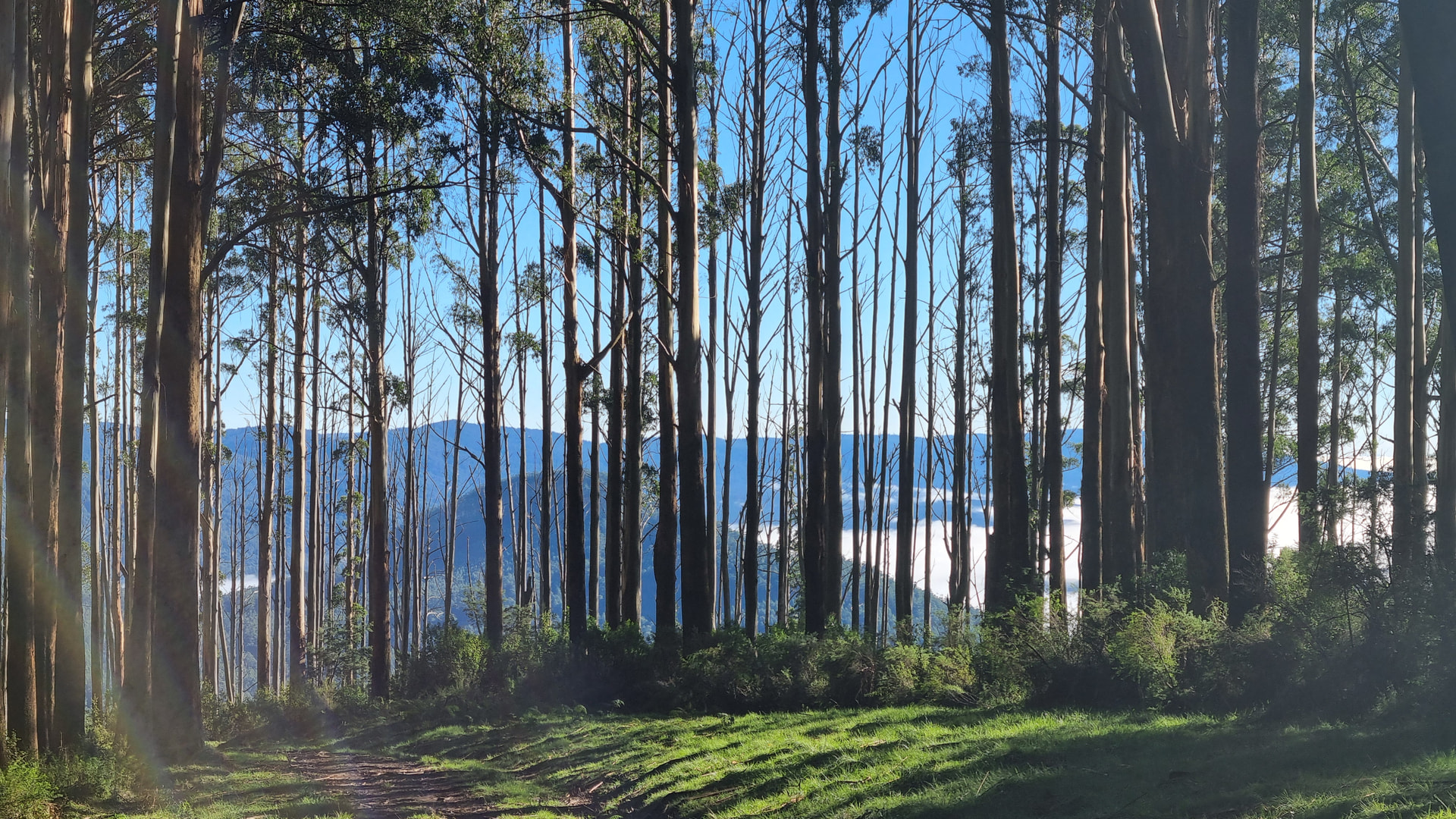
Starting at about 600m ASL, Road 8, a management vehicle only road, rises to the summit at 1069m ASL over a distance of about 5 km. The road snakes its way through tall eucalypt trees with an occasional view of the Acheron Valley and the neighbouring summit, Mt Dom Dom VK3/VN-017.


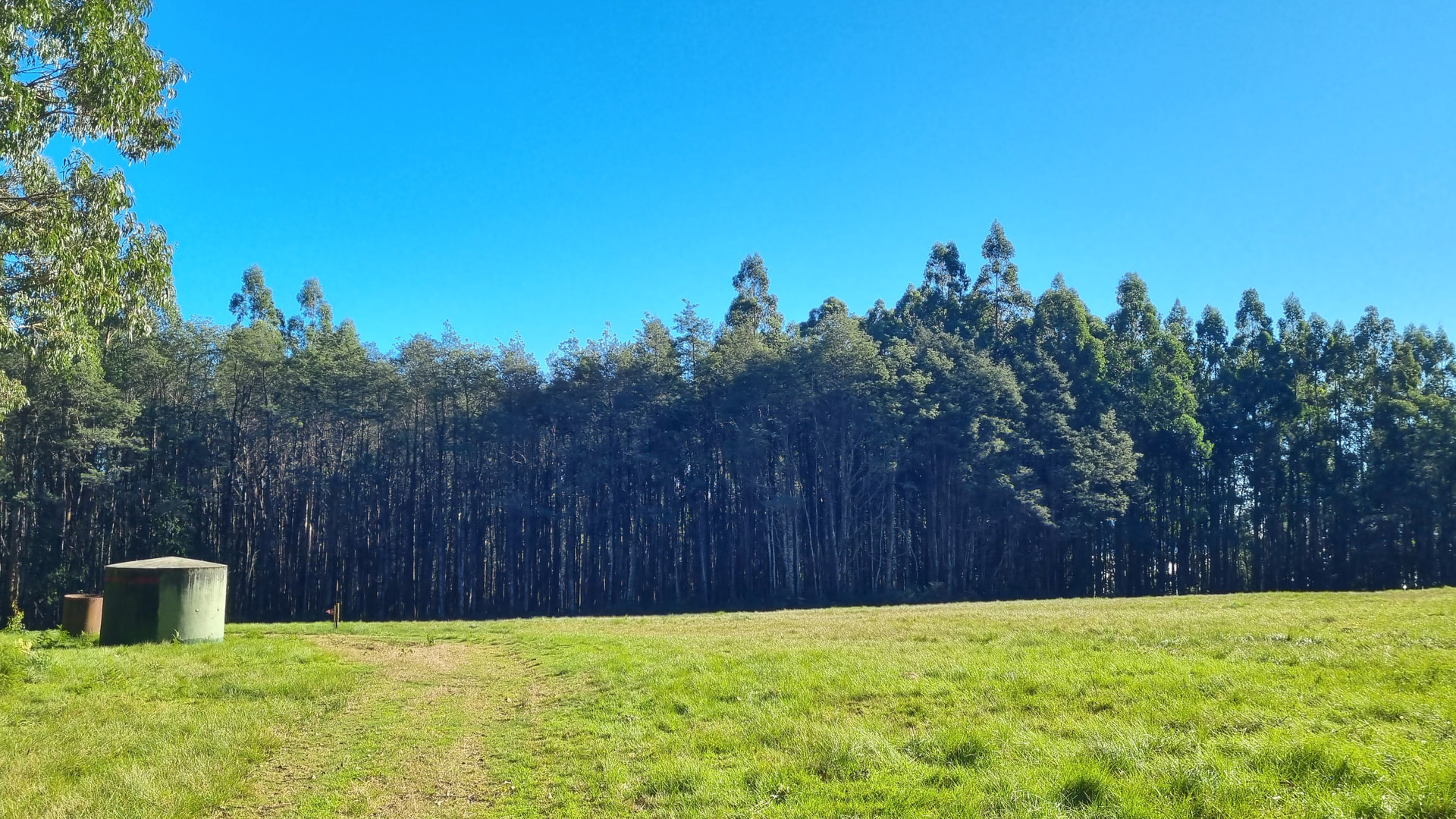
Along the road, at about 3.2 km there is a large clearing with a tank holding water for firefighting. This makes an ideal rest stop as it also marks the end of the steep climb. From here the road rises a further 100m over a distance of 1.8 km.

Arriving at the summit, about 2 hours after leaving the car, I chose a convenient place to set the station, ensuring it was located in the AZ as well as in the Yarra Ranges National Park for a WWFF activation.

The temperature was about 6°C and pleasant when sitting in the sun and I moved the station once to avoid the shade of a tree.
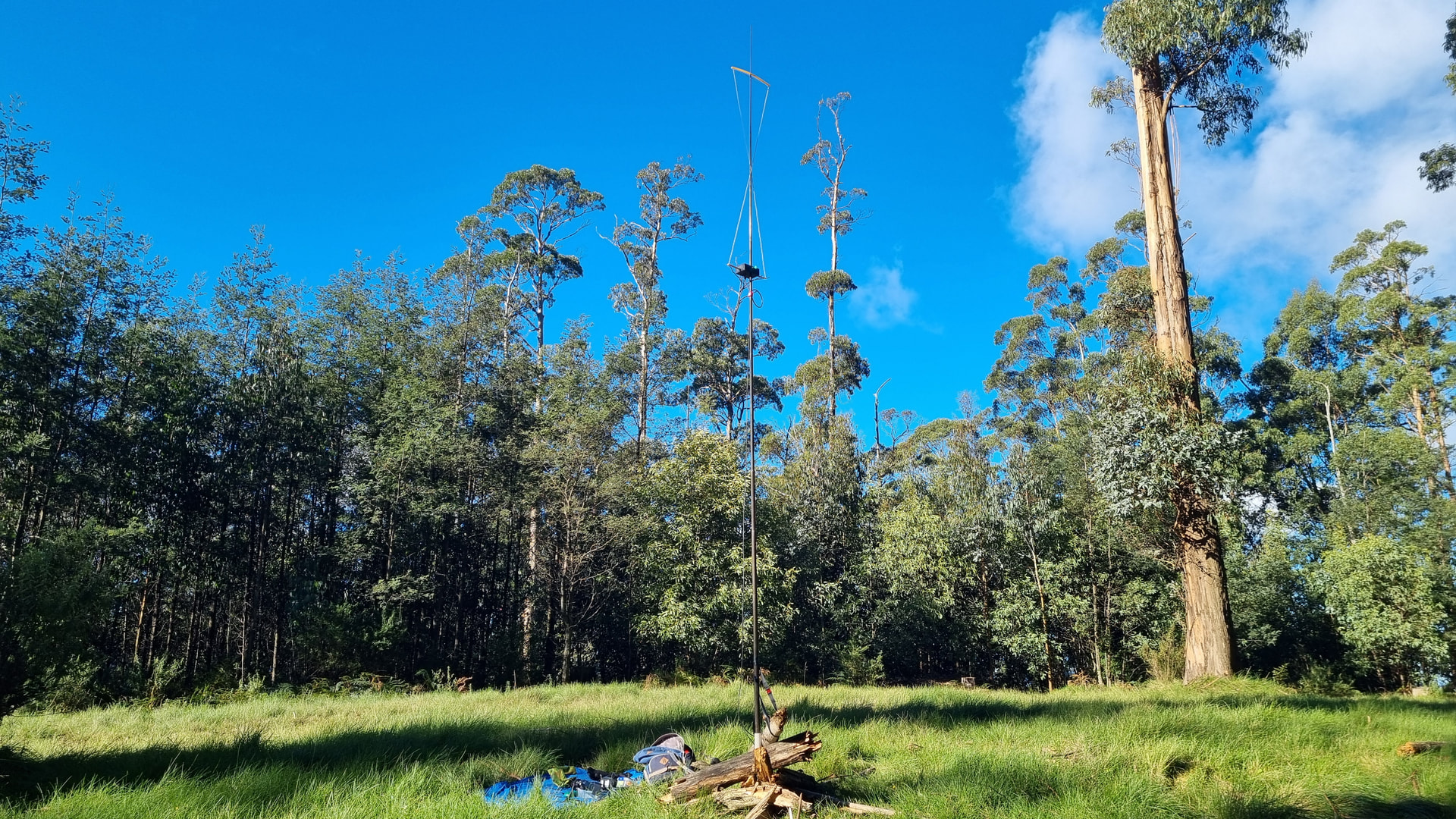
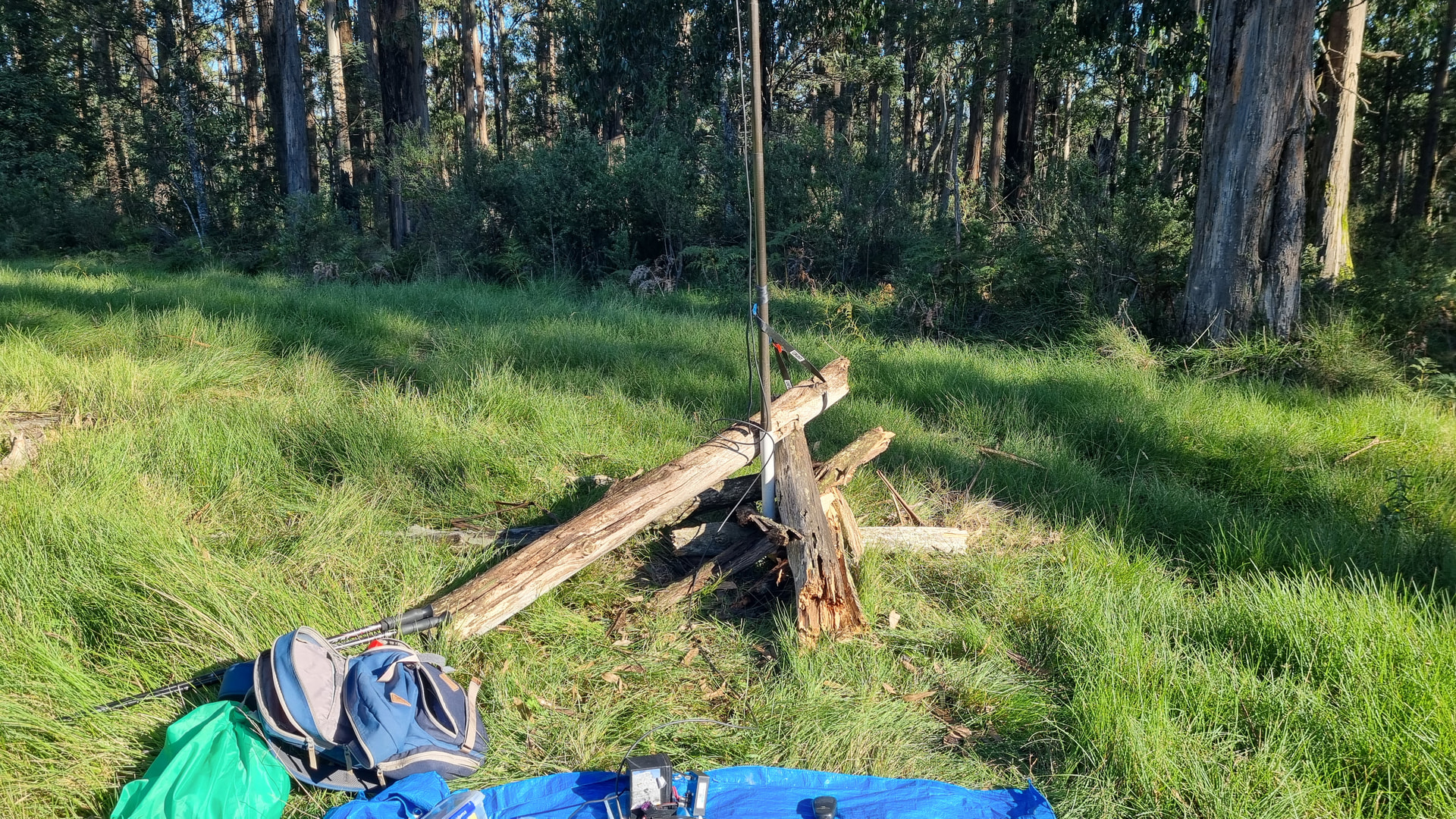
The station was FT817ND and hourglass antenna on a 6m squid pole. The squid pole was held in place by the creative positioning of some recently fallen timber.

I started the activation logging 10 QSOs on 2m SSB, including S2S with Ron @VK3AFW and Steven @VK3SPM on nearby VK3/VC-002 Mt Donna Buang. Seeing a spot from Gerard @VK2IO, activating a WWFF park I moved briefly to 40m.

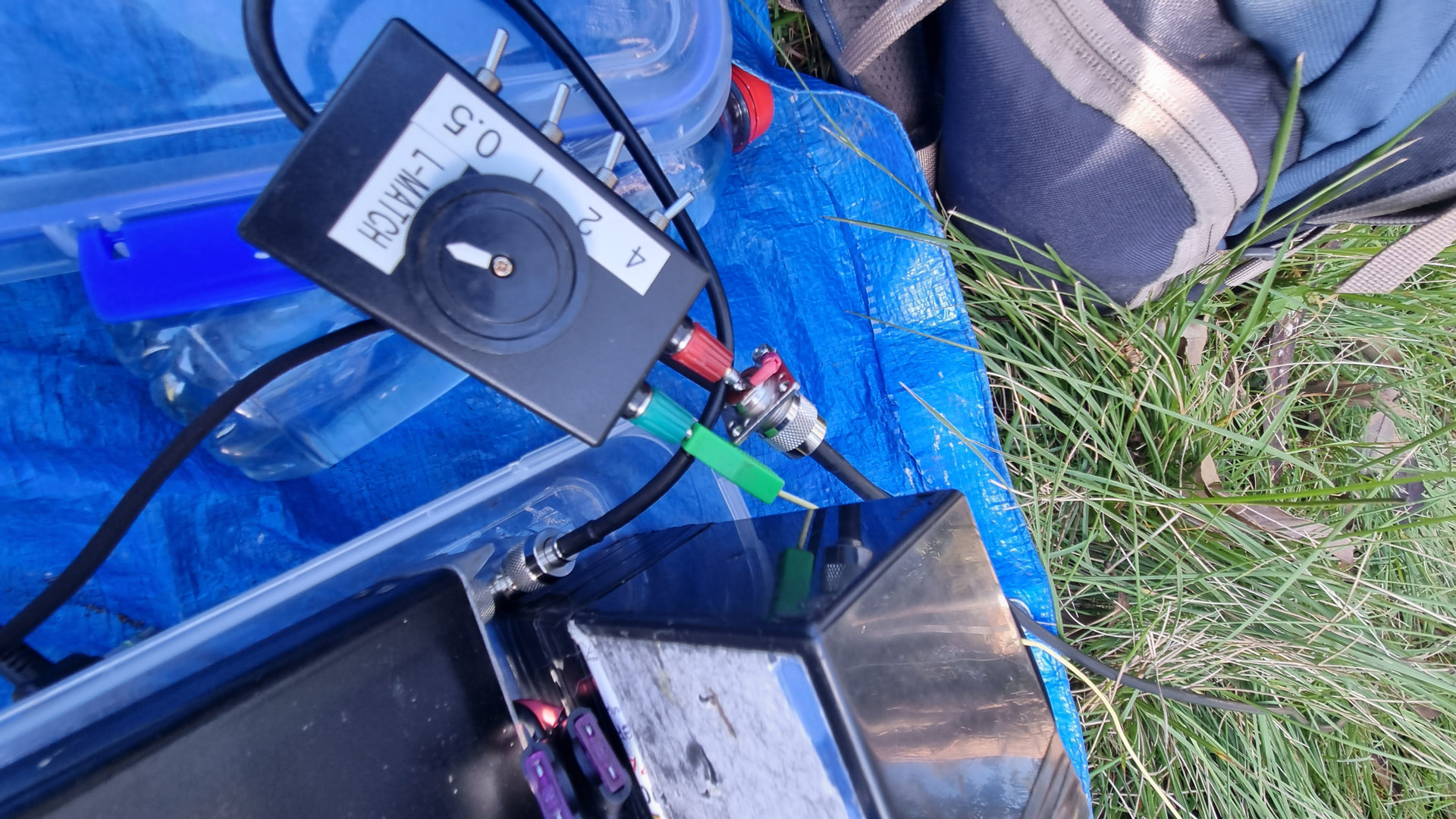
As suggested by Luc @ON7DQ, I tried using the hourglass antenna + it’s coax as a vertical antenna for HF. I had brought along an SO239 socket that connects the coax inner and coax outer together, and I had a short counterpoise run out along the ground, favouring the direction of VK2IO. Using the L match tuner from my normal Inverted L antenna, I was able to get a reasonable SWR and managed a QSO with VK2IO.


After completing the QSO with Gerard, I returned to 2m making two more SSB QSOs. I tried the vertical HF antenna idea again but only made one further 40m contact.
Swapping from the hourglass/L match vertical to my usual Inverted L antenna got me another 11 QSOs on 40m. A few operators remarked that they couldn’t hear me on the previous antenna, thereby confirming that the hourglass + it’s coax will tune up as a 40m antenna, but it doesn’t work very well as a 40m antenna.
I packed away the inverted L antenna, reinstated the hourglass antenna, and called for a further 10 minutes on 2m SSB getting another 2 QSOs in the log. My 2m QSOs for the activation ranged from 8 km to 135 km.

The 65-minute journey back to the car was uneventful and, as usual, easier than the trip up :slight_smile:.

8 Likes

I have found that mid-week activations are tough going in our part of the world. Many chasers have other things to do during the week, like working. With this in mind I was not expecting great results when activating two relatively small peaks on a Wednesday.
I started the day at Radio Parts, a Melbourne institution since 1935, buying two 6-pin microphone plugs that will hopefully lift my 2m SSB output by 50 Watts.

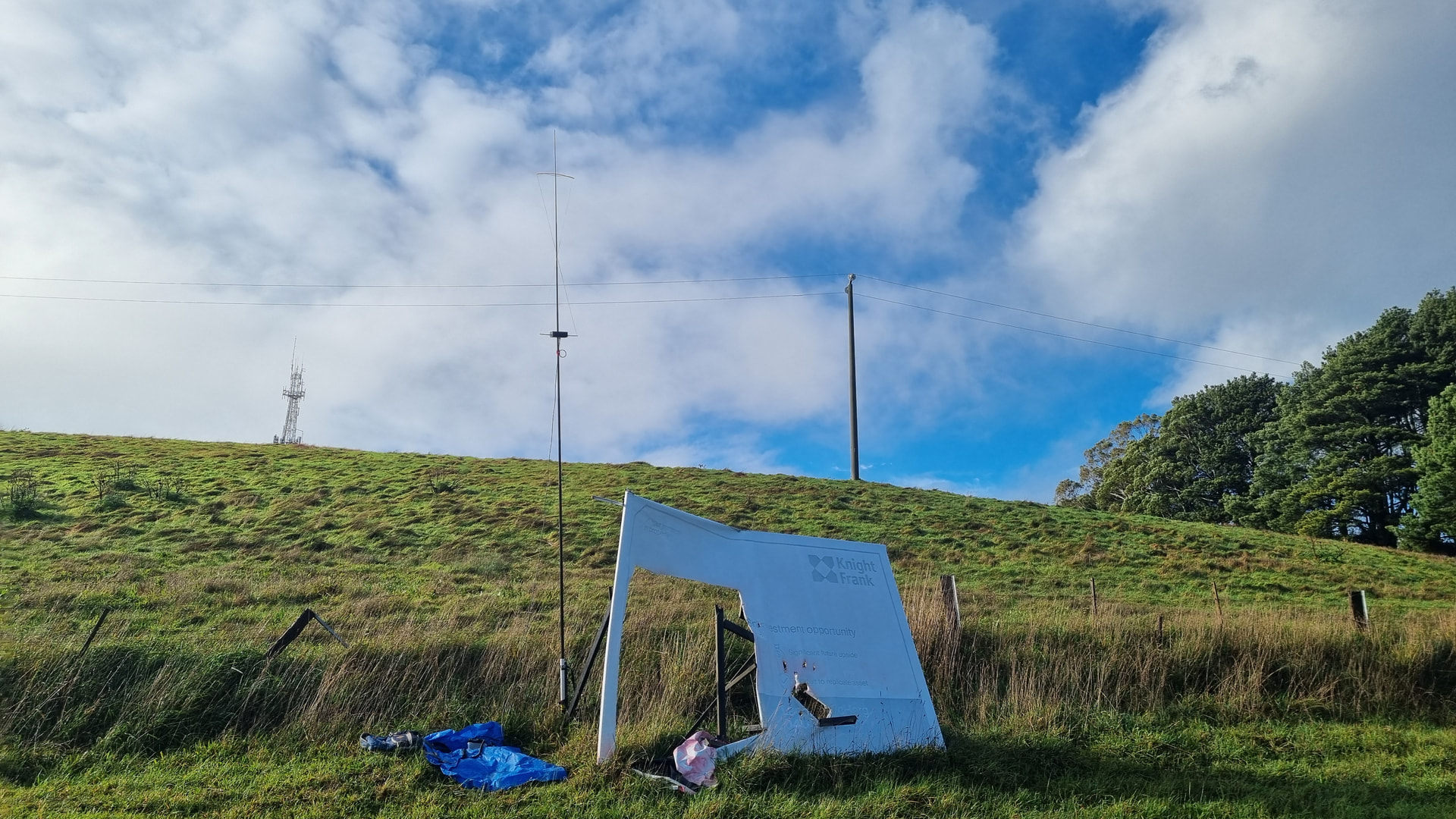
The first summit for the day was Pretty Sally, VK3/VC-034. Pretty Sally is a small, cleared hill, 525 m ASL, with several towers, located about 45 km north of Melbourne. Driving into Wallan, at the base of the hill, I was greeted with steady rain, and I thought the first activation would be a washout. Arriving at the summit and parking on the side of a dirt road, just inside the AZ, the rain stopped. I set my station on the high side of the road, beside a weather damaged for sale sign. I had operated from the same place as part of the 2024 10m challenge, although the sign was in much better condition then.


Looking out from my operating position it seemed the break in the weather would be short lived. Twenty minutes later with the imminent arrival of rain, I packed up. Activating only QPR on 2m SSB, I logged 9 QSOs ranging from 43 to 60 km.

The second summit for the day, Mt Ida, VK3/VU-009, is about 70 km north of Pretty Sally and the drive consisted of rain, fog and sunshine.
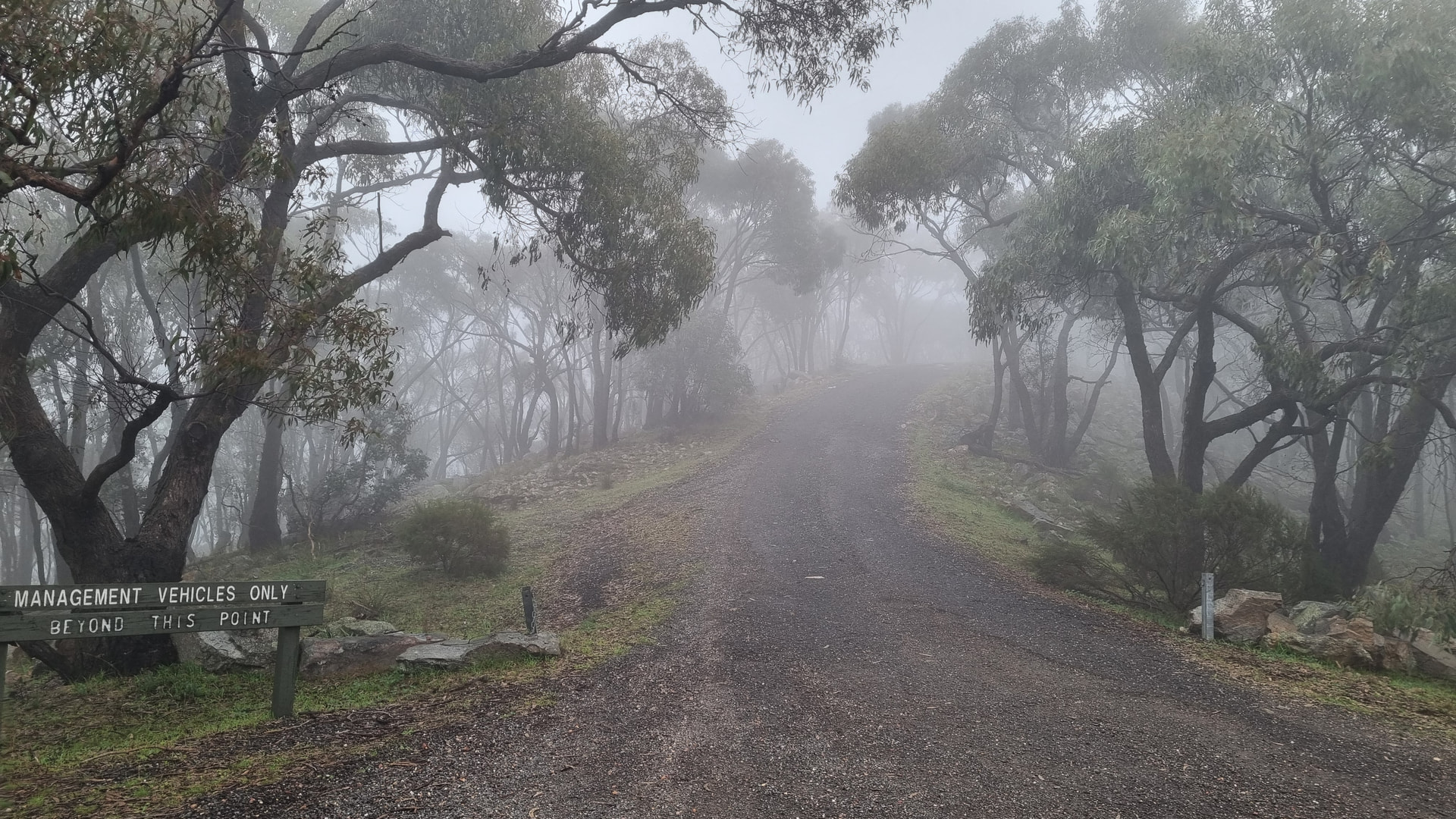
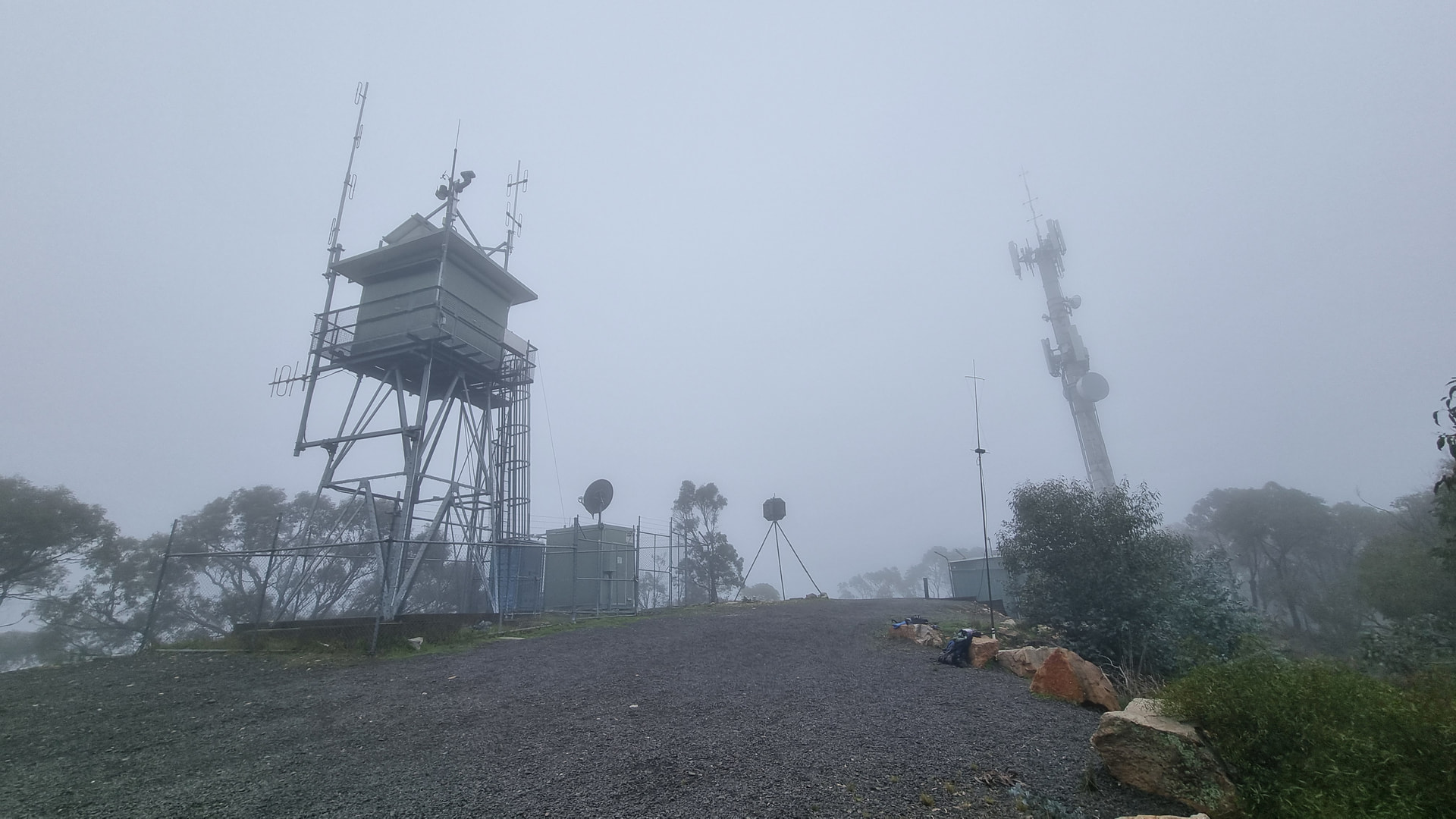
Arriving at the car park near the top of the mountain, I dressed for wet weather and packed the station into a backpack. I then headed into the fog and walked 150m up the MVO road to the summit.


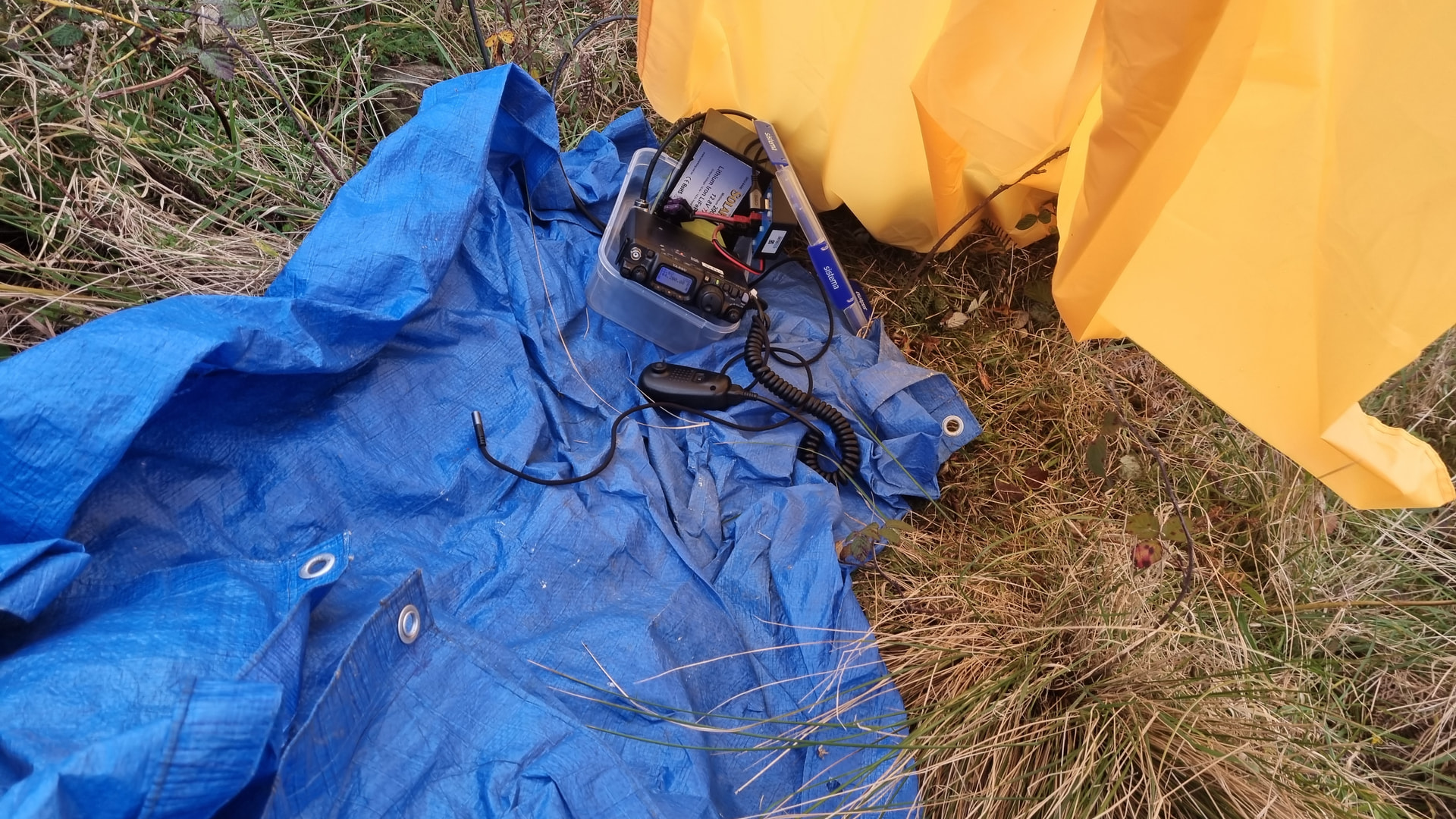
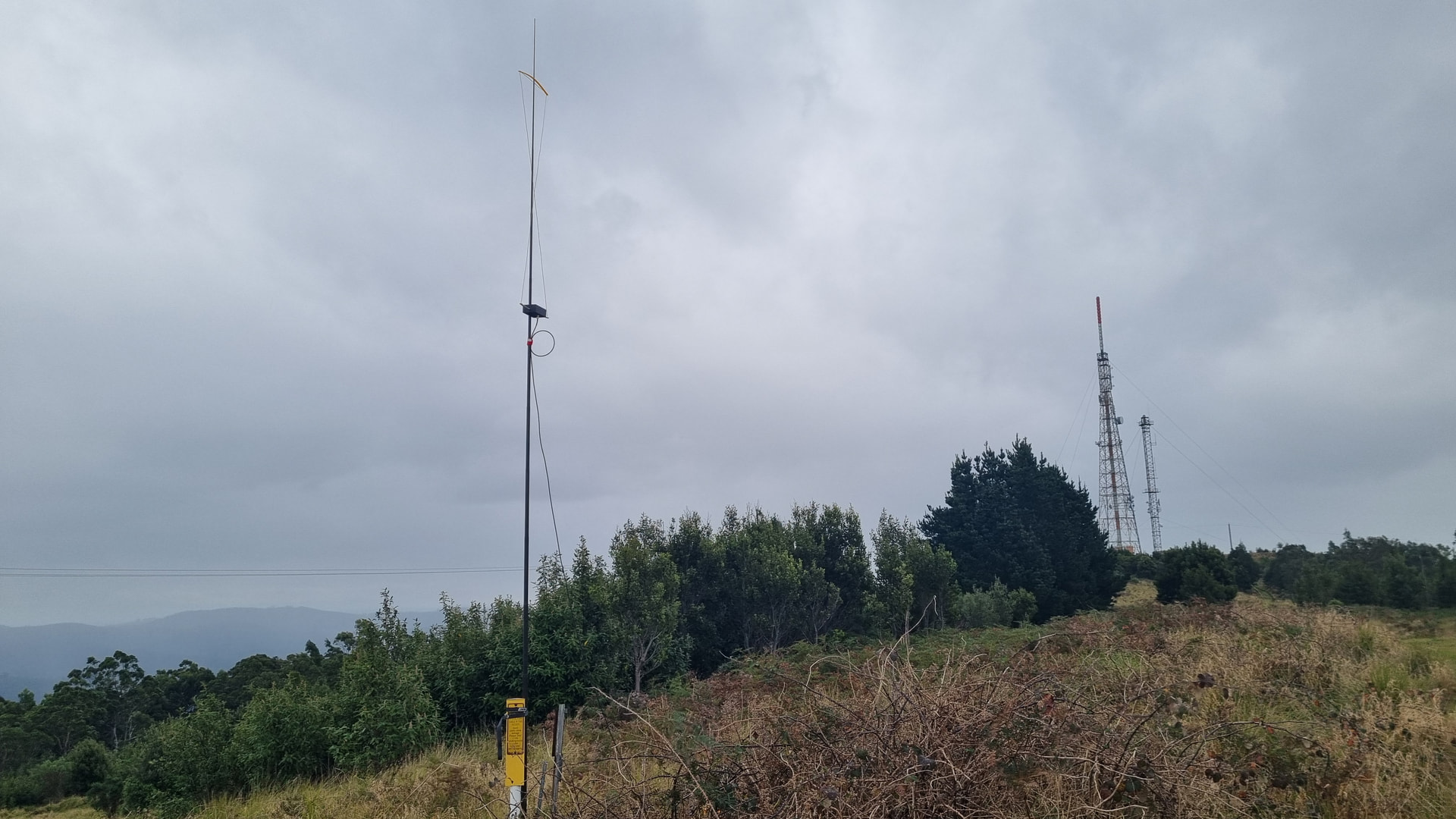
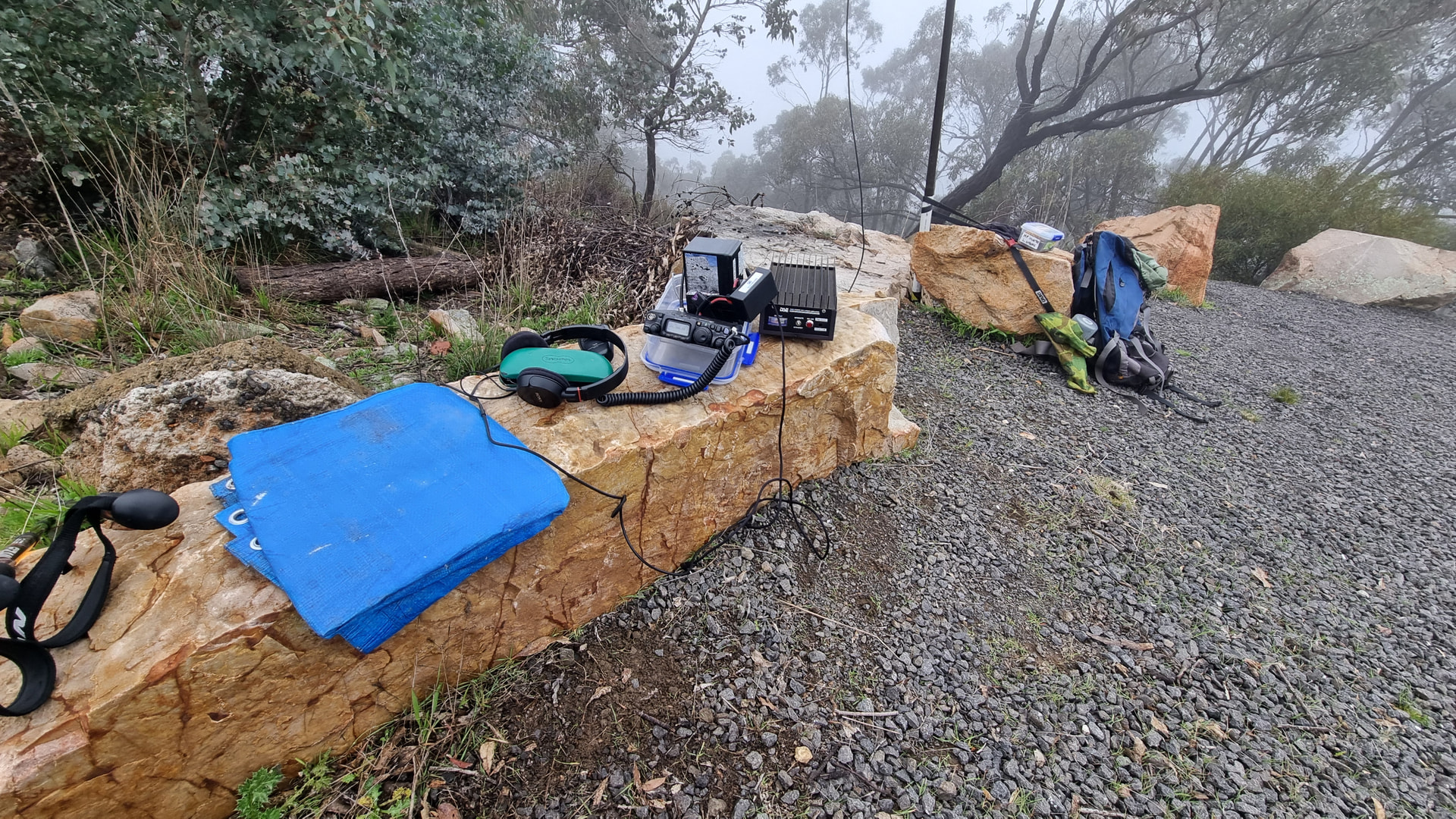
Finding a suitable operating position, I secured the mast to a boulder, connected up the FT817ND, 1980’s style amplifier, and the hourglass antenna.

Starting on 2m SSB I logged 6 QSOs in the first 5 minutes, ranging from 118 to 221 km, then, despite turning the antenna to several directions, nothing for the next 30 minutes. Changing the antenna to my Inverted L and moving to 40m I added 20 QSOs, then 20m gave a further 11 QSOs. The final 15 minutes of the activation was on 2 m SSB logging just 1 more QSO at 73 km.

Although I was prepared for rain, the activation at Mt Ida was dry, but the breeze lowered the temperature and did cause the mast to topple over once. Given the very makeshift securing arrangement, this didn’t surprise me, and the simple form of the hourglass antenna saw no damage when it thumped to the ground beside me.

The drive home through the hills to the north and northeast of Melbourne saw me back home in 3 hours, just in time for dinner.

8 Likes

…hi Peter, I listened out for you, but didn’t hear you at all. It was raining all day here, over 60mm of rain! Lots of rain interference (noise) on hf too. I closed down rig etc and went shopping with xyl for our groceries. :grinning_face:

Geoff vk3sq

1 Like