I have been planning for a while to do a “multi mode challenge” during one of my summit camps…CW SSB, FM, DV, SSTV and FT8. So today i played with my QMX+ to see if i could run FT8 from an android ‘phone.
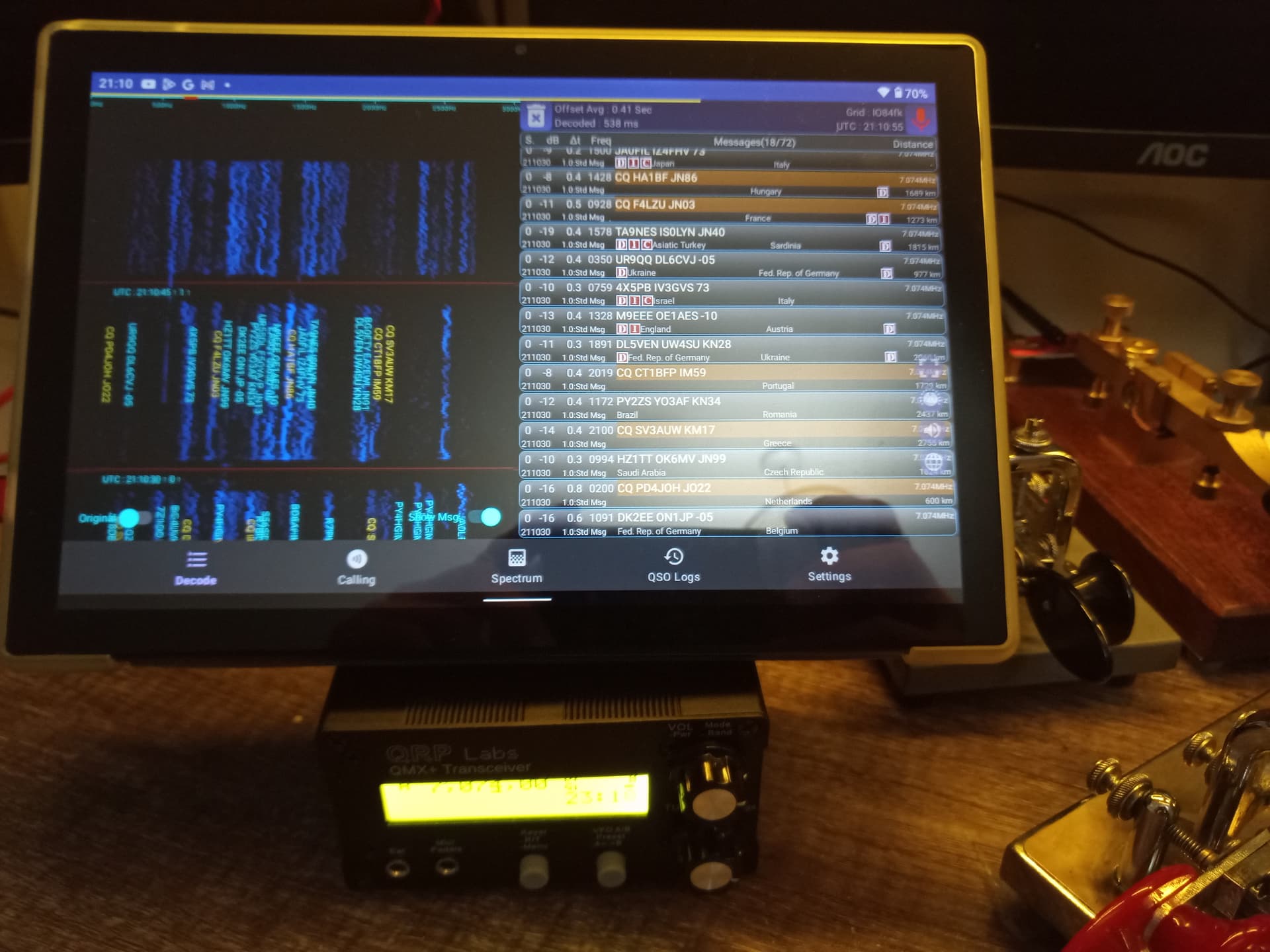
I was amazed to find that connecting a usbc cable from ‘phone to QMX, using the Android app FT8TW (available in the standard Android app store) i could easily run FT8. See picture.
FT8TW is brilliant…auto logging to qrz, mapping of contacts and an excellent spectrum display.
Using the same direct usbc connection i have also successfully sent and received SSTV using DroidSSTV.
It all looks hopeful for a multi mode activation. I just wanted to share this as I am surprised how well the QMX works when connected to a mobile phone
The picture shows the system running on a very cheap (less than GBP100) Android tablet, so i could use my phone to take the photo
My phone is an inexpensive Ulephone Armor…so nothing special
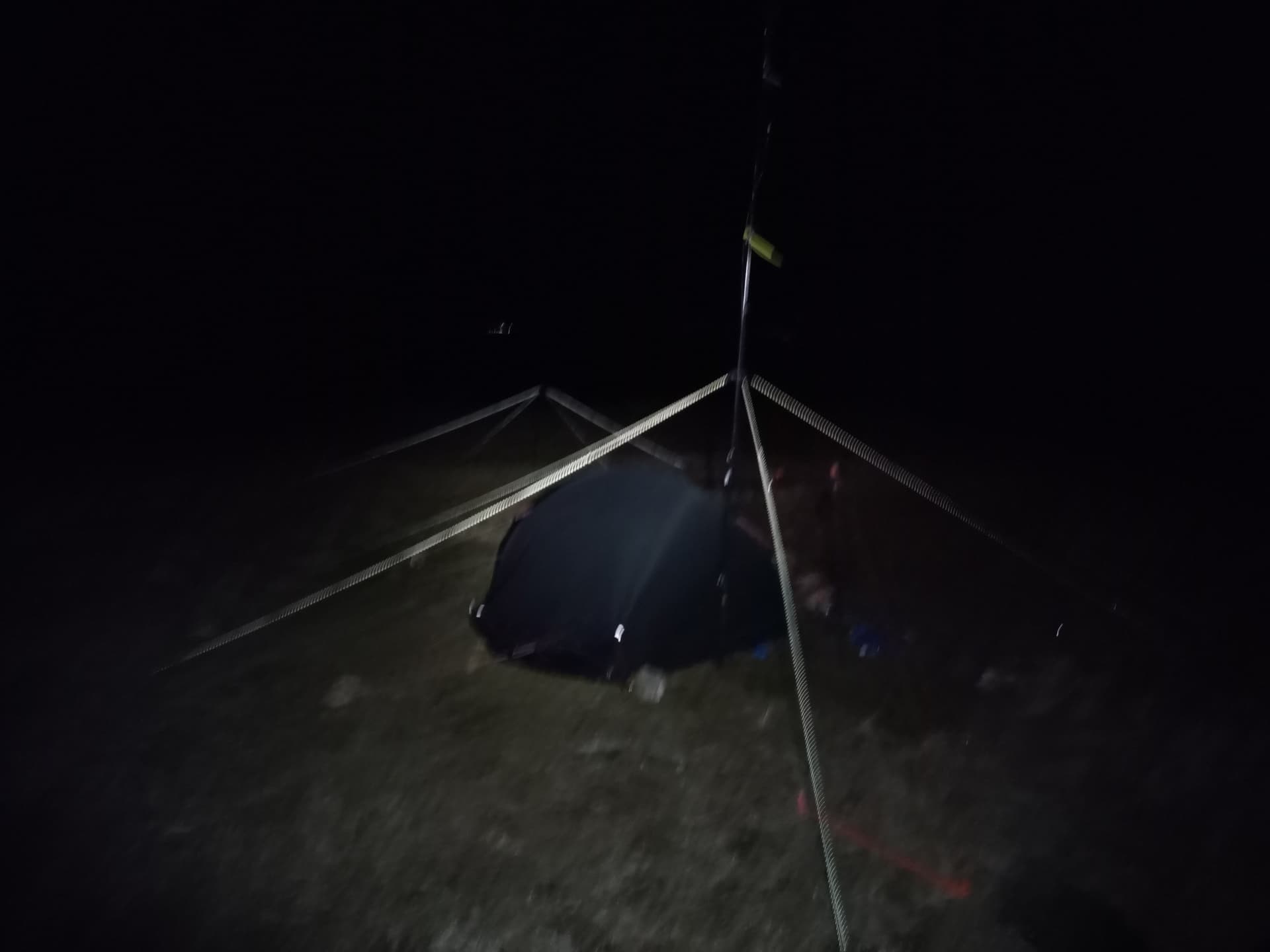
Well that didn’t go as hoped…i am writing this from inside ny tent on Seatallan G/LD-025. I have just had a session of FT8, using my android phone connected to my QMX
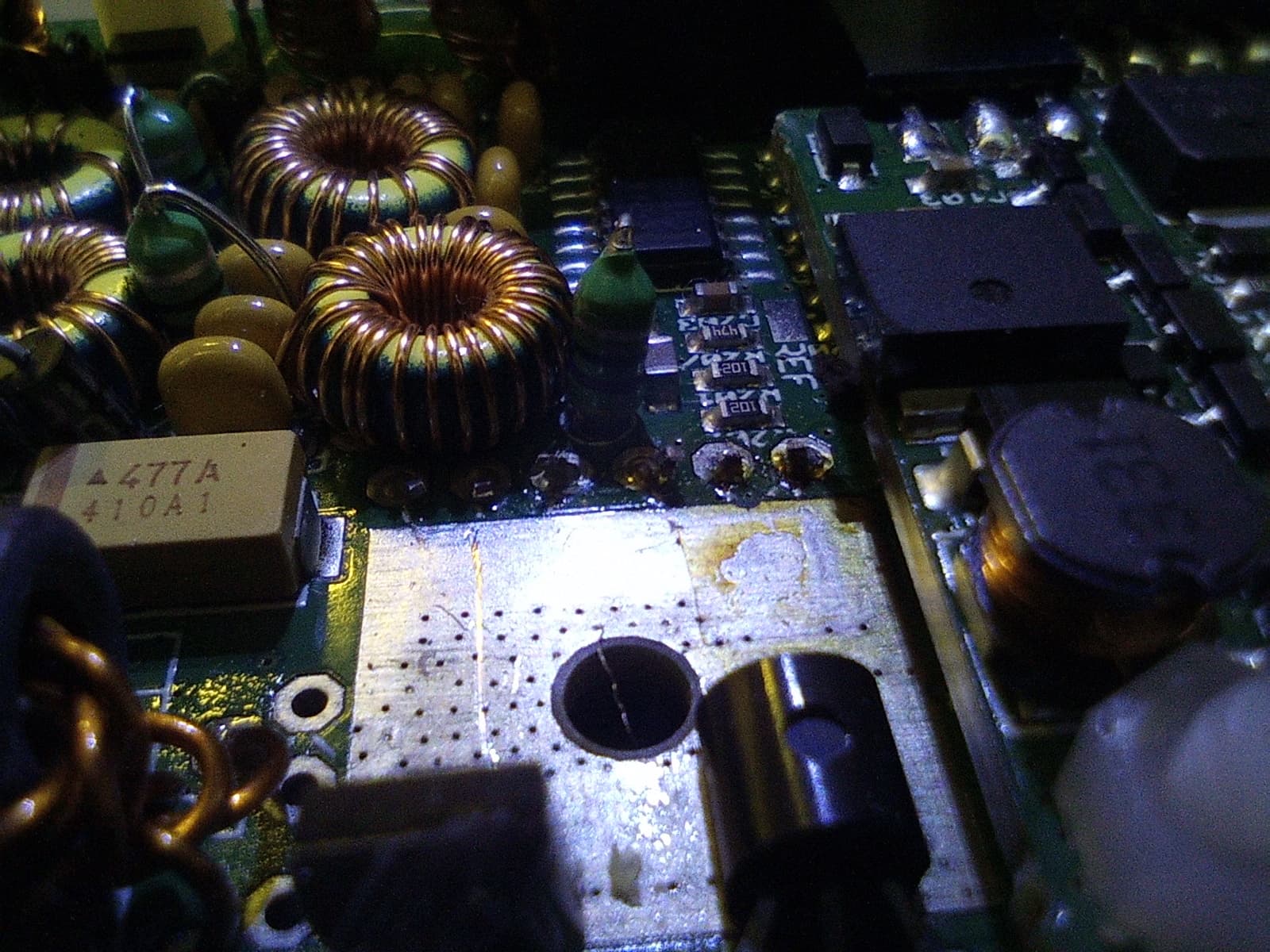
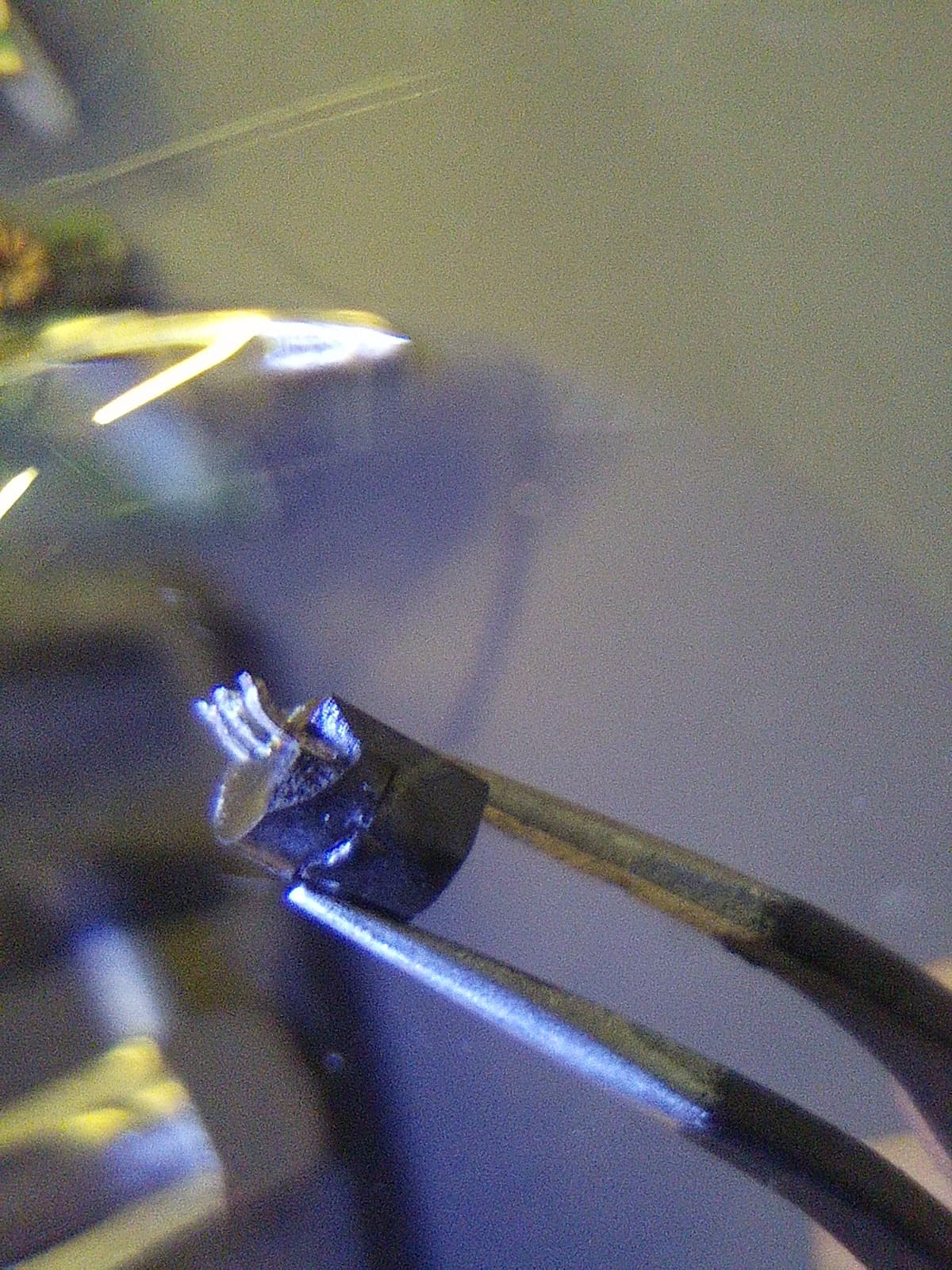
I made about 6 contacts and then the BS170 transistors failed in the QMX. I had an SWR of about 2 from my EFHW on 15m…so probably my fault.
Could have been worse, for a couple of mins after blowing the finals the QMX refused to power on…I’m guessing it has some sort of temperature sense.
Stocking to CW in future.
Bag of transistors already on order from CPC, and now i am making a hot chocolate to commiserate. At least i still have a couple of 2m radios with me for the rest of the night.
One of the BS170 transistors was already dead when my kit arrived. I ordered a batch of replacements; they’re slightly larger than the originals, but they work perfectly.
Yes, SWR protection was turned on, it was set to 3…SWR was a little over 2 at the time the finals went bad, probably as high as 2.5, so it was my own fault.
I have a Z-match that I bought from Kanga, but I don’t find it to be very effective, and was not using it at the time.
There are suggestions in the QRP Labs groups.io that the BS170 failures in the QDX are caused by voltage spikes rather than overheating. The source of the spikes is from the inductor in the power supply to the final amp. There are two suggested solutions; either a diode (IN4148) across the inductor to quench switching transients, or two 47 V Zener diodes, one across each pair of BS170s to limit the spikes. You might want to investigate if one of these ideas might help your QMX.
It should be no problem for QMX because of envelope shaping. Because of this there are no such spikes. The QDX has no PA voltage regulation - no envelope shaping.
Combination of full voltage (or a bit more), bad SWR and 100% carrier over a long time are dangerous.
@M0MZB: Sometimes one or more BS170 are broken the driver IC503 is affected. Please read here. (Maybe you would need an account for the QRP Labs forum.)
You are absolutely right, i had to replace ic503 in addition to the bs170s. My QMX is now fully working again.. and i have 25 spare ic503 and over 100 apare bs170, so well prepared for future issues
I’ve had a bag of BS170s for a decade plus and never had to use one for a repair.
I once blew two 1A fuses in succession using my MTR-2B - it turned out to be a worn RCA socket and the antenna connection was intermittent. The MTR has been totally fine since I replaced the socket.