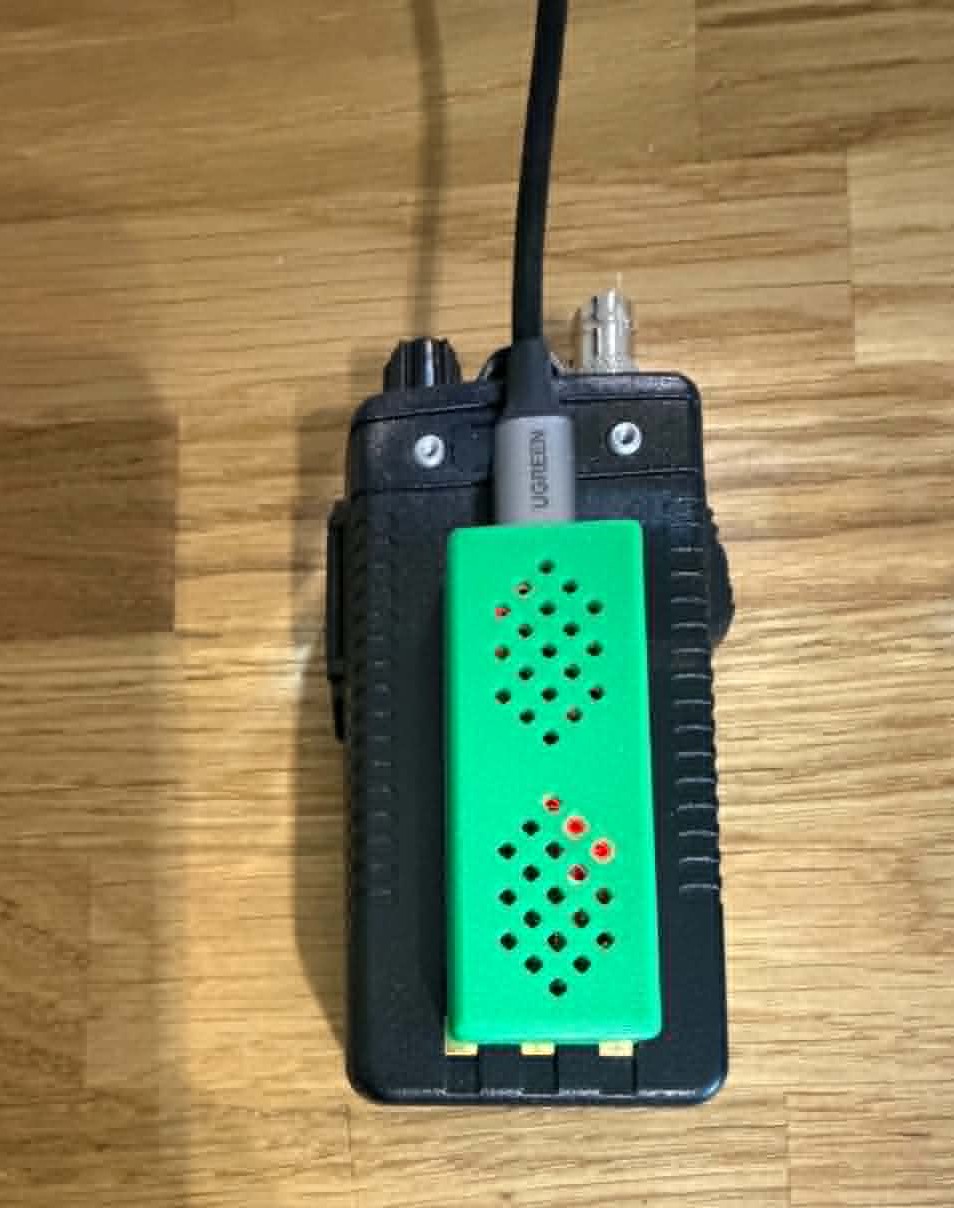
Really like my Yaesu FT-65R but I’ve always been frustrated that the only way to charge it is with the bulky desktop cradle.
I spent quite a while searching online to see whether anyone had come up with a more portable solution. There was plenty of discussion about it, but I couldn’t find anything that really matched what I wanted, so I decided to build my own.
My cheapo baofeng uv r5 mini has a usb c on the back of the battery for ease of charge - makes me disappointed that a not-so-cheap radio, like the ft65, doesn’t offer anything similar.
I’d say he should “copyleft” it and share it freely as is the spirit of amateur radio and self-education and improvement. Perhaps someone has some improvements or alternatives that could be built on top of Ian’s work for the greater good of the community.
Yeah, me too. I used an extended aftermarket battery for my UV5R which had a 3.5mm power socket on the side. It was charged by a little USB A to 3.5mm charger, which weighted and cost nothing! The FT5D has a power socket like this but takes an age to charge.
Thanks for the idea but the key learning for me was just how fast and easy it is to design and build using AI, 3d printing and free software. and next day delivery of low cost components!
I discovered this with a torch. I have a charger with USB A and C outputs. The torch would charge with a USB A to C lead but not with a C to C lead. It’s because USB A is always outputting 5V but USB C needs at least 2 resistors to output anything. So the manufacturers are too tight to pay 2 cents for extra parts. It may be because they have changed from micro USB to C without understanding the implications.
Printables = Prusa
MakerWorld = Bambu Labs
Thingiverse = Taken over recently by some crowd, I forget who
Those would be the main ones. Probably more out there. My two Yaesu models are on MakerWorld, just because my printer is by Bambu Labs so I had an account already.
This is one of the main things I miss about my cheap Chinese radio collection - being able to charge them quickly in the car, or off a power bank, or from one of about a million quick and convenient options.
Would totally agree - unless you’ve got a refined and finished product that you’re looking to make a few quid on, then it’s always cool to go open source and open the idea up for possible improvement. I’m currently having a look at all-in-one PD trigger and charging boards, wondering if there are any downsides to the slight reduction in size. I was also thinking something that clipped onto the grooves in the side of the battery would be useful, but that might require a different electrical contact method.
In my experience, the Baofeng UV-5R Mini and Tidradio TD-H8 worked perfectly with any flavour of USB-C PD, but the Radtel RT-920 would only take power from a USB-A to USB-C cable for probably the reason mentioned by @G4TGJ above.
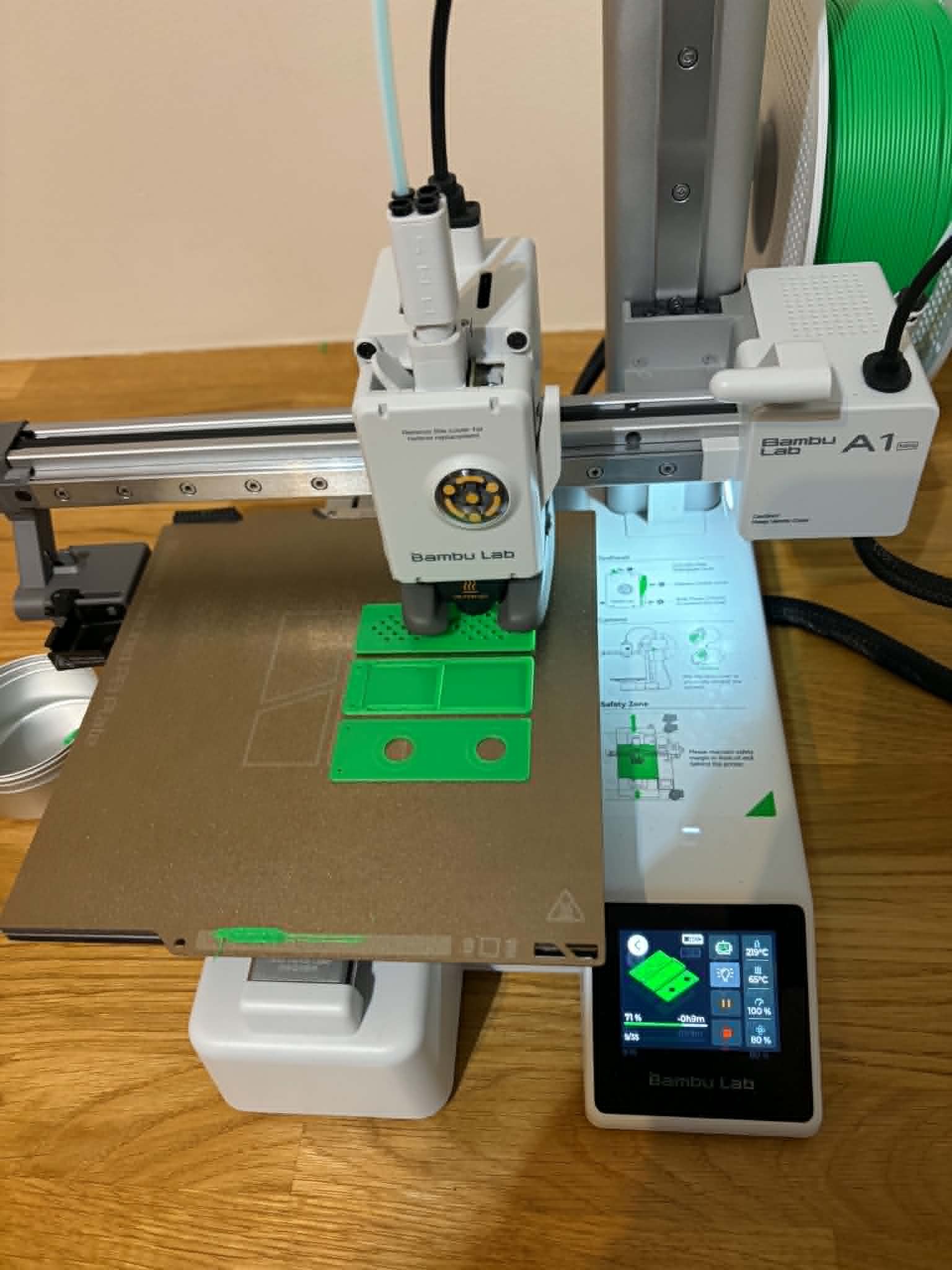
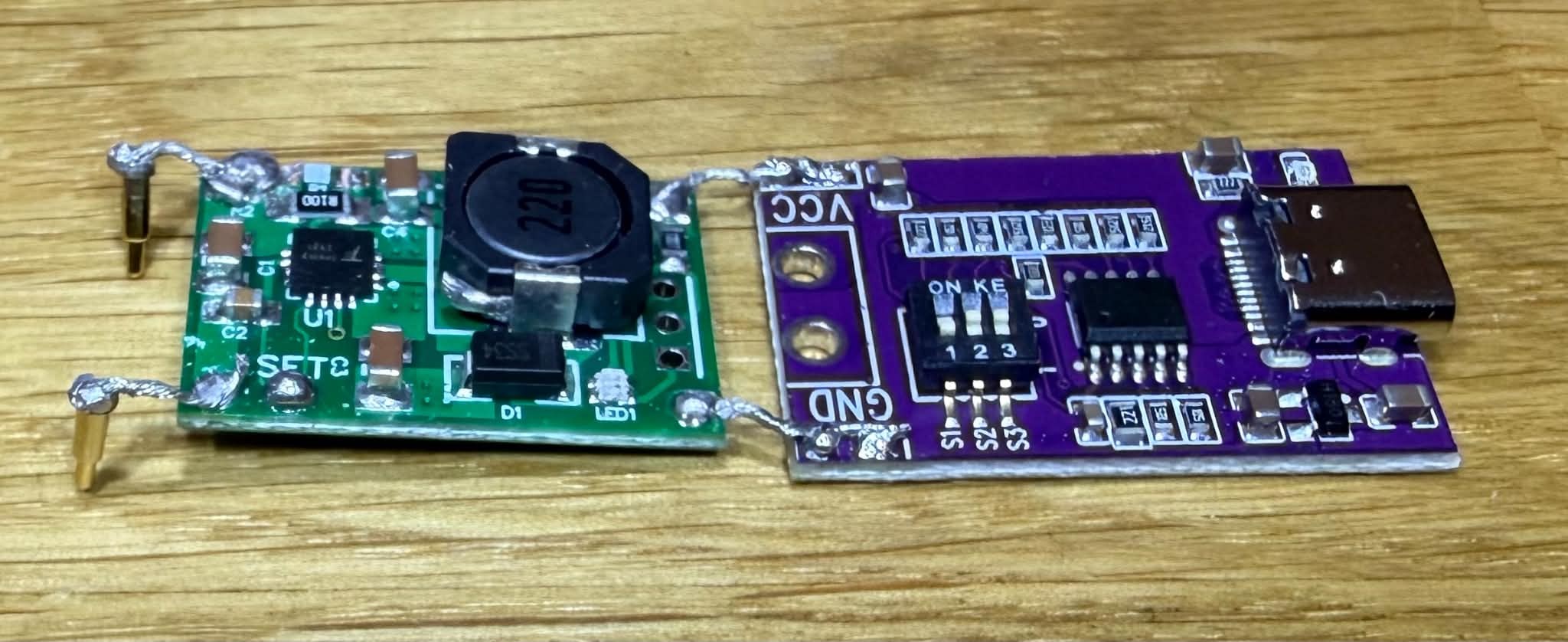
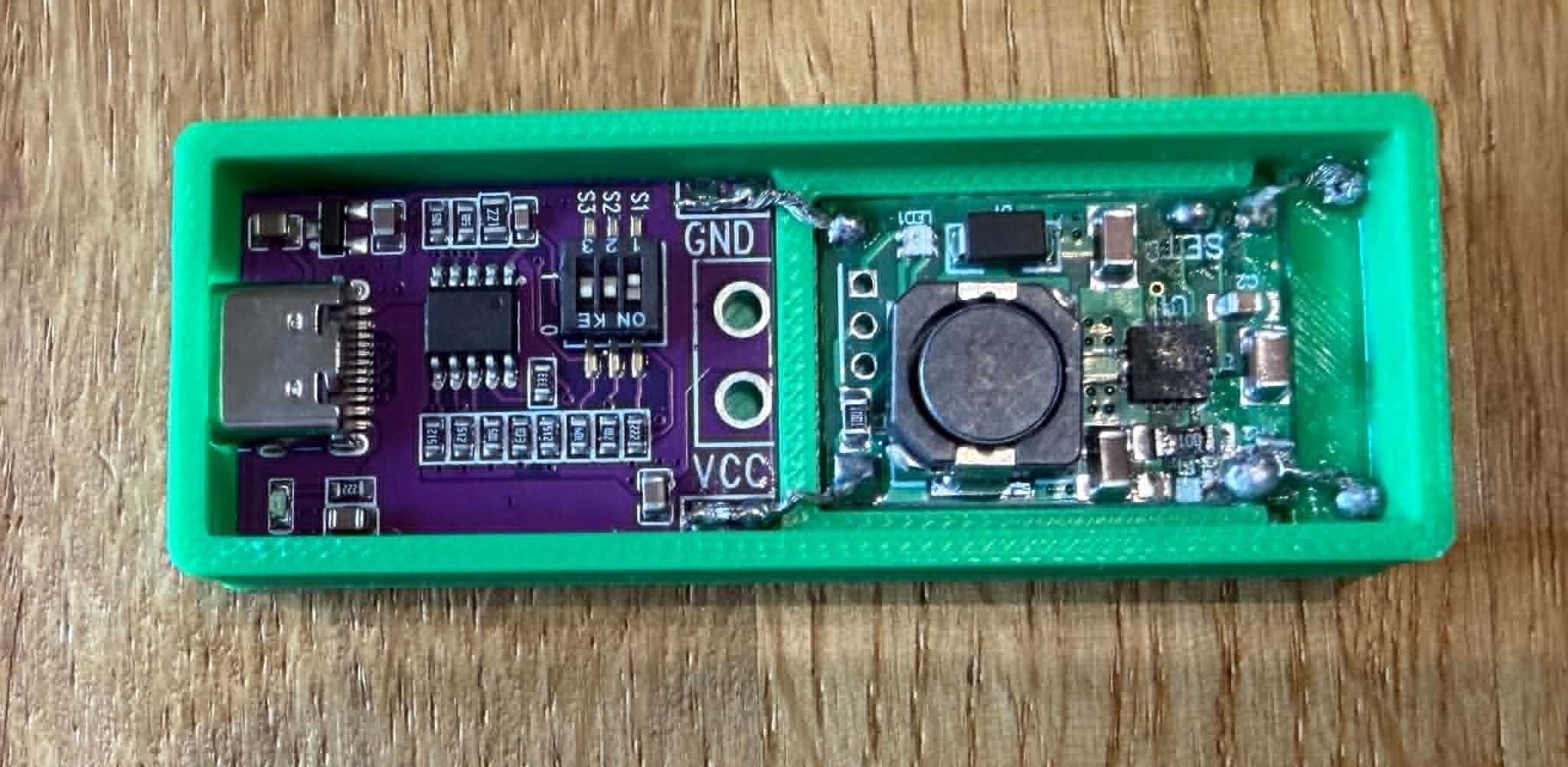
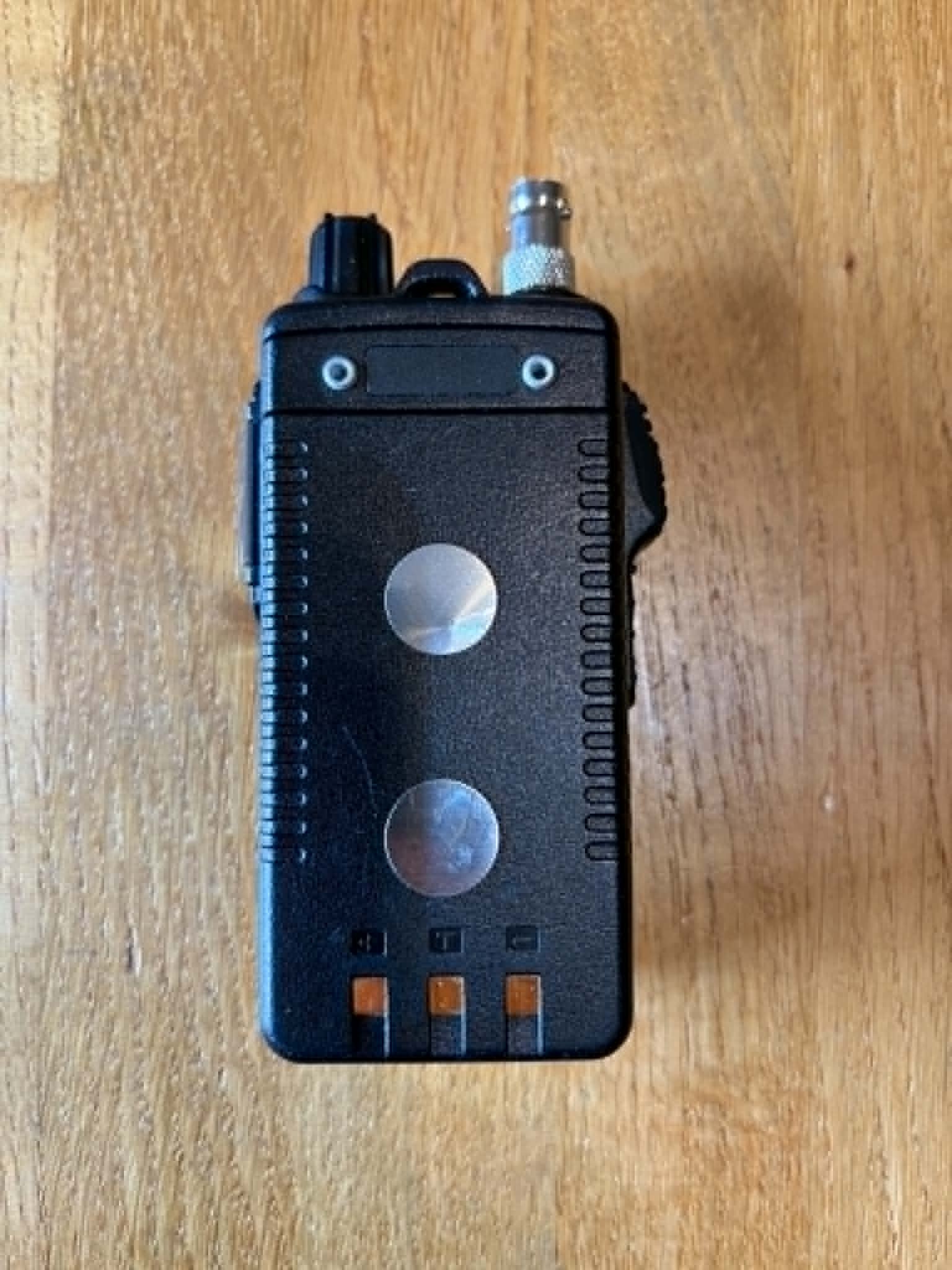

 and next day delivery of low cost components!