. . . and the third one to support your ears or eyes during the hikes is PeakFinder. It helps me to name all these visible peaks around me after listening to the birds and discovering the local plants.
73, Markus
. . . and the third one to support your ears or eyes during the hikes is PeakFinder. It helps me to name all these visible peaks around me after listening to the birds and discovering the local plants.
73, Markus
I like the way you can slide its ‘panorama drawing’ outline of the hills left or right to align it with the phone camera’s view of the scene.
One small problem: it displays vertical lines tagged with the names of the major hills / mountains. They can be up to 300km away but you don’t know how far in each case, i.e. is it before or over the horizon?
You can use this one, it’s the one I prefer but I have never tried it in-situ but only when looking at photos back home.
Yep, had that one - they are close relatives apparently
(I hope I don’t sound like my close relatives ….)
Rick
I’ve mistaken one of those for the other on the odd occasion, and I’m a wildlife biologist and bird ringer/trainer 
try Merlin on Goldcrest/Firecrest calls 
I can’t hear either of those two GC/FC now unless I have my hearing aids in 
I’ve been told by a much more experienced birder that he’s heard blackcaps and garden warblers mimic each others calls. 
Learning bird call and sounds was best thing I ever did in terms of species identification.
Good luck with the ringing - I’ve watched ringing take place but I feel I’d just be too clumsy in getting small birds out of the nets and fearful of crushing their legs when putting the rings on…,
It’s not compulsory to use nets - there are lots of other trapping and catching methods that can be used and, for many of the ring sizes and types, you’d have to work really hard to cause any injury, with the special tools available to us.
The permit system is very modular these days, which enables you to focus on just those species you want to study
Anyway, very off topic so I’ll stop there but do send me a PM if you want any more info 
Thanks for the offer.
May be of interest to anyone in the UK and Ireland and further afield:
I birdwatch and nearly always carry my Ziess binos. Always something to see through them even if it’s a close up of the distant fells and hills.
The BTO tracking of ever smaller migrants is stunning.
Likewise. I bought the Nikon Prostaff P7 8x42 and 10x42 bins recently and they go everywhere with me.
I was doing an IOTA/Double POTA ATNO last weekend and the 8x never left my side. So good for scanning cliff faces, ships etc. Even close up the 8x are great.
Bins + Merlin. Job done. 
Just on the Cuckoo trackers. Is it possible to access the satellite data or would that be encrypted transmits?
Not sure if anyone is up to speed with the Curlew problem in Ireland, but around 98% of the population has disappeared since the 1980’s.
I’ve tried for ages to spot a Curlew and today on the way home from work I spotted one.
Well, not one. SIX of them. All in a row digging their beaks in the sand! Just thought to share the joy of spotting so many in one go today after trying to see just one of them for so long.
Not sure what the Curlew situation is like elsewhere but here, Ireland is trying to bring the numbers up again and it is proving successful, thankfully.
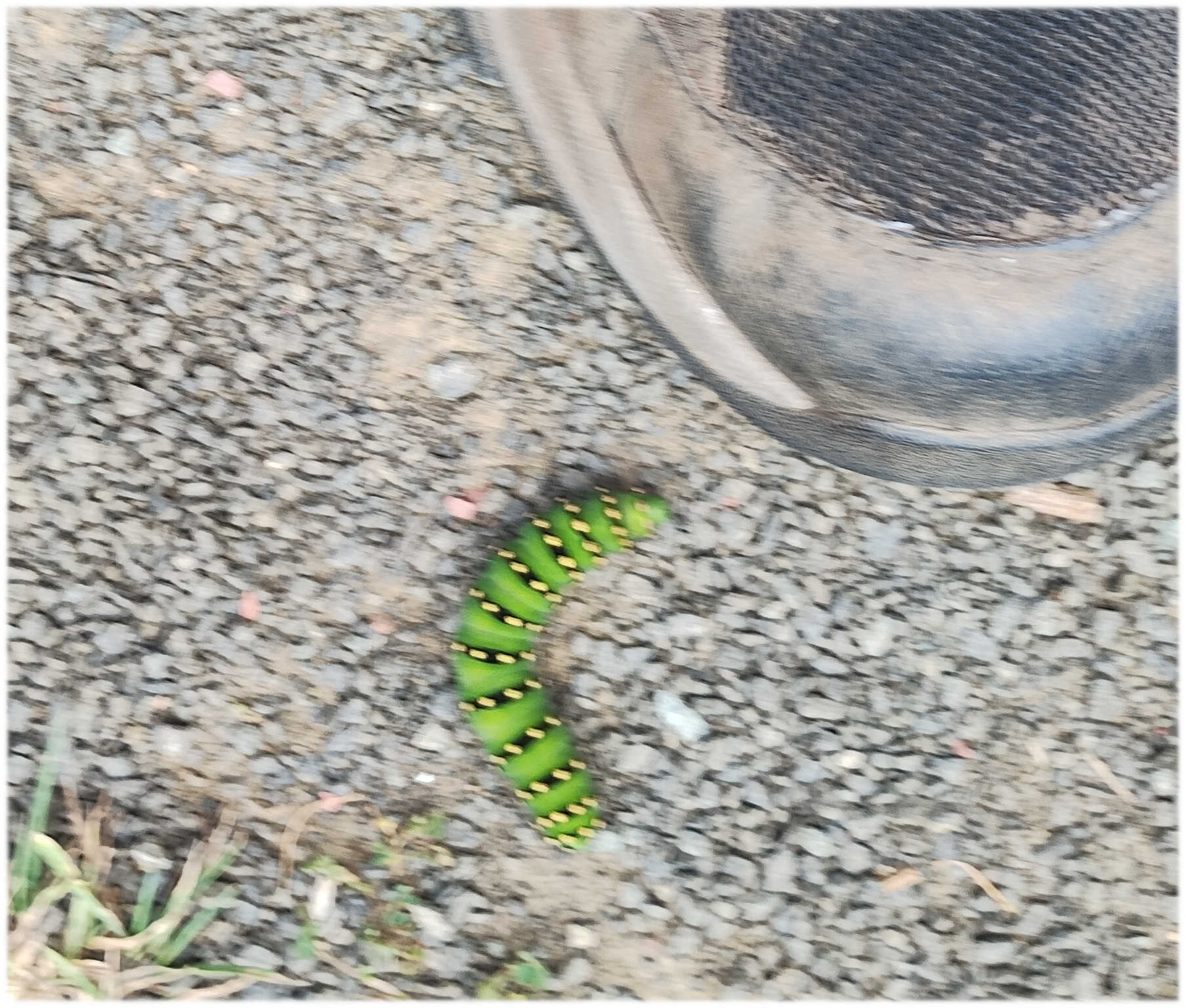
Not a bird but I saw the biggest caterpillar I’ve ever seen when out “dogging” yesterday. This will be an Emperor Moth. EU 44 sized shoe for scale.
It turns into these:
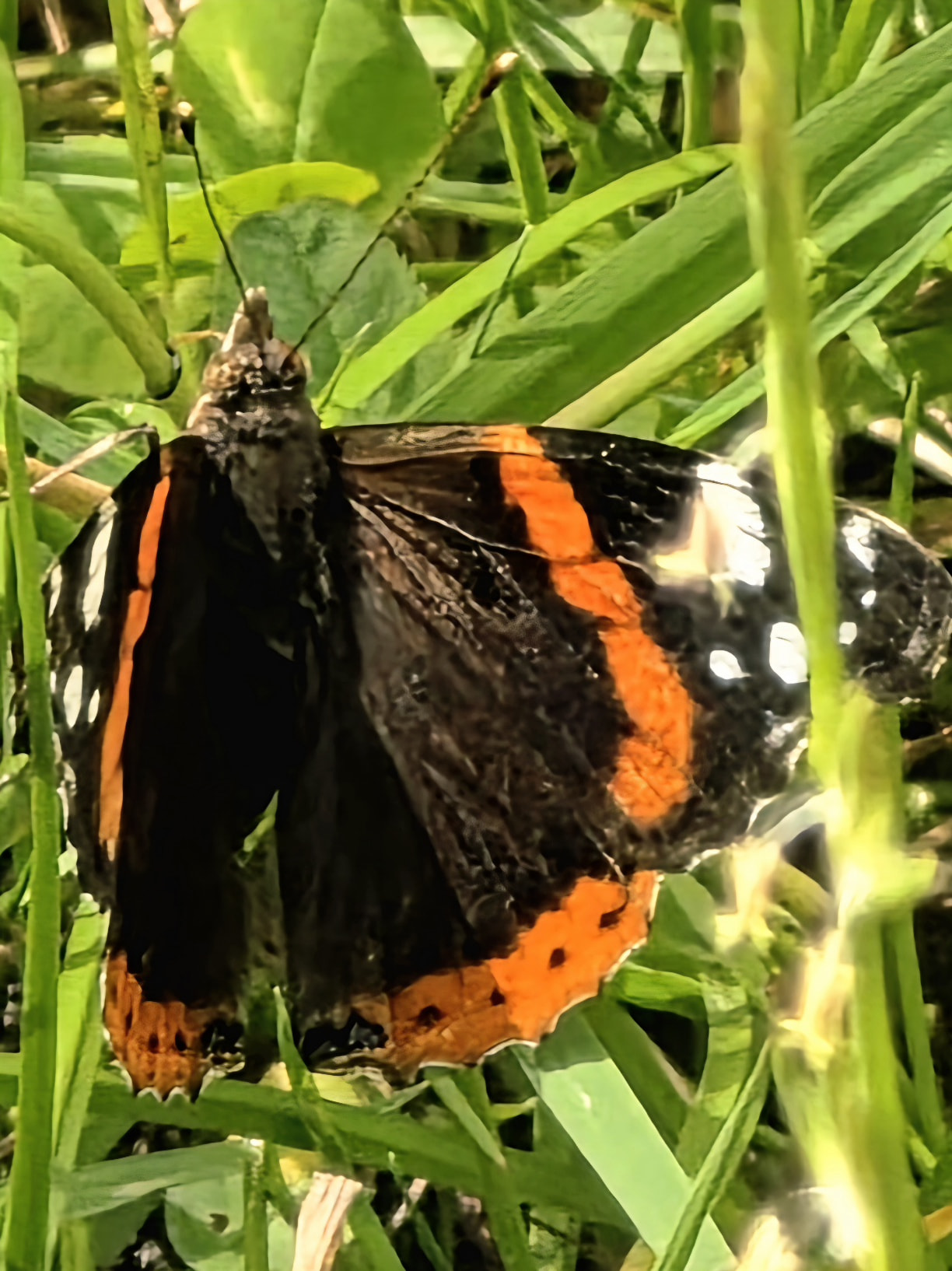
I took a couple of snaps on Sunday of a Red Admiral and a Ringlet:
Then happened upon a bunch of Damselflies and this bad boy:
The aptly named Chaser dragonfly! He was a bit nippy though and tough to get a photo of. I tried my best!
Same here in the UK and for the same reasons: modern farming, habitat loss and high predation. I still hear and see them here on the River Kent estuary [G/LD] but they are likely to be coastal wintering migrants rather than locally nesting birds. There’s a local action group (Curlew Recovery South Lakes) trying to reverse the trend.
Interesting use of drones here:
Sounds like they are doing some good work. Hopefully the trend reverses in the UK too.
The project in EI is mainly based around Sligo. I think there was a feature on it, or a similar story in the Sligo area featured on Springwatch recently.
Still can’t believe after all this time trying that six Curlews were there in a row yesterday. There was probably heaps more but I was on the train home from work and going too fast to see. I tried to take a photo but it’s just a blur unfortunately.
Might head down at the weekend for a LLOTA activation to see are they still there. There is a photo of one at the same location on the Bird ID app that was taken on June 16th so they’ve been there a while anyway and confirms I wasn’t imagining it yesterday (nor were they Whimbrels!).
Its been several years since I last heard the call of a curlew or saw a flock of lapwings, things that I used to love. A couple of years ago Pauline and I had a week at a small rural caravan park in Shropshire. I was appalled by the paucity of bird life there compared with the thriving community in my suburban garden, it made me remember that book “Silent Spring”, yet at the time that book was written bird life in Shropshire was abundent. Clearly lessons were not fully learned.
I see and hear lots of curlews, lapwings and oyster catchers here in G/NP land. In spring curlews fly over the house. These birds do much better in northern England than elsewhere in the British Isles where they are severly threatened.
I also see magnificent red kites which are now very common thanks to an amazingly successful reintroduction programme. The large number of kites doesn’t help the ground nesting waders although not because they are predators (they mostly eat carrion and worms as their feet are not strong enough to deal with live prey) but because they can frighten the other birds away from their nests and may opportunistically raid a nest.
Great day today. Bands were kind and my KH1 performed like a beast on low power and the telewhip (2 QSO’s to USA and a boatload more).
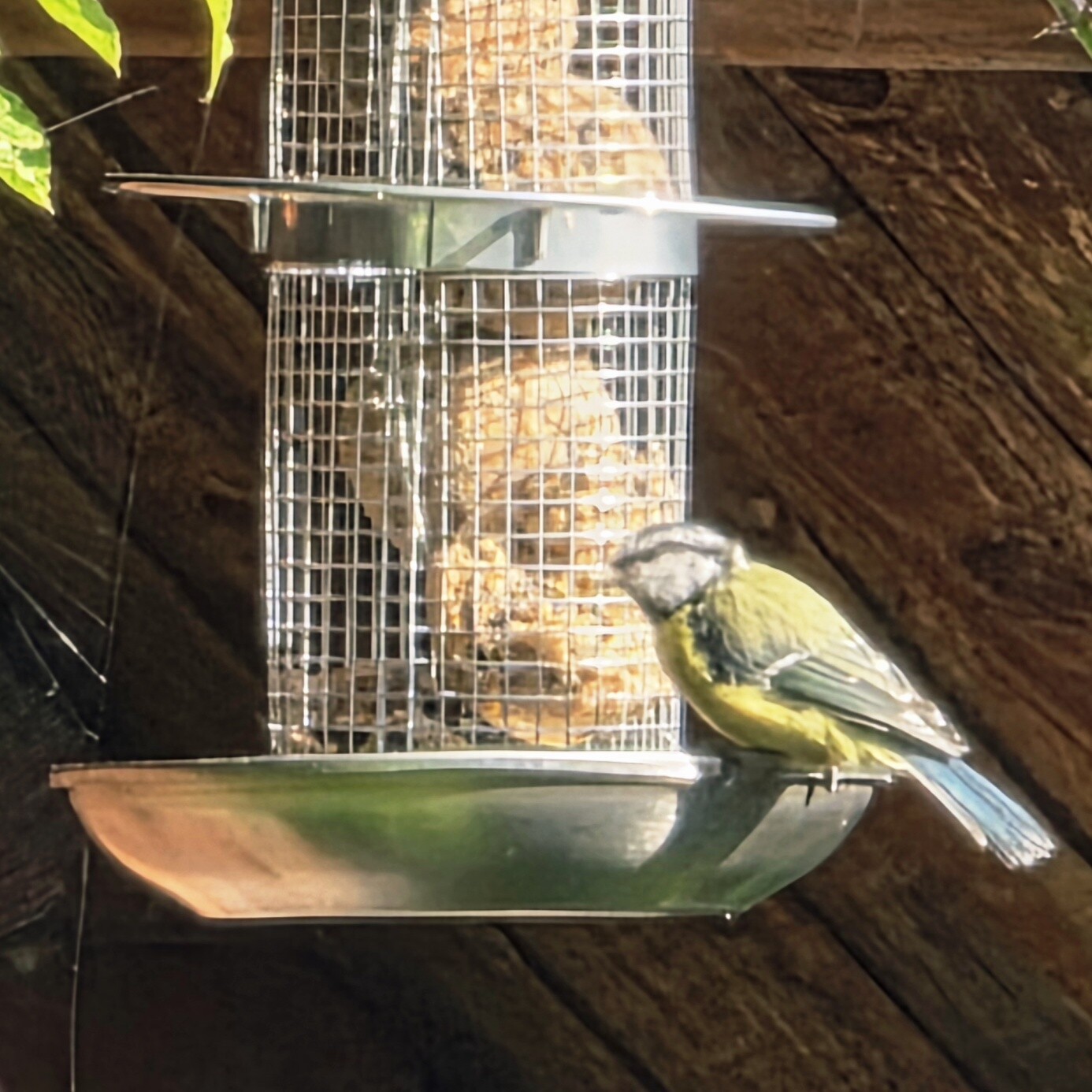
Better than that, Mini Ted Nugent and Mini Frank Zappa marched me to the local pet shop recently and we bought a bird feeder for the garden.
Nothing for about a week, and then…
We have never seen Blue Tits in our garden before so to have this happy camper as our first customer was a surprise!
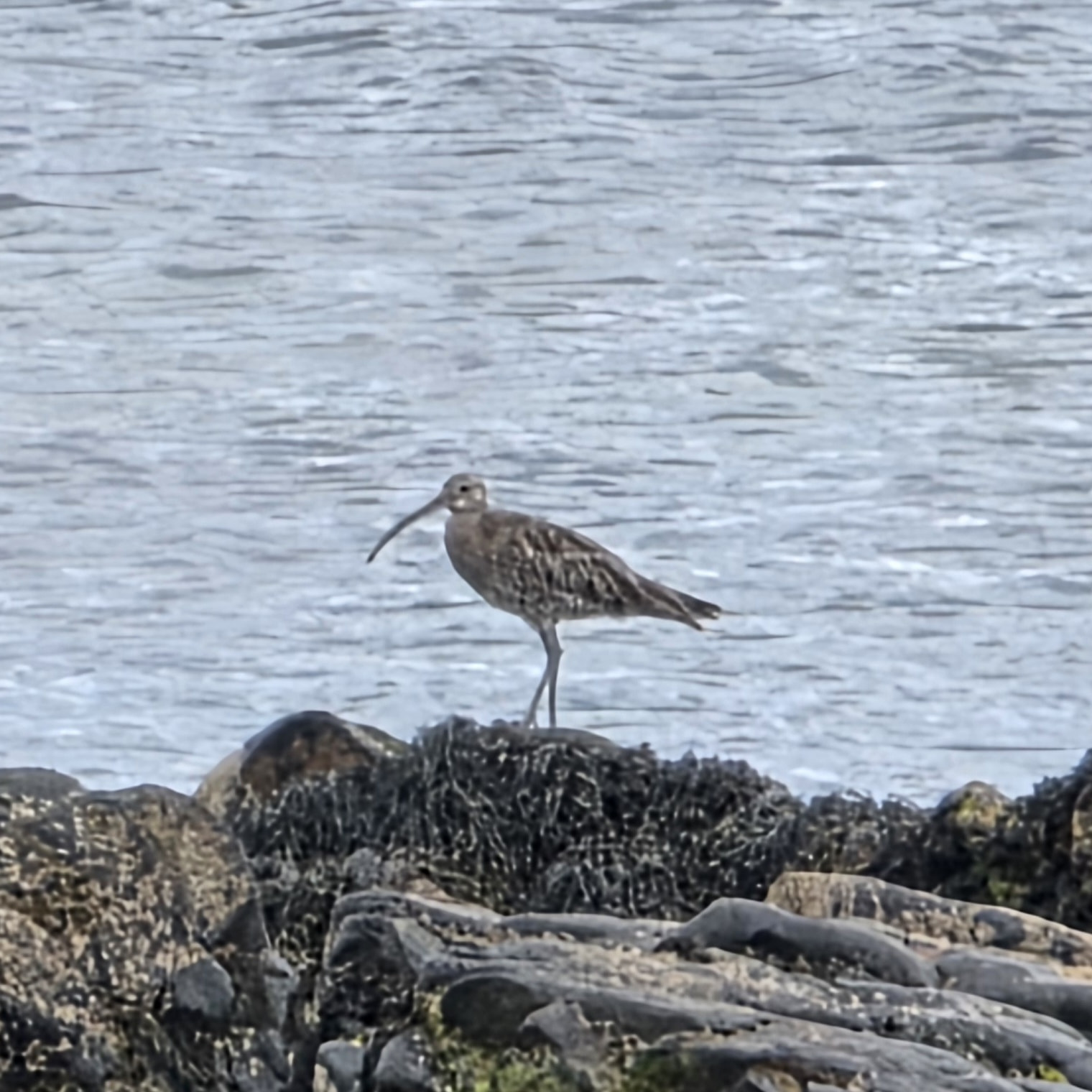
Then, today, we went out to the beach for our usual toepoke and saw not one but FIVE ultra rare DX entities the second we got out the motor!
Sorry the rare DX (remember that the Curlew population has declined in EI by 98% and there is a project ongoing in 2026 to reintroduce them) is a bit blurry, I had to zoom in and snap it fast before they all flew off.
Amazing they were even down our way as they should be up around County Sligo and County Fermanagh. They were at the Estuary when I saw them in the mud a few weeks back on the train, but first time I have ever seen them at this location. Even the information board by the sea says they do come there but in the Winter.
Needless to say, Mini Ted Nugent was delighted with himself. As was I. What luck! 
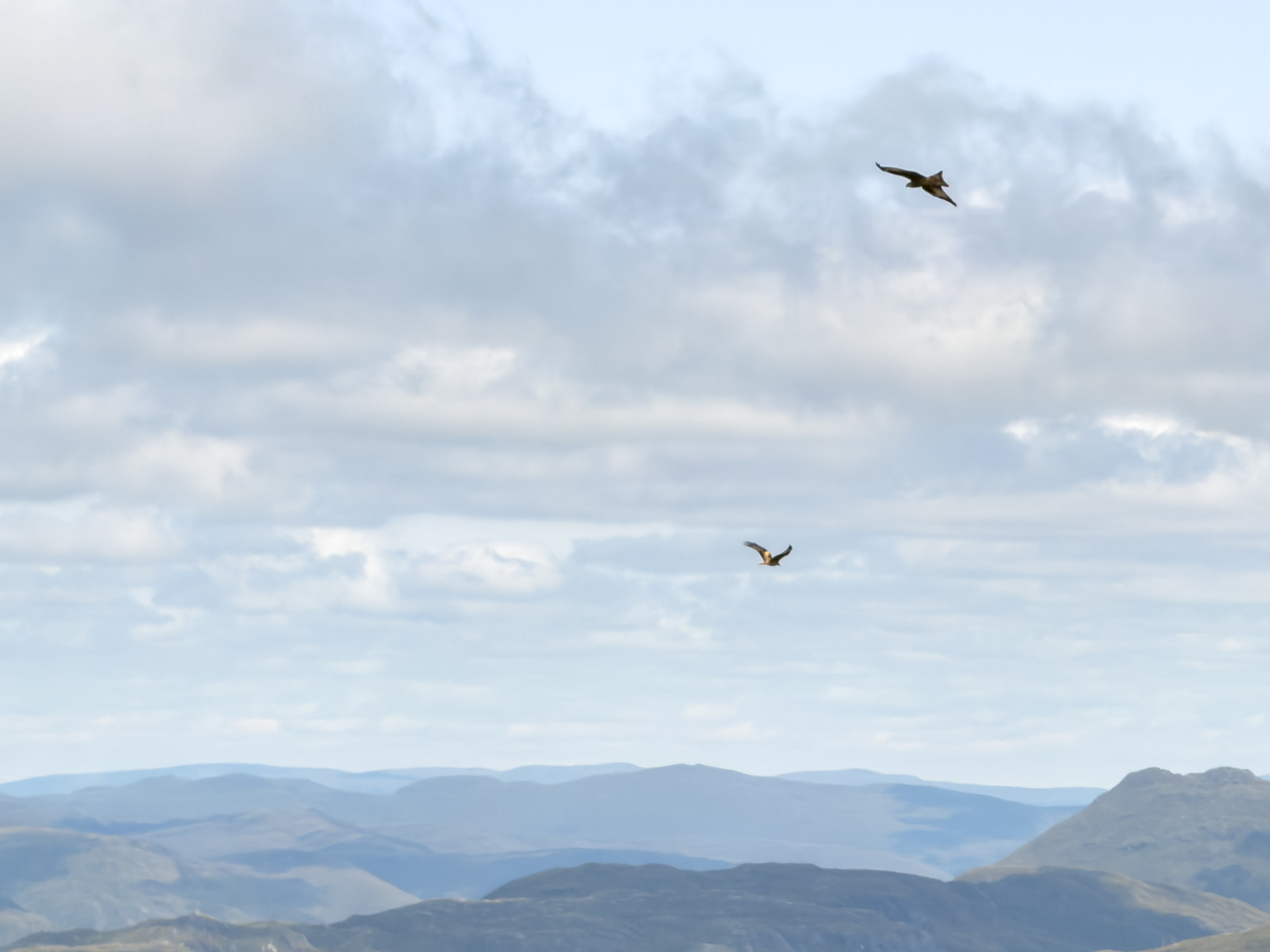
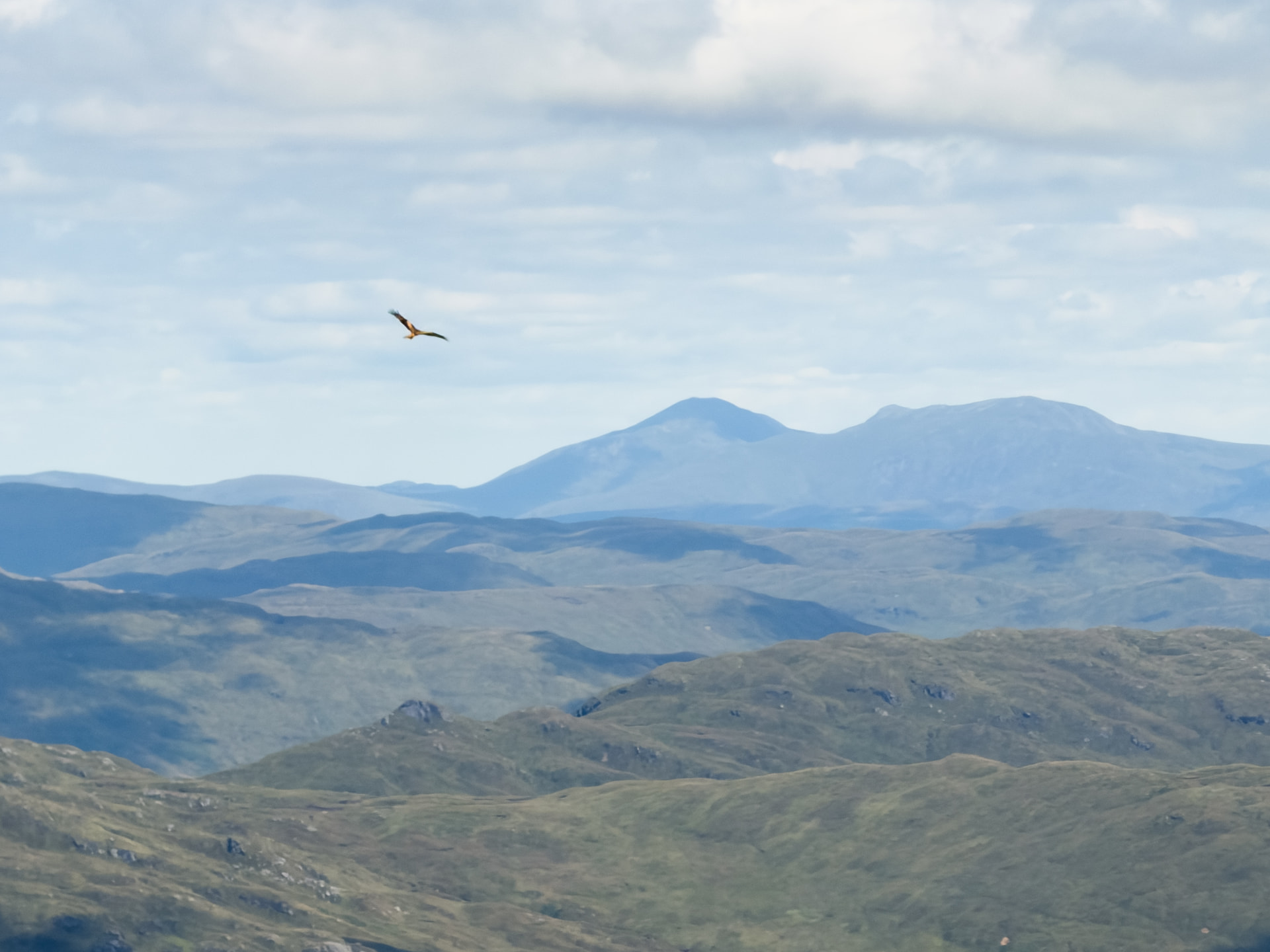
I had a very cool encounter with two red kites on my recent activation of GM/SS-017 Ben Vane, a pair of them swooping and soaring right by the summit and then disappearing down into the glen.
In lieu of having a 400mm lens in with my radio gear, I managed to snap some phone photos with the “8x” setting on my phone, and well after they were at their closest point.