The software offers now a switch to turn distance on and off.
Class snaps with your blower sir. 
2 Likes
You will get plenty of customers come the autumn, its not a good time of year for the small birds, even our very self-confident robins are tending to lurk!
Actually I have several feeders in my patch but most of them I have let empty, following RSPB advice, as they are a means of spreading disease in the hot weather. My exception is a feeder of sunflower seed hearts, since they take one and eat it elsewhere. They all go mad for sunflower hearts, it can be quite hilarious to see a magpie trying to imitate a blue tit’s acrobatics, the crows don’t bother, they just lift the feeder off its hook and drop it to the ground to empty it! I have to tie feeders on with wire, they soon learned to chop through string.
4 Likes
Related to this…
If someone were to accidentally decode some of those pager messages that are the bane of the CCR* owner, they might find there’s a sotawatch style system for rare birds  (If it’s still going)
*Cheap Chinese radio
1 Like
On the general topic of birds, I’ve just heard that Bill Oddie has died. A multi-talented man, comedian, musician, TV presenter and so on, he is probably best known now (except amongst Goodies fans!) for his books and TV programs about birds and birding. I have some of his books, tonight I will read them again with a glass of malt to raise. This probably belongs equally on another thread!
2 Likes
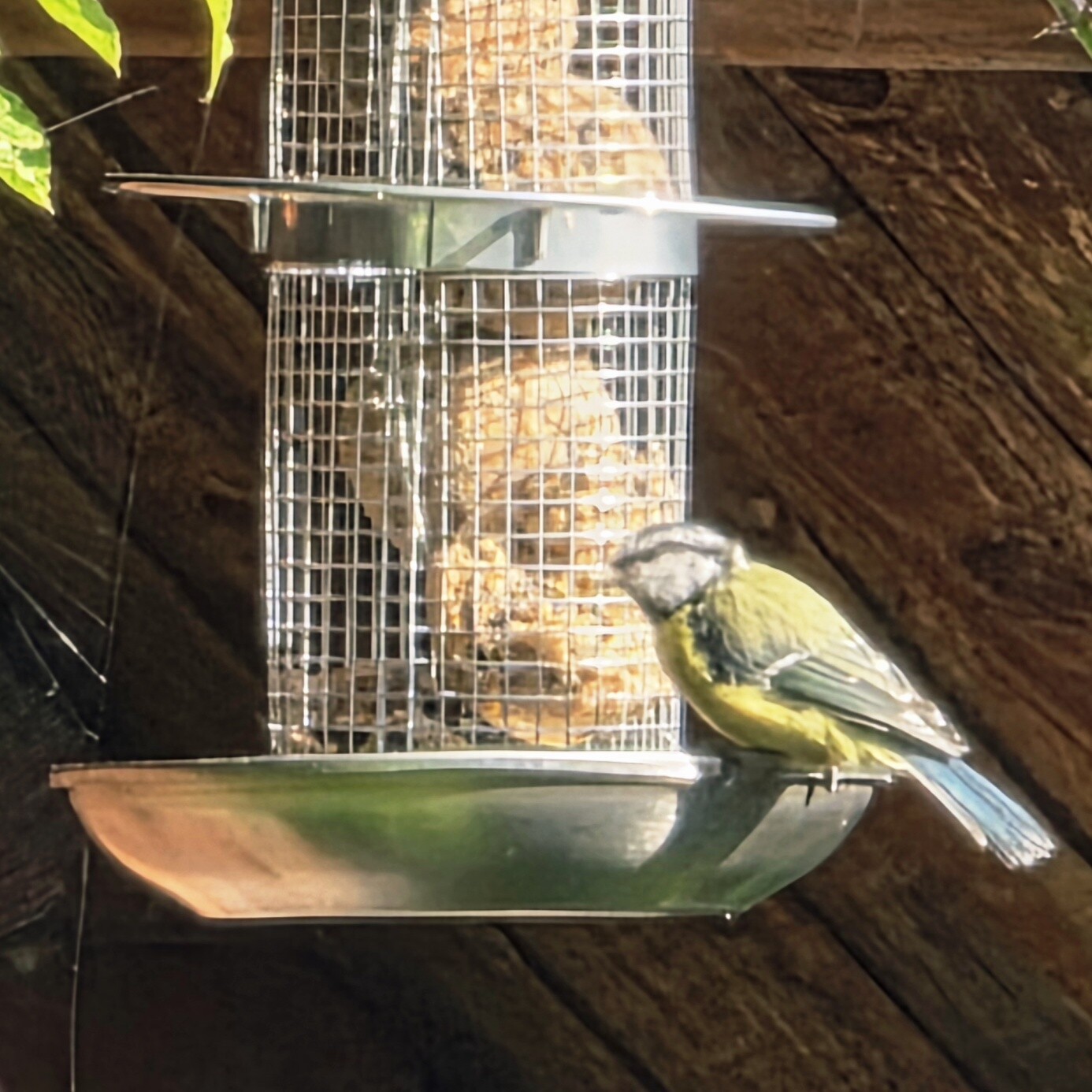
I thought it might be too but the striping on the crown is different. Doesn’t the Great Tit have a black cap/hood?
Yes, the Great Tit has a black crown down to the eye, the Blue Tit has a black eyestripe. The one above is a juvenile, after the moult its grey crown will become blue. Its a confusing time of year with juveniles mixed with post breeding season scruffy adults about to moult…and also the quietist time with least activity and songs or calls - except for the wood pigeons who never lose their sex drive and never ruddy-well shut up! 
2 Likes
We get coal, blue and great tits here. There’ve been broods of all three, and you have to look at the head markings to tell the juveniles apart because the size differences are less obvious and they all look a bit yellowish green.
2 Likes
Same here, plus frequent visits of long-tailed tits. We also occasionally see a stranger, I’ve never decided if they are Willow or Marsh Tits, they are too similar to each other so it needs an experts eye! Another attractive regular visitor is a pair of Nuthatches, strong enough to ignore territorial robins and blue tits!
1 Like
Then along comes our Sparrowhawk - but it prefers feral pigeons