It’s only fossil fuels that are against the SOTA rules, not combustion. So a candle powered radio would be OK provided the wax was plant or animal based and not from paraffin.
Over their lifetime electric cars are definitely more environmentally friendly than petrol or diesel cars. This is even more so as the electricity supply becomes more renewable.
I’m looking for some but want to be able to fit them inside my gloves which are already a tight fit.
Do they got too hot to be against bare skin?
I’ve used the Hot Hands pouches and they are nice and small but take a while to get going and are still hot well after getting back to the car and home so a lot of the heat seems to be ‘wasted’ heating my car/house.
Me burning batteries to produce steam to produce electricity isn’t necessarily burning fossil fuels. Last year, China produced 44% of its energy from renewables.
Given the USA produced just 22% of its energy from renewables in the same year, there’s a stronger case for disqualifying me from using my KX-2 on a summit that burning a Chinese battery to produce steam to produce electricity to warm Martin’s gloves or his radio or what ever this thread was originally about.
Thank you.
N.B. Scotland produced 113% of its energy from renewables in 2024.
well using a Volvo lifecycle analysis report they did around their EV cars and ICE cars and then using chatgpt for some math’s and rough assumptions i came up with
”One 40-year-old Land Rover driven ~5,000 miles/year for ~21 years emits roughly the same CO₂ as two brand-new EVs driven 150,000 miles each”
5k miles for 21 years is 105k miles for the landrover. I also took into account the current distribution of the electric grid in the uk which as of today is 39% renewable according to the national grid.
Interesting is the life of batteries. I saw an interesting Youtube video on The Late Break Show where he bought a 10yr old Tesla Model S P90D (90kwh dual motor) with 266k miles on the clock. It needed a number of suspension parts, as any car with that mileage would need, a new Pyro fuse and some tidying up. He also was going to replace the 21in wheels with 19in wheels as it needed new tyres. This was a £105k car in 2015 bought for £5100! For a nominally 500bhp car with a 0-60 time of 3secs.
The battery range was down from about 288 miles when new to around 205 miles now. Which is not brilliant but OK especially when you factor in that it gets free charging at Tesla Superchargers
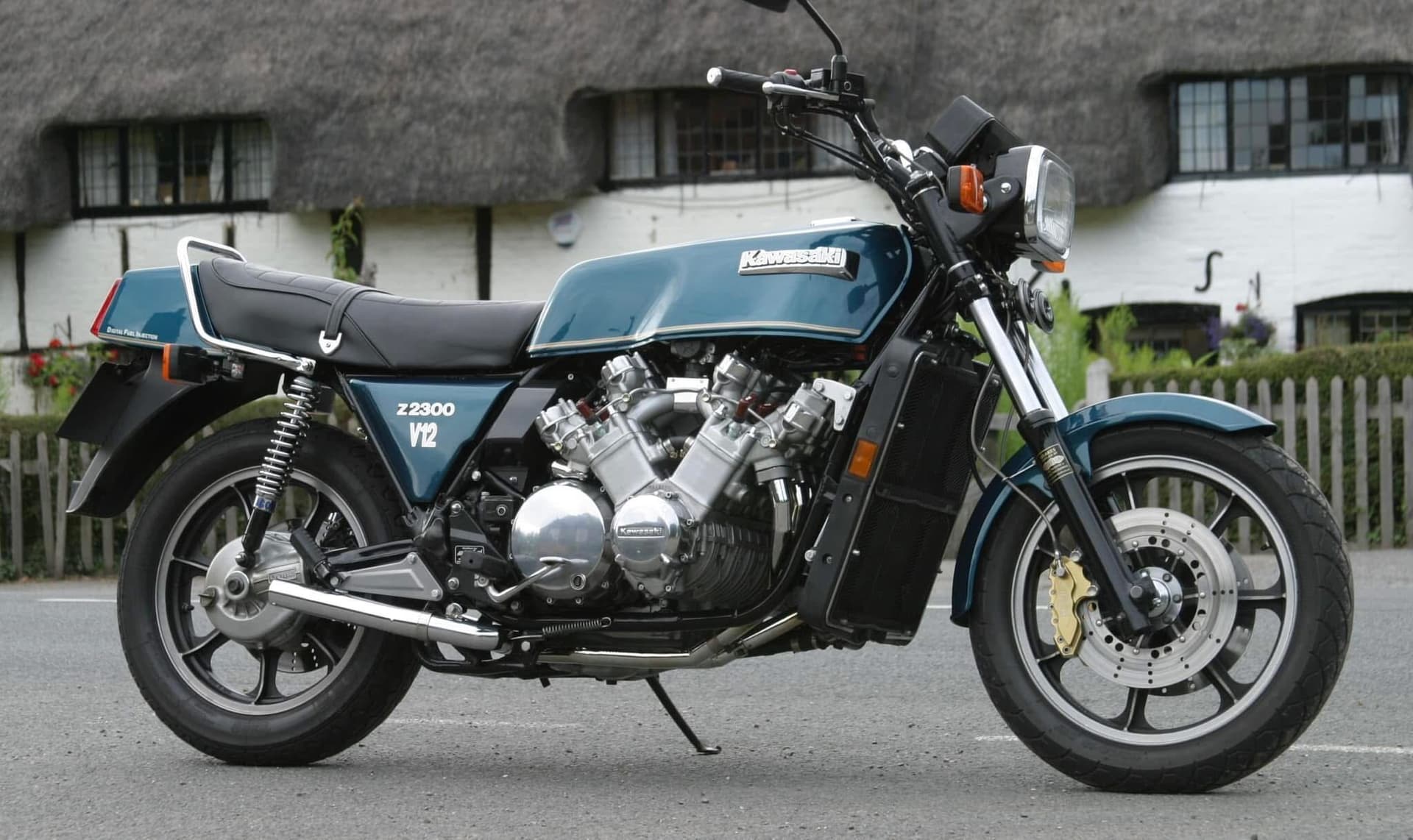
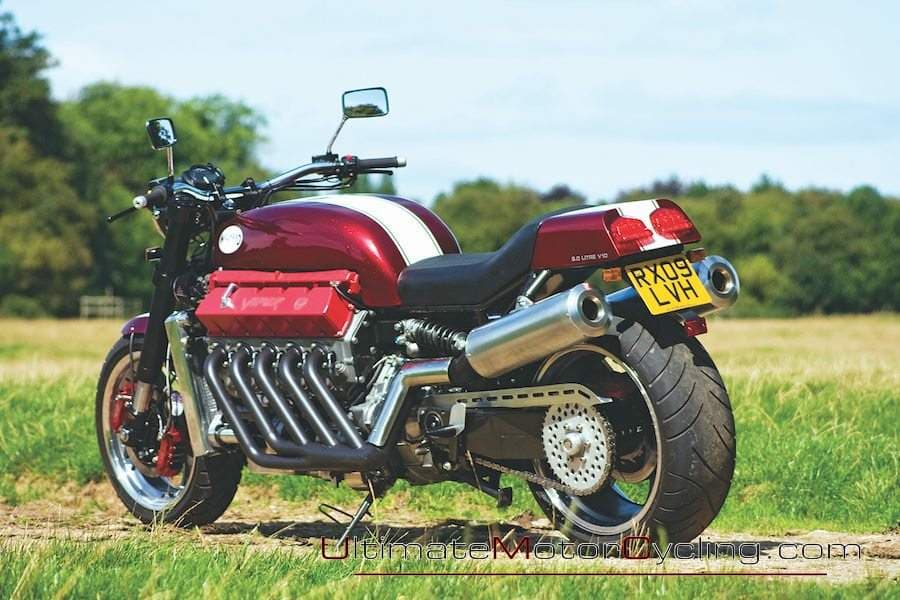
Even if it was tatty, 200mile range and free charging for probably £10k if you factor in wheels, tyres, suspension, parts, that’s a real deal. I’d have bought it for that if I’d had known and I want a V12 powered car more than anything whilst they can still be had.
The emissions all boils down to how much of the electricity you can charge it with is nuclear/wind/solar based and how much is gas/coal powered. (No coal in UK any more).
i’ve only been in one tesla i think and i found the plastics to be very reminiscent of the crappy 80’s looking plastic in US trucks. other than the large screen and the good looking leather the inside wasn’t that nice. Then there’s the numerous videos showing the panel gaps on teslas are anything but straight and uniform. secondhand EV vehicles are where the bargains can be had however and for pootling around town etc I can see the draw of them. But i like a manual gearbox and the sound of an engine. I don’t even like automatic gearboxes that are coming to motorbikes either, although the BMW automatic gearbox they are bringing out with their motorbikes is better than the Honda in that you can still change gear when you want with your foot if you put it in that mode, where as the Honda you don’t get that choice with their DCT box its finger controlled or full auto only.
Is it saying that 2 EV’s have a 40 year life span?
Of course, my 40 year old 110 has a 30 year old diesel engine in it, with slightly less emissions, however the larger intercooler, increased boost and fuelling probably discount for most of that!
You want to drive the 8 speed or 9 speed ZF auto with torque converter. I’ve no great desire to go back to “stirring the porridge”.
Yes, the panel fit and plastics are rubbish. (Panel fit has improved a lot.) I’d only have one like the one mentioned because Musk would get no money from me as it was secondhand and he would be paying for the recharges. I can tolerate the built by Stevie Wonder panel fit and plastic in those cases.
However you look at this… your vehicle is an edge case.
More typical UK cars get an average life of just 12 years (although that is increasing), with 95% of UK Cars scrapped before they are 19 years old.
Which what drives replacement. I don’t advocate scrapping perfectly good ICE vehicles. The majority will age out of the UK “fleet” in 10-15 years.
So, the better comparison is a NEW EV vs a NEW ICE car. There the EV lifetime emissions win hands down especially as both the electricity for production and for on going running comes more and more from renewable sources.