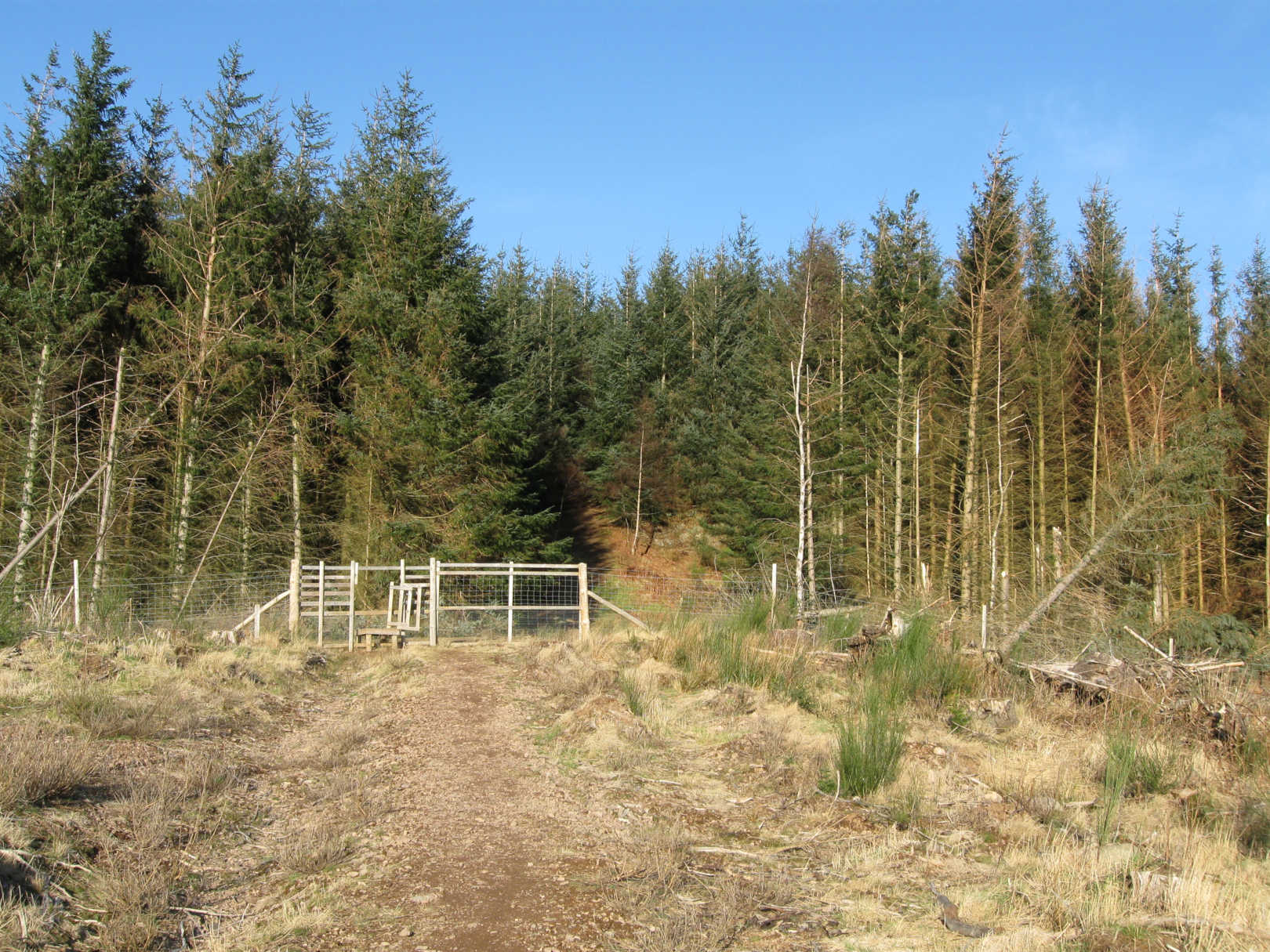
Operating from the woods versus out in the open—is there a difference?
As a notorious “tree-hanger,” I use a tree as a mast 99% of the time for my 20-meter-long EFHW, configured as an inverted V.
Now, there is a comprehensive study on this very subject—conducted over the course of a year using two antennas, both inside and outside the forest. The experiment involved transmitting to WSPRnet, alternating between the two locations every two minutes on the same frequency.
Brief raw Summary:
< 5000 km skip — No difference
5000 - 10000 km skip — 90% success rate in the wood
13000 km (DL - VK) 10% success rate when in the wood*)
*) The editor don’t like the greater sign, hi
Source CQDL 6-2026, page50-52, DK3TG “Statische WSPR-Messung mit parallelen Beacons”
I can’t back this up with actual measurements, but I also have the impression that trees can provide shielding.
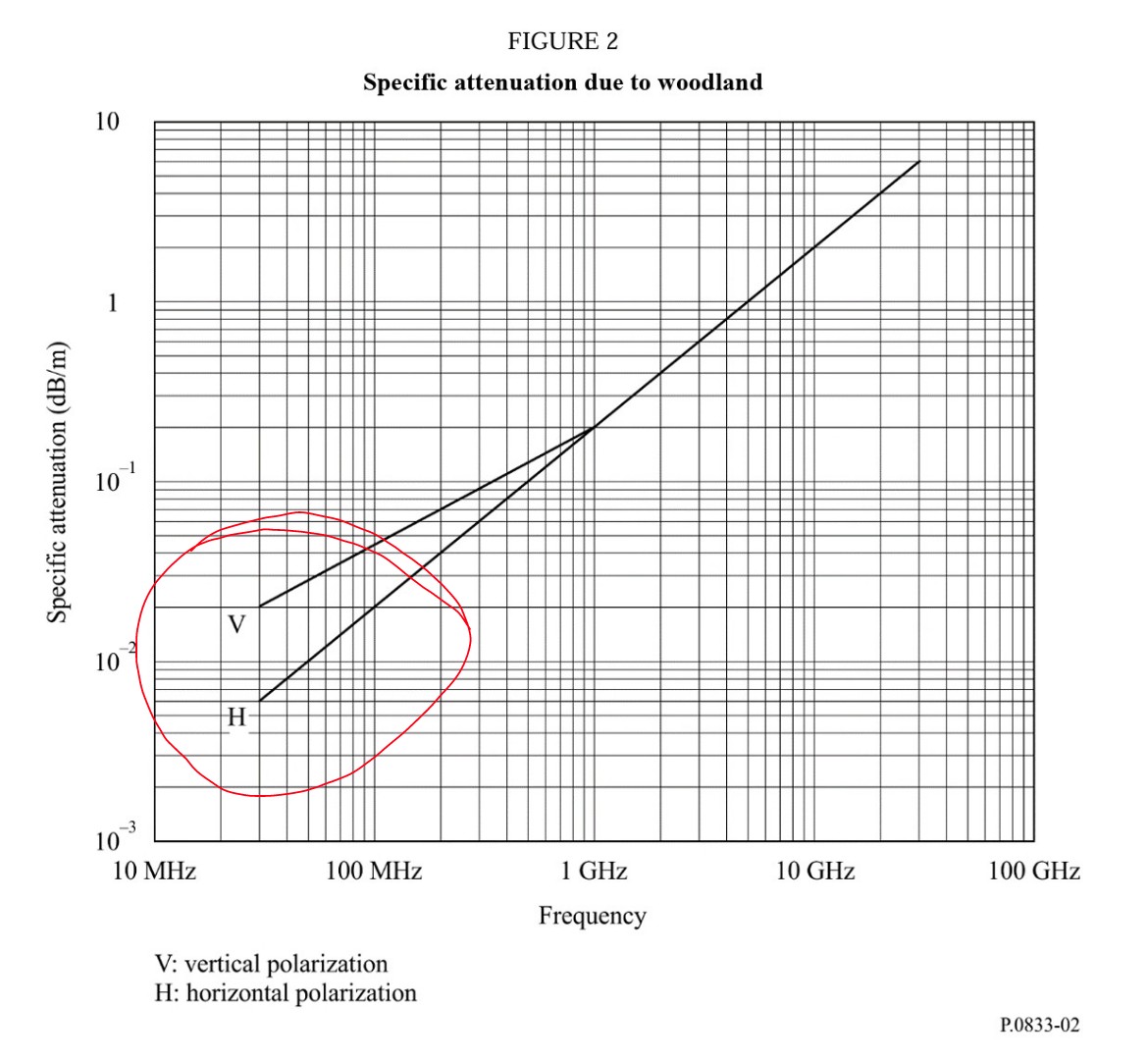
However, in my experience, there are differences involved. While conifers seem to offer hardly any attenuation, the situation looks quite different under a dense deciduous forest—for instance, one filled with lush linden or beech trees. In such settings, I do perceive a noticeable attenuation.
If the trees stand in scattered groups, and you maintain some distance when setting up your antenna, performance improves again.
You can also escape characters with a backslash. So \> will appear as >
I’m trying to think of any summits I have activated which has a tree. Only one comes to mind G/LD-052 and they are more like bushes. There can’t be many in the UK.
My nearest SOTA summit (and smallest one in England) Arnside Knott G/LD-058 is covered in trees. In fact, there are only a few spots when there’s enough space to erect an HF long-wire antenna.
Claife Heights G/LD-053 used to be covered in tall pine trees until the storms of a few years ago knocked them all down. It used to have a poor VHF take-off when those trees were wet but now it’s great. The views are great now too.
Yes, only bushes but high enough to tether the far end of your EFHW to.
I think polarisation would be important, and likely the season, too. A vertical antenna surrounded by vertical treetrunks when the sap is rising will probably be less effective than a horizontal antenna.
I remember many years ago I used to have frequent ragchews on 70cm from my location in east Birmingham with a guy to the west in the Black Country, but only in winter. As the trees started to open the buds in Spring his signal faded and soon became unworkable until the autumn. The path between us skimmed a tree covered ridge. We concluded that it was seasonal changes in the trees causing the signal loss.
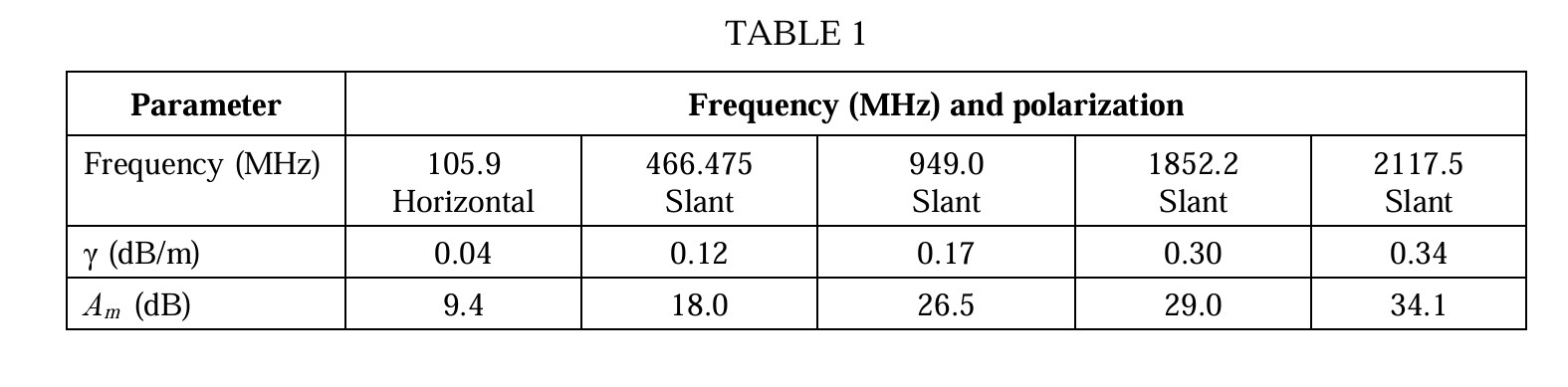
70cm and 23cm would be the worst affected (HF bands much less so) among the most popular bands, although the GHz bands would suffer the most. Wet trees and leaves absorb even more RF energy especially at those very short wavelengths. Not a problem for most of the summits I visit.
Although HF is less affected, a horizontal wire antenna (like a dipole or an EFHW) is much better suited for use on 20m inside a forest than a quarter-wave vertical [which would induce currents directly into the tree trunks].
Interesting point, while many of the summits near me are above the tree line, so I have no convenient way to verify this, I suspect that it is at least in part due to the moisture in the trees. If this is true, the denser the stand of trees, the more pronounced the attenuation. Just a thought.
Some time ago, I made an activation using an end-fed antenna that I tossed up into a deciduous tree. I noticed how the dense leaves negatively affected the SWR; the antenna’s resonance frequency had shifted.
It would be interesting to measure this using a NanoVNA. I can’t say exactly which direction the SWR shifted in… but that fact alone demonstrates that the antenna’s performance is no longer optimal.
It is a bit like tossing your antenna wire into a rain gutter.
If you are operating with an antenna tuner, you probably wouldn’t even notice such effects.
I’ve found that the resonant frequency of my [pole mounted] EFHWs and inverted-v dipoles shifts with the slope angle of the wire. If there is a handy tree to tether the far end to [so that the wire is more or less horizontal], the ‘sweet spot’ moves down frequency.
If I have to stake it to the ground (so the wire is sloping] [usually the case for my summits] the ‘sweet spot’ moves up frequency. The explanation is the slope angle: although it doesn’t change the physical length of the wires, it reduces the [RF] ‘effective length’ of the antenna.
I mostly avoid the ‘end’ effects [the tree, the ground] by having ~2m of insulating cord between the end of the wire and the tethering point.
This is highly recommended. At the free end of every antenna—or at both ends in the case of a dipole or EFHW—the impedance is high, and external influences are significant. Near its approximate midpoint, my EFHW always rests on a tree branch without any noticeable change in resonance.