Space Weather Message Code: SUMX01
Serial Number: 205
Issue Time: 2026 Jan 18 1900 UTC
SUMMARY: X-ray Event exceeded X1
Begin Time: 2026 Jan 18 1727 UTC
Maximum Time: 2026 Jan 18 1809 UTC
End Time: 2026 Jan 18 1851 UTC
X-ray Class: X1.9
Optical Class: 3b
Location: S12E20
NOAA Scale: R3 - Strong
NOAA Space Weather Scale descriptions can be found at
Potential Impacts: Area of impact consists of large portions of the sunlit side of Earth, strongest at the sub-solar point.
Radio - Wide area blackout of HF (high frequency) radio communication for about an hour.
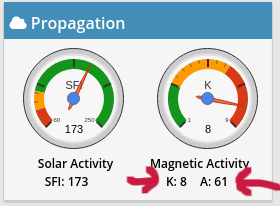
An X1.9 flare is nothing much really but by golly the CME it blasted out this way is something else. It arrived about 19:30 today and has now rocked the K index up to 8 and the A index up to 236.
6m has a bit of AU into IO84 but considering how high the A index is I am surprised it isn’t stronger.
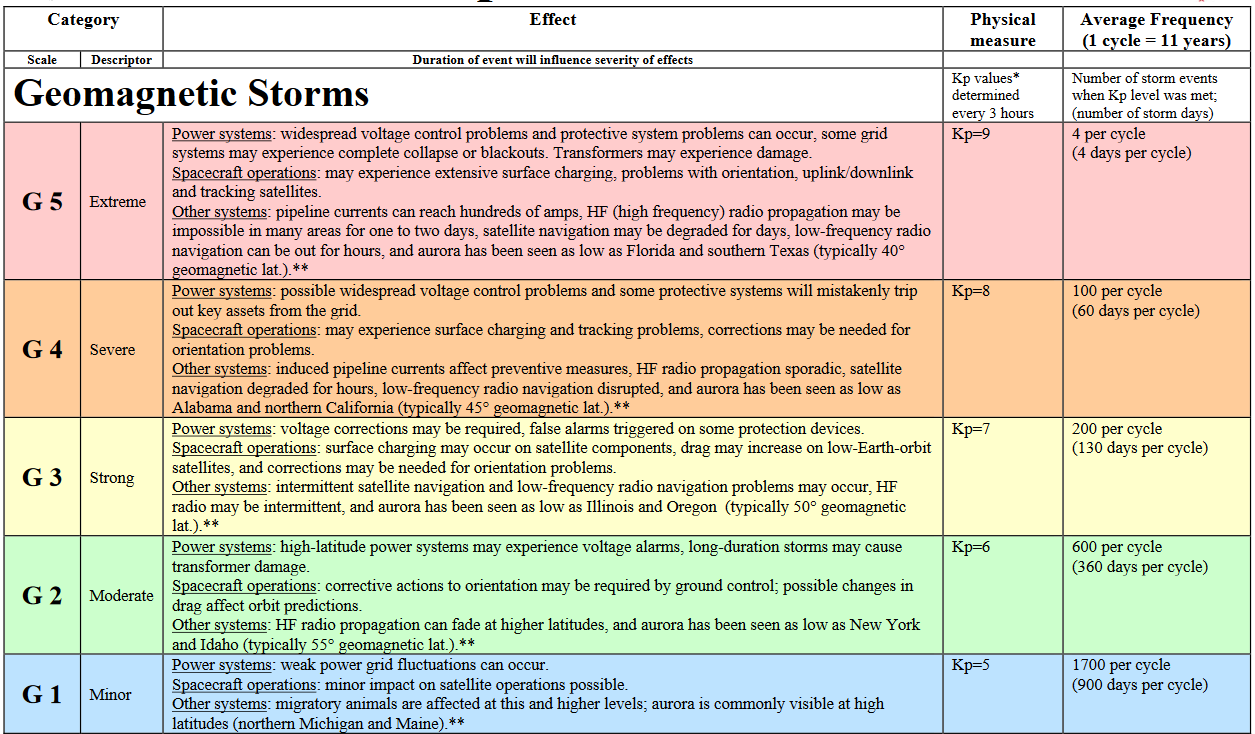
It’s a G4-class (severe) geomagnetic storm with the distinct possibility of reaching G5 (extreme) in the hours ahead. Raining here so no chance of seeing a pretty visible aurora.
Yes but extremely rare. There is an interesting chart on SpaceWeather.com showing CME arrival time statistics. I’m receiving reports of strong visible aurora as far south as Cornwall.
Ap is still pinned at 300 and looks like it will be for a while. Tomorrow may well be interesting for VHF auroral activity.
Just checked, the record is probably the transit time of the Carrington Event which was 17.6 hours, thankfully the current event is not in the same class!