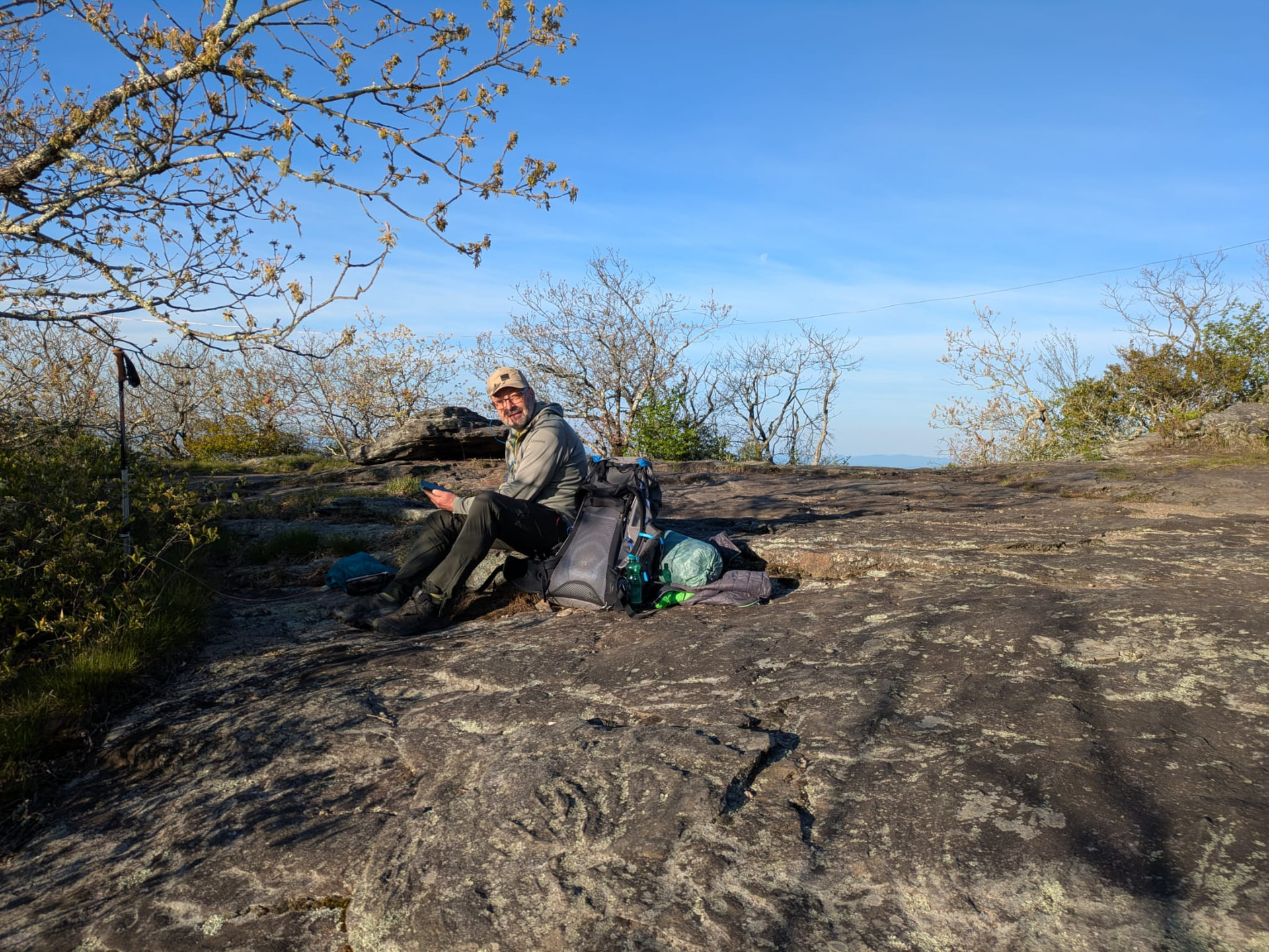
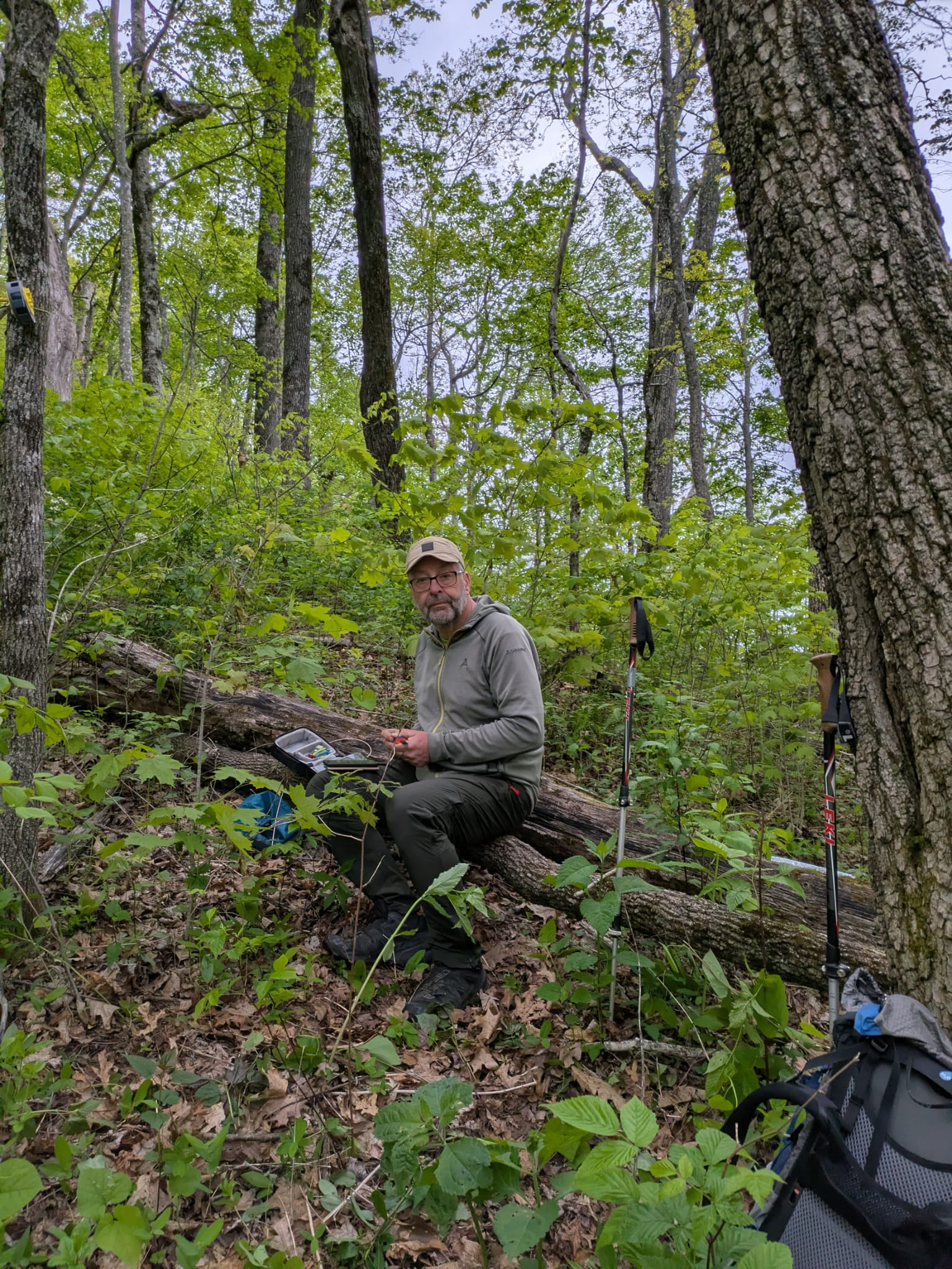
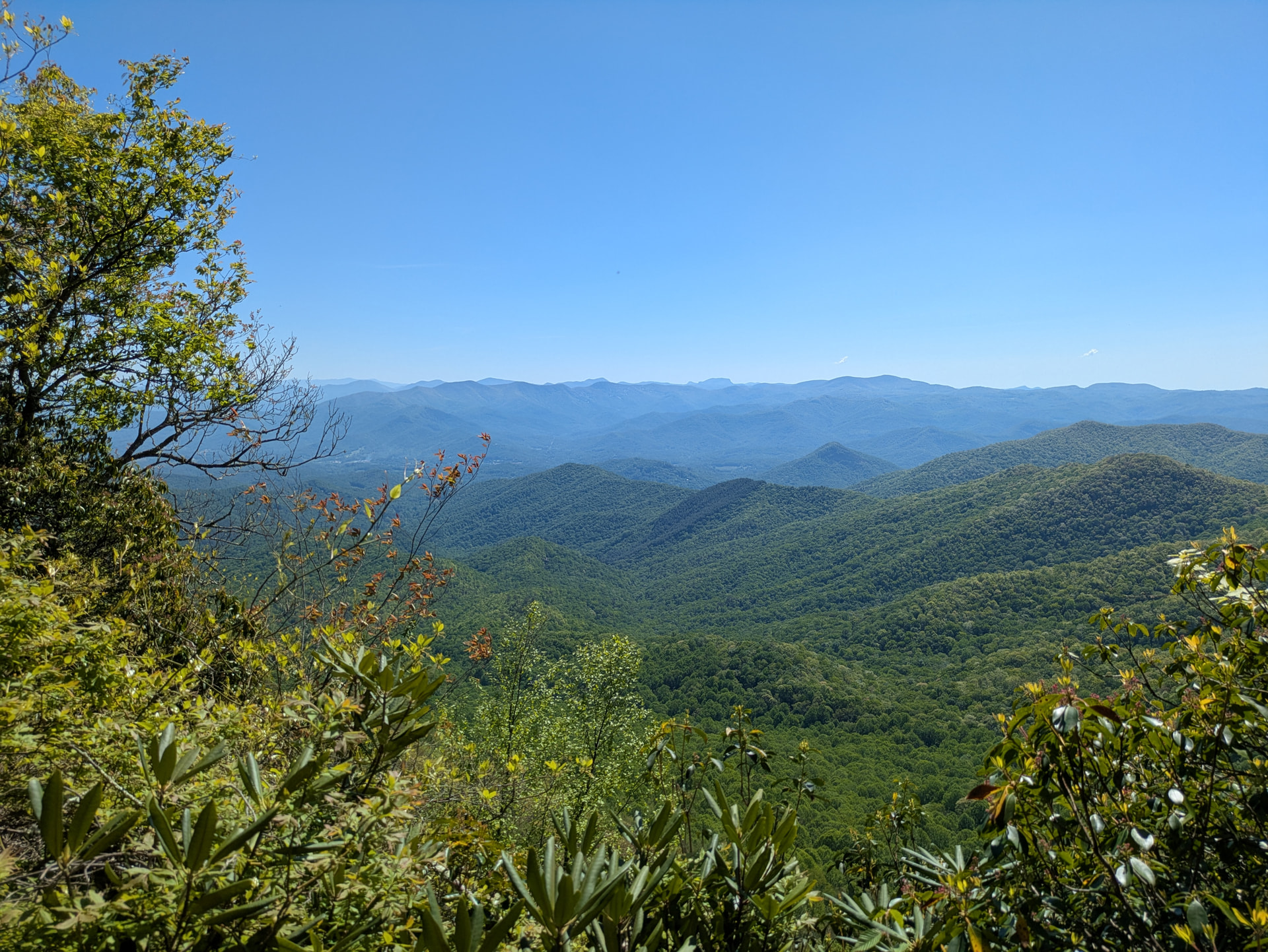
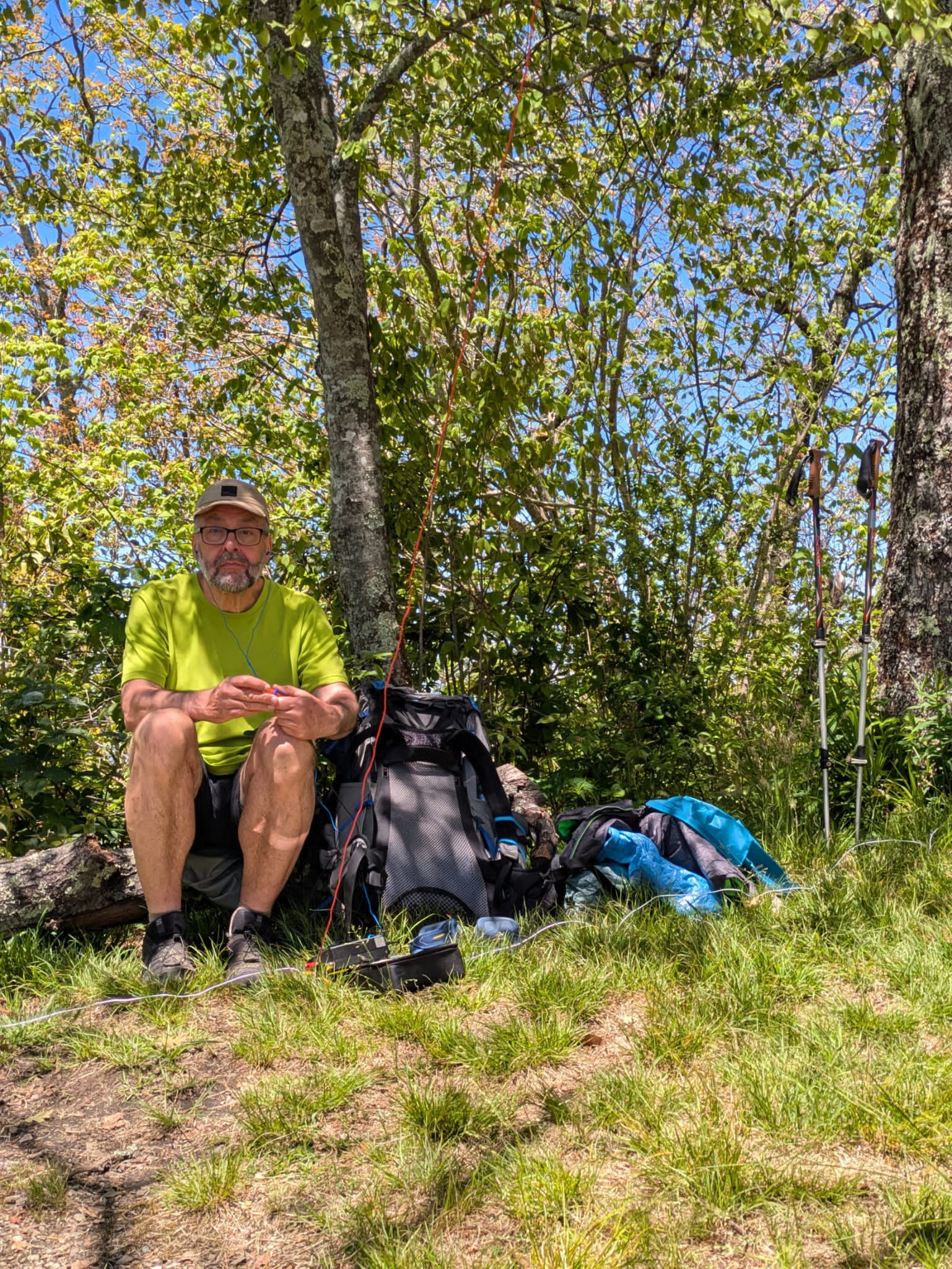
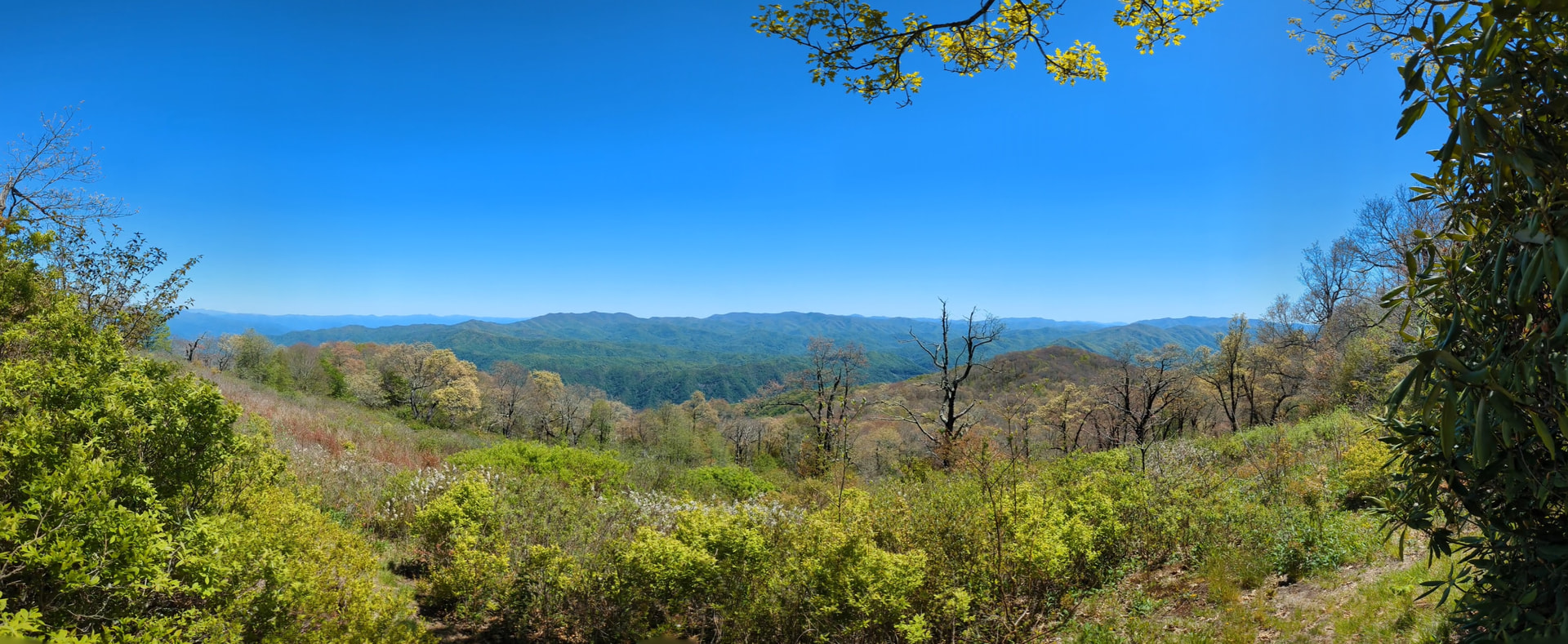
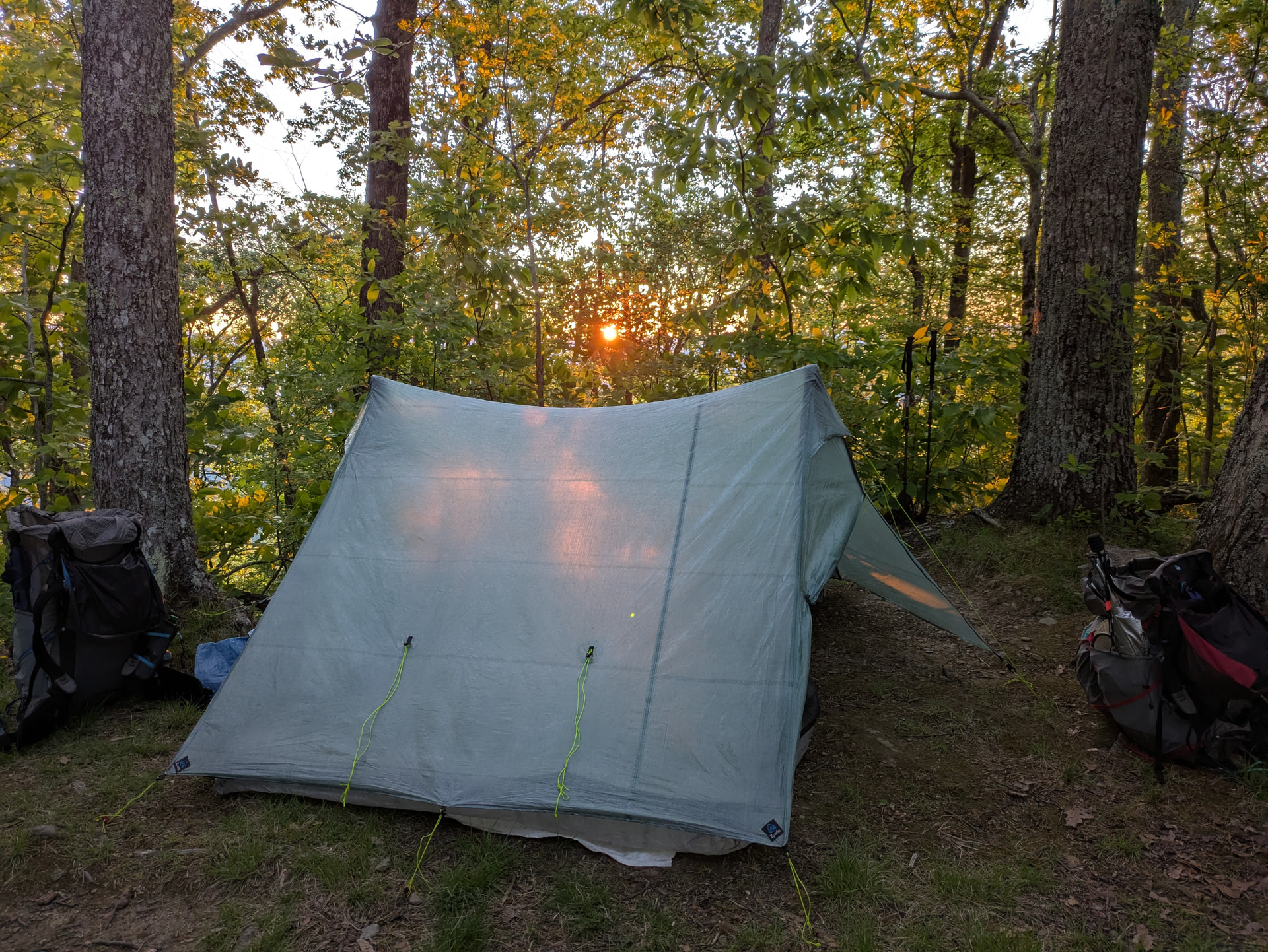
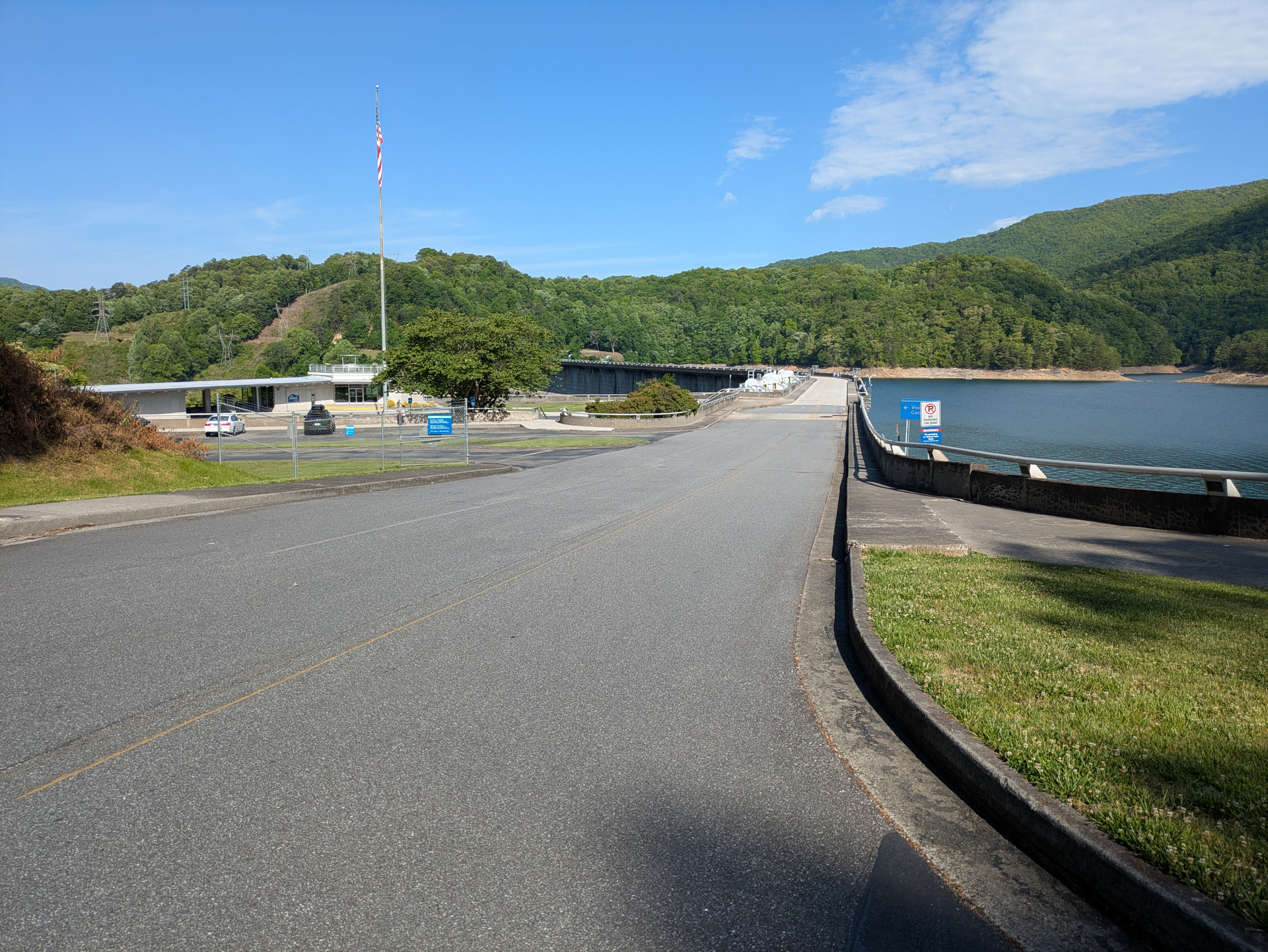
You may have seen from my posts that I’m hiking the Appalachian Trail (AT). We started on Saturday at Springer Mountain and are heading north.
I’m trying to activate summits along the trail, but usually just one per day—hiking comes first!
I use a KX2 with a 40/20/15/10m EFHW and a link for 30m. I log with the Polo app, which means it takes some time—especially for S2S QSOs.
I try to post alerts, but cell service is spotty and timing isn’t always predictable. If the signal drops, I can use SOTAmate (Thanks, Brian!). I am also on POTA as the whole trail is a POTA Park.
I’ve had three activations so far, and F4WBN is in the log for all three! I’ll upload the logs later today.
Next Summit will be Blood Mountain, W4G/NG-004, tomorrow morning around 1400z.
Have fun with your activations. By the way, I also have the same EFHW and the KX2 and use 30m without a link, just via the antenna tuner. I haven’t noticed any disadvantages and it saves me the hassle of switching cables when quickly changing bands.
From a technical point of view, this practice essentially results in a difference in the mismatch loss at the transformer input and in the radiation characteristics (horizontal and vertical radiation and gain).
For example, with a VSWR of 6 on 30 meters, the mismatch loss at the transformer input is approximately 3 dB, and the antenna being almost 1/4 wl longer provides an additional gain of approximately 1 dB. In practical operation, the resulting difference of about 2 dB is perceived as nearly “equivalent”.
By the way, such matching of the antenna impedance with different types of transformers, which is extremely practical in portable radio operation but not quite perfect from a purely technical point of view, became very popular especially with the availability of the Elecraft K2, KX1, K1, KX3 and KX2, all with internal antenna tuner.
This is certainly a significant compromise, resulting in a loss of a few dB. The advantage is the ability to switch between all bands with a single click. I personally primarily collect S2S contacts, allowing me to be QRV on any frequency immediately after the spot of the other summit.
If you primarily call on a single band for extended periods, it’s worthwhile to optimally tune the EFWH accordingly.
A somewhat more optimal solution (which I use with my multiband antennas) results from the direct connection of the pure multiband antenna wire (of a carefully chosen, random length) to the antenna tuner; if necessary, on a specific band, supported by a switchable compensation element that is directly flanged to the antenna tuner (BTW, Such a solution has also been used by Bruno, HB9CBR, and others for some years with quite good success).
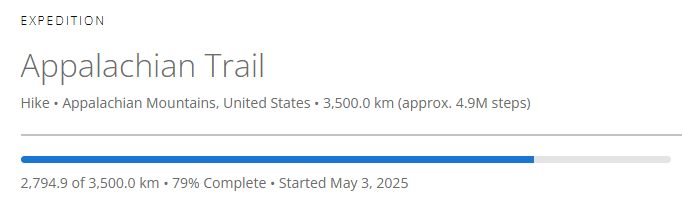
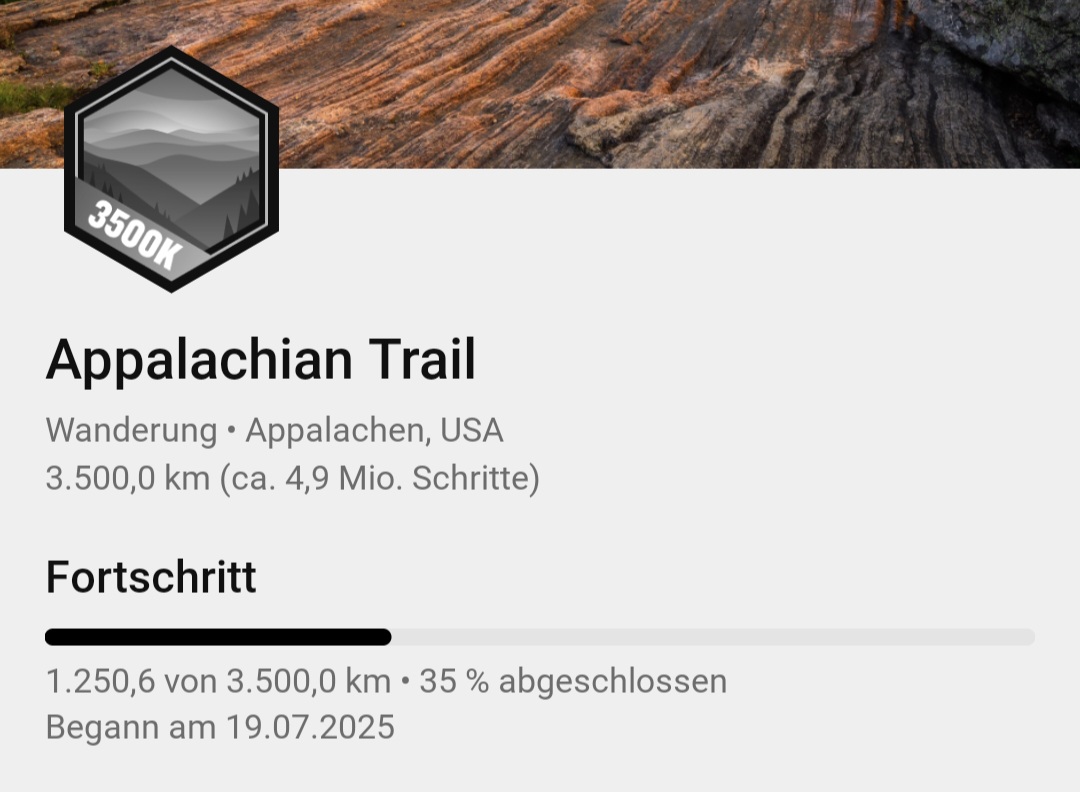
On Garmin Connect, you can use your account to participate in challenges and expeditions—such as cycling, hiking, climbing, and more. In this case, the expedition involves collecting steps to earn the “Appalachian Trail” achievement. You’ll receive points and a badge for completing it, which helps keep you motivated.
We arrived in Franklin, NC, and did resupply. The last two activation were off the trail and involved bush-wacking to reach the activation zone. I will avoid such summits in future, scratched legs and too time consuming.
Radio conditions were mixed. Chris, F4WBN, managed to work me on all activations so far. I have used the EFHW in all activations.
Next summit will be tomorrow Siler Bald or Wine Spring Bald, have not decided yet, when a break would best fit in the hike.
One of the strange issues on the POTA page that it does not work if the screen is not wide enough. I got it working by rotating the phone so I am in in horizontal mode (Browser set to Desktop Mode)
Then the Upload Activation menu is available at the My Log Uploads menu.
While crossing the Smokie Mountain National Park we will most likely have no cell service. Alerts are placed, the time is not more than a rough indication. I will tickle RBN to spot me.
We made it through the Smoky Mountains, 4 sunny and 1 rainy day, 4 SOTA activations, 1 bear seen. Propagation was not great, but I managed a few DX contacts every time. F4WBN still holds the record of working me on each activation.
We are now relaxing in a B&B. I have placed Alerts for the next two days. Unfortunately, there is a lot of rain in the forecast. I will not activate in rain, as I said, the hike comes first. This means, all alerts are tentative and might be CANCELLED on short notice. Luckily I am in an area with better cell service coverage now.
Pleased to have contacted you regarding all your activities and thank you for allowing me to do a new one (W4C/WM-031).
See you soon, the pleasure of making new contacts !