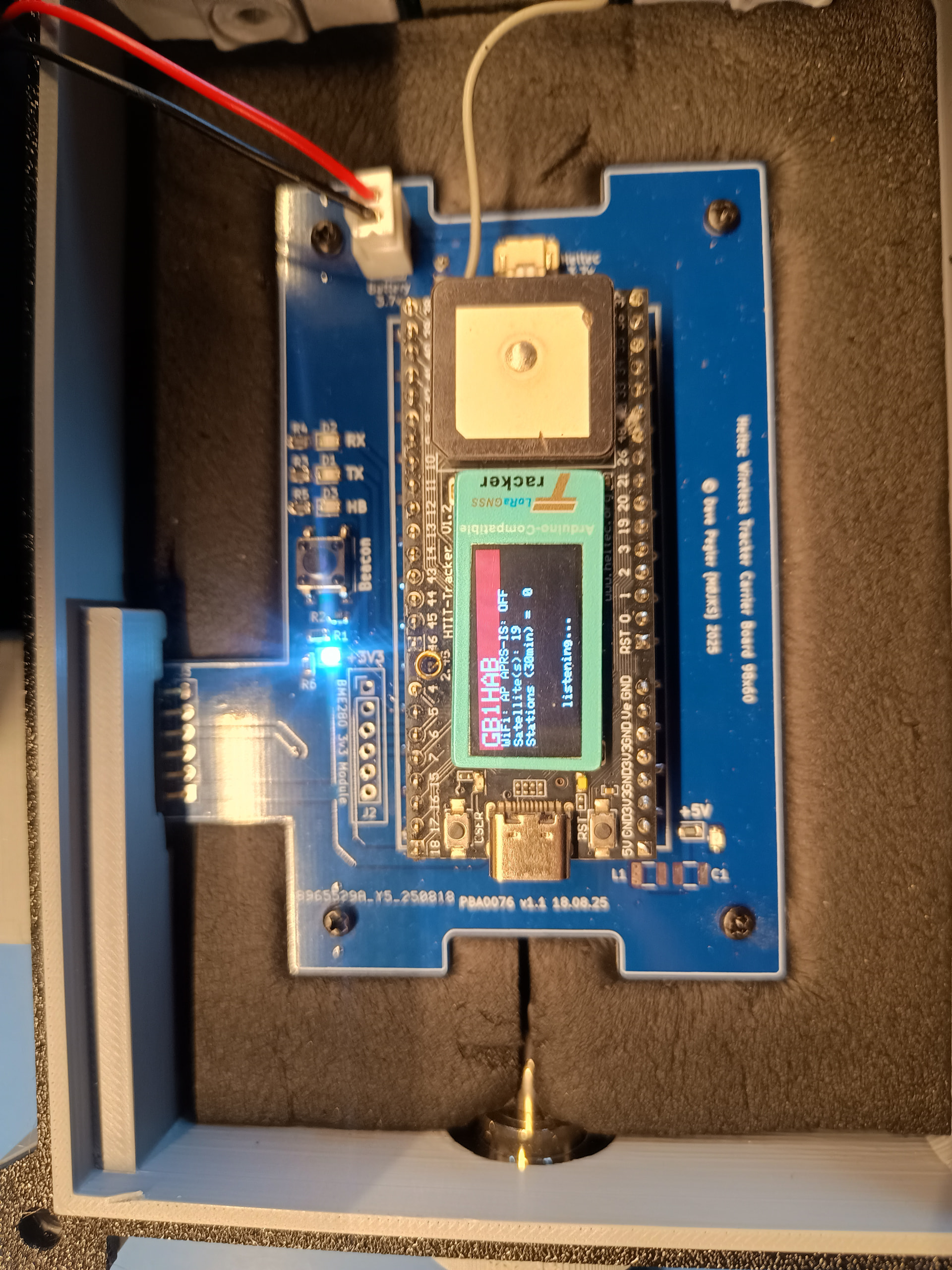
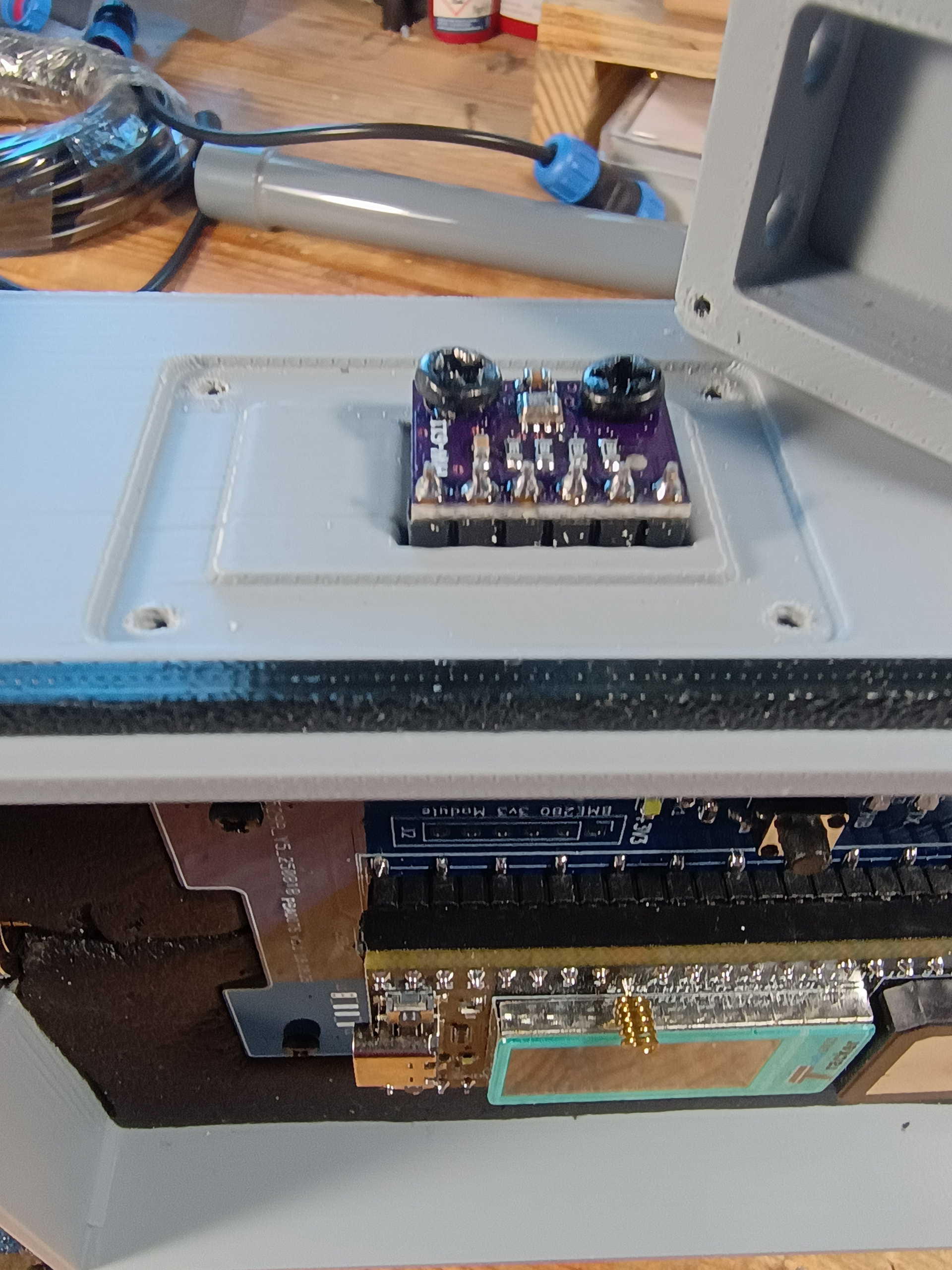
I am using this case Heltec Wireless Tracker case for Meshtastic by TonyG | Download free STL model | Printables.com but have a SOTA.org.uk one also so was hoping I could find the same battery which would give me some options if my main tracker ever died.
There are several back covers available for that case. So you can choose whatever back cover works best with your battery.
It says 103450 3.7v here:
Wondering if anyone can help with ideas?? I have access to a (relatively unlimited) supply of 805080 4ah flat cells… so, now im on the hunt for a 3d print that will take an 805080 and a heltec tracker board! any ideas chaps?? struggling to find one on the the 3D print sites!
Thanks everyone
Alan
Hi, I can answer with assurance that yes, it is quite possible to develop a firmware with the help of the AI provided you know how to control the LLM with rigor so know precisely what we are doing and where we are going. I mainly work with Anthropic Claude Code and recently with pi-coding-agent and several llm depending on their level and complexity of the tasks. This is how I made from the CA2RXU firmware for the Lilygo T-DECK Plus a new firmware with a UI LVGL full touch screen, offline vector cartography and GPS tracking LoRa_APRS_Tracker/README_LVGL.md at main · moricef/LoRa_APRS_Tracker · GitHub
Is there anything in the source showing what was AI written and what was human written?
Does github charge if there are lots of comments in the code?
There isn’t anything in the source that explicitly marks “AI-written” vs “human-written,” and that’s by design. Git tracks changes, not authorship method. Unless a developer deliberately documents their workflow, you won’t find a reliable distinction in the code itself.
In practice, the relevant question is not who or what wrote a given line, but whether the author understands and controls the system as a whole. In embedded firmware—especially with constraints like ESP32 memory, SPI contention, and real-time rendering—working code that is stable and efficient necessarily reflects that understanding, regardless of whether AI tools were used during development.
As for GitHub: no, comments in the code don’t meaningfully affect cost. Storage is compressed, and text (including comments) is negligible compared to binaries or large assets.
As I said, you can do a lot of things with the AIs, provided you only consider it as a tool. But if you want a fully equipped Shetland pony for the demetric, with 300 W PA, it must be able to work out.
1 Like
I was having a chat the other day with someone on 2M, and we were talking about the difference between 439 Ham LoRA and the ISM LoRA. Obviously, we only use it for APRS, because we can’t use encrypted modes like Meshcore (although I have been told you may be able to switch encryption off?).
It was then that I had this mad idea: could something based on JS8Call be used over LoRA? While both systems excel at decoding signals below the noise floor, they operate using entirely different methods.
JS8Call is a software application designed to generate narrowband audio tones (8-FSK) for transmission through a standard SSB radio. In contrast, LoRA is a hardware-based modulation technique that uses Chirp Spread Spectrum. Because LoRA chips expect digital data via a serial interface rather than audio via a soundcard, you cannot simply plug a LoRA module into a standard JS8Call setup. An adaptation would require a custom software layer to bypass audio generation and send the JS8 data packets directly to the LoRA chipset.
A major advantage of this adaptation for UK operators involves license compliance. Popular LoRA platforms like Meshtastic use AES encryption by default, which is prohibited under Ofcom regulations because it obscures the meaning of the message. Since JS8Call is built on an open and transparent protocol, a LoRA version would naturally comply with amateur radio rules by transmitting in the clear.
Potential Benefits
-
Superior Sensitivity: Combining JS8 logic with LoRA modulation would allow for keyboard-to-keyboard chat at extremely low power levels, often under 100mW.
-
Low Cost: Using inexpensive modules like the SX1276 would provide a robust digital link without the need for an expensive HF transceiver.
-
Grid Messaging: The heartbeat and auto reply features of JS8 would translate well to a LoRA-based mesh, providing a legal and reliable alternative for emergency or local messaging.
Currently, the closest legal alternatives involve using Meshtastic with encryption disabled or exploring the Reticulum Network Stack configured for open channels.
Wouldn’t it be easier just to recompile Meshcore with the encryption disabled? The source is on Github along with how to build it.
1 Like
Needs a couple of people to show willingness and test it out
You send me two boards suitable for Meshcore and I’ll build it and program them to have a version with encryption removed.
1 Like
Alternative battery for SOTA tracker,
I have acquired an APRS Tracker in the Sota shop.
I’ll decided to avoid installing an internal battery.
Instead I just made some simple internal wiring then made a small hole and fitted externally one 18650 LiIon battery.
They are easy to source and charge. I just put an elastic band outside to keep the battery in place together with that tracker.
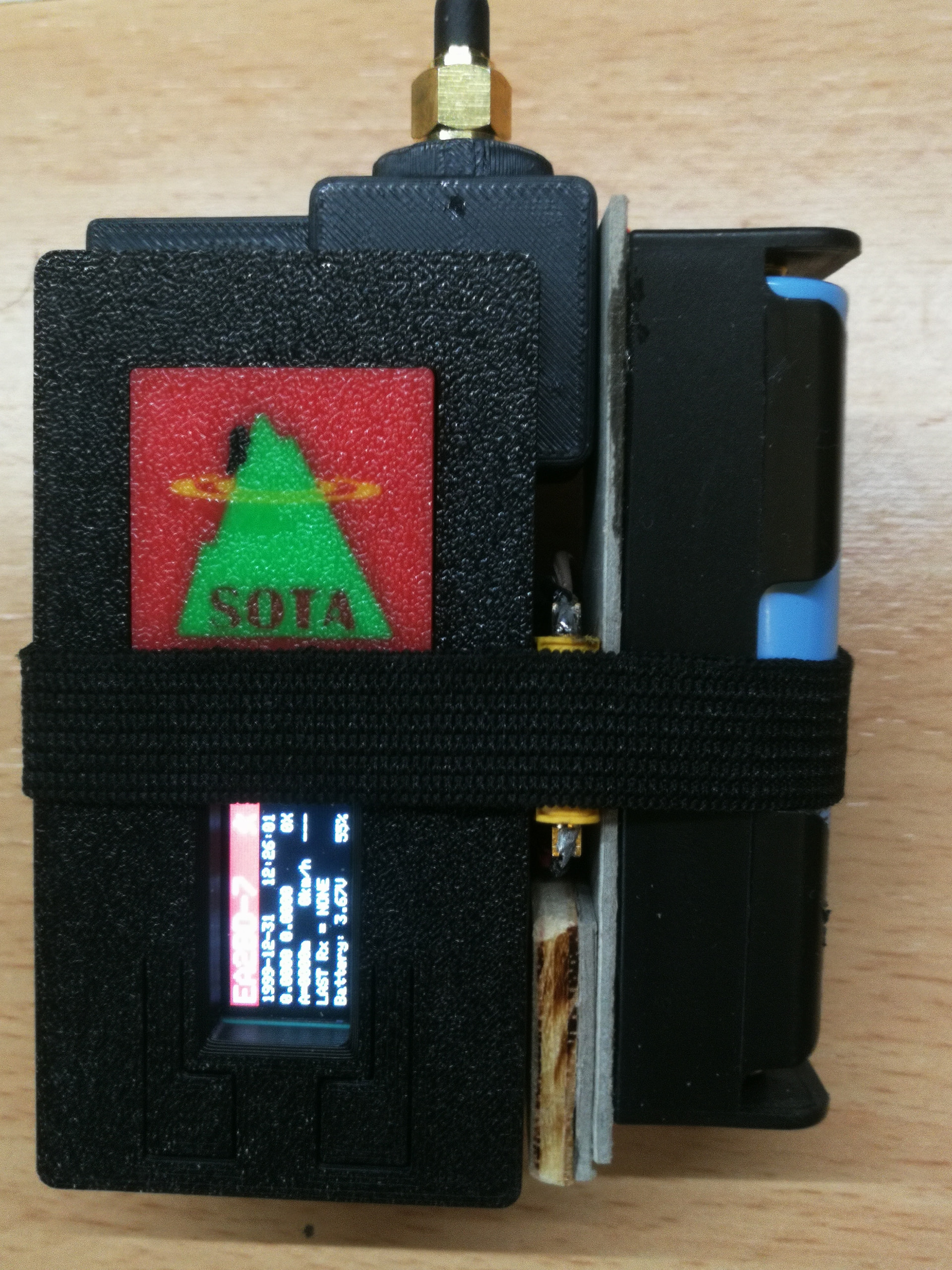
They are about the same size!
Working fine.
73 Ignacio
3 Likes
RE JS8Call
I’m sure it can be done but I’m not sure how much extra range it would give over APRS as the chirps seem to work quite well for weak signals and JS8 would be using 8 tones? I think both methods use forward error correction.
JS8call might just give better ‘real time’ chat experience as sending messages over APRS is seemed quite slow.
Only 1 way to find out I guess.
2 Likes
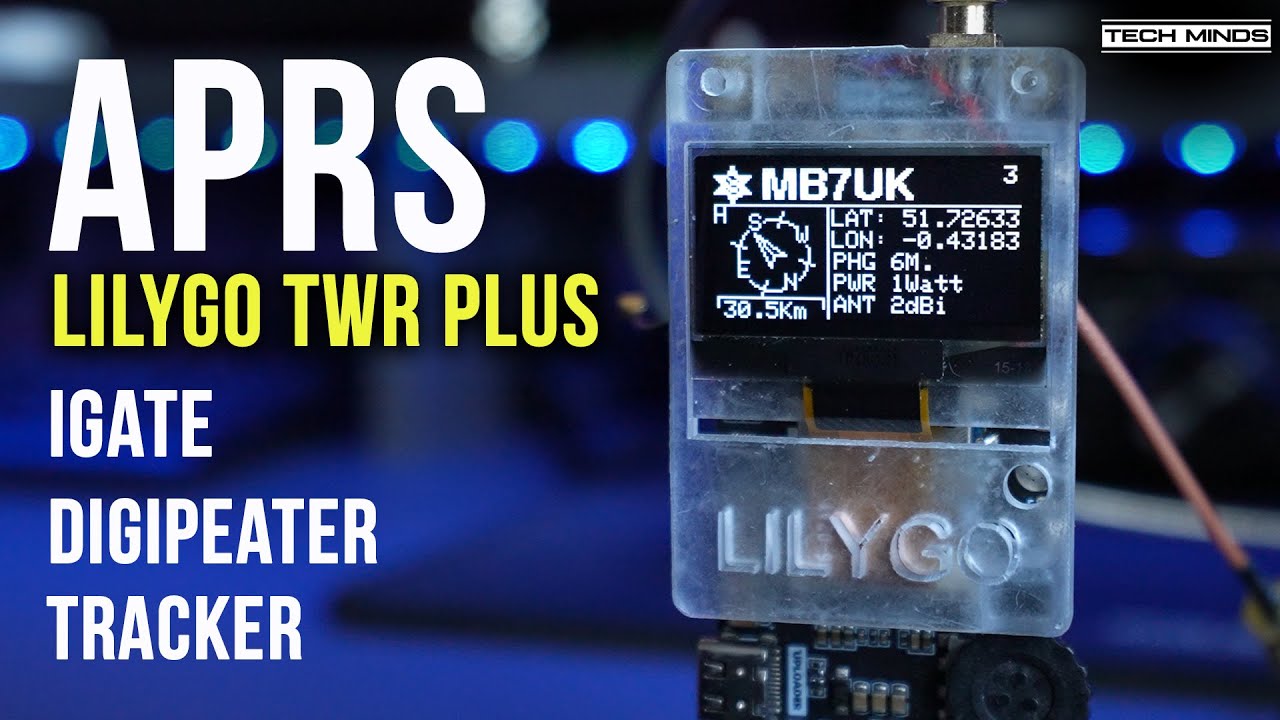
Now this is what I have been waiting for! It’s not LoRA, but it works on 2 metres using AX.25
1 Like
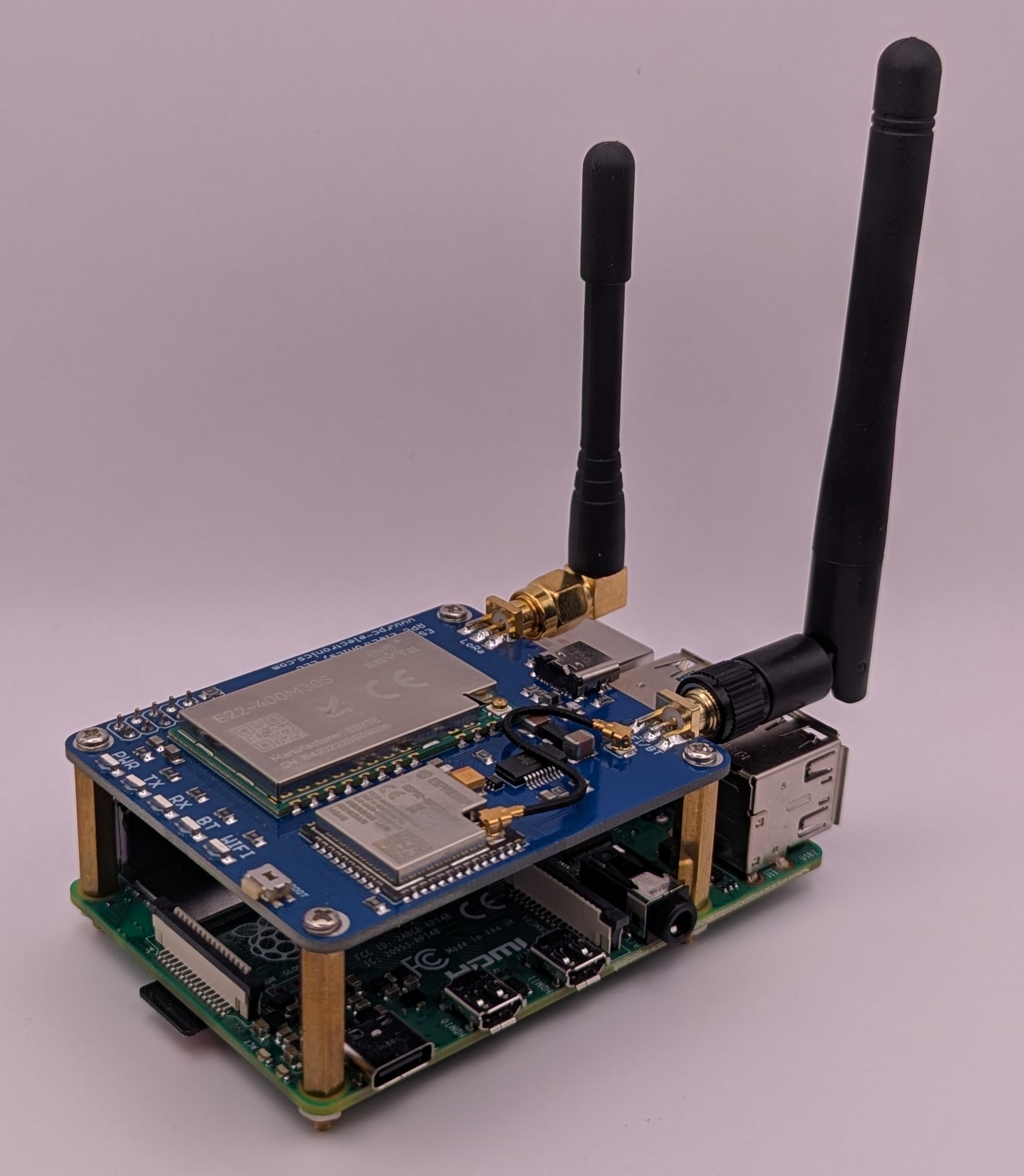
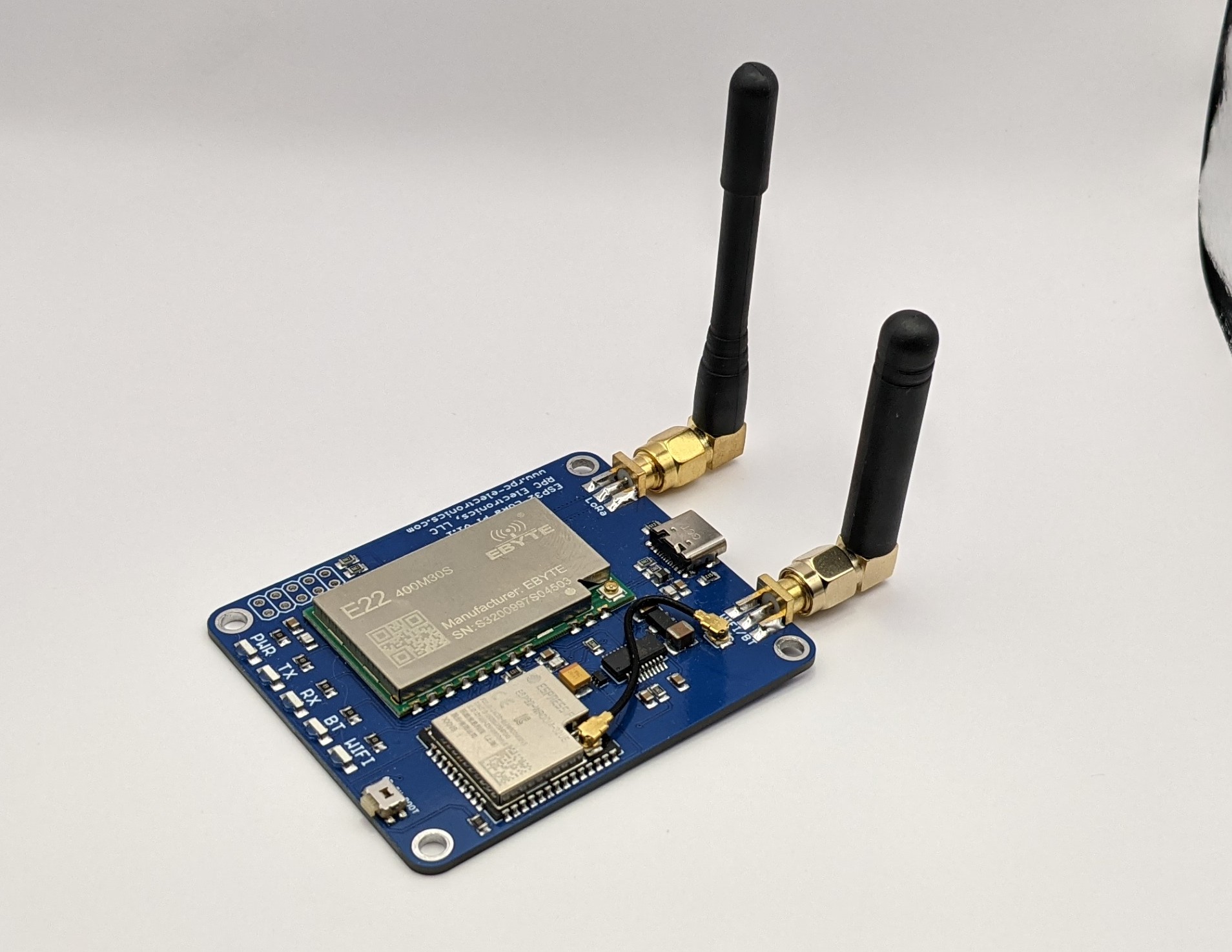
Jason K4APR has been developing some new Ham LoRA products; now the twist is that he has developed a LoRA modem that sits on a Raspberry Pi, which you can use with APRSdroid (Android) and the APRS.fi app for Apple. But you can also use WinLink, WinTNC plus others.
Although the price seems reasonable, you will probably find that you have to double the price for shipping.
1 Like
I had my tracker connected to my Diamond SB0 antenna on my car this afternoon, whilst I was out and about, in an area devoid of digipeaters, I might add, however, that I probably had about 80-90% coverage, yes, there were gaps, but nothing that a fill-in digipeater couldn’t sort out. One of the stations that heard and reported my position was M7GYN near Ashbourne, which has a 2M APRS and 439 MHz LoRa APRS receiving station. I can’t contact him to ask how he has done it as there are no contact details on QRZ. However, I suspect it’s a Raspberry Pi 4 with two RTL 4 Dongles using Direwolf for 2M and SD Rangel, or dxlAPRS_LoRa_iGate, for 439 Mhz. Does anyone know how to do this (Direwolf + SD Rangel)?
GitHub - DO2JMG/dxlAPRS_LoRa_iGate: dxlAPRS Internet Gateway for LoRa with RTL-SDR · GitHub
I have (had) a 2m APRS and 70cm LoRa receiving station - co-located but one was a RasPi+NESDR+Direwolf, the other a Lilygo module.
(2m APRS has been offline for a while for tinkering)
I think I have used your 2M RS the last time I was up Moel Famau. I prefer to spot via APRS2SOTA.
Unfortunately, Leicester lost its only 2M APRS Digipeater in the last year, and MB7URG in Rugby has gone off air, not sure if that’s for good
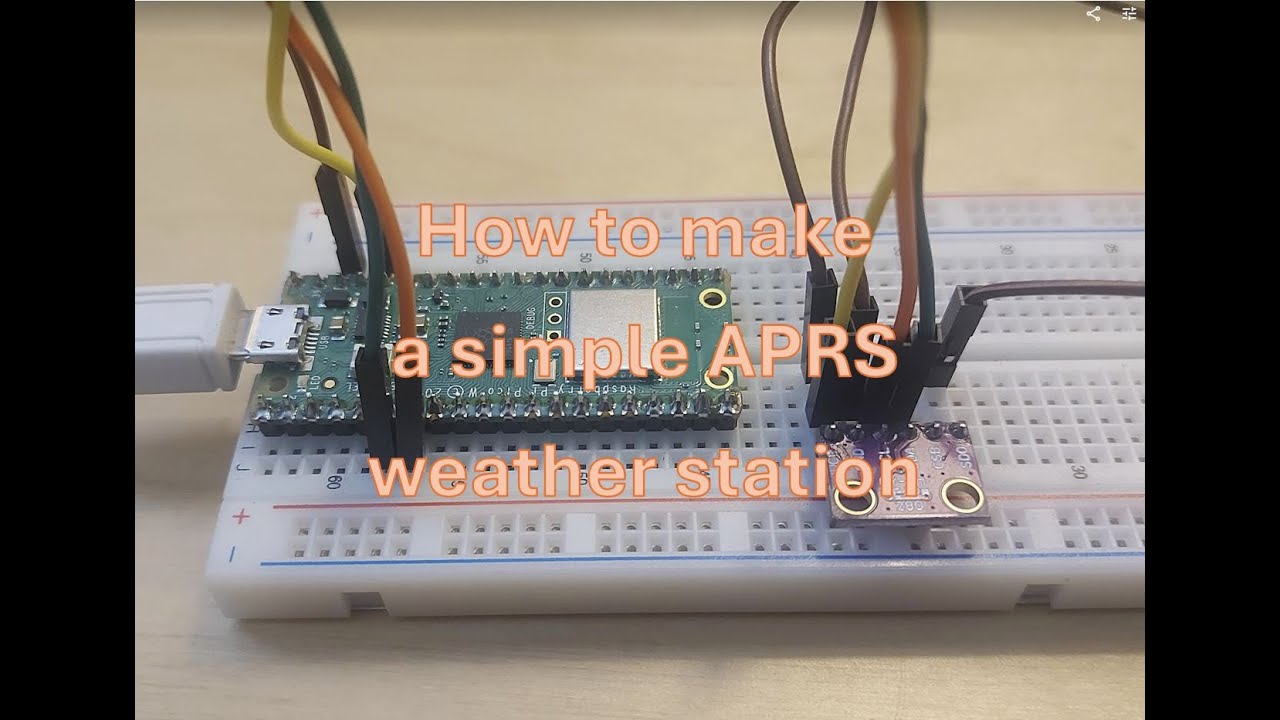
BME280 Breakout - Temperature, Pressure, Humidity Sensor
They were designed for the Raspberry Pi and Arduino, but it seems they can also be used with the ESP32, so what I am wondering is, can they be used with LoRa Digipeater, especially those out in the wild? They cost about £13.80 from Pimoroni