Not that long back there was much discussion about the Chinese sourced 5.4m telescopic whips. Like many I was caught up in the FOMO and bought one thinking I could use it on limited space activations. There were accessories available an SO239 to antenna/earth mount and a ground spike. Being of a conservative nature when spending money I thought I’d make the mounts and connections myself, probably out of junk box tat 
There was an thread recently and one of the posts was a very nice German article showing how people made their antenna work. The key was a Rittal busbar insulator. A quick check showed one in the UK on eBay, bought. It’s been on the shack bench for a few weeks waiting and now all my time is my own (hahahahahahahaha!) I finally made it into a deployable antenna. I tried it last week on Scald Law it work but the KX2 ATU did labour to match it. This was followed by selling my soul to Satan (powering up a Win10 machine) and running MMANA to play about. I had 4x 5m radials on the ground and the antenna a few cms above ground. It worked. But MMANA time showed it was better with more shorter radials. So the 4x 5m radials became 8x 2.5m.
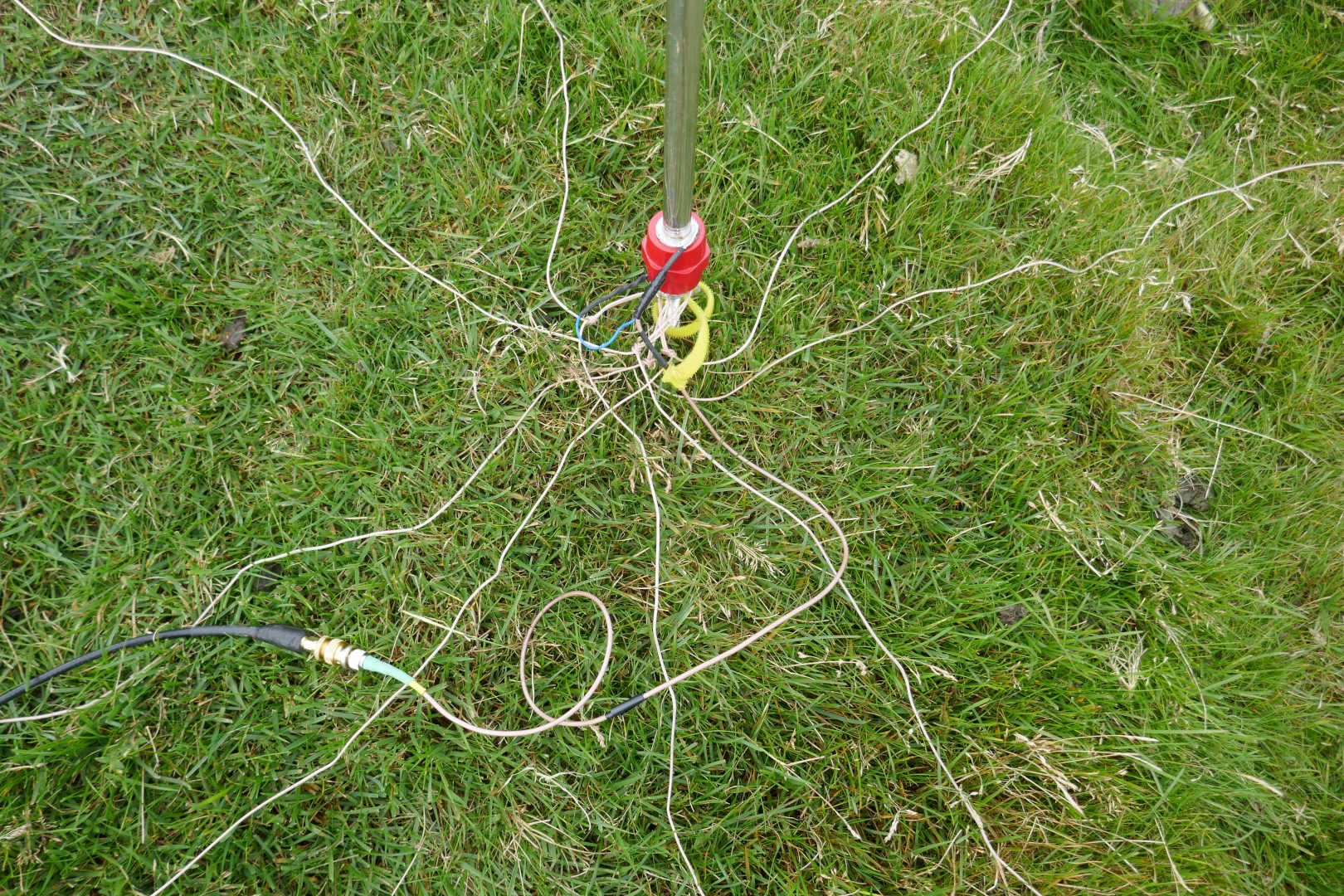
To mount the setup to the ground I bought a 1m M10 threaded steel rod (pennies) and cut about 25cm off it. Then I Dremeled the end to a point which was a faff. I must buy a battery operated angle grinder. (I could keep it in the car to open chained up gates… no I didn’t say that  ) Anyway with a ground spike I needed to connect it all up. When I bought the M10 rod Screwfix and Toolstation had no 10mm ring connectors so I bought a bag of M10 penny washers and some M10 wing nuts. There are 2x 2.5m radials soldered to a washer, 4 sets of these in total. The far ends of the radials have cheap bulldog clips and they can be attached to vegetation to keep the radials in place. I found a piece of RG-316 with a cable end BNC socket. The inner and shield were also soldered to washers. That feeder connects to my normal 2m/4m RG-58 feeder and then the radio.
So you wind a wing nut on the rod then the Rittal unit. Wind on till the thread bottoms out in the Rittal and unwind 1 turn then tighten the wing nut against the Rittal. This should reduce the torque on the M10 fixing as you the screw the ground spike into the earth. Today there was about 4cm proud when I hit rock. Then unscrew the Rittal and lay out each radial pair in a star shape with washer over the post, clip the ends to the ground. Then the RG-316 shield washer then screw on the Rittal and tighten up the wing nut so it’s all tight and secure. Pop the RG-316 inner washer on the top and screw in the antenna. I made a simple guy ring that slides over the antenna and some tie-wraps stop it sliding too far. I wanted a guy ring to minimise loading on the M10 stud in the base of the antenna, an obvious weak spot. Extend antenna, deploy guys. Connect feeder to radio and your done. Nearly.
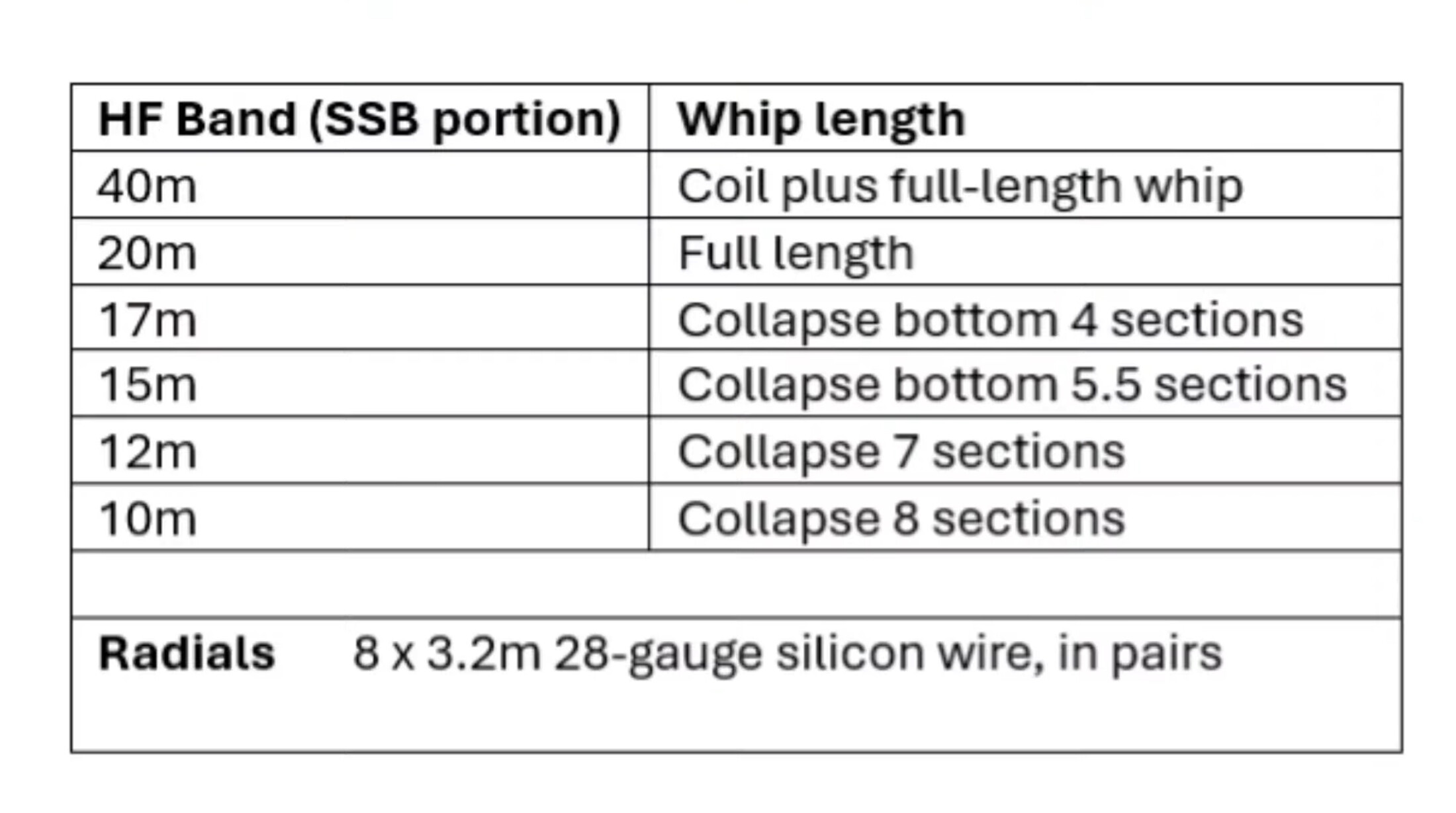
Fraser @mm0efi made a brilliant video on how to know what length to deploy. I noted the band vs. # segments on a piece of paper and forgot it. I also made a sting with knots it as a measure and forgot that. What I didn’t forget was my nipples  They’re 32cm apart, I know this from using them to measure top elements for an upper-outer antenna. With a 2m RG-58 patch lead I can measure 2m and 1m simply and with my inter-nipple distance I can measure 32cm lengths. I remembered that for 15m you want 3.35m length which is 1x 2m + 1x (2m/2) + 1x nipple distance + a bit
I measured this out and with the ATU in bypass the SWR said 1.4. Close enough for me. CQ messages sent and bang there I was on SOTAwatch. " [RBNHole] at RK3TD 20 WPM 27 dB SNR" that seems loud enough! I worked 4x EU stations but I was hoping for some DX-type stations. Maybe conditions not hot and a bit early for US stations. But all were 599 on the meter and I received 599 or 559.
Onto 17m, 3.93m is the length which is 3.35 plus a bit less that 2x inter-nipple distance. Again SWR on first test was 1.6. Good enough for agricultural purposes I did generate a few pileups of callers. Again EU stations but ODX was R3EV at 37deg East. 20m was nearly the full antenna. SWR was 2.4 I couldn’t be bothered adjusting the length, I hit ATU on the KX2. Again EU stations with UE7EZ as ODX.
Finally 30m where the antenna is too short and the KX2 ATU brrrped and barped a bit till it said 1.3. It worked because M0BKV in Cornwall/Devon was first in the log followed by S2S with LA1KHA/P on LA/TM-049 and last was DJ2MX.
The fact I could manually tweak the SWR to OK with the length is great and whilst it took a few minutes to deploy, this was only the second time of trying.
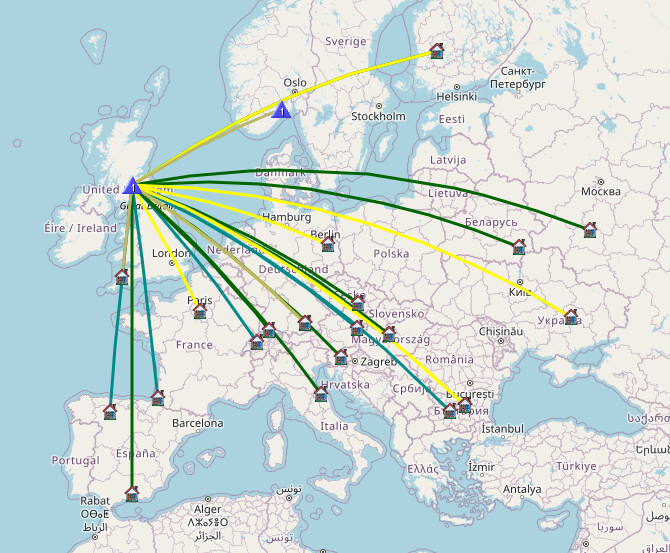
My QSOs on 30/20/17/15m
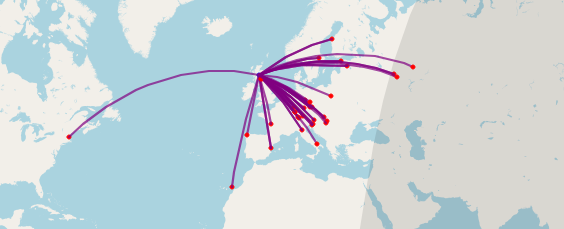
I was a little disappointed there was no DX with it being such a DX-y antenna so I checked on RBN and that did cheer me up.
20m RBN spots showing US East Coast and some penetration into Russia
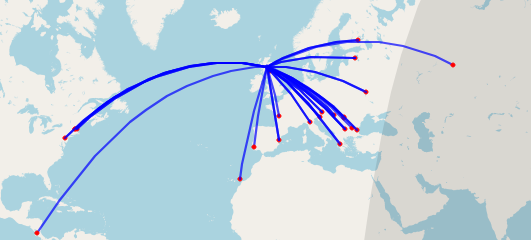
17m RBN spots showing Costa Rica and further into Russia.
15m RBN spots. Yes that distant SE spot is from Tajikistan in Asia
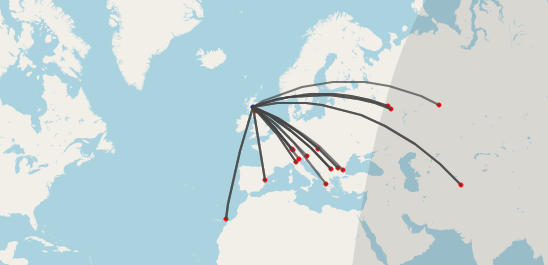
I think it’s reasonable to say this antenna does work even if it is built with some fine Bodgamatic Construction TM
So here it is on the summit set for 20m.
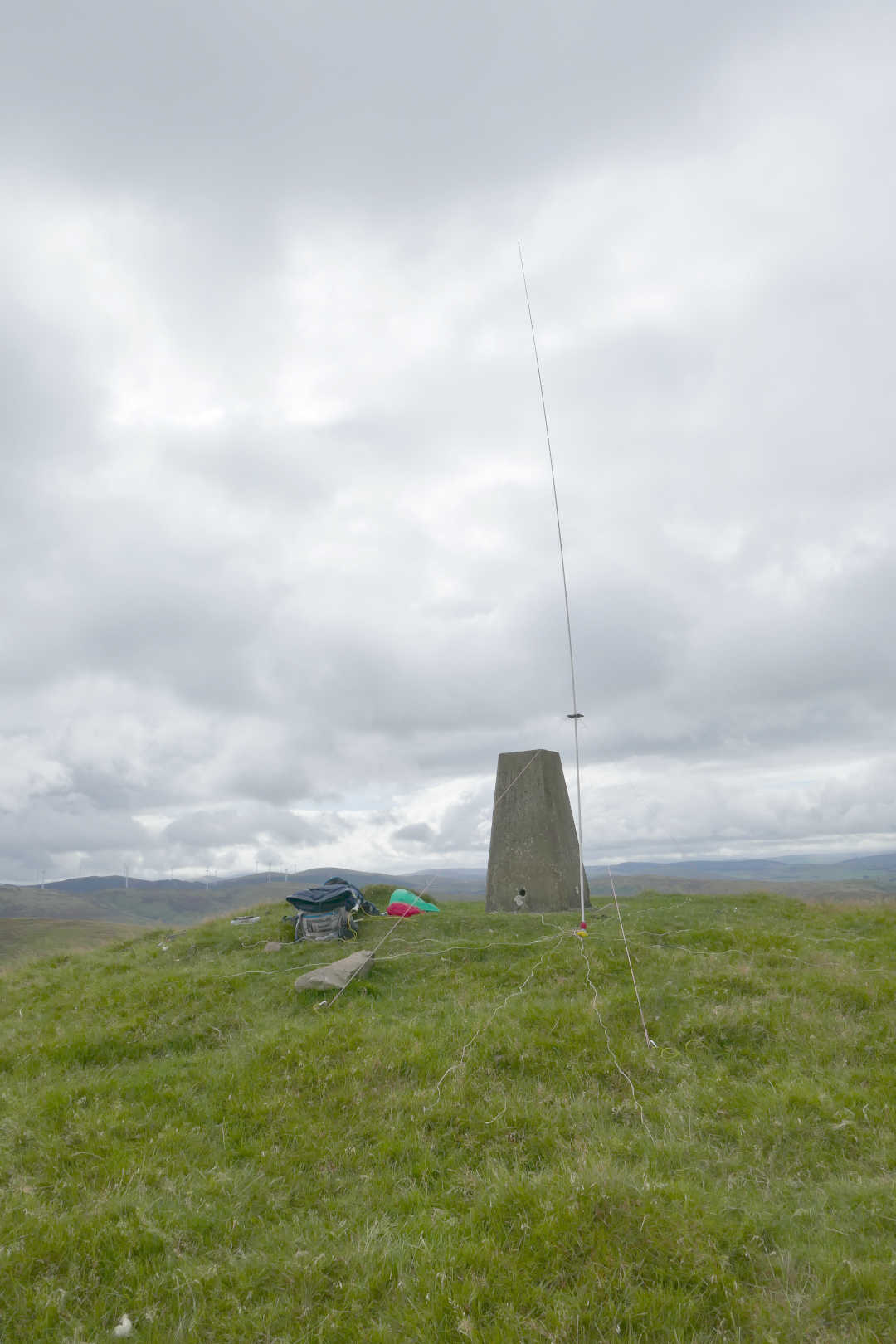
Bodgamatic radial deployment! The red item is the Rittal insulator.
If I don’t look cheery it’s because I got wet in the drizzle on arrival and setting up. I did dry out but it was cool for August.

Cowgill Upper Reservoir from 1904. All that earth to build the dam was moved by Navvies!
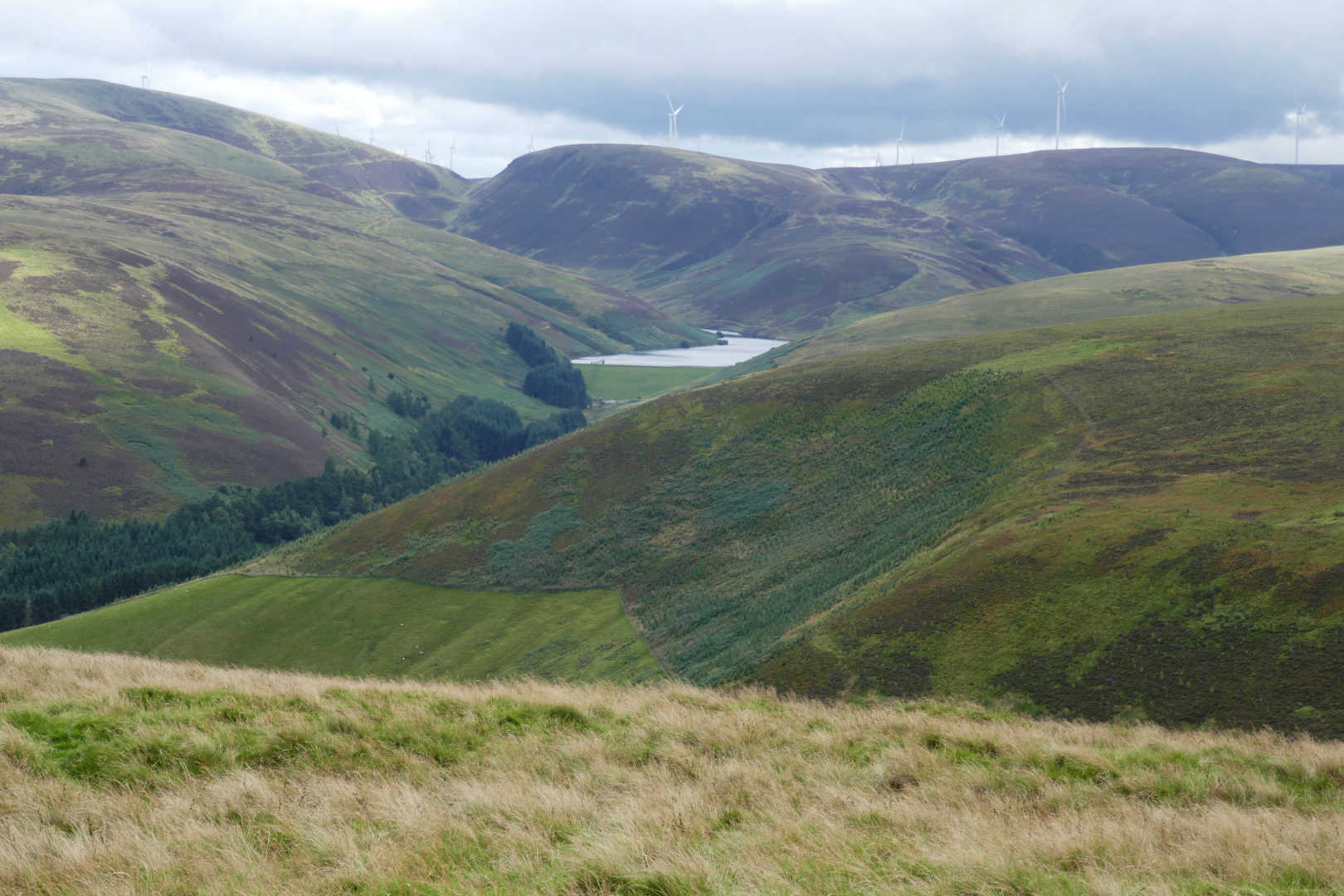
It was quite miserable and overcast so the contrast has been played with to brighten those photos.
So about £12 for the telescopic antenna and another £10 for the bits and bobs to make a viable antenna. That’s OK and a possible FOMO situation averted.


 )
)