G4YSS: G/CE-002 Walton Hill, 26-03-26
Issue-1. Pse rprt errors
G4YSS Activation of G/CE-002 WALTON HILL on 26th of March 2026
QRO/ QRP on 2m-FM, CW &SSB
QRO on 15-20-40m CW & SSB
Unaccompanied
All times UTC
RADIO EQUIPMENT:
FT817ND HF/VHF/UHF 5W Transceiver without internal batteries
MX-P50M 50 Watt HF Linear Amplifier 80 thru’ 10m (& 160)
HF Link dipole for 40-(30)-20-(15)
Five section, 6m CFC/ Alloy HB mast with 1m end sticks
Two HRB 11.1V nom, 5Ah Li-Po batteries
VHF:
RM TC-150V 50W Linear Amplifier with internal RX RF Amp, 560gm (modified for PTT)
Vertex VX-150 2m-FM/ 5W Handheld (not used)
Half-wave vertical J-Pole for 2m-FM
Baofeng UV-3R with set-top helical (top pocket)
Other Equipment:
Garmin GEKO 301 GPS
Approx. pack-weight: 11 kg (24 pounds)
Walking stick (not used)
Umbrella (not used)
INTRO:
As was the case for my only other activation of Walton Hill in 2019, this was a bi-product of a visit to the Birmingham branch of the family. We drove the 179 miles from Scarborough the day before via A614, M62, M18, M1, A42, M42, M6, M5 and A456 in 3.5 hrs net, stopping off at Howden for lunch. The car was pelted with sleet and hailstones on the M1.
As has become a habit in the past 5 years, we booked in at a Premier Inn. I left that to my very capable wife after which I was delighted to find that the one she had chosen at Hagley on the A456 was just a couple of miles from CE2, as well as being handy for visiting my cousins in Halesowen.
RM TC150V:
The RM TC150V VHF 50W 2m band Amplifier as been with me on a number of summits, mainly for FM use, for which it works acceptably. At $116 plus £11 duty in 2013, it was cheap and at around half a kilogram, it’s light. Now I wanted it to work properly on SSB but despite the unit having a switch for that mode, it works by rectifying part of the RF input to switch a relay. In other words RF sensing. This is fine on FM with its constant carrier but not for SSB. The extra capacitance, which the SSB switch adds to increase the delay, does no good. The relays still chatter and the transmission is broken up.
So I spent a lot of time modifying it by identifying a point on top of the PCB where I could add a PTT facility to go to the FT817. ‘On top of the board’ because I didn’t want to disturb the power transistors by removing them from the heatsink to get to the PCB’s underside, where half the components are mounted. I identified a relevant point at the anode of a relay coil suppressor diode which I connected to an RCA phono jack after drilling the rear panel to accommodate it. This seemed to work on the bench and in a test to my son G0UUU/M a few miles from home. However as we will see later, things were not to go well on the summit.
In 2019 I activated CE2 in the dark, logging around twenty 160m contacts. This time I had a full day to spare with good weather and no pressure. Despite this being a 1,000 foot plus hill, it is easy to climb mainly because you start high. It meant that I could carry ‘the kitchen sink’ up there but I still managed to leave my Sotabeam in the car.
The night before I put an alert on SOTAwatch for 11:30am while I had Wi-Fi and a phone signal, both of which can be a bit dodgy at this hotel. Not only that the place had no power for the first three hours of our stay. While going out to the car for my head-torch as insurance and seeing the electrician I naturally enquired as to the cause. One of the high power contactors was failing to make proper contact so he temporarily paralleled it up with one of the others. I assume the ten minute power cut the next day was for fitting the replacement. Anyway I digress - again.
EXECUTION:
The 2-mile drive to the hill took just 5 minutes and I found plenty of (free) parking at SO 9434 8025 just off the road and under some trees.
ROUTES:
I’d had a job finding the start of the path in the dark last time but it was plain to see today and I had the route in the GPS. Even so the paths fork left or right immediately upon leaving the car park and I’d forgotten which one I took last time. Setting off at 10:11, I went left when I should have gone right like 2019. No worries though. A lady dog walker provided reassurance. ‘Both paths lead to the trig point.’ ‘This one’s a bit further,’ she said, ‘but not as steep and less muddy.’ I thanked her and carried on, marking it in the GPS on the way up. The new route will go into my archive along with the short route from 2019. Both are detailed below.
Short Route (approx 0.6km):
Leave the car at SO 94340 8025 and cross the road to the notice board. Take the right fork up by the fence. The path curves round to the right at first then ‘corrects itself’ at SO 9431 8011, where it dog-legs left. A further curve to the right brings it via a path junction at SO 9432 7993 to the summit trig point which I GPS’d at SO 94260 79800 in 2019. As well as 2019 up and down, I used this route for the return today.
Longer Route (approx 0.9km):
This was today’s ascent path: From the car at SO 9434 8025 cross the road to SO 9433 8022 and at the notice board take the path which forks left. Follow it SE up via SO 9437 8019 and then zig right at the wooden scout shelter SO 9441 8003. Zag left at SO 9441 8009 and climb up to the path junction (mentioned above at SO 9432 7993) from where the summit can be seen 150m to the SW.
I set up by the transverse fence immediately to the south of the trig where there is a flat, grassy area. There were a few people about mainly dog walkers and cyclists. Everyone was friendly including two ladies riding horses both of the latter readily accepting my Polo mints. This after one of the horses became slightly startled by my unfamiliar antenna.
Another group asked me if I was the ‘radio man with the umbrella?’ I did have one with me but it was plain red and furled. Apparently the op described uses a large rainbow one to sit under. If this is you and you read this, you’re famous!
WALTON HILL, G/CE-002, 316m, 1 pt. 10:23 to 17:08. 8 Deg. C. Sunshine and almost no wind. LOC: IO82WJ - WAB: SO97 – Trig: TP-0725. EE mobile coverage at the summit & on route.
145.300 FM – 9 QSO’s:
Unlike in my home town of Scarborough, it was refreshing to find that you can flick through the channels and actually hear signals. Not just one either so I had to take care to find a clear frequency and check it thoroughly with the squelch off. This check brought in my first customer in the form of M7TNO John – QTH Sutton Coldfield who was ‘just passing through’ and heard me. We had a brief chat but at 59+ both ways, John was too close for an amplifier test.
A self spot and CQ brought in G0NXA Giles in IO82WA ‘near the M5-J6, 2mls S. of Bredon Hill.’ Giles knew Walton Hill as he’d been up it. Later in the day we had an extended chat about aviation which turned out to be a shared interest. He was familiar with Slingsby Aviation where I used to be a design engineer but that was in another life. A friend of his owned a T67 Firefly which interested me. Giles, who worked for the BBC in comms, is a pilot himself. A Falke motorised glider was mentioned and there were plenty of those at Slingsbys in for repair as they were flown by Air Cadets. I think he said he flew it from Worcester Airport. Hope I’ve got that right?
Next came G0LGS Stewart in Cheltenham, followed a few minutes later by M8MDJ Matt - Father and Son in the same shack and running 100W. Initially I used 5W for this and reports were 59. Stewart reminded me that we’d already had two S2S’s; one of which was on 4m-FM during my activation of NP6 Gt. Shunner Fell in 2021. Matt helped me test my amp. The result was 59 with 5W and 59 plus 10dB with 50W.
In between Giles and Matt’s QSO’s was G1KDU Andre running 50W at 400ft ASL from Nuneaton – IO92GM. The amp test result from Andre was 56 and 58 with 5W and 50W respectively but going by memory he had to switch in some attenuation to bring my signal down to a more convenient range on the S-meter.
Next in was M0DID Becky with location given as ‘NE Birmingham’ in IO92CM and WAB SP19 in exchange for my SO97. Again the test confirmed a difference of two S-points. They must be making S meters better these days.
Old SOTA acquaintance Rod, M0JLA called in from Hereford City. He was 55 on my meter with the linear switched off and 59 with it on, courtesy of the internal RX RF Amp. On Rod’s rig I was Q5 with my 5 Watts but without ‘troubling’ his meter. With 50W he gave me a 52 report.
We had a good talk about SOTA activating and the rigs Rod used. For the past 14 years he has just used HF for activating mainly because his XYL was using 2m & 70cm. Starting with an FT817 to a 40m band end-fed, he later upgraded to an FT857 followed by a KX3. Since then he has built no fewer than four QMX’s from kits; three for upper HF and one of the mid range ones which I admit has caught my eye too. In his words he ‘blew one up’ after a wiring mistake which destroyed a chip with about a hundred legs! No Rod, I wouldn’t want to try changing that either.
After Rod came G7HEM, Mike in Stourbridge. Mike told me that he’d put on CE2 for SOTA ‘about 50 times’ so maybe he’s our rainbow umbrella man? I forgot to ask. As soon as I heard it, I knew his callsign as that of another serious activator so I wasn’t surprised when he told me of a recent GW activation he’d done with a 13km walk in/ out requiring 3.5 hours. His suggestion for a longer and more interesting approach to CE2 was to park to the SW of the hill in Clent.
When I commented that a light aircraft was flying overhead – there were several in the day – Mike informed me that it was a Bulldog. I knew they once used those for RAF training but now it’s the Grob. That’s a sore point indeed. The Slingsby T67-M260 lost that contract to the Grob 115. Mike flies a Flexwing Microlight. Rather him than me but I have a friend who has one and flies it from Snainton. Yet another interesting chat. Good job there wasn’t a massive pileup!
My final FM QSO of the day was with M6FBM Bob in Dudley. I’m envious as Bob lives at 800 ft ASL. He was using a 50W dual band Yaesu 5100 base station. I didn’t realise that hills came that big around Dudley so it seems that my knowledge of Midlands geography needs some work. Bob also owns an IC7300; a rig which must have earned Icom a fortune.
144.345 CW – 1 QSO:
This frequency is actually the WAB one for 2m-SSB. Having left the Sotabeam in the car, I had no choice than to yoke up the vertical J-pole again. As with every other QSY in the day, I started this session on SSB after self spotting. Immediately I heard GW0PLP calling but only just readable. In CB parlance he was ‘in the back of the box.’ With the TC150V linear switched on I called him back a few times but to no avail. I later found out from QRZ.com that this was Don in Aberport near Cardigan and ‘overlooking the Irish Sea.’
With Wales ‘in the way’ there was no wonder he was weak and no surprise I wasn’t making it back. It also occurred to me that he might be horizontal whilst I was omni vertical. Before I had time to jump up to perform the old dodge of leaning the mast over a bit, he changed to CW – an intelligent move but sadly we still failed to make a QSO. The one that got away!
Giles G0NXA, who I’d worked earlier in FM, took pity on me - 599 both ways. Many thanks Giles.
144.345 SSB – 1 QSO: Stewart G0LGS, also in the FM log, gave me 59 plus 10dB but mentioned I was ‘chopped up.’ My heart sank. All the work was for nothing or at least further investigation is required. Though the PTT system seemed to be working, I could hear the chattering relays so maybe I have to turn off the RF sensing circuit altogether? For that the PCB will need to come out – something I was going out of my way to avoid.
I tried calling on 144.300 too, for a good five minutes. Nothing. I saw a spot – Richard G4TGJ was on Rogan’s Seat NP14 and using SSB but I could hear nothing on 144.315. Hardly surprising really. After a quite a long time I realised it was time to give up on 2m-SSB.
21.061 CW – 2 QSO’s:
It took quite a while to reconfigure the station for HF but with the 40m link dipole on a 6m mast I self spotted and called CQ on 15m. Nothing happened for more than 5 minutes so thinking the band was maybe dead, I reached forward to twiddle the VFO and find out. At that moment I heard a weak signal. This was W4JKC Tom in Anderson SC and we exchanged 529/ 559 reports. Good result!
A few more CQ’s later I logged KF9D Roger in Algonquin IL who had a much stronger signal (579/ 539). That comes as no surprise when you see Roger’s antenna photos on QRZ.com! I called for a while longer but there was nothing further. Power was 50W.
21.333 SSB – Nil:
After spending more than 5 minutes CQ’ing on here and in spite of a self spot I was forced to accept that no one was coming back to me on 15m-SSB. 50W again.
14.061 CW – 12 QSO’s:
This was a much more lively band and I soon had a pileup of the kind that presents one single continuous note to the speaker with no one off to the side. For this we can blame PLL’s! Not only that but when I did finally make out a callsign or part thereof, they were sending too fast for me. Yes I’ve been at the wrong end, or some will say ‘the right end’ of pileups many times in SOTA activating over the years but the older and rustier I get with my CW, the more I’m likely to get flustered. Eventually I picked out someone and we were away.
In the log: SP9PND Milosz – Rycekka (579/ 559) IV3RJH Carlo in Buiaudine (539/ 569); OK2PDT Jan – Velka Bites (2x 579) at which point the first 5Ah Li-Po gave out just before I was about to send the final ‘dit dit.’ After a short delay connecting 5Ah No2, I worked HB9CGA Uli in Simach (R559); OK1FMJ Josef at Jablonne-nad-Orlici; OE7PHI Hans QTH Kufstein; OK2KG Jiri in the village of Kotvrdovice.
Moving on but still a bit nervy: LB8VA Ivar in Oslo (R559); EA3AVV Ramon – Sabadell (R579); IN3KLQ Giuliano in Tesero; EA3O Santi at Bellavista and SV2OXS Christos in Katerini both 599/ 539).
Reports were 599 both ways apart from the ones given in brackets above. Wow was I glad it was over. It took me nearly 25 minutes to log those and a lot of sweat.
14.295 SSB – 15 QSO’s:
After the fraught CW session this counted as R&R, the only danger here being heavily accented English. Another self spot got me the following:
EA1DHB Ricardo - Burgos; OH3GZ Jukka - Tiovakka; DK7RC Wast - Furth; SQ9MDF Leszek - Zawiercie; HB9FEX Mirko in Lugano; SQ9CWO Jan Olesno; 3Z9VI Tomasz in Wadowice; G7HEM Mike in Stourbridge (see earlier FM QSO).
Moving on: DL3MCI Helmut – 30km S of Munich; IU0BR Carmine - Terni; I3LTT Giulio - Venice; EA1CCM Sixto – Chapela Redondella; F1SNB Patrick - Ganfaron; SV6RMF Dimitrios – Epirus and IU5FBV Rolando – Terricciola. Power was 30W throughout. Reports sent out were all 59 except IU0RBR 55/ 56. Coming back all were 59 except a 55 from SV6RMF, 57 from HB9FEX and 58 from 3Z9VI.
7.126 SSB – 19 QSO’s:
Now it was time to give the further away UK stations a fighting chance. As luck would have it 40m was in perfect condition for this:
Logged: 2E0WGA Anthony - Cantebury; G7SXR Mark in Drighlington; M1AOB Richard - Holdsworthy; G8KBH Dave - Blackpool; G4IAR Dave at Loughborough; G0FVH Dave in Poole; 2E0VSS Mark on his balcony at Crystal Palace; G0RQL Don – Holdsworthy, Devon and G5NOW - Ken near Holdsworthy.
Barely pausing for breath:
G0ORO SOTA friend going back to 2002, Dennis at Wigton Cumbria; M1DYU Garry - Wigan; GM0AXY and GM4YMM Ken & Christine in Edinburgh; GI0AZB and GI0AZA - Ian & Esther at Londonderry. (Two for the price of one twice!) Christine mentioned that she was recovering from a car accident (as a pedestrian) which happened some time ago. I hope she makes a full recovery.
Next in was G3UHN Peter at Harpenden – an obviously experienced and impressively correct operator; G3MZO David in Bognor Regis and M0MJH Mark in Suffolk. The final QSO of the day was with M7MPY Mike in Redruth. Power was 30W again with only two reports below 59. Great inter-G on 40! The session spanned 45 minutes.
The Descent:
Using the short route, the descent took just 7 minutes to 17:15.
QSO’s:
9 on 2m-FM:
1 on 2m-CW
1 on 2m-SSB
2 on 15m-CW
0 on 15m-SSB
12 on 20m-CW
15 on 20m-SSB
19 on 40m-SSB
ALL TOLD: 59
Ascent & Distance Walked:
53m of ascent / 0.9km up/ 0.6km down
12min up/ 7min down
Summit Time: 6hrs-45min
Observations:
It was good to get back to SOTA and the friendship both on the air and on the ground. What a privilege it is to go to the high places, my first activation of 2026. Yes, I know. I missed out on all that winter bonus. No matter. The pursuit of points is far behind me now. Not only that after all that snow and ice I’m starting to see that summer is not such a bad thing after all particularly if you walk slow. The latter is something I’m getting better at!
This was a very short walk followed by a very long activation. If you do the arithmetic the QSO rate works out at less than nine QSO’s per hour! What on earth was he doing, you might ask? Enjoying just being there, doing what I love best and making it last. After hail, sleet and 2C 24 hours before, this was a beautiful sunny day without being too warm so there was a steady stream of people passing through to exchange the time of day with.
VHF:
Thanks go to several ops who helped me test the newly modified 2m linear amp, It wasn’t a success on SSB so it’s back to the drawing board for that. It worked perfectly on FM but that was already known. As far as distance is concerned, all will become clear when I enter my QSO’s and get the map to see how far my signals went just with an omni. One thing is sure; my knowledge of the geography of this region needs a brush up. Just the nine-QSO 2m-FM session lasted an hour and twenty minutes but what great chats were to be had. In fact one op told me that it made a change from the quick exchange of reports that happens when you’re in a rush. On the other hand waiting might have been frustrating.
I only managed one QSO in CW and one in SSB not counting GW0PLP who was ‘heard only’ in both modes I thought there’d be more but it didn’t help that my beam was left in the car and my relays were chattering even more than I was.
HF:
HF is where most of the QSO’s came from at a rather quicker rate than on 2m.
15m:
15m appeared closed. However when I was about to move on, two USA stations from SC and IL to make QSO’s in CW. It took them a while to find me in the QSB but it just shows how keen chasers can be to bag even a single point. Brilliant! I think I might have just about grubbed one of these with QRP but I think the extra 10dB was useful in getting me two. 15m SSB brought nothing but after just two in CW I wasn’t expecting much.
20m:
This was the ‘Europa band’ of the day with a total of 27 QSO’s, the farthest being Greece. There was no problem with signals which were almost all big, only with my handling of the pileup. Firstly there were so many calling that they blended into a single tone. Secondly when I did make them out, they were a bit too quick for my skill levels which made for more repeat requests. No complaints though; I’m grateful for every QSO I can get but lower sending speeds might have resulted in a faster rate.
For the 20m-SSB session I asked a few ops for a quick name and QTH. It saves me looking them up later which is always the case with CW. However it wasn’t really much of a success . They still needed looking up just to check the spellings as there’s no time for phonetics so I think I’ll forget that idea.
40m:
If 20m covered Europe excellently, 40m did the same for the UK. 19 QSO’s boosted the score significantly before the close. I logged G, GM and GI but nobody from Wales.
My son Phil G0UUU, who has no radio station at home in Scarborough town, due mainly to a lack of antenna space but also due to high local noise, picked up my signal on three on-line receivers. Namely Nantwich for the 2m band; one in Austria for 20m and the Jodrell Bank one for 40m. All provided good reception.
THANKS:
To all stations worked – we had some great chats!. Also for the SOTA spotter app.
73, John
G4YSS
Photos: 1-2-3-4-5-6-7-8-9-21-10-14-15-19p-22-23
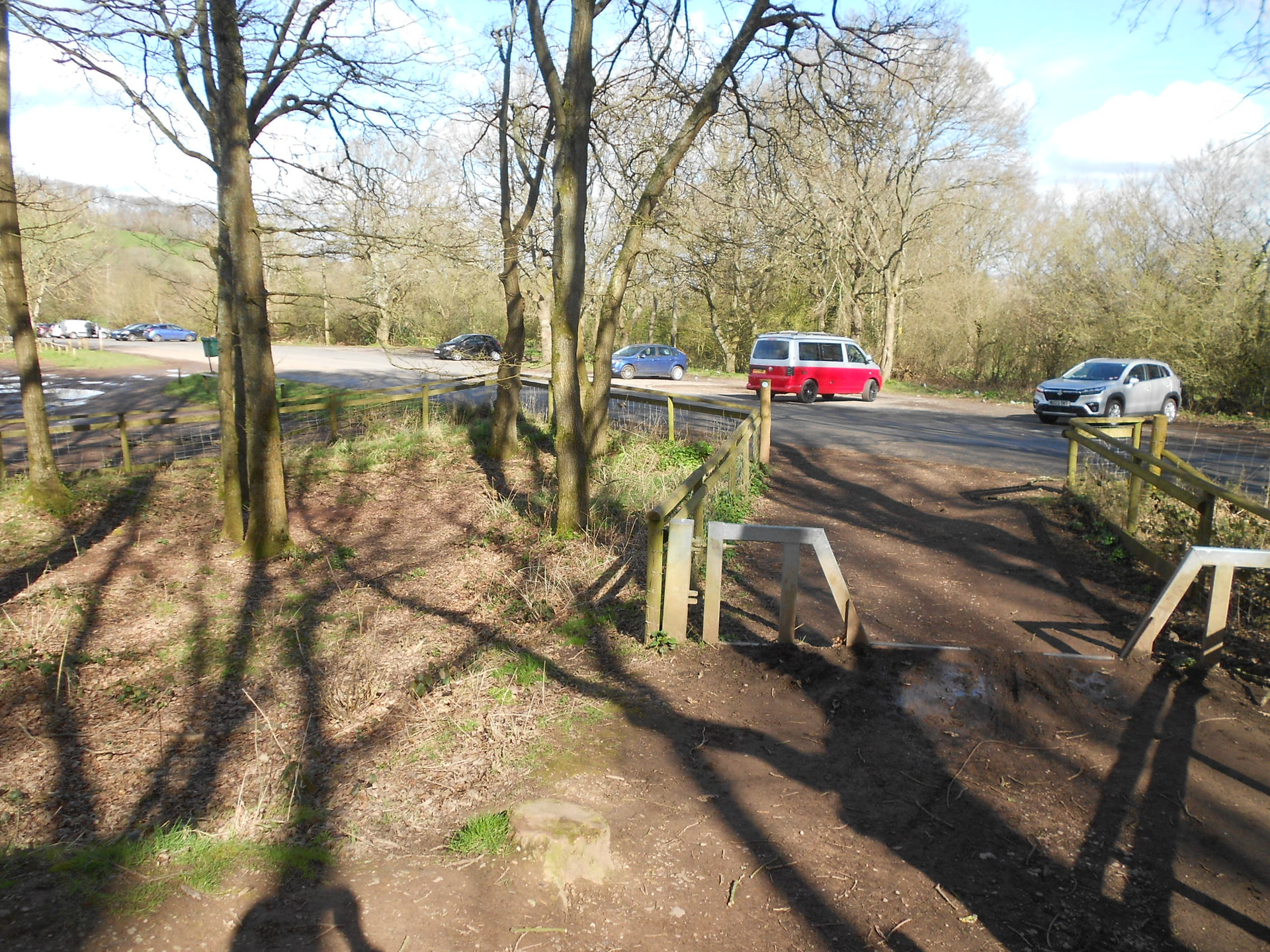
Above: The start of the walk. Looking back at the car park from where the paths fork
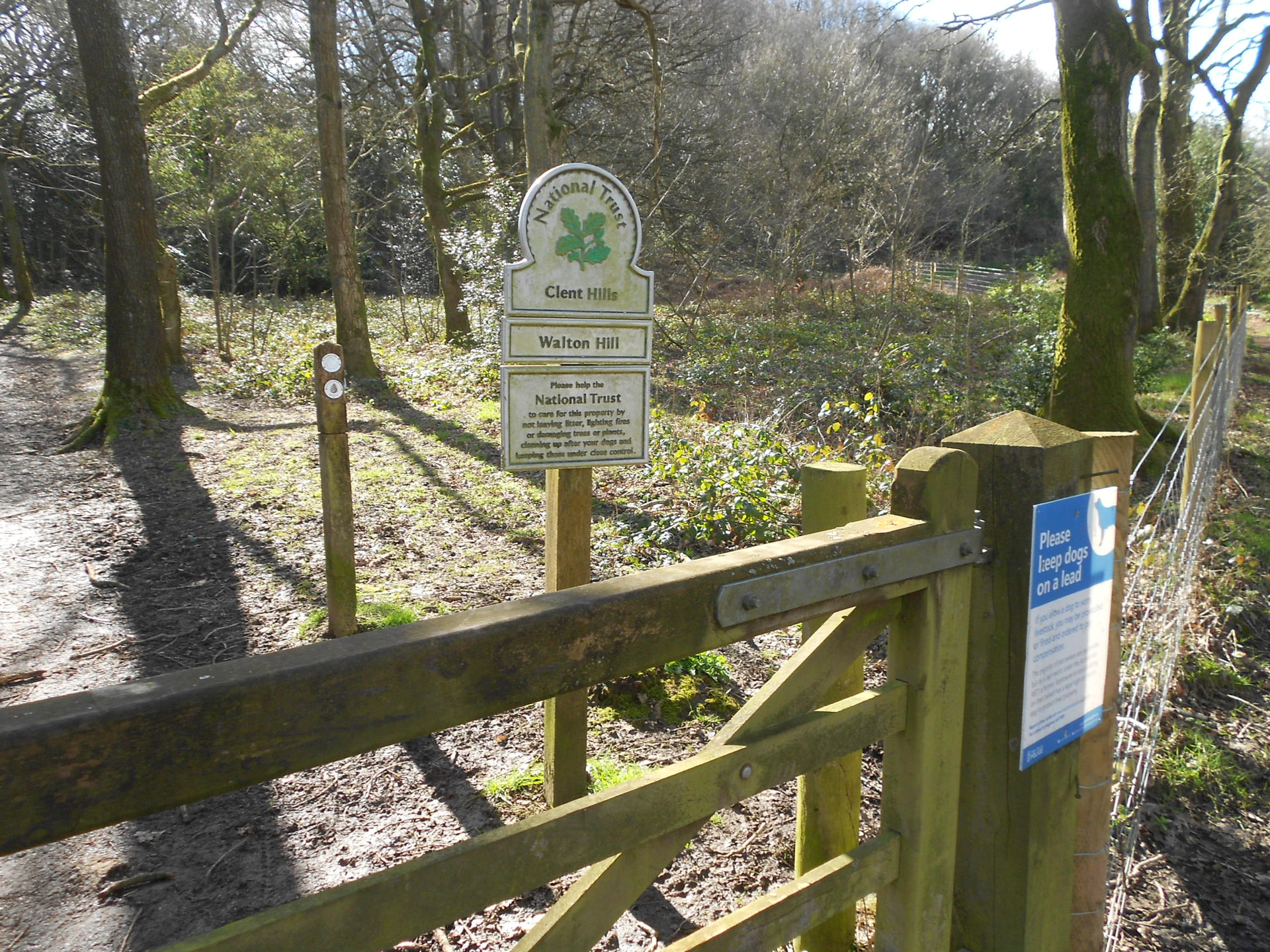
Early choices: Fork left through the gate for a less steep but longer walk (my ascent route) or carry on along to the right of the fence which is the direct, short route used on the return.
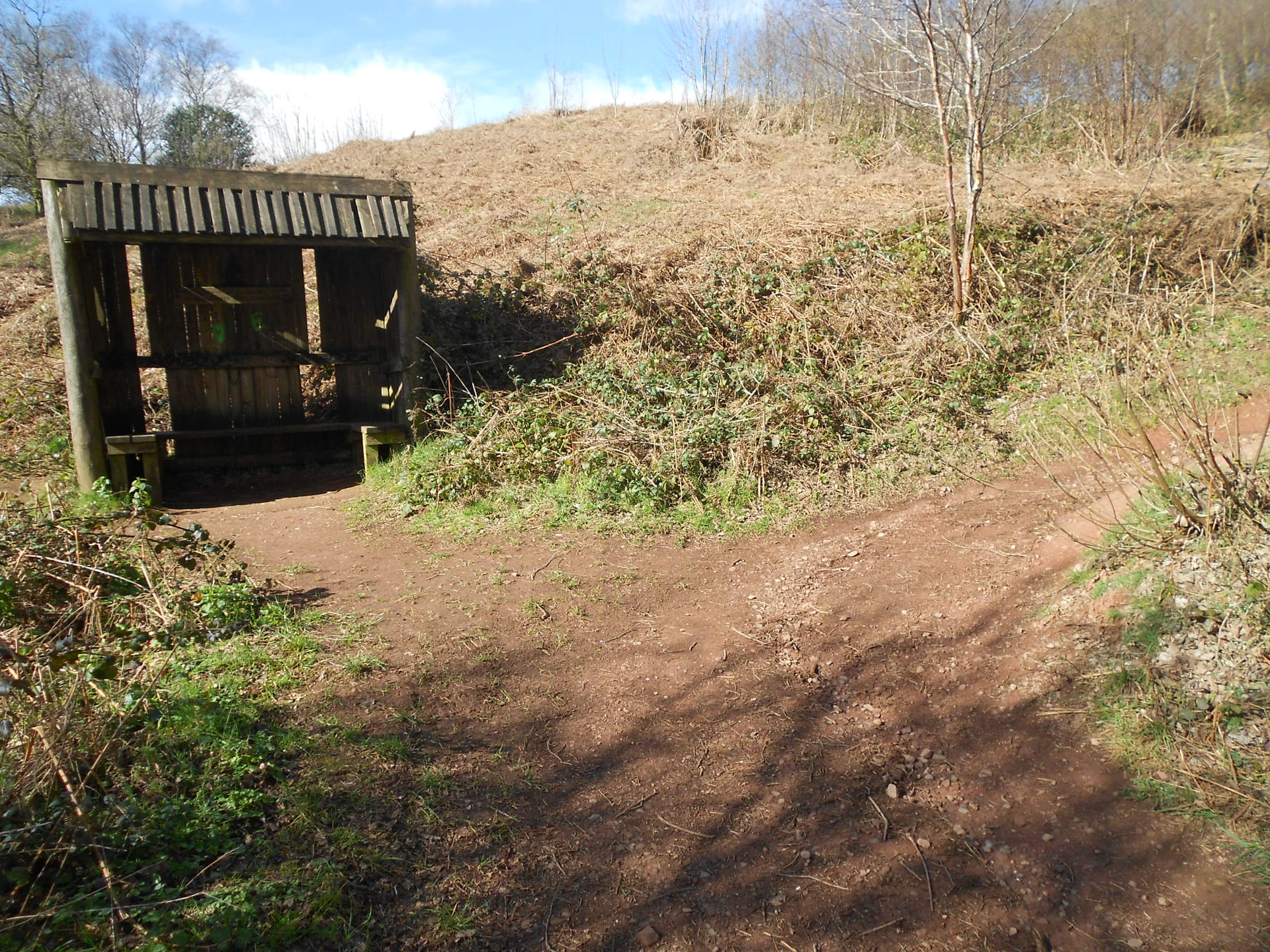
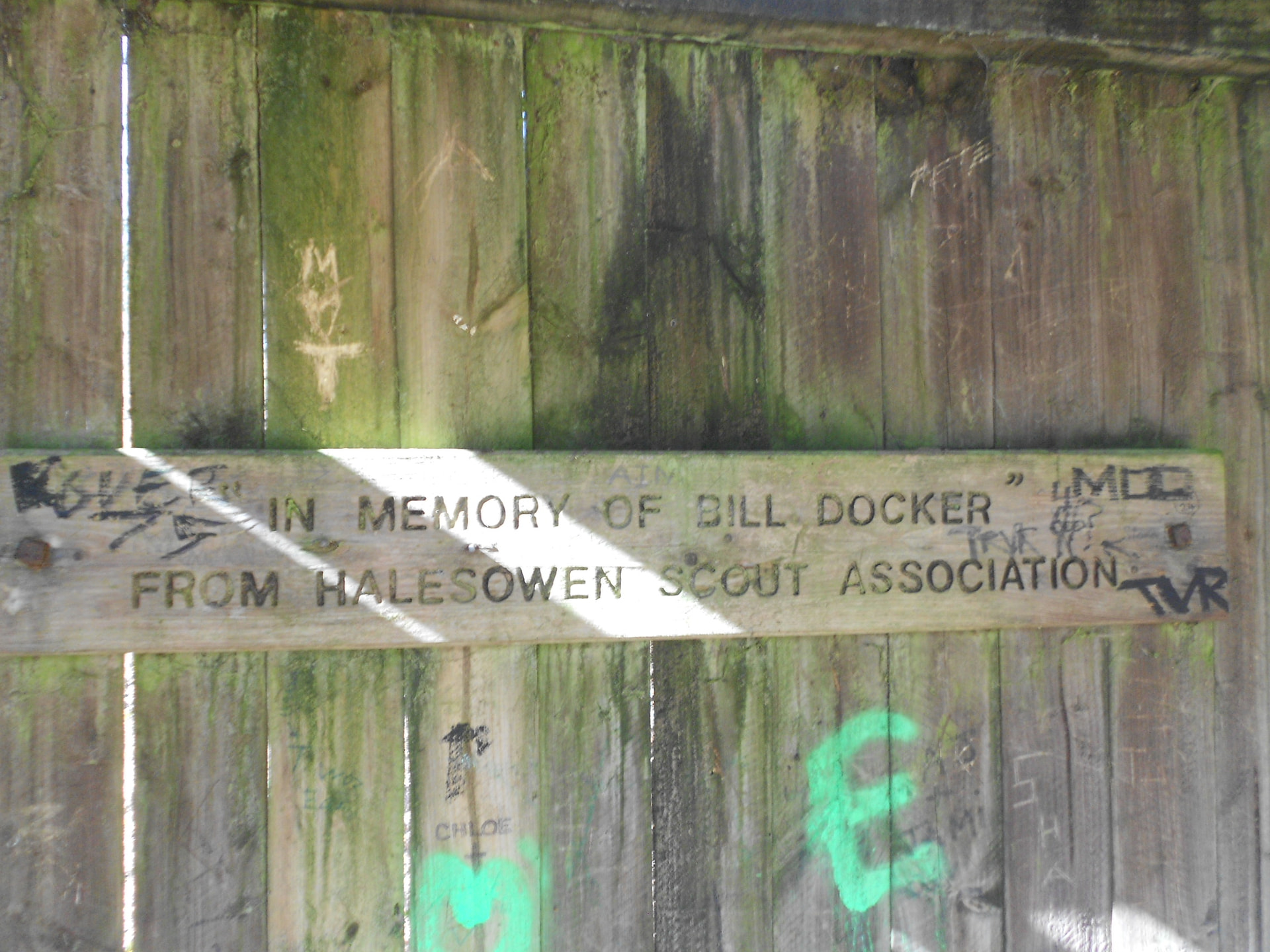
Above: Zig right at the Bill Docker Scout shelter…
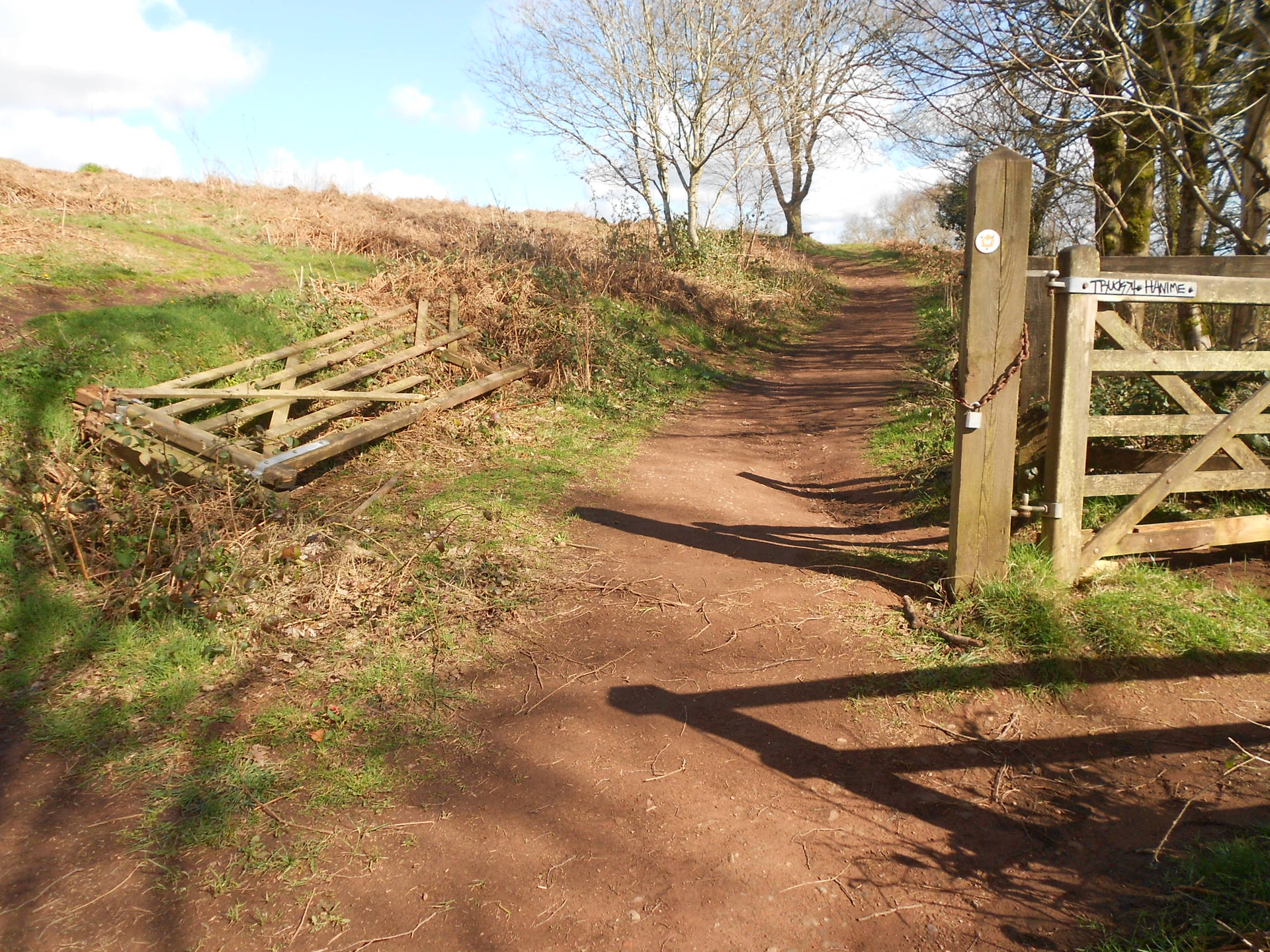
…and walk NE for another 50m or so
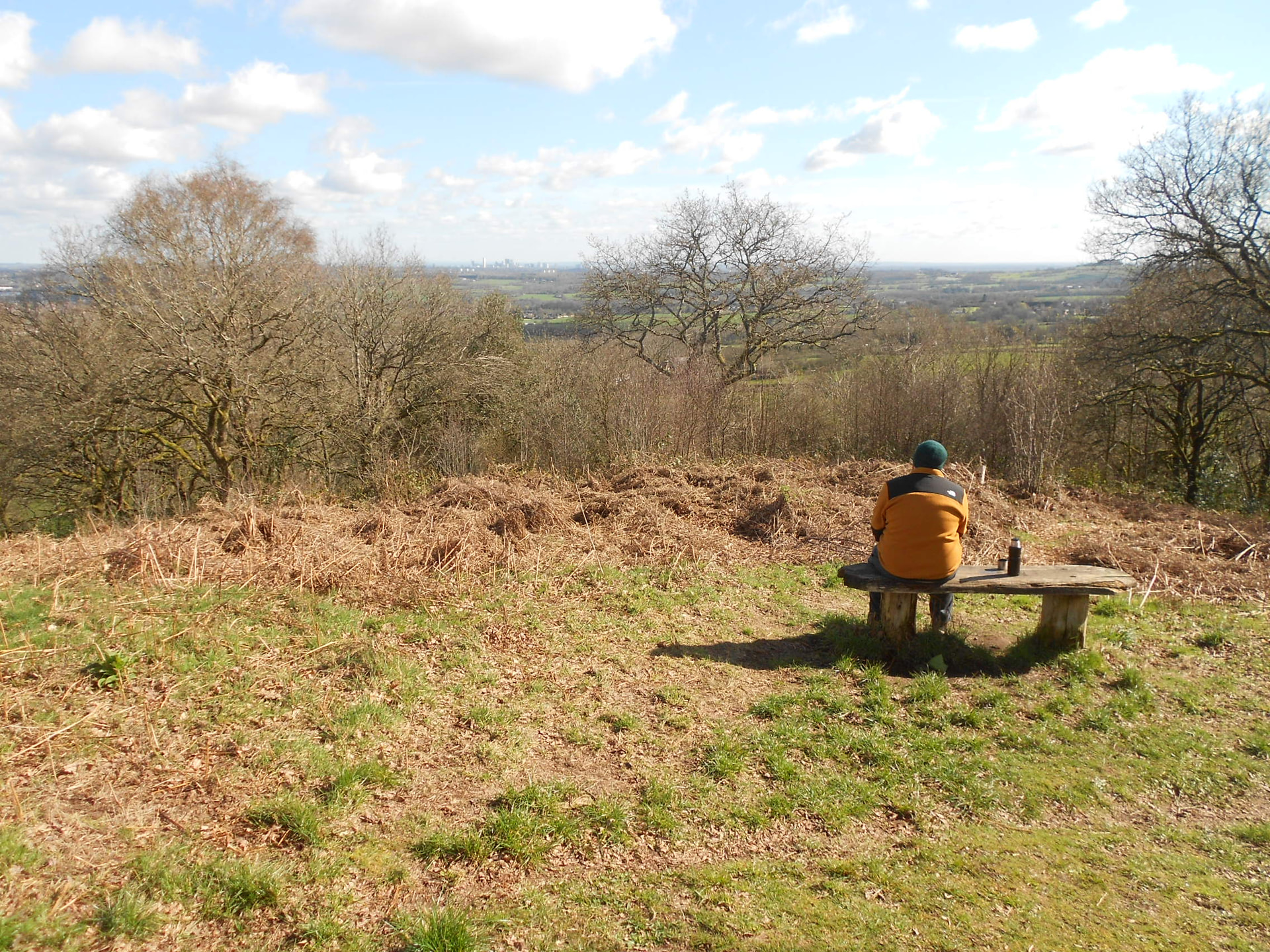
Above: ‘Zag’ left when you see this view and head SW towards the summit
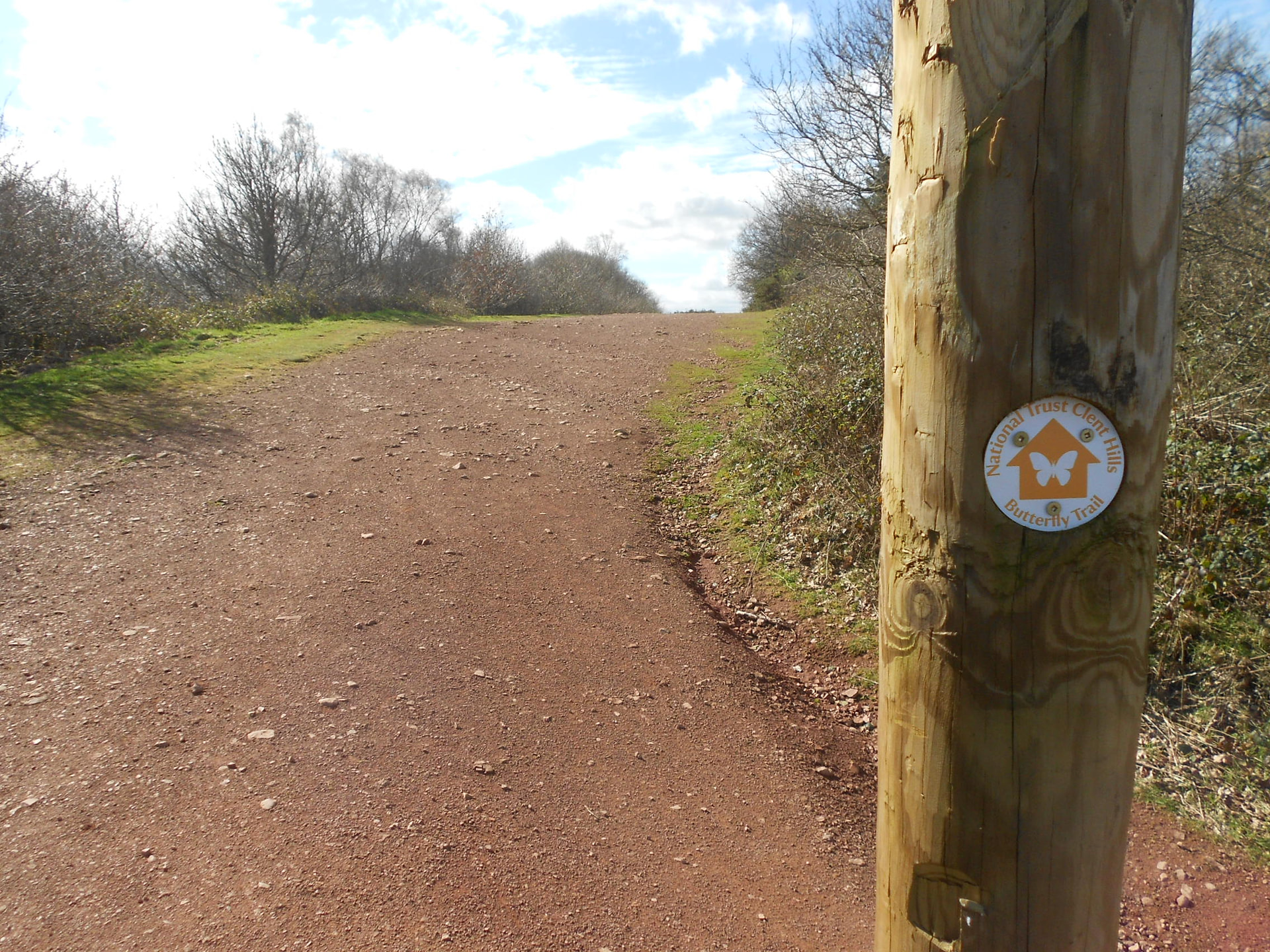
Above: This post marks where the long and short paths recombine. Looking up to the summit
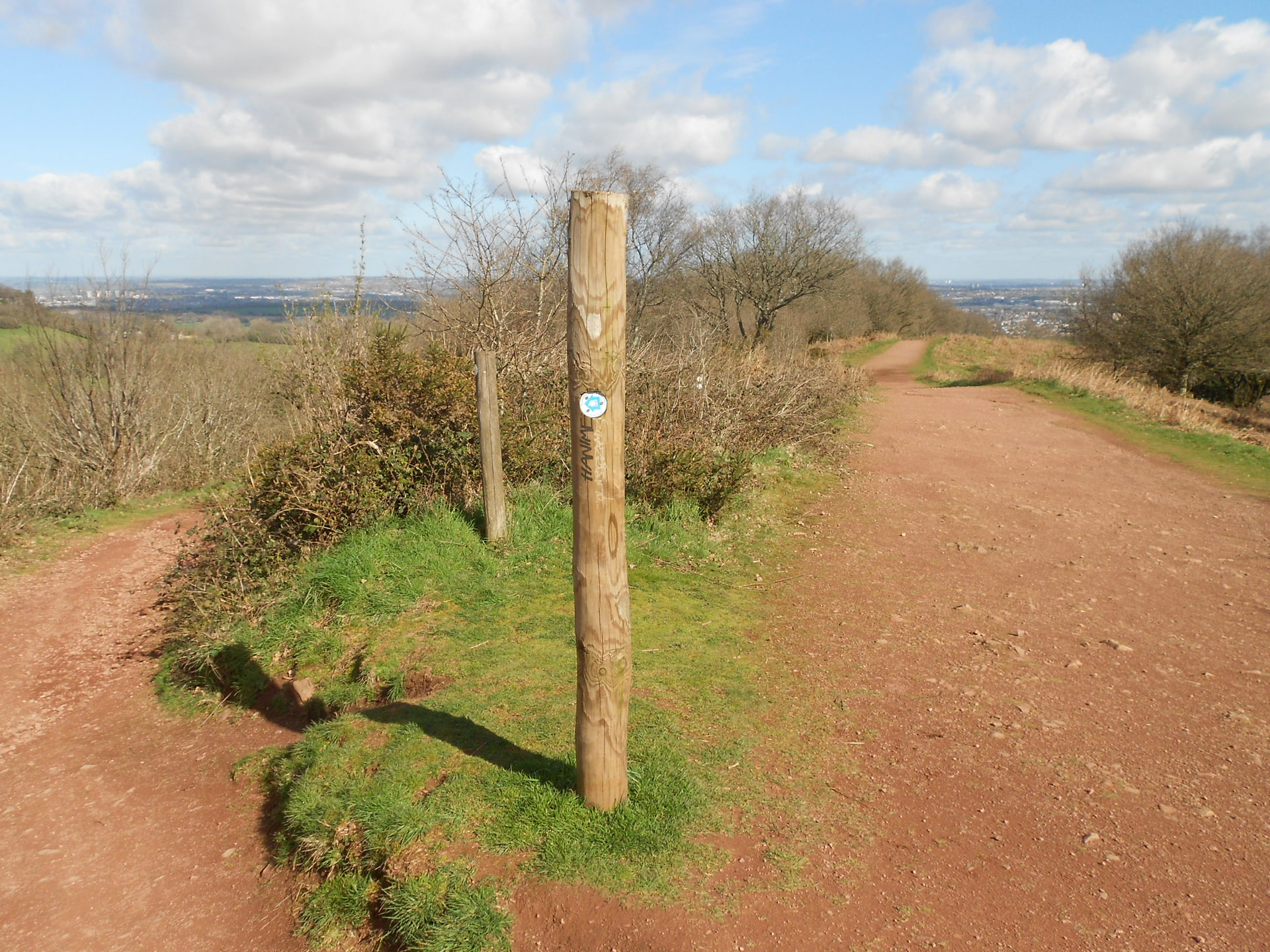
Above: Choice for the descent. Left - short; right - long
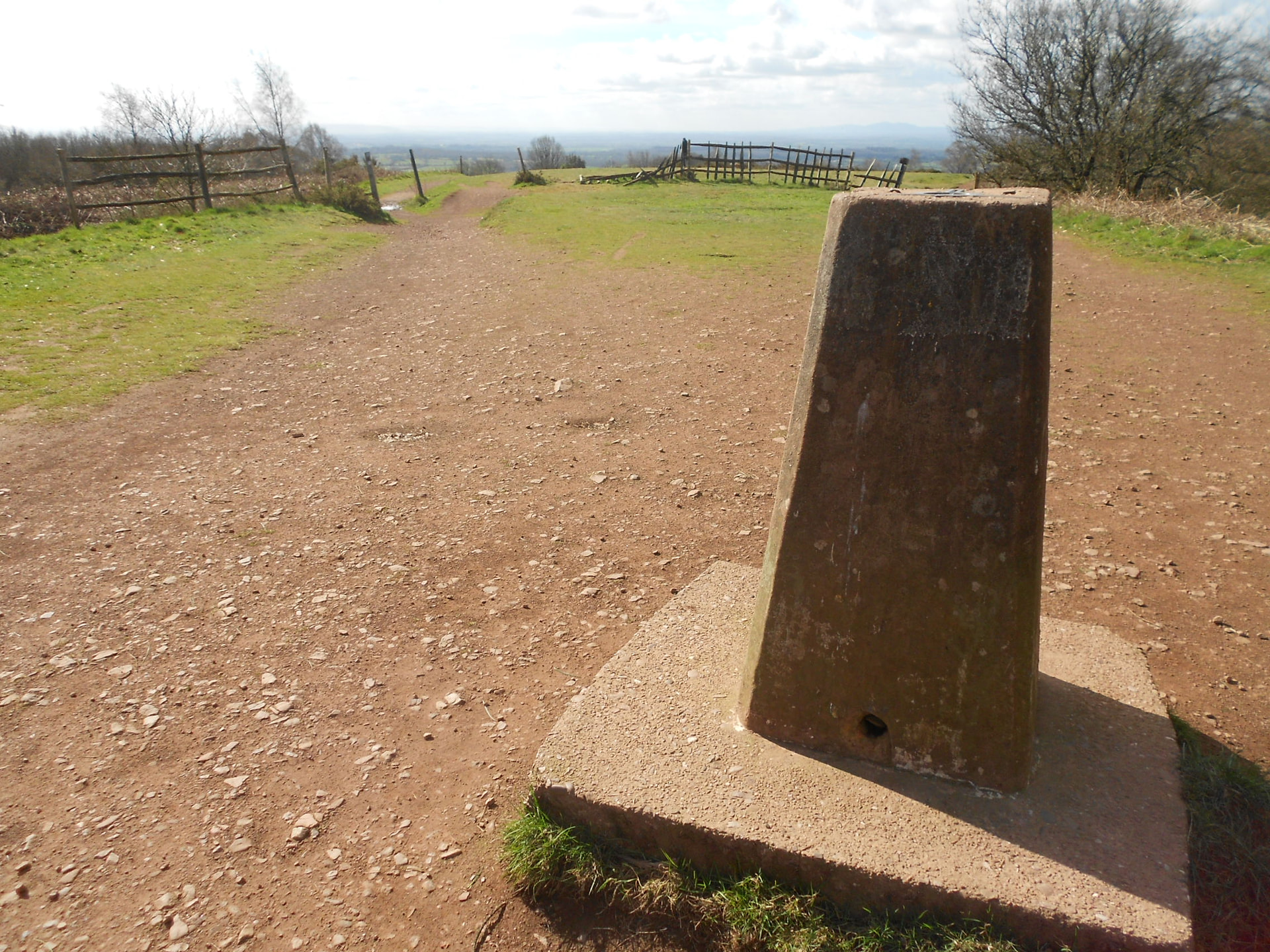
Above: TP-0725 looking towards the transverse fence, which is a good place to operate from

Above: Ordnance Survey call it S1533 but it’s known to SOTA activators and WAB collectors as TP-0725
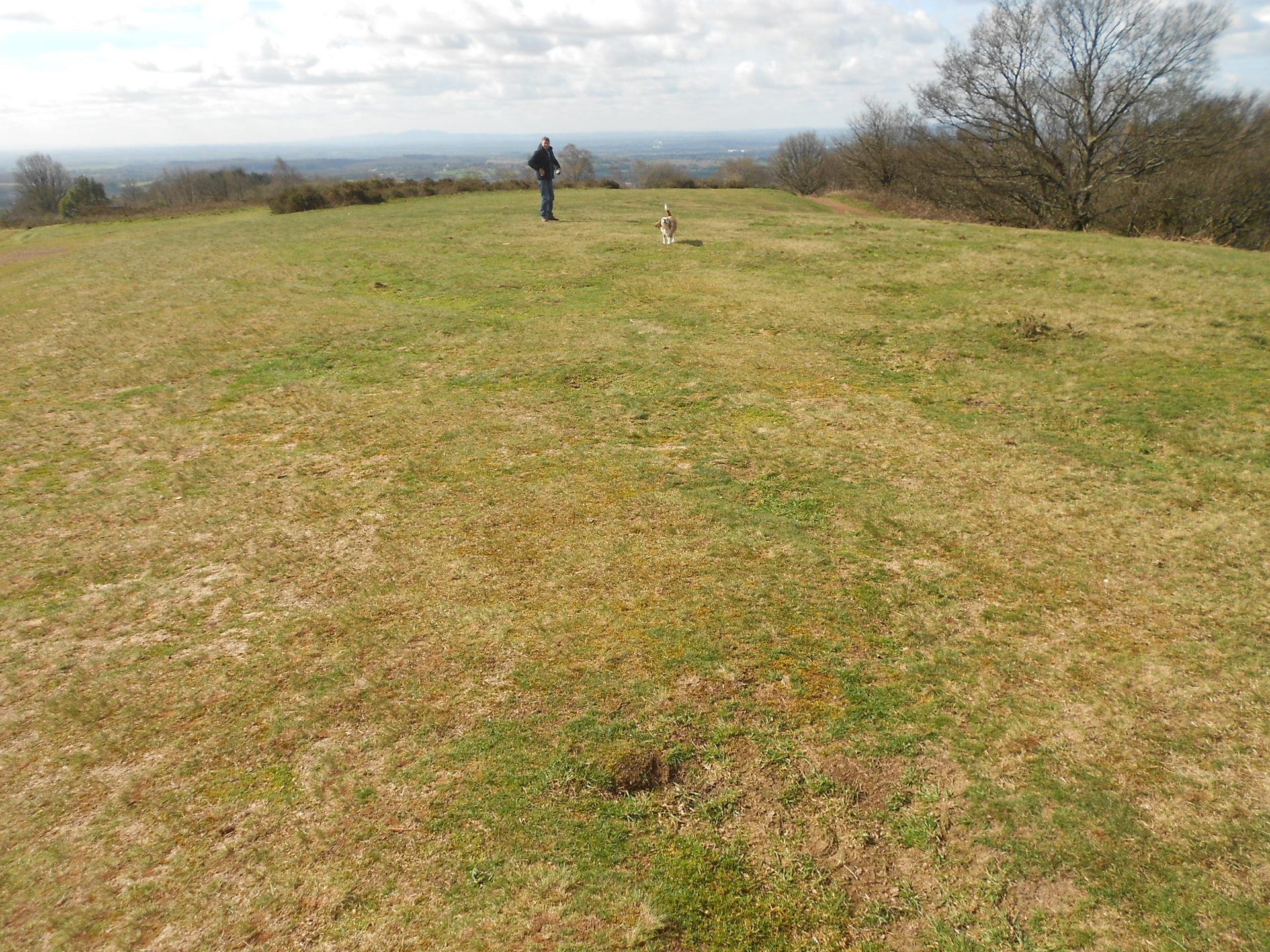
Above: There’s plenty of space beyond the fence if you want to put on 160m as I did in 2019 - in the dark is best
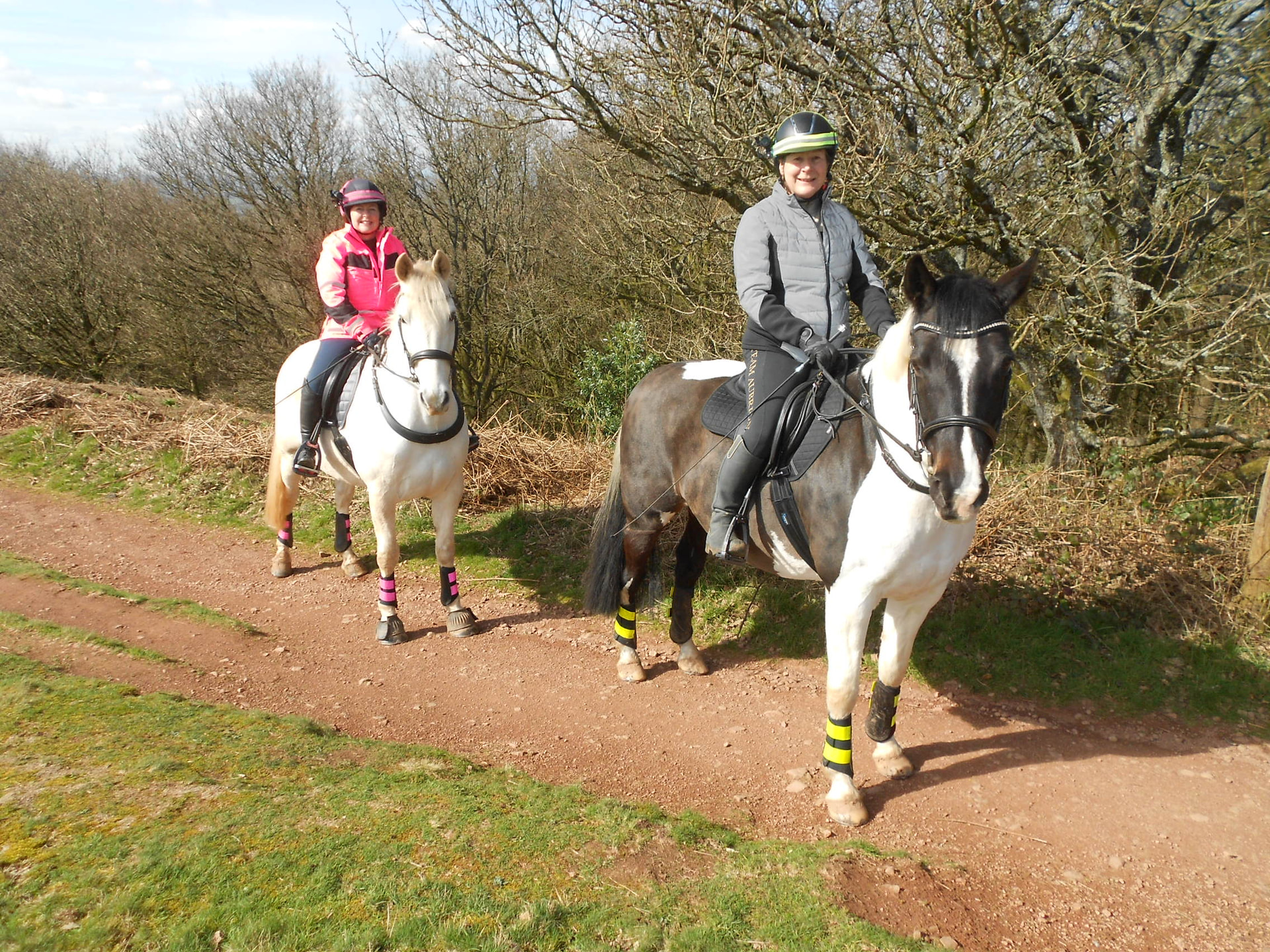
Above: Two friendly ladies asking the usual questions. Cheryl riding Marley and Bev on Rio. Fear of my antenna vanished after a couple of Polo mints! (I refer to the horses)
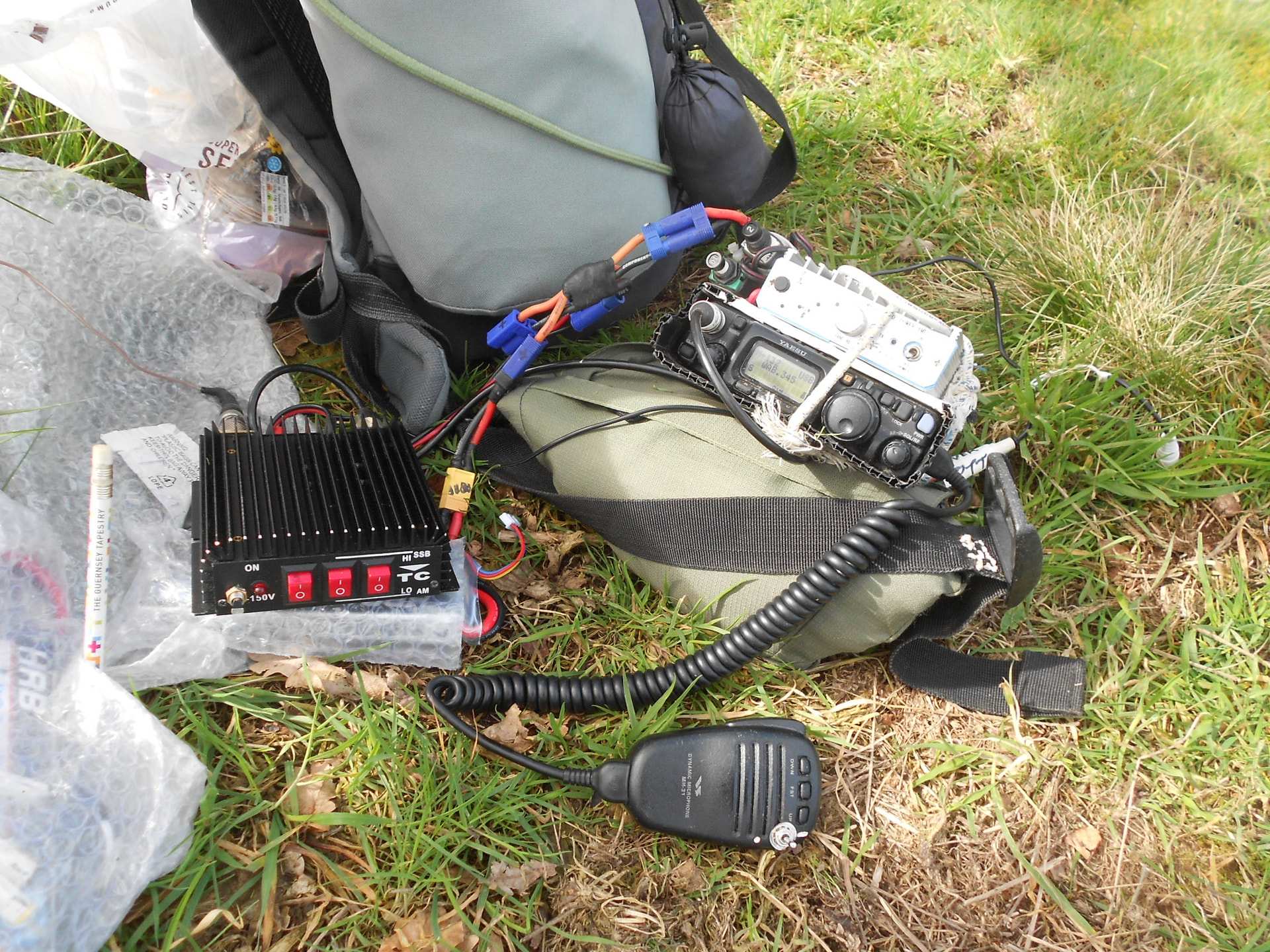
Above: VHF Activation and RM TC-150V linear amp tests. Great on FM but still very ifey on SSB, despite my efforts of adding a PTT from the FT817ND. More work req’d
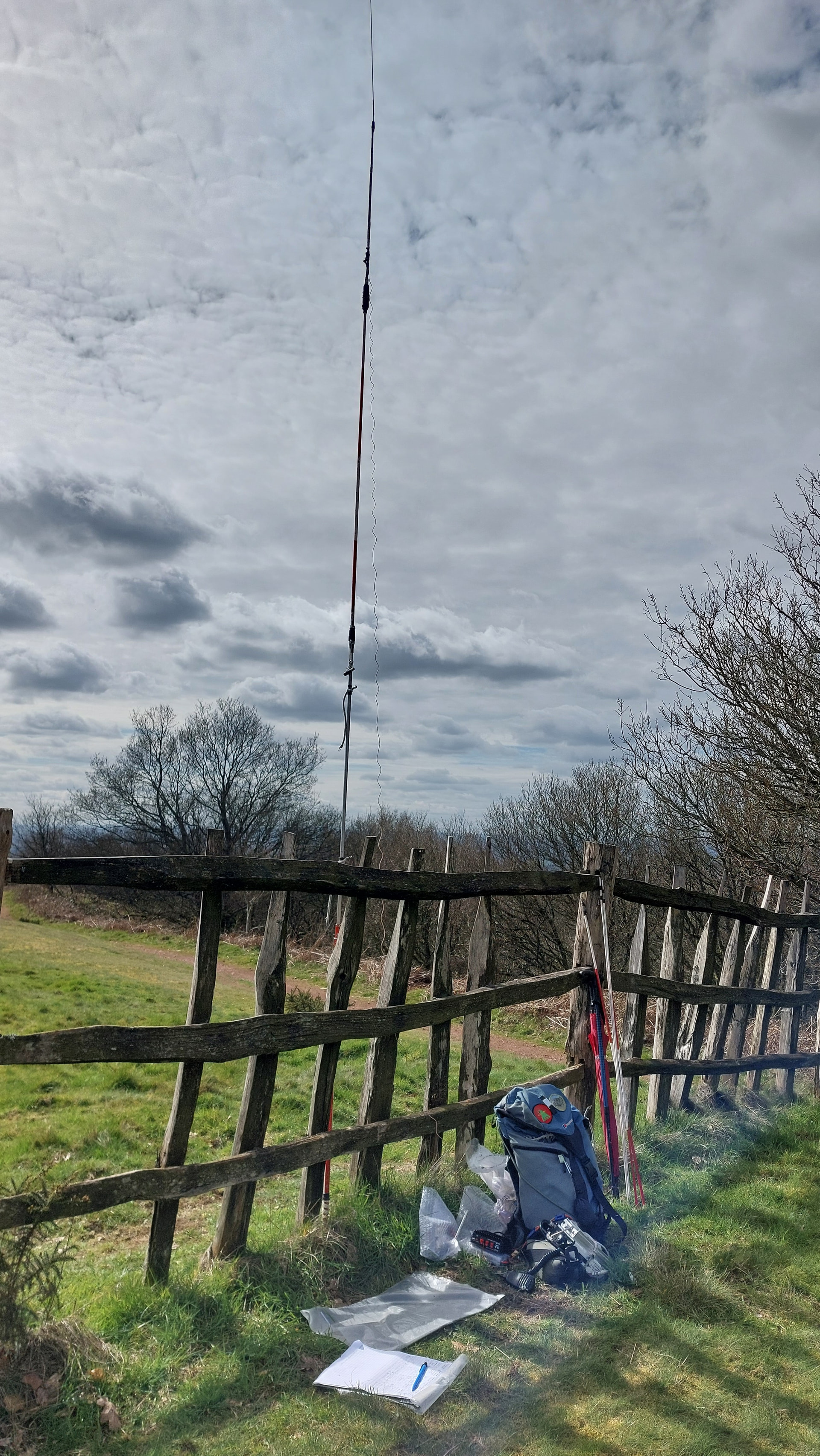
Above: 4m mast and J-pole used for 2m-FM but also for SSB (having left my beam in the car)
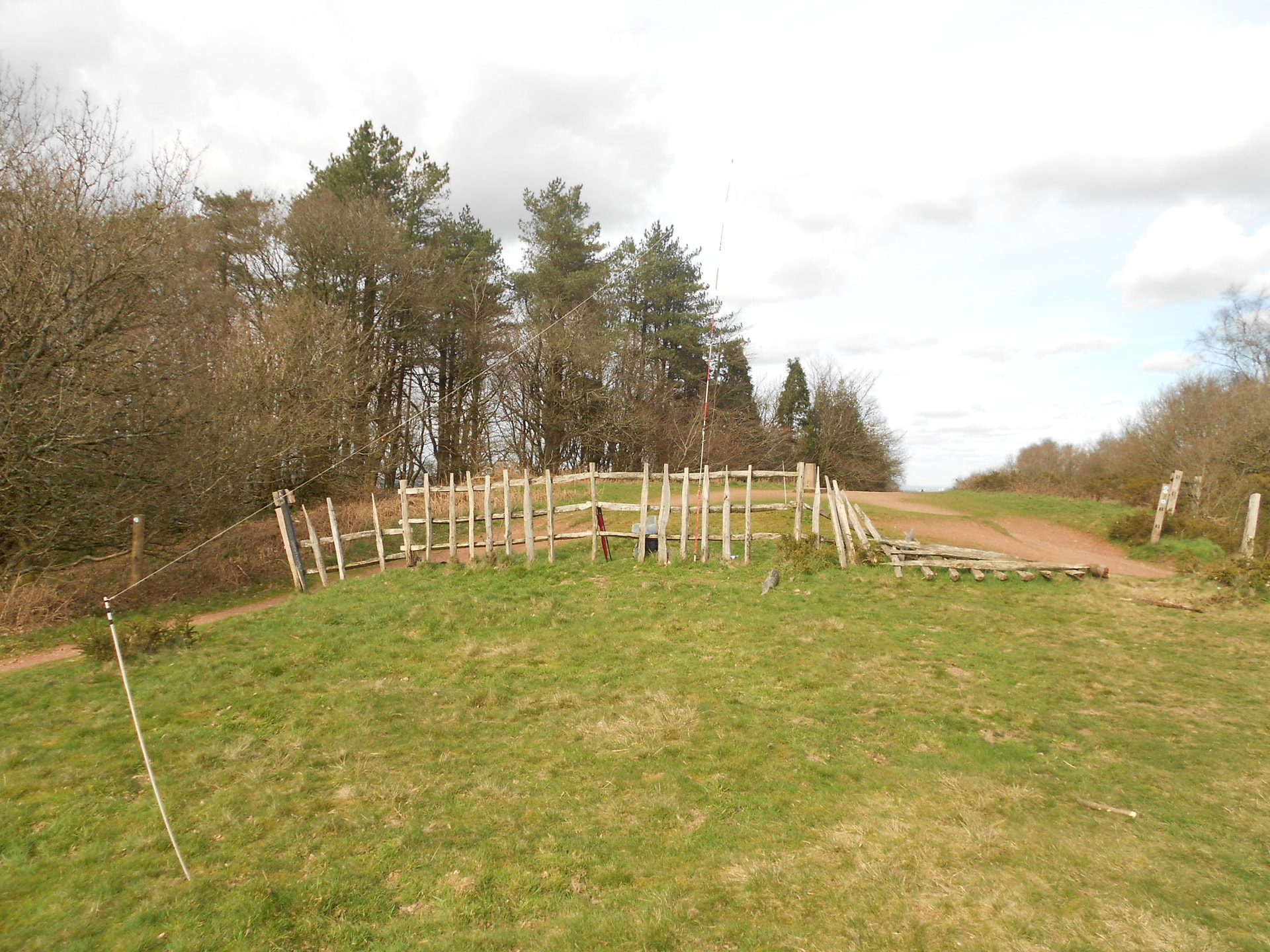
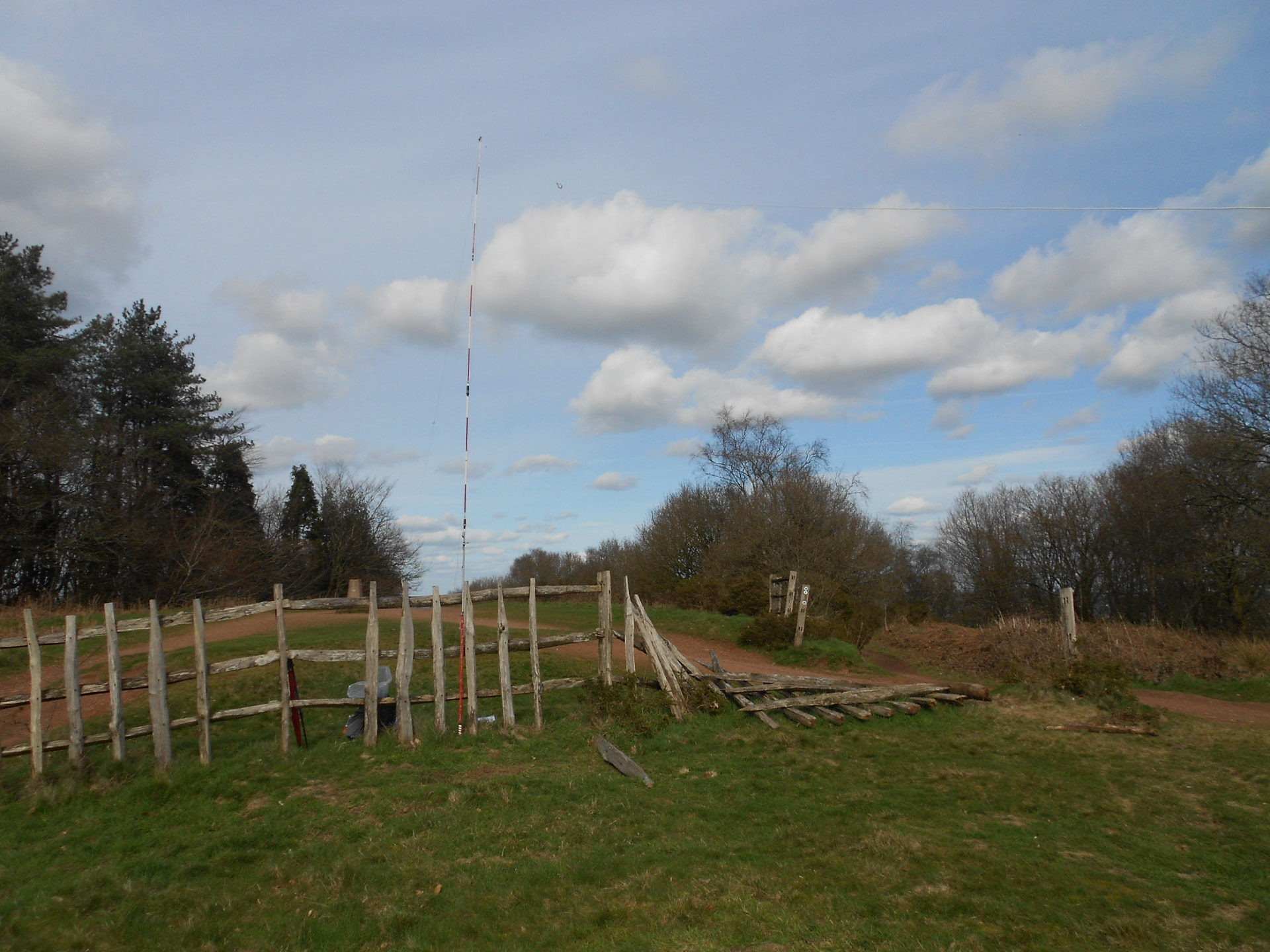
Above: HF activation using a link dipole for 40m & 20m (15m & 30m) on a 5-section, 6m high mast