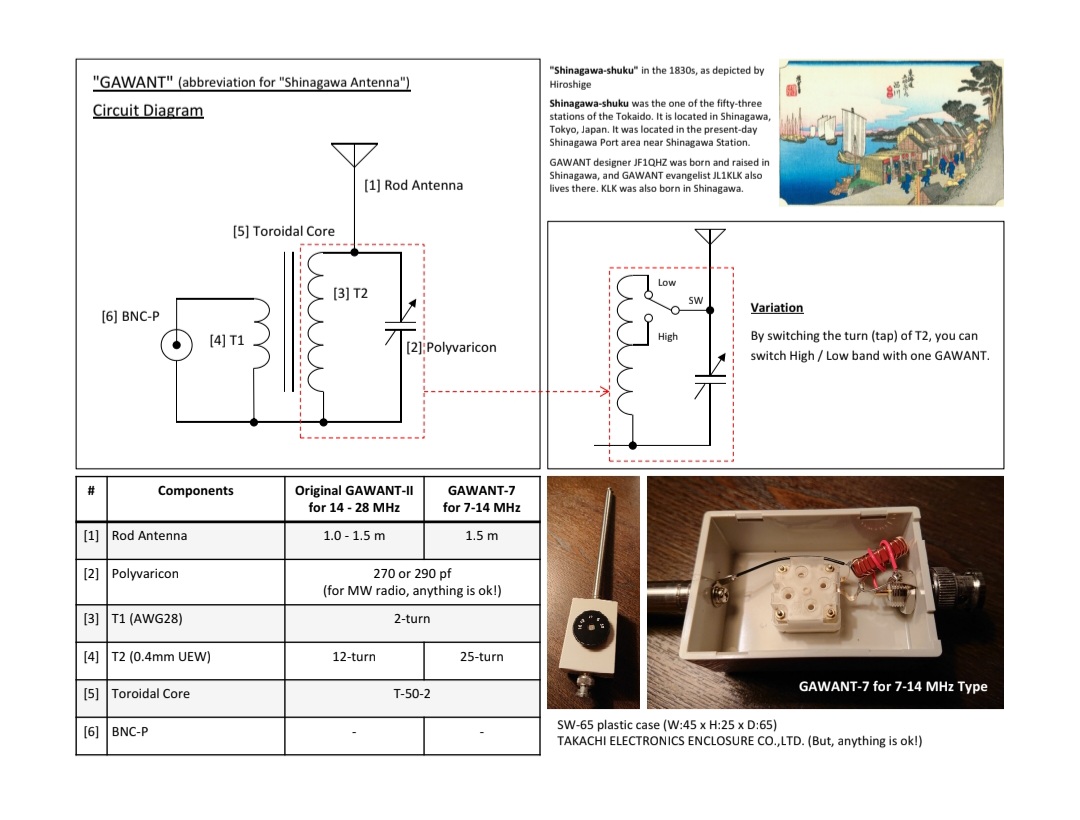
Both types can be quite efficient.
The major difference that I have found is that the L network (direct feed) requires that both L and C have the correct value for the impedance being matched, but it can match a wider range of impedances (not just the high impedance of an EFHW). So you need to be able to vary both components when you change bands.
The parallel-tuned circuit can use a wider range of component values, as long as the L and C resonate at the desired frequency. So, for example, the same coil can be used for several bands, as long as the capacitor is variable over the desired range for resonance. But it is strictly for high impedances, unless you provide coil taps for lower impedance values. (It does mot need to be link coupled - the coax can be tapped onto the bottom of the coil instead.) Another way to increase the tuning range (which I think came from Doug DeMaw, W1FB) is to use a fixed coil and switch additional coils in parallel with it to lower the inductance.
Neither one is necessarily “better”. You can choose which one fits best for your desired application and the parts you have available.