Motivation
Mt. Larrun, 899 m (La Rhune in French, also Ruhne in some maps) is in the border between EA2 and France, and previously had a double reference, though the French one (F/PO-212) was removed years ago.
There are trails ascending from both associations, but they are long and take up to 3 hours (one way).
There’s a luxurious & lazy alternative. Between April until October, there is a rack railway whose train (le Petit train) picks you straight up from Col de St. Ignace (169 m ).
Every day, hundreds of visitors take the ride to the summit, not only to enjoy traveling in a vintage train, but to see the excellent views from the mountain top, offering kilometers of landscape of seashore, and inland grassy valleys.
That’s a very far reference from my QTH for a morning activation; what could I do? I approached my wife, grasped and suggested:
- Listen honey, would you like to spend a day in the beach of Saint Jean de Luz, sleep and take the ride to Larrun by train on the next day?
Well, it worked just fine!
Activation date: August 3rd , 2026
The train-climb and constrained radio time
The departure station is in the Col of Saint Ignace, yes, like my name!
I bought the tickets online days before: that’s better than the risk of not having a last-minute seat on the train. Keep in mind the car park is small so that you need to arrive in advance to leave the car and go to the queue on time.
A return ticket is expensive, 26€. They offer a way down only by 22€ which is indeed expensive and is only for mountaineers that climb to the top, which won’t be our case.
Each train is composed of two vintage wooden carriages pushed by an electric locomotive that has the toothed wheel moving the system at 8 km/h.
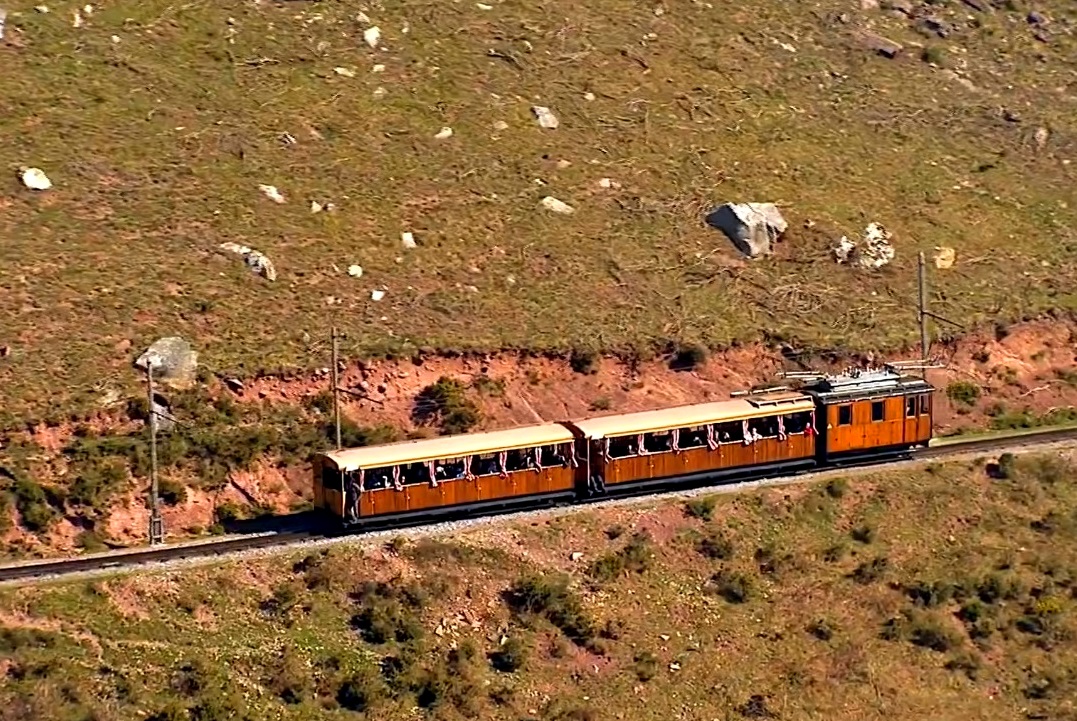
Each carriage has 120 seats (tight ones, not spacy!), and there are two twin trains going up in each ride, travelling one after the other. That makes up to 480 tourists each ride, eager to take pictures, move all around the summit and have a beer before going down!
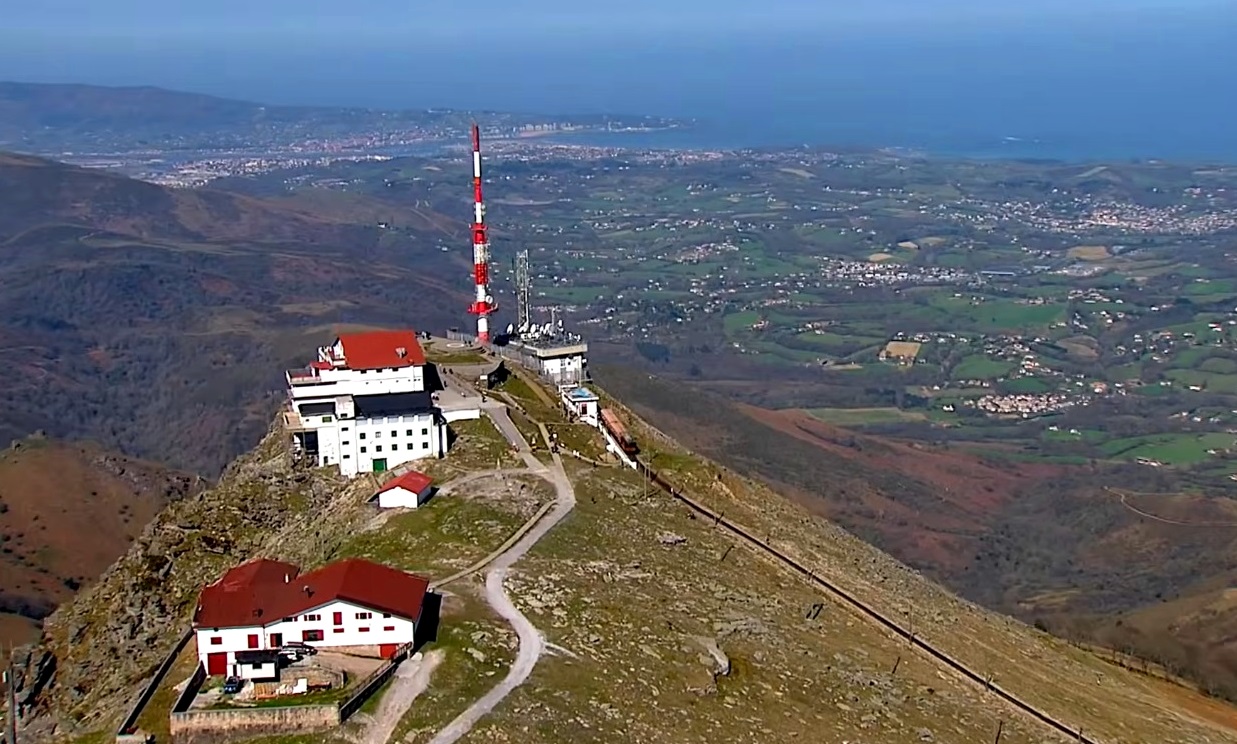
To make things even worse, you’re allowed to stay at the summit only for about 1h 20min, because it’s mandatory that you get down in the following train.
That makes little time to visit the summit, setup the radio, run the activation, pack and go back to the train again!
First train departs at 6:20 utc, and the last at 15:30 utc. We took the 08:10 tickets. Therefore, we’d be in the summit at 08:45, leaving down at 10:10. Quite a tight time!
The “luxury” climb
Day 1: after a careful planning we spent a day in St. Jean de Luz, a charming coastal village at the foot of the targeted Mt. Larrun.
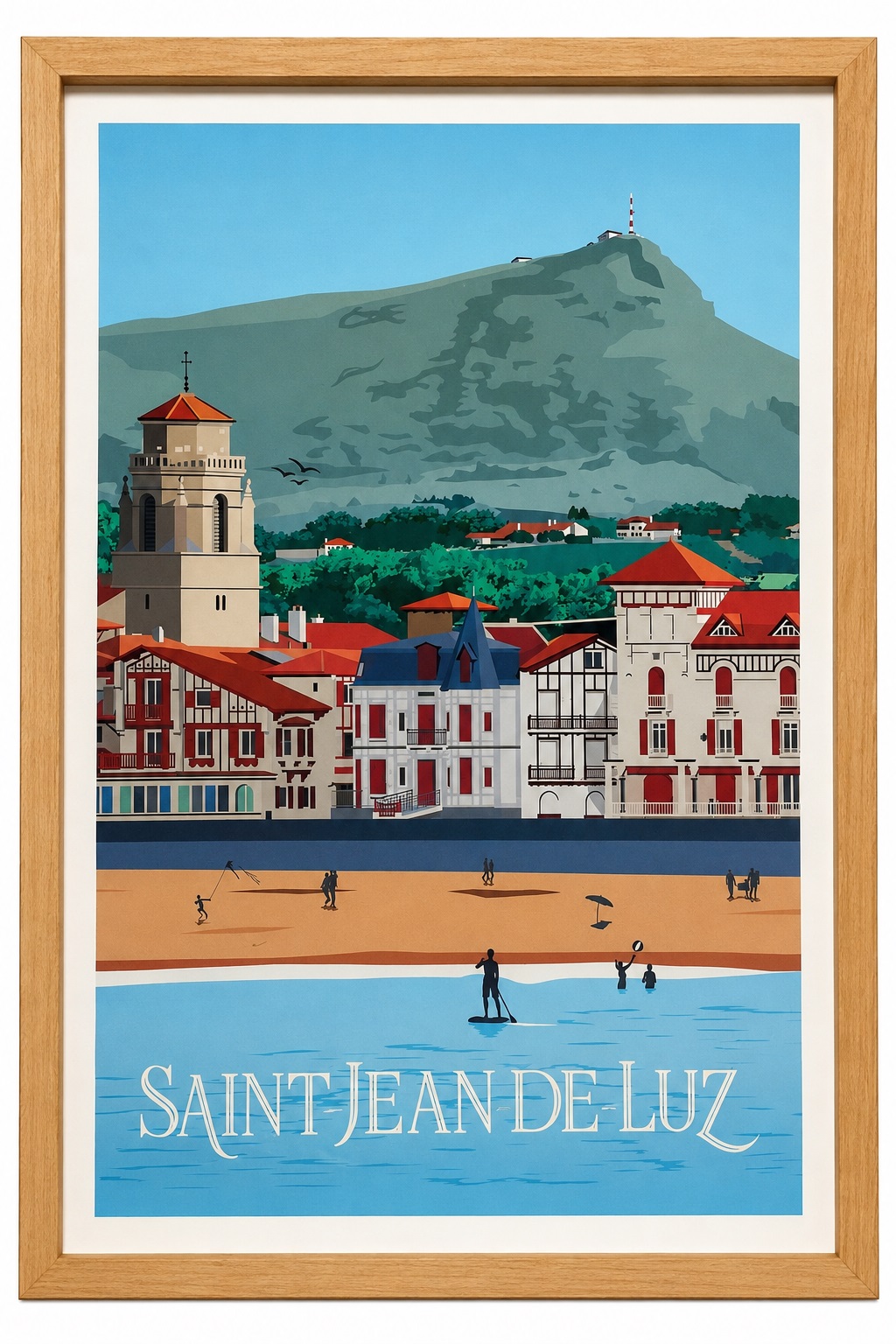
That was a bright day at the beach, to relax and walk the nice little streets. Hotels were fully booked there and therefore we accommodated in the neighbor village of Ciboure. This was the nice view from our room, looking at St. Jean’s shore:
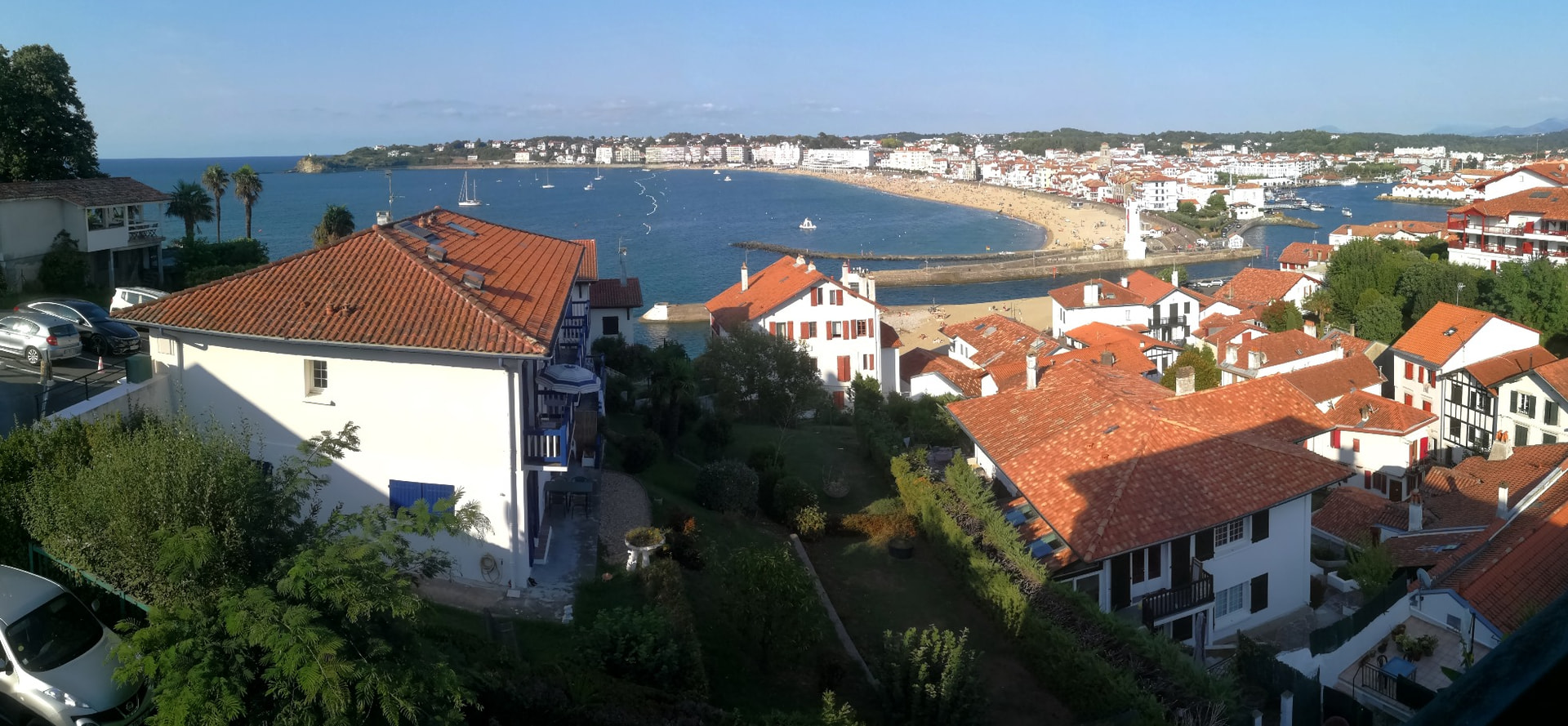
Day 2: after a pleasant rest we woke up and had a good breakfast. Weather was okay but temperature wasn’t as hot, with some clouds forecasted: just right to have fresh air on the summit.
We drove to the departure station (20 min). As expected, the car park was full. We drove back 400 m to find a tiny place in an alternative area aside the road: enough.
I grabbed a small pack purposely prepared with light gear, aware of the little space in the carriage. All went well and we just waited some minutes for the departure.
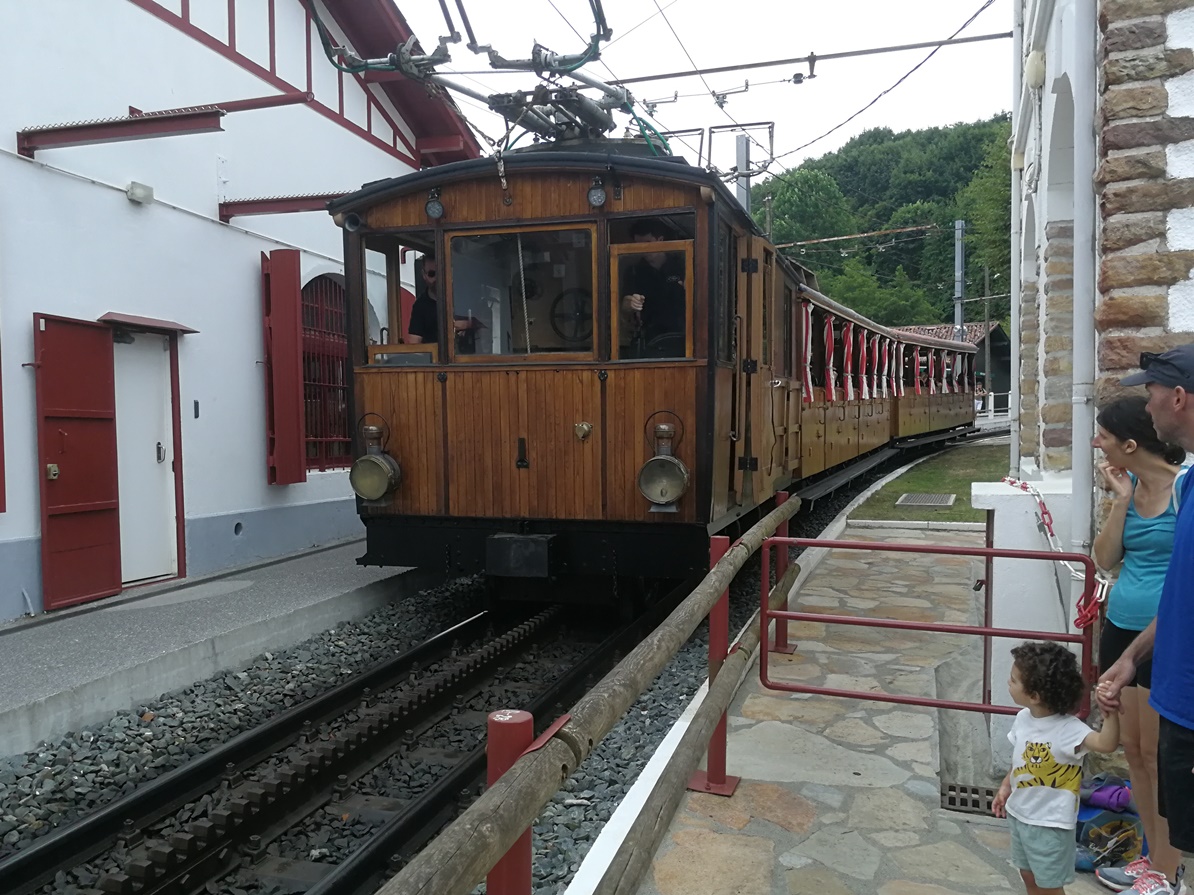
The wooden carriages are nice. Windows are open without glass, and we verified there was little space as our t rain was almost complete.
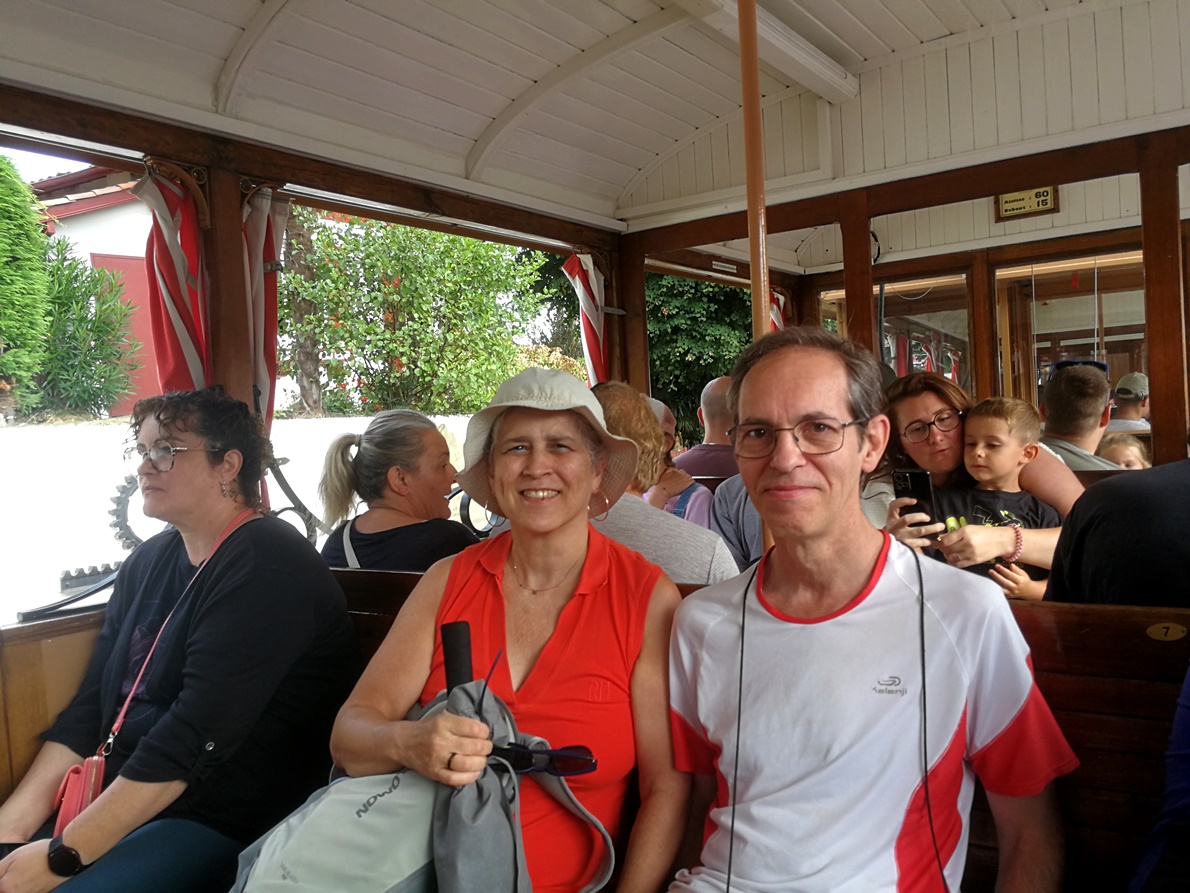
The train departed with a sudden motion when they enabled the gear wheel. We enjoyed the ride watching the forest with beautiful trees and the sea views as we gained elevation. At some points we watched mountaineers ascending near the railway, and w waved hands to encourage them.
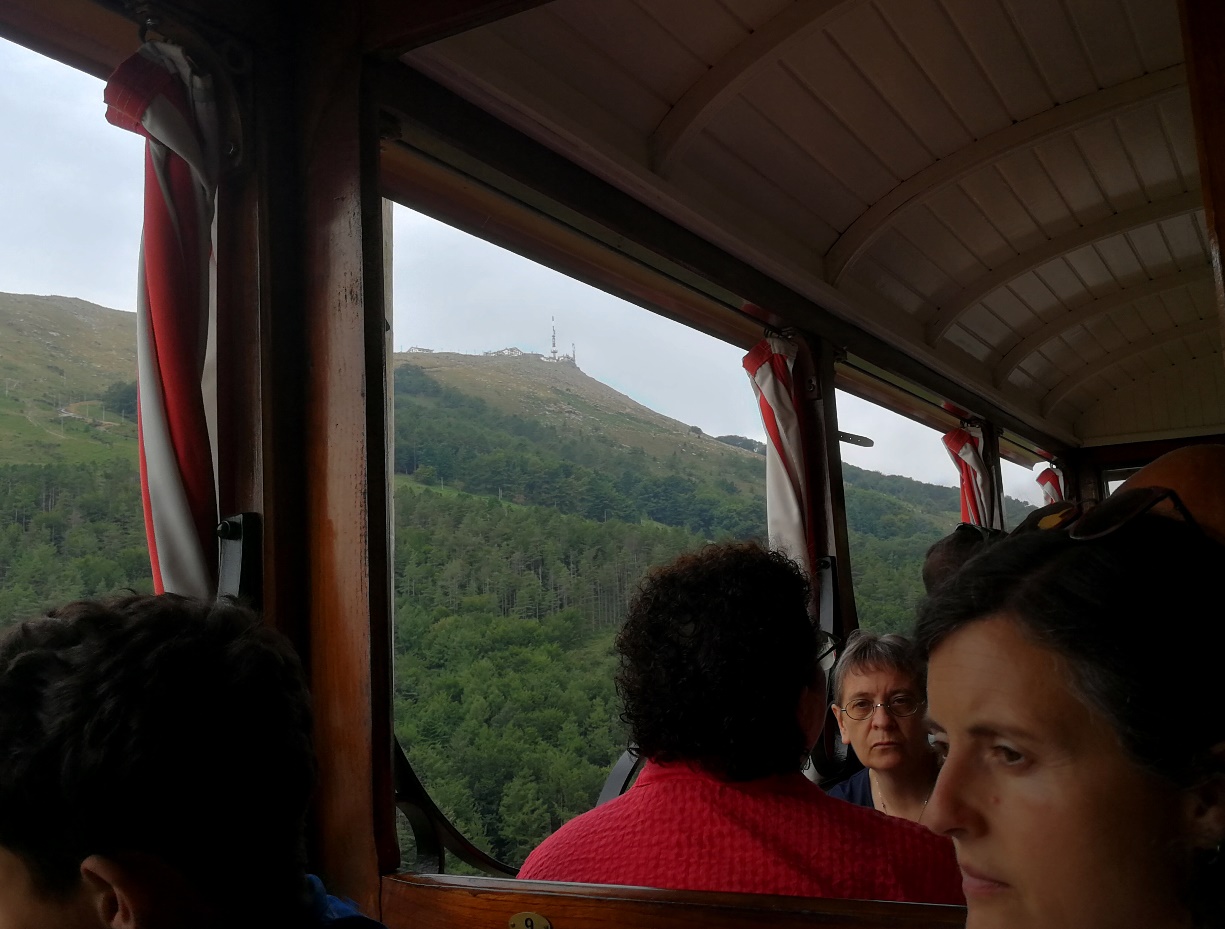
After a turn, we saw the summit with the buildings and tower. As forecasted, there were clouds developing.
The summit, and the activation point
The summit is just next to the big relay tower. There’s a flat and round area, including an orientation table and a heliport. Next to it there’s a large terrasse full of tourists: that’s not the better place to erect an aerial for a SOTA activation!
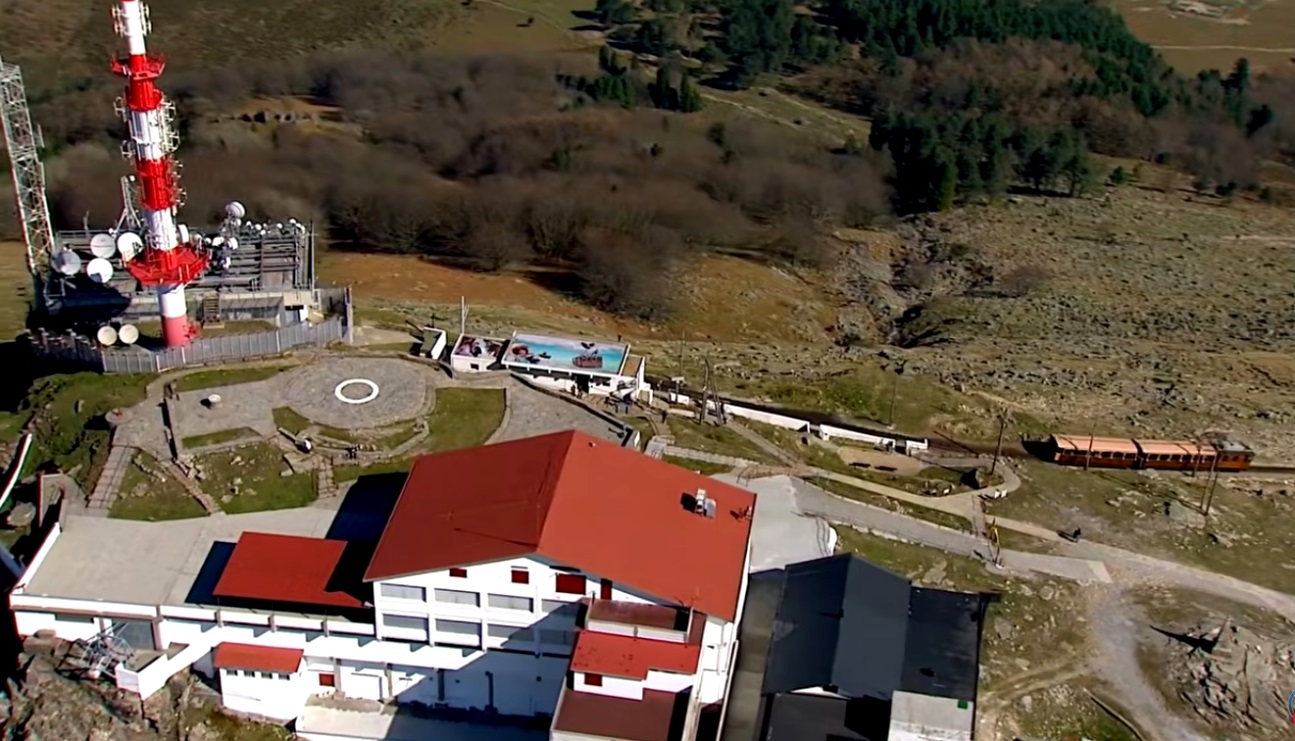
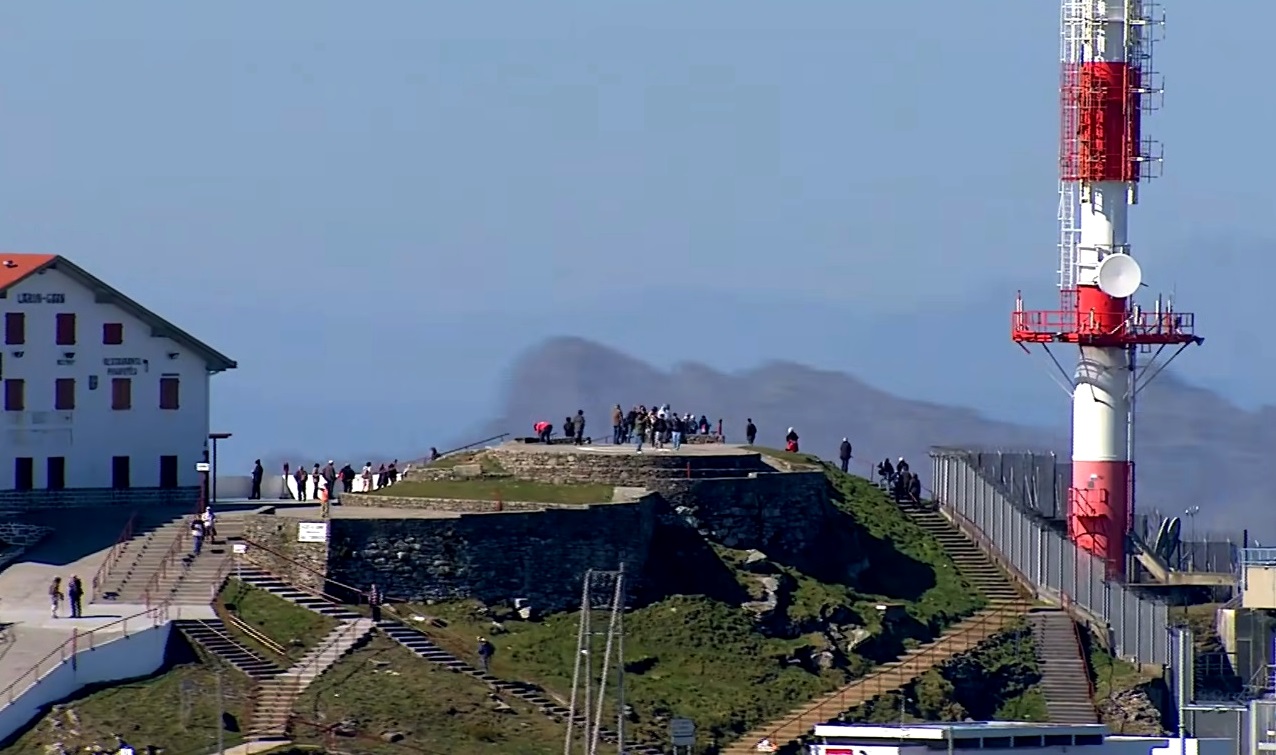
When we left the train, most people headed the top platform near the relay. We did opposite, walking down to a quiet area I had identified at home, that seemed a less touristic space, appropriate to operate the radio, and valid within the AZ.
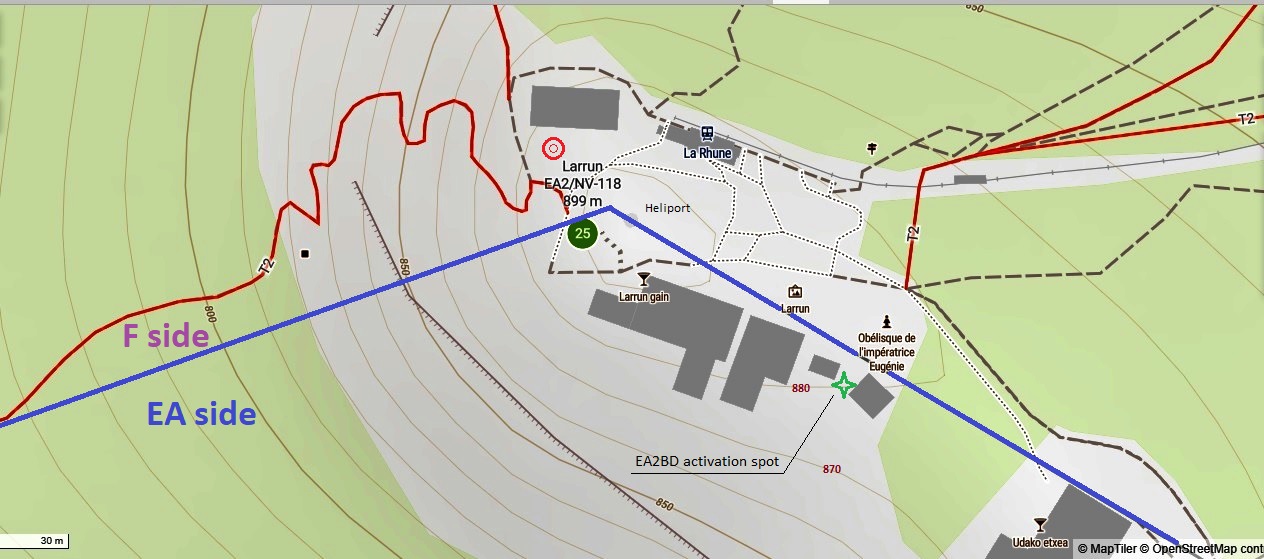
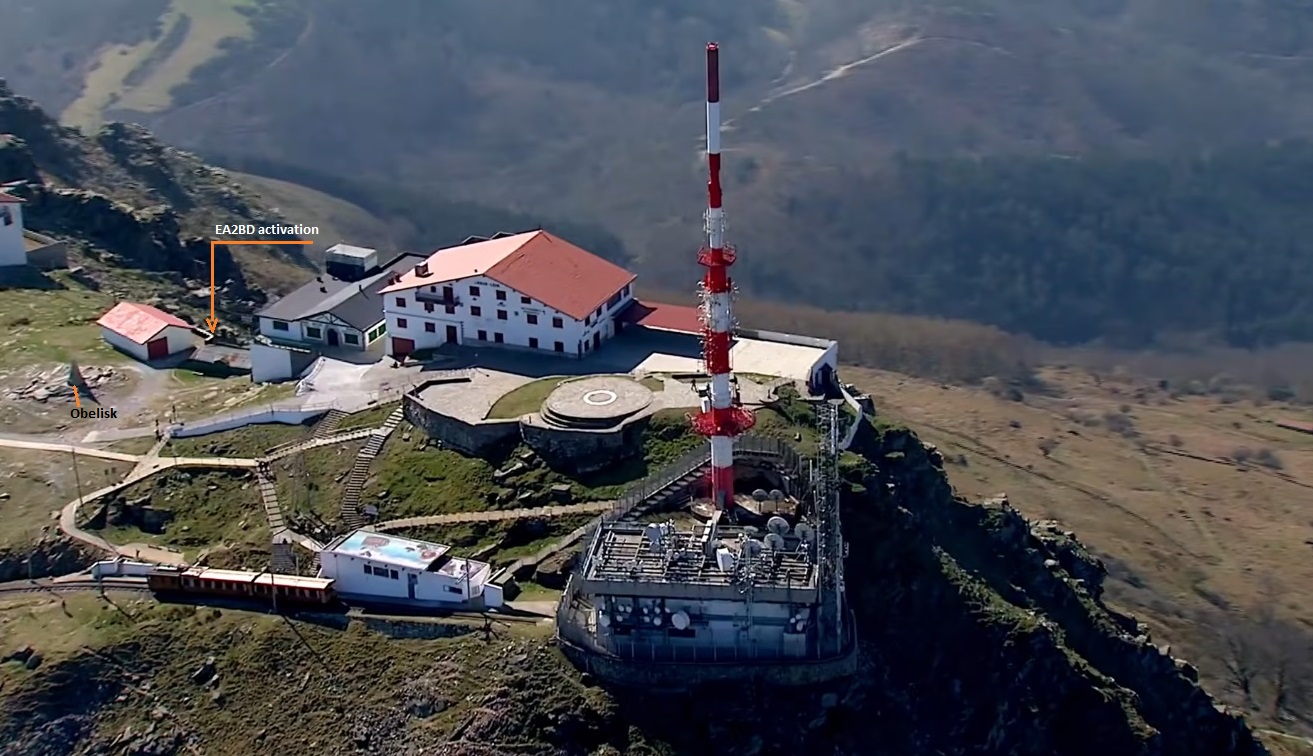
A detailed view of the topo map reveals the EA side of the summit follows a line along the Ventas (traditional basque inn). Meanwhile, the top platform with the relay and the railway station is in the French side. Therefore I choose this spot (marked green, border in blue) as the target point for my activation. It is near the obelisk, and according to topo maps and my own altimeter is just inside the AZ.
The express activation
After having planned where to activate, I was happy to see that my position was quiet and showed no interest in tourists. I was more or less hidden by two small service huts.
There was a power line just crossing overhead and I hoped this wouldn’t cause any QRN in the radio.
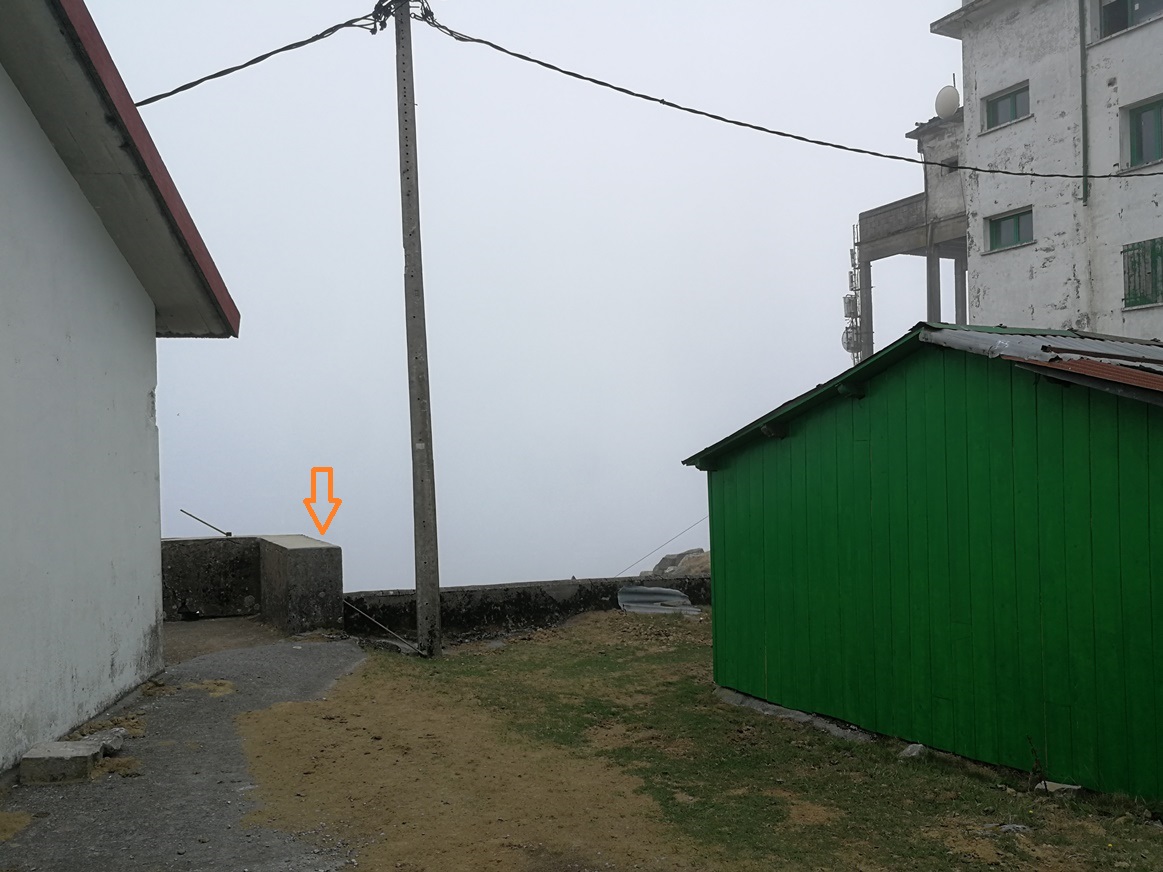
A guided group sat near the obelisk but I was all alone. There is a short wall that I used to put the radio (FX-4CR, with pre-connected cables) and I quickly extended the 3m fishpole and added the wire, the center loading coil and the collapsible cap hat on top. I extended 4 short radials and soon was ready to call CQ. There was no wind so I simply left the pole resting on the wall.
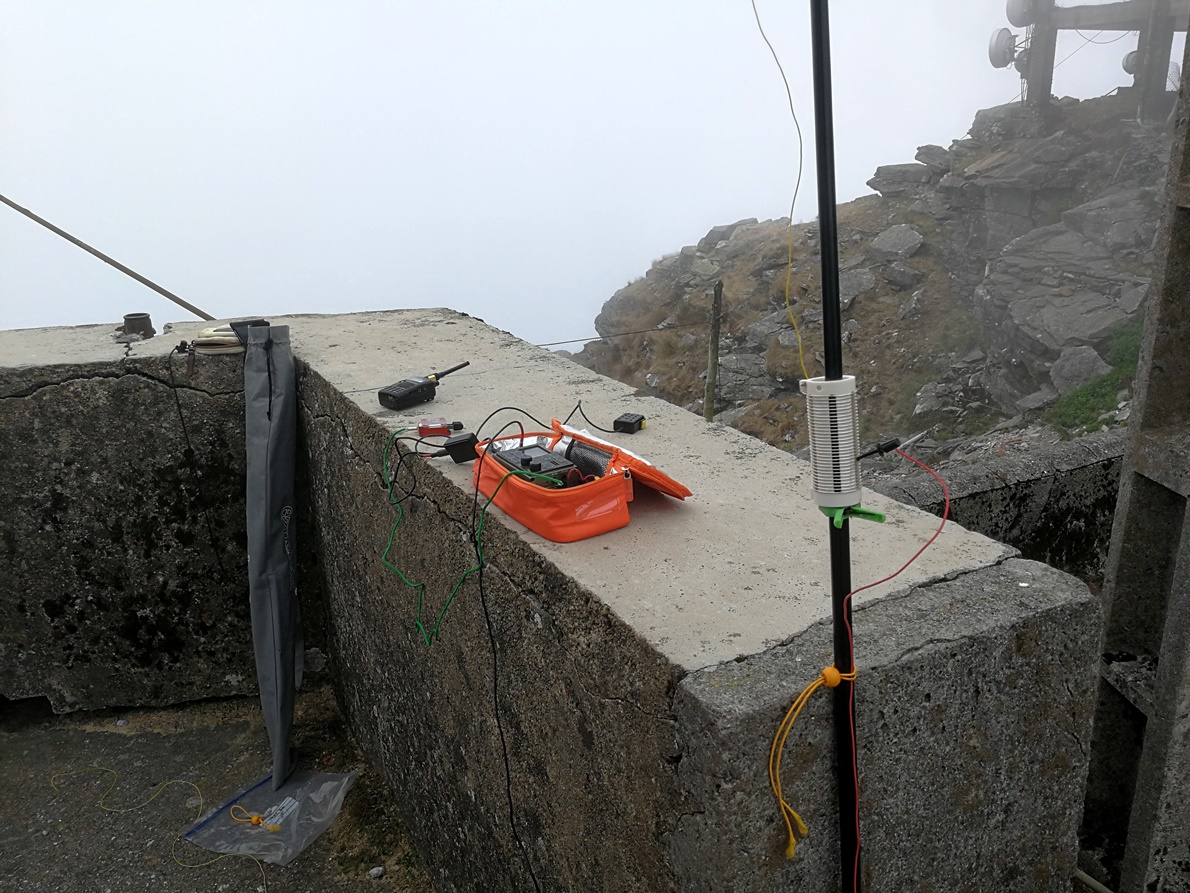
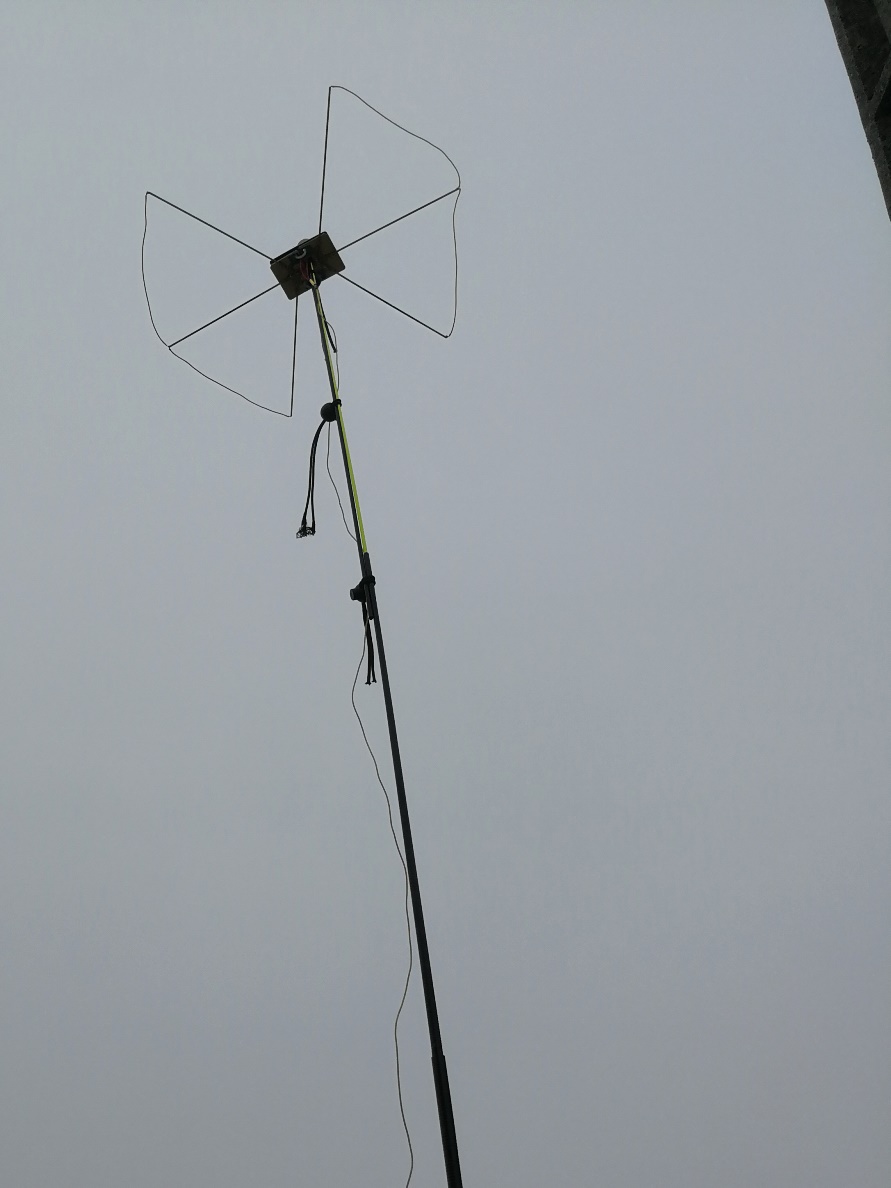
It just took me 5 minutes to setup and raise a spot in Sotawatch.
I started CQing 14MHz SSB, logging my first QSO at 09:06 (2E0ESY), then EA7GV, F4WBN, and ON7ZM, having qualified at 09:09, what a relief!
Smiling, I continued for some minutes logging a few more. Then at 09:12 I QSYed to 14 MHz CW, logging first my friend EA2LU and I soon got another stream of calls.
There, I also worked S2S to F/HB9EVF/P, DK4SR/P , OK1CZ/P and DL4FDM/P: thanks for coming to my QRG!
At 09:34 did a short QSY to 10 MHz CW and got three more, including HB9CBR/P S2S, thanks Bruno.
I stopped HF at 09:46 and closed my log with 27 QSO in 40 minutes, not bad for the short antenna. I briefly called on VHF FM, but nothing was heard.
During the activation I observed a low level noise, probably due to the big relay, but it wasn’t a major problem.
My wife was kind to wait for me, and she took some pictures of my activation.
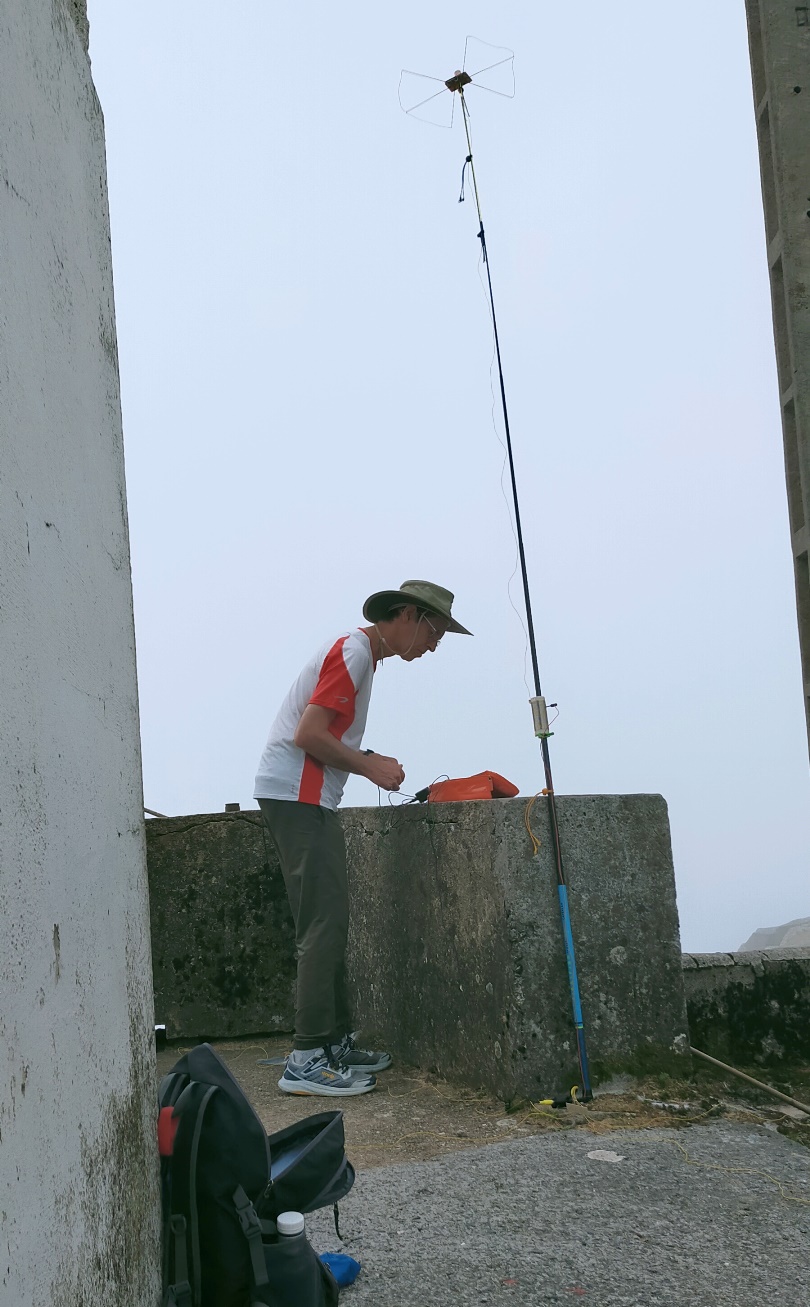
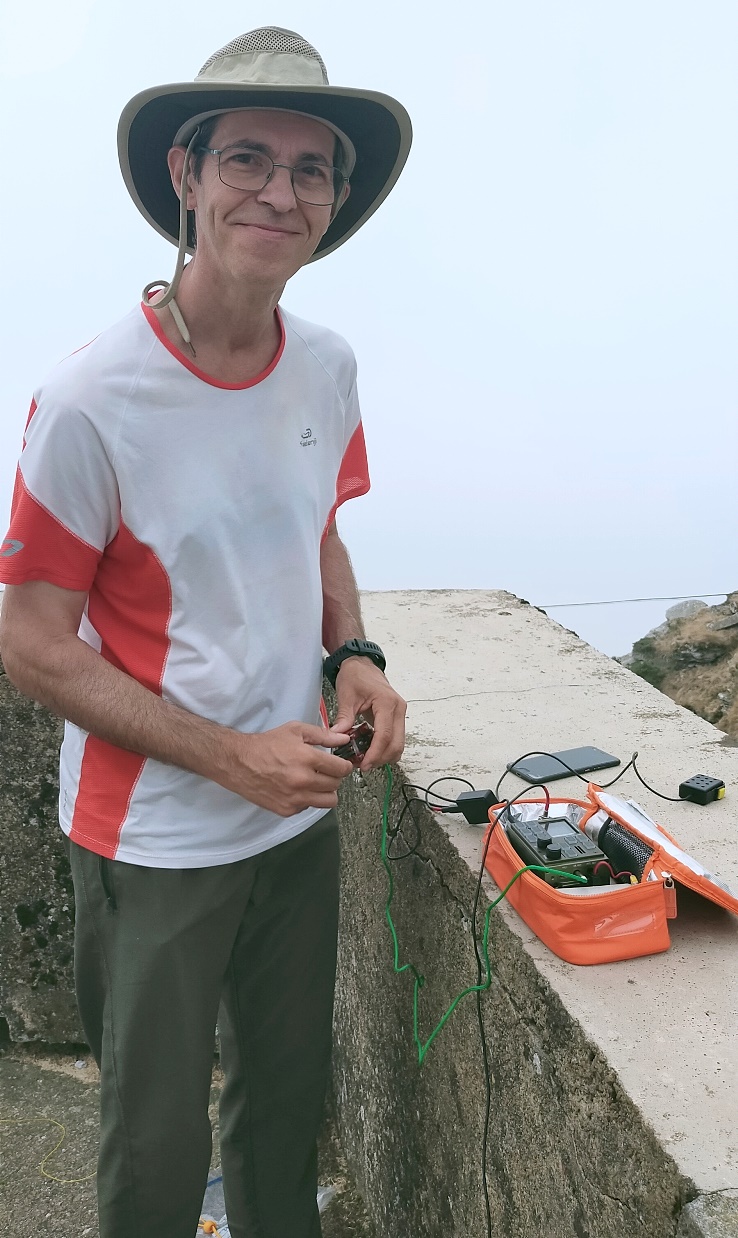
I quickly packed and stepped back. The clouds had evolved and now visibility was rather worse, with no views at all.
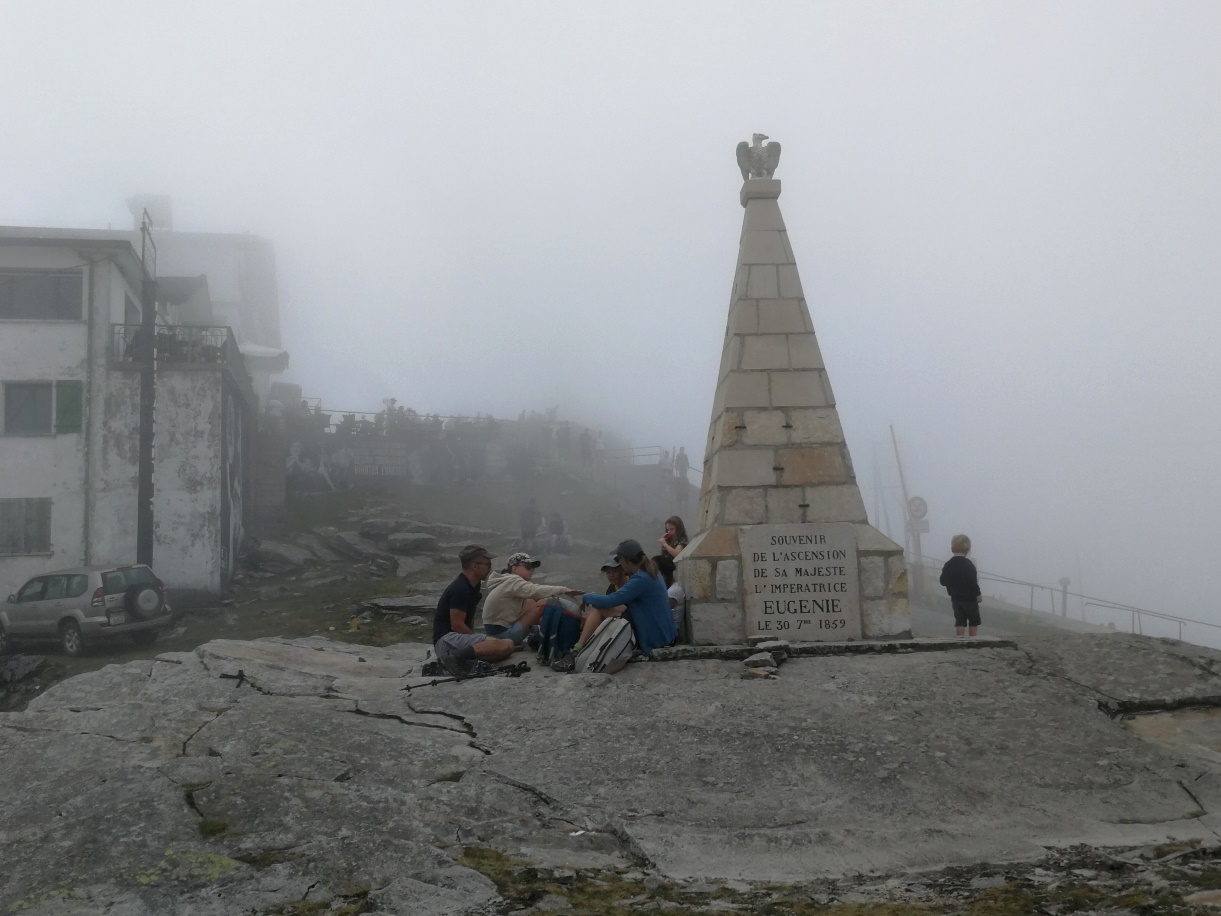
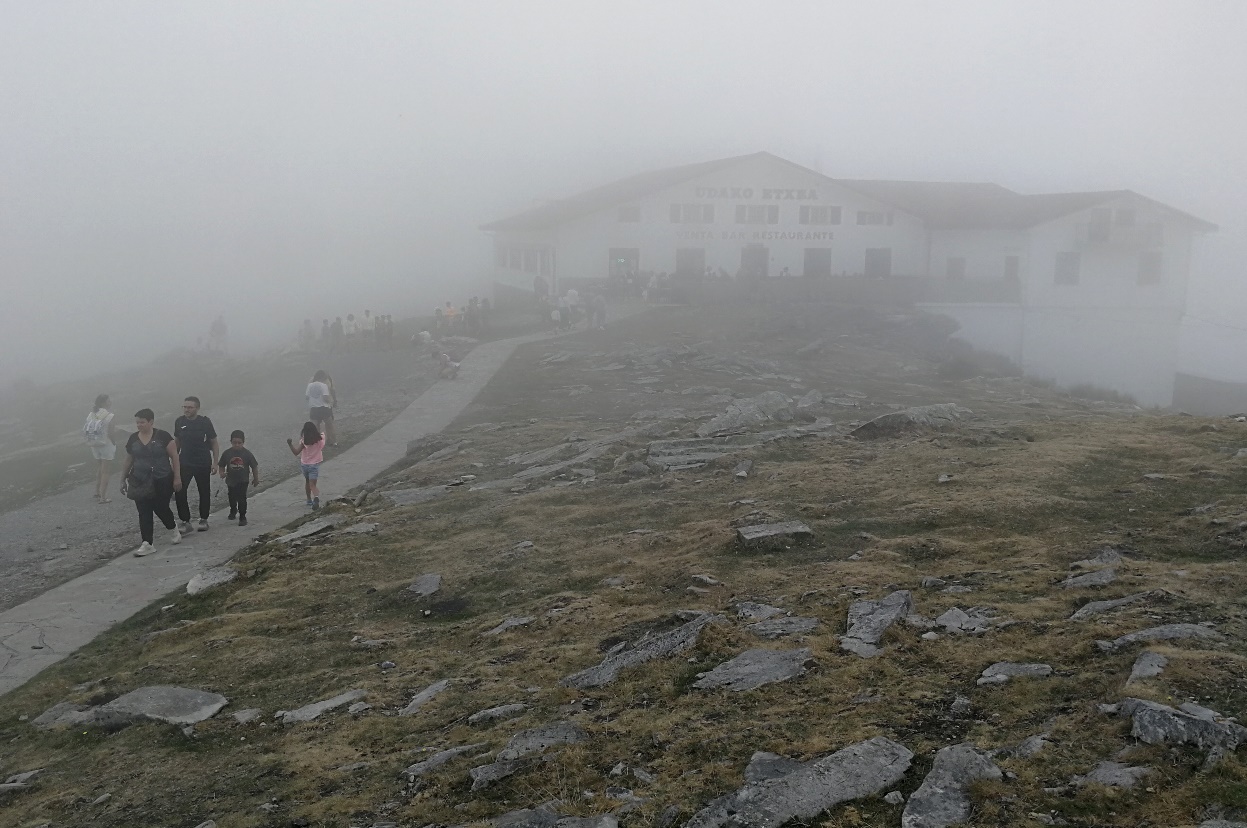
At 10:00 we were back in the queue again. We soon seated in the train to start our way down: all fitted just right!
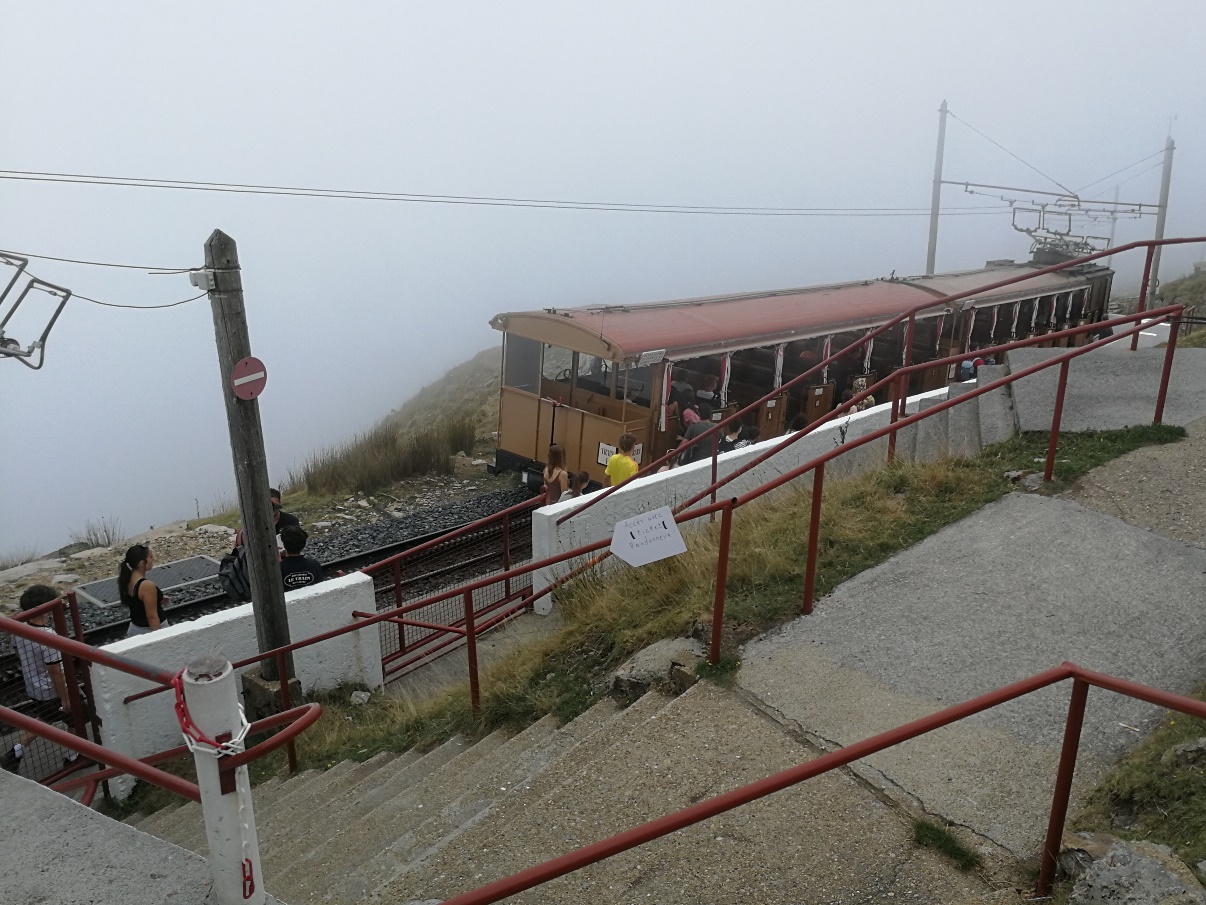
I was glad everything met the planning and I grabbed this Complete with a different kind of activation.
On the way back we spent the afternoon in Hendaye, walking on a sunny beach.
Historical tip: le Petit Train
This summit was ascended in 1859 by the Empress Eugenie de Montijo (the wife of Napoleon III ). In 1860 a commemorative obelisk was built to remember her hike.
The idea of building a railway was raised and it took 12 years (1912 – 1924) to made it true.
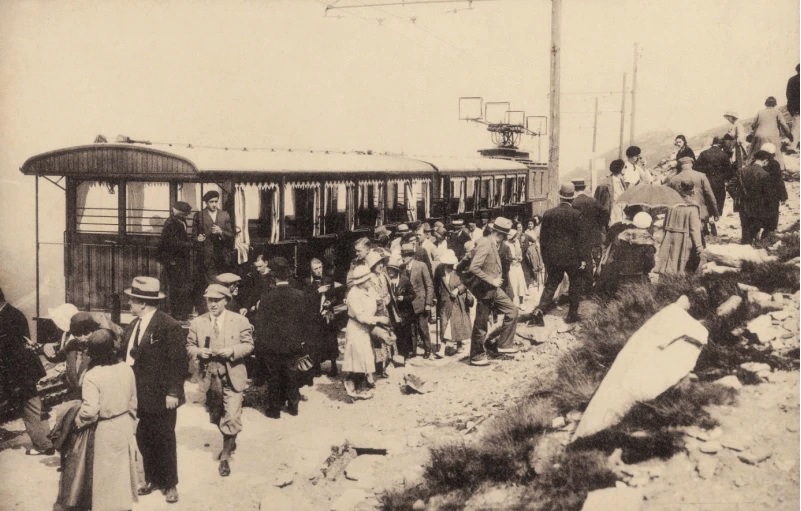
The inaugural ride was in June 30th 1924. In 1947 some wooden ventas offering tea, drinks and souvenirs were built on top. Later, a big television relay tower was added.
The whole railway track was replaced in 2023.
73 de Ignacio

