I’m hoping the weather will be better in November. It’s raining the proverbial cats and dogs here at the moment - I won’t be looking for S2S if it’s like this in two weeks time.
5 Likes
Indeed. Hence why I’m going to open a separate thread later in the year to see what options there are going forwards.
I seem to recall early November was originally chosen as Trans-Atlantic radio conditions generally took an upturn then relative to October, but maybe pulling it back a week or two won’t have too much of an effect. In my opinion we have to consider the overall picture across the sunspot cycle rather than attempt to chase the best date year on year. I think having set the third Saturday in April (nominally to tie in with the QRPTTF event, though I don’t feel we’ve had any benefit from that) and the first weekend in November has given stability to the event which has now been running for over a decade… but setting aside time for a bit of event maintenance won’t do any harm.
73, Gerald
2 Likes
Was early November chosen to avoid big contests? For example, it’s the CQ WW DX SSB Contest on 24/25 October.
1 Like
ISTR it was that there was a noticeably upturn in propagation, last week in October and first week in November in Northern hemisphere.
1 Like
For anyone new to the SOTA transatlantic S2S event held in November, the challenge we face – due to the shorter days in the northern hemisphere – is the very strong effect that daylight has on MUFs over the entire radio path. Basically, the duration of the band openings is much shorter than it would be in mid-summer.
The MUFs in North America are still rising at dawn and aren’t high enough for transatlantic contacts on the 20m, 17m, and 15m bands until about 1100 UTC on the East Coast and about 1400 UTC on the West Coast (though of course, 14 MHz opens before 18 MHz, and 21 MHz opens last).
We have the reverse problem in Europe. By early afternoon, those bands have already been open for hours - especially to eastern longitudes - but MUFs soon start to fall, typically closing 15m around 1400 UTC, 17m around 1500 UTC, and 20m around 1600 UTC. Of course, there can be a lot of variation depending on the state of the ionosphere on the day.
At my age on an unsheltered summit, my QRV time is limited to about an hour before I get too cold in the sharp November wind. Therefore, my approach will be to try 15m first (as its window is the narrowest of the three bands), then move to 17m, and finally finish on 20m.
I would be interested in hearing about other activators’ tactics, especially if you also have limited time on the summit.
5 Likes
Tactics… my first action on a summit is to set up some form of shelter. In my experience this is necessary to allow me to operate over an extended period and for the S2S events I use my large 2.4m x 1.8m tarp. Researching what natural shelter is or isn’t available on the chosen summit is useful. I’ve avoided some summits for these events as they are just featureless rounded lumps where it woukd be impossible to avoid exposure… a tarp can only do so much. I have considered taking a tent, but taking it down in the dark could be an issue.
1 Like
Hi Gerald
I’ve never tried a tarp before, but it’s been on my mind for a while… So even if there’s a light rain, I can’t activate the summit; I’m worried about the IC705… and about myself especially 
Any photos?
1 Like
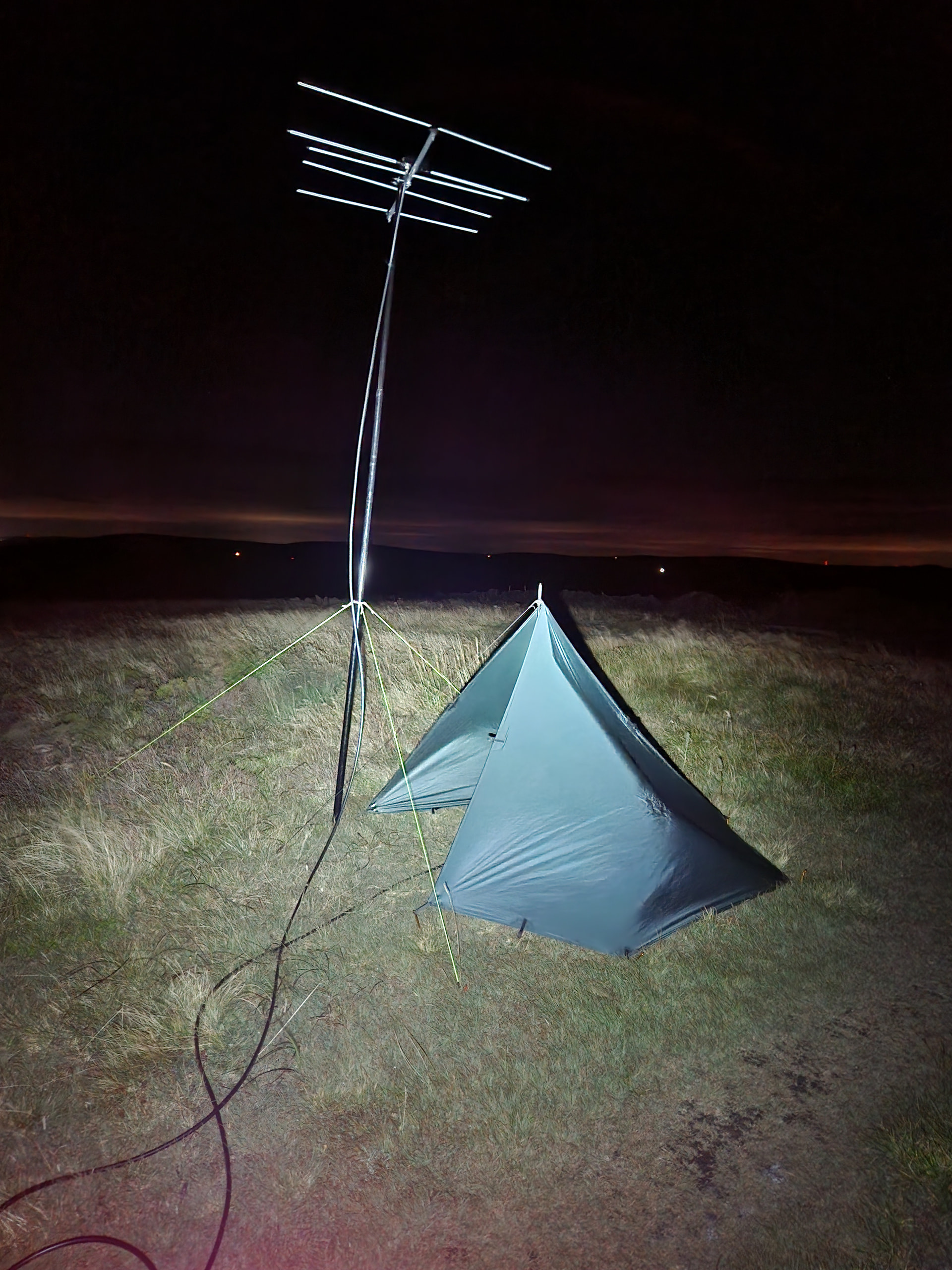
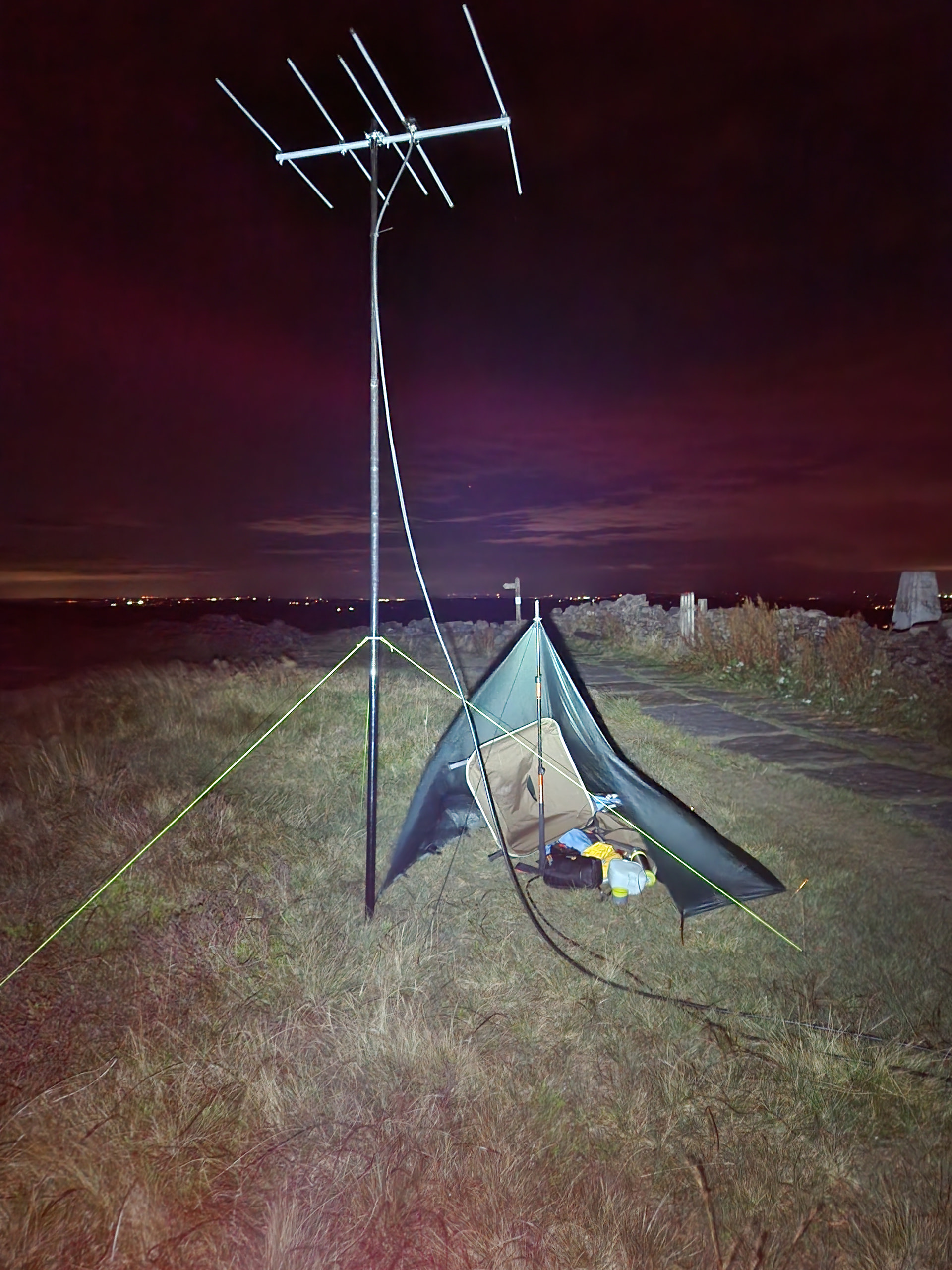
This is my tarp set up. It is very effective if you pitch it back to the wind. Only my lower legs and feet are outside. I’ve used it in heavy rain. Just wearing waterproof over trousers and gaiters keeps my legs warm enough.
It allows me to turn my 2m/70cm beam. I use a low chair which supports my back, allowing me to be comfortable for several hours.
I do carry additional pegs to get it tighter and reduce flapping in the wind. It’s very light and compact and just needs one walking pole for support. With practice I can now get it erected within 4 to 5 minutes.
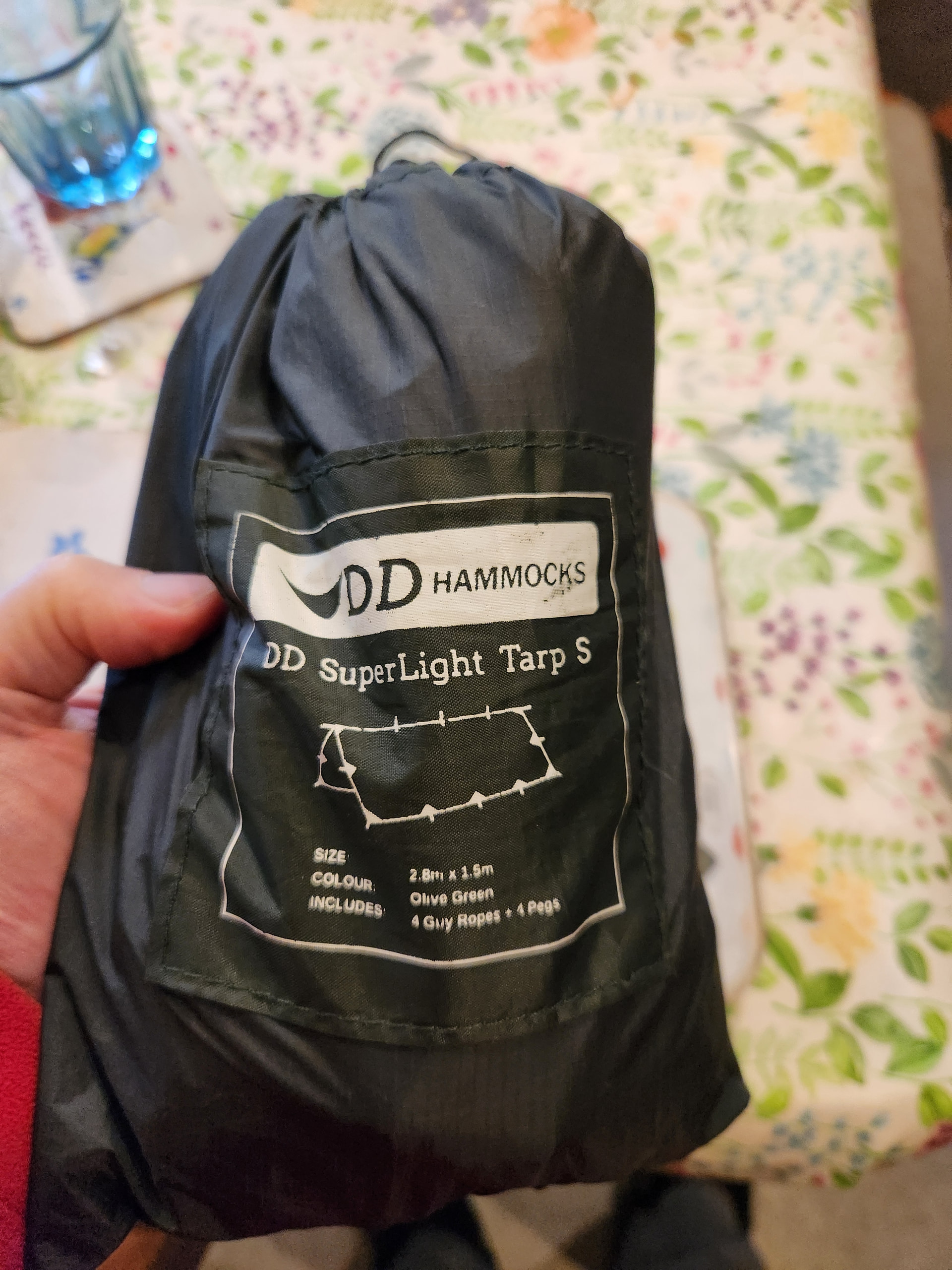
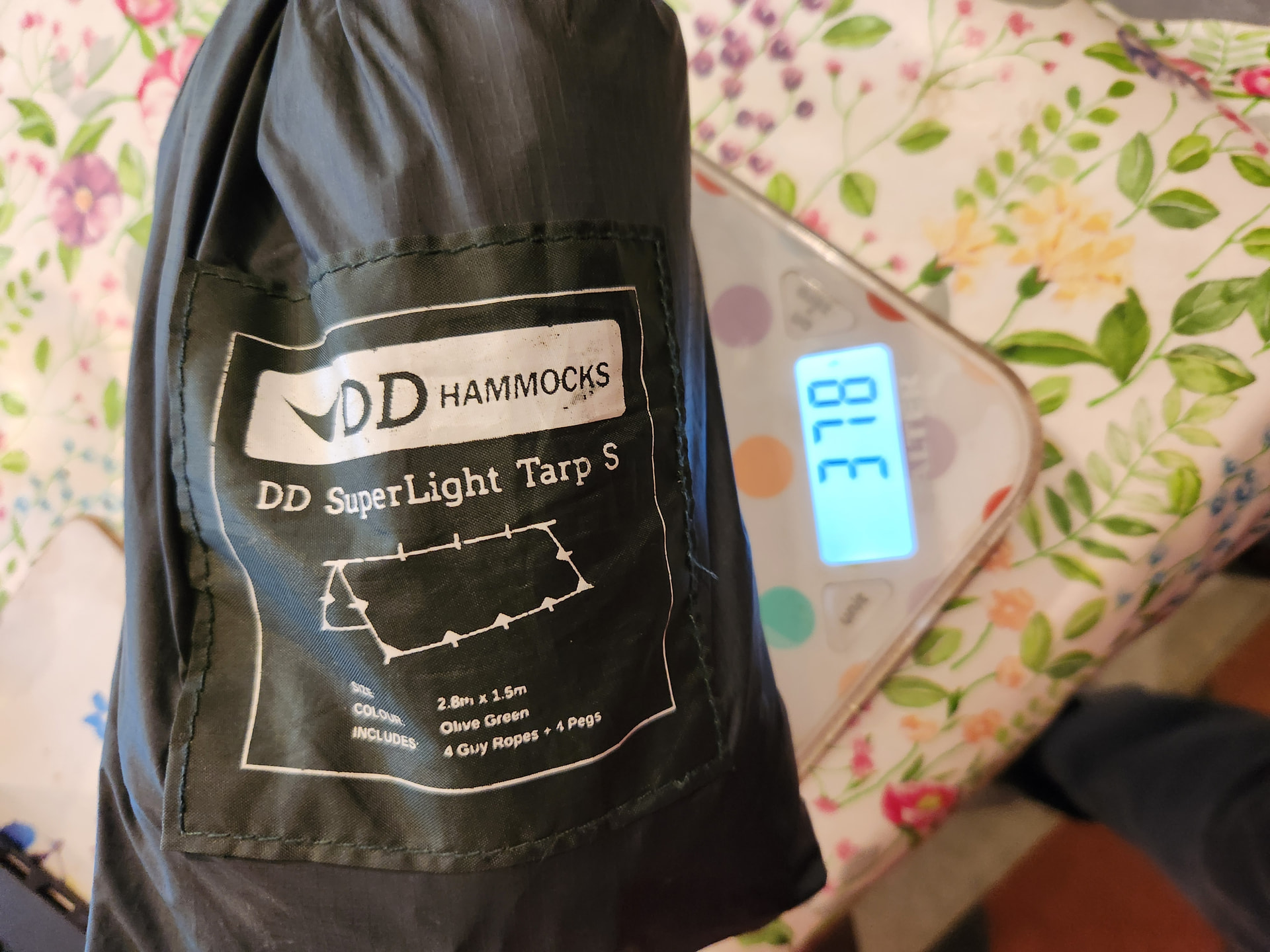
378g including the extra pegs.
9 Likes
Invest in these to place over the radio. They cover the radio but you can operate the controls . Josh WU7H put me on to the idea. They work brilliantly with a KX2.
8 Likes
I’ve just strapped my bothy bag back onto the rucksack, in case the weather turns bad, it’s light and can be set-up quickly.
73 Ed.
1 Like
Yes… and not all are pretty. 
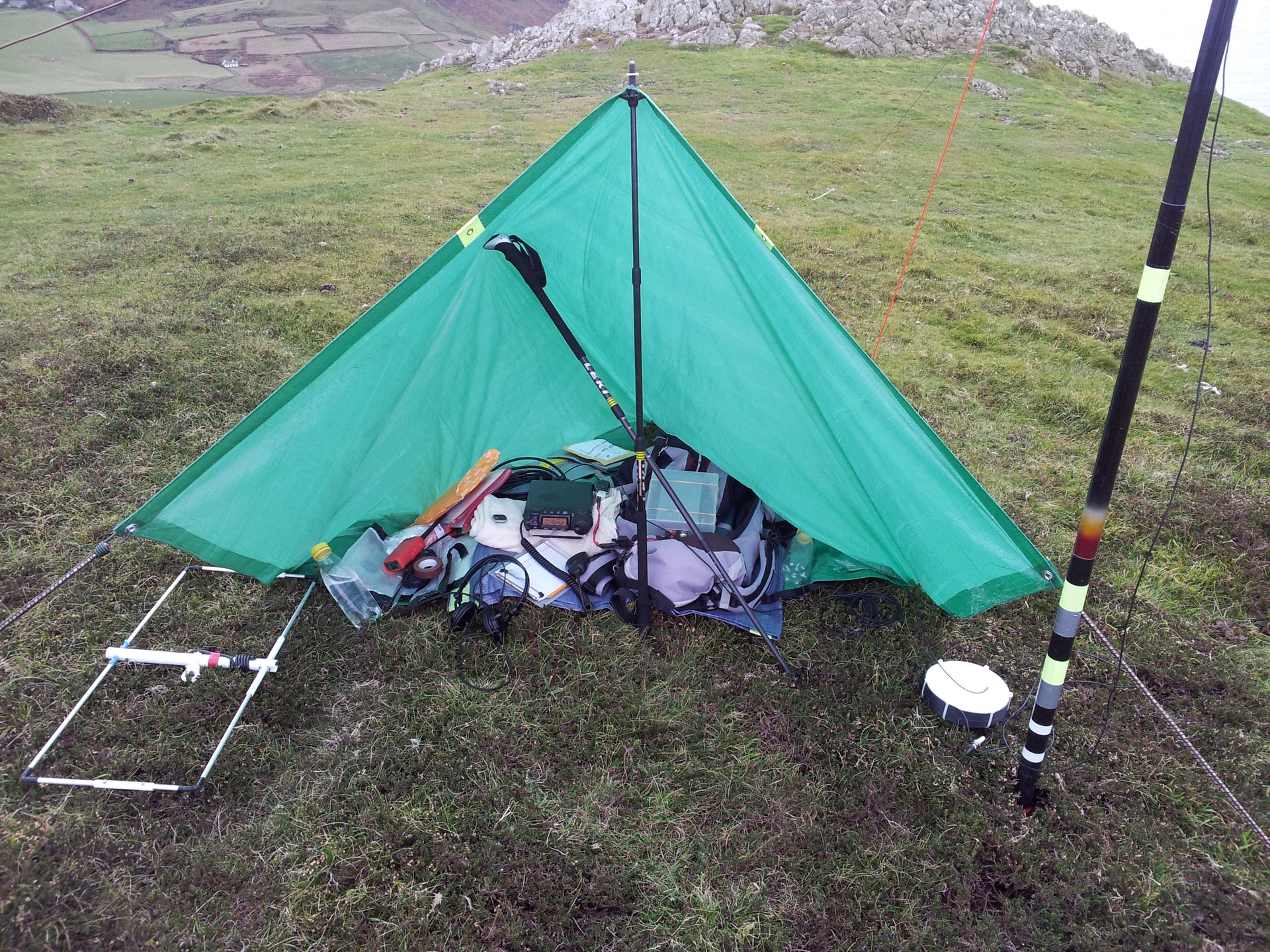
This is the neat version.
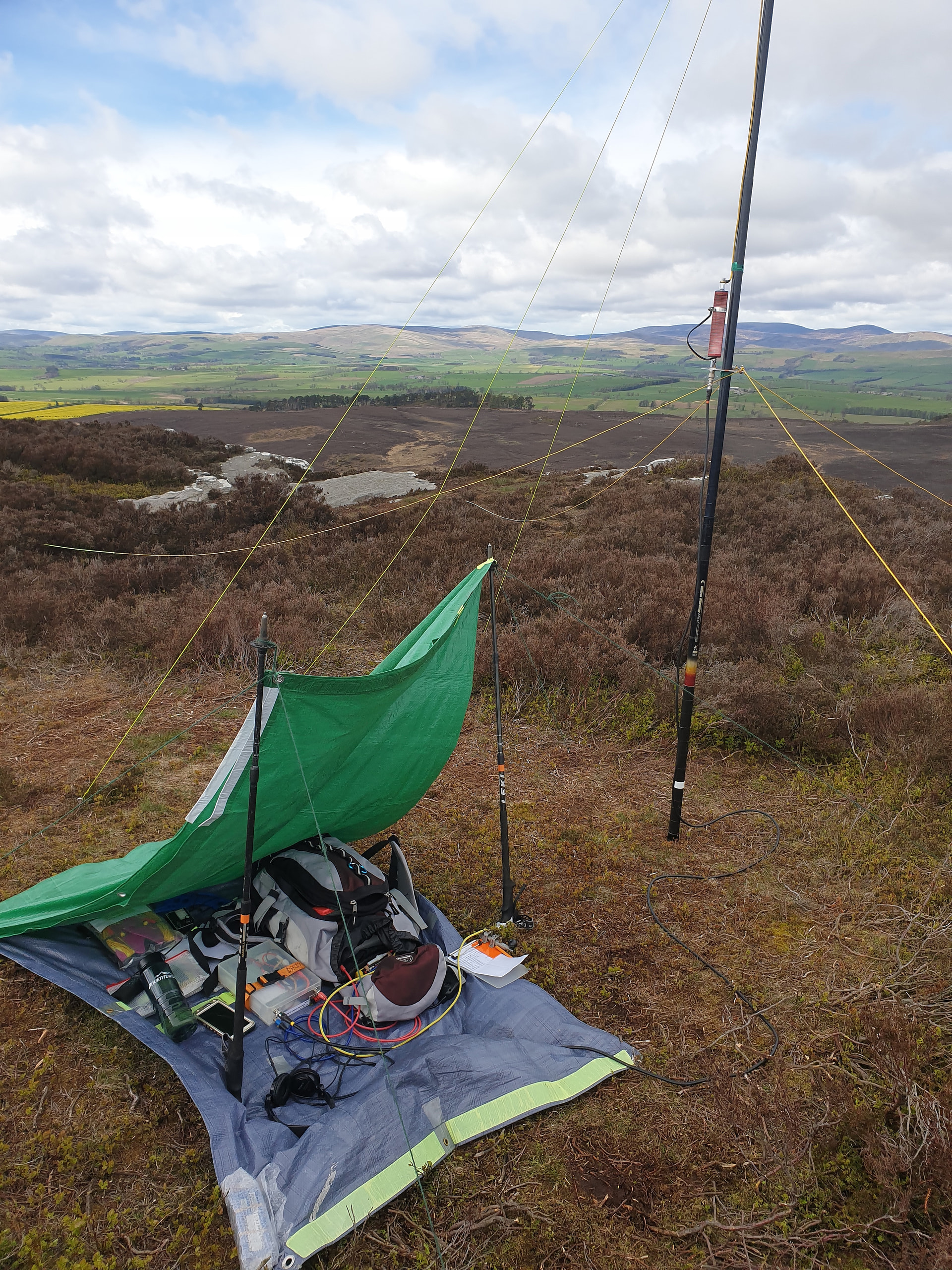
The “rain is forecast from the west”. version.
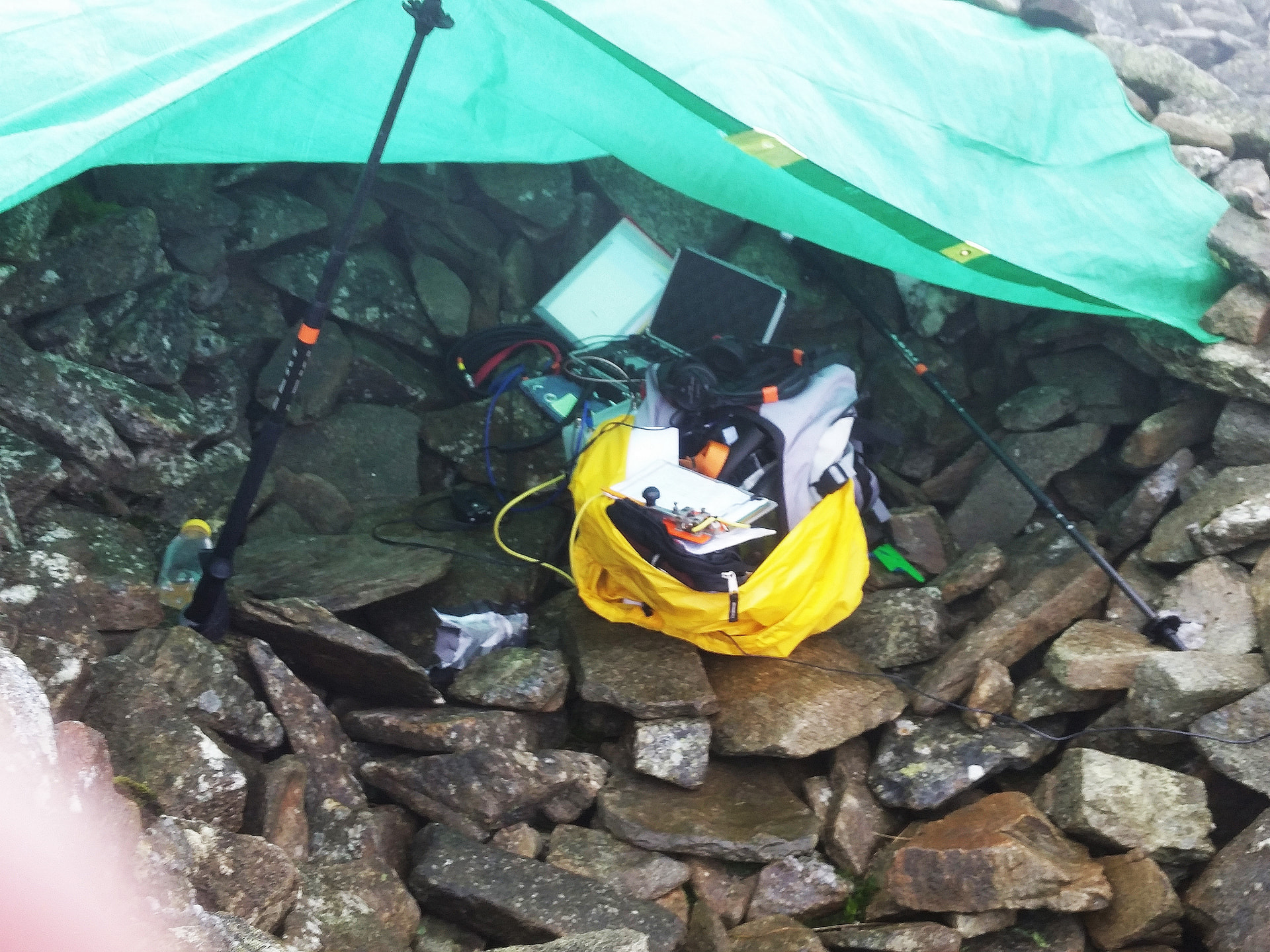
The “use it in a summit shelter” version.
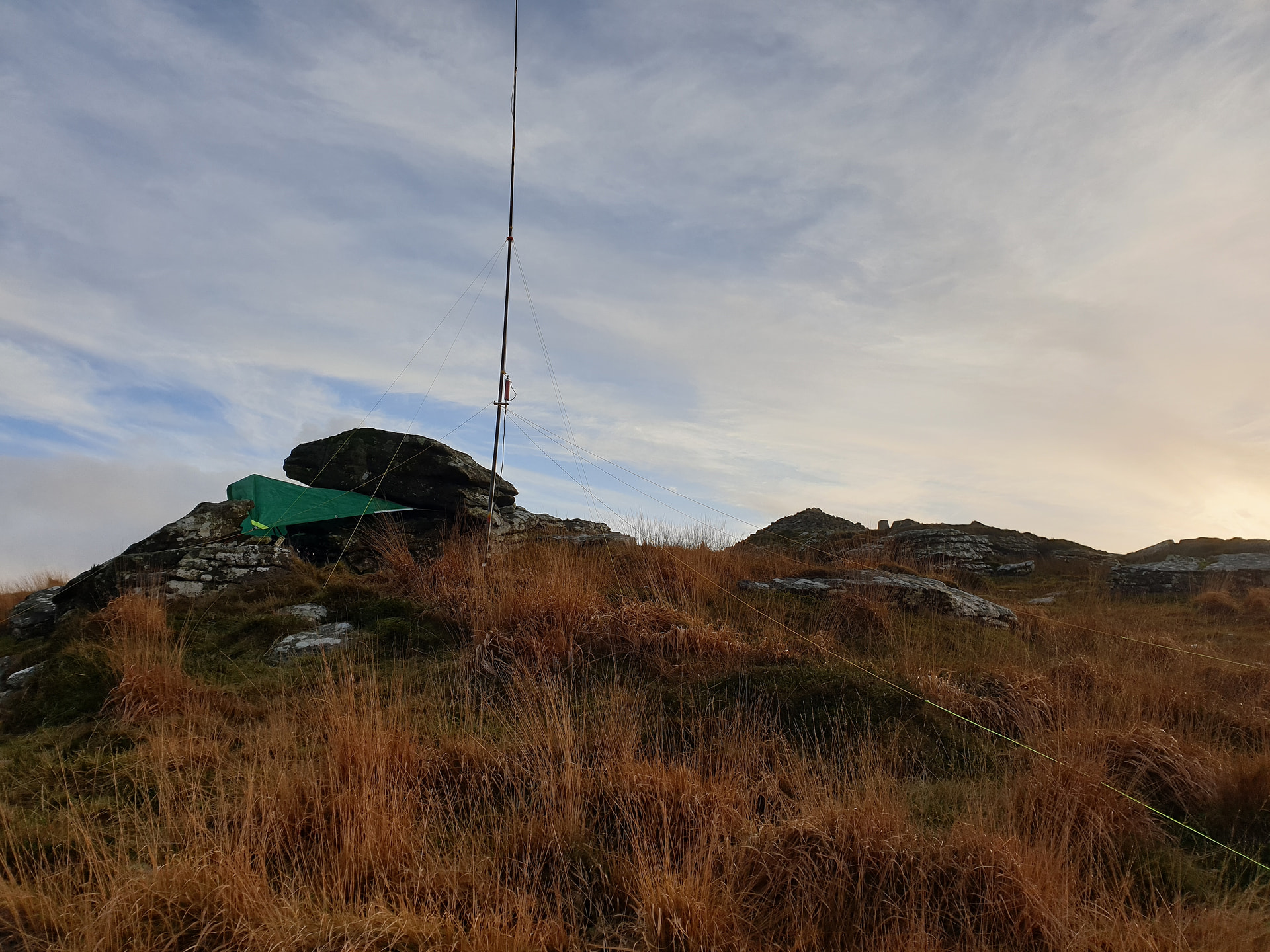
Used inconjunction with the local landscape.
I would say that my tarp at 2.4 x 1.8m is perhaps a bit small, but enough to fold up and pack away in a strong wind. I do carry a 2 man bothy bag, but in over 20 years of activating I have never deployed it.
As for protecting the radio, mine are housed in plastic boxes which are fitted with extensions to the various connectors so I am not plugging into the rig each time, potentially wearing the sockets. If it is likely to be damp, the rig usually stays in the backpack.
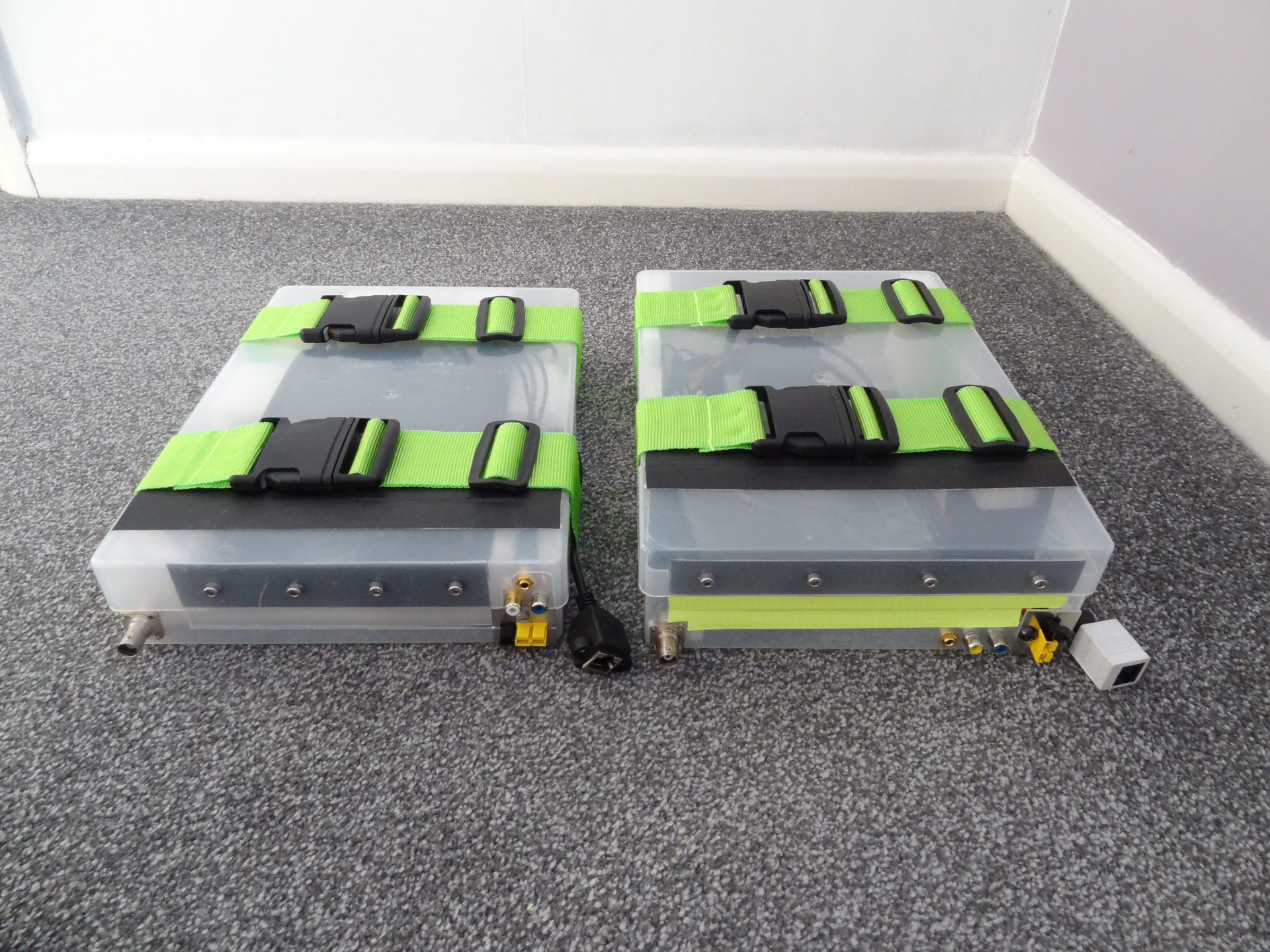
FT-817 in the left box, IC-703 in the right box. I used to have an FT-857 which I similarly housed in this manner and was able to sell it in near mint condition after many SOTA outings.
73, Gerald
3 Likes
Great ideas, everyone!
I’m wondering if it might be possible to make use of the mast and its tensioners/shrouds to set up a tarp…
I’ll give that some thought…
I too have the DD tarp S and have used it (twice) and my tent for previous TA S2S events from the same summit (G/LD-058). The wind was so bad in all cases that I could barely hear those NA activators (RST=319) with the wind-flapping noise of the tarp / tent just a few cm’s away from my ear despite wearing over-the-ears Bose headphones and the KX2 volume on maximum.
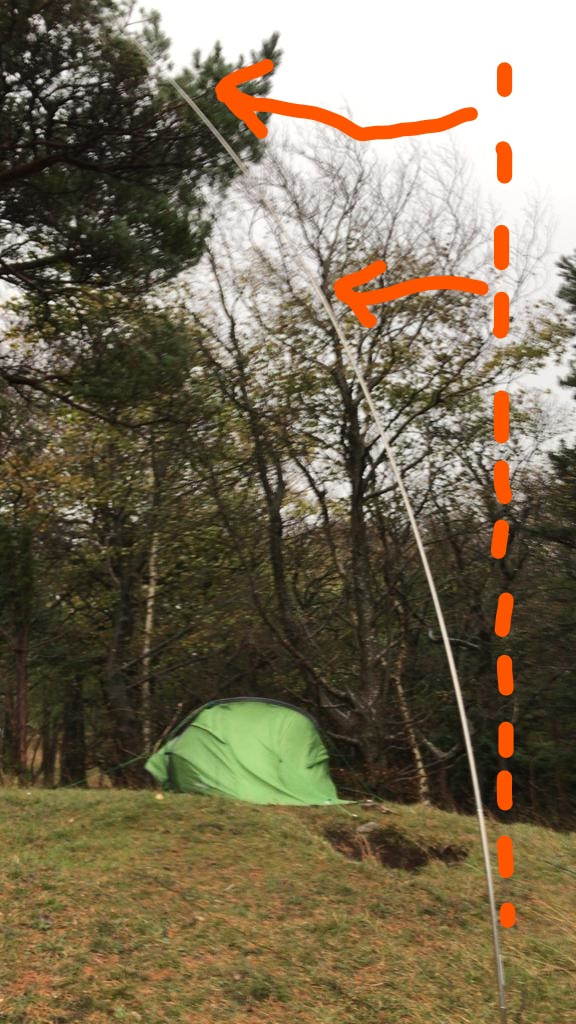
Using the tent in high winds during the 2021 T/A S2S event - Even the rugged Cha MPAS Lite vertical was bending over
2 Likes
Your tent almost took a transatlantic flight!
2 Likes
I had previously activated from my Vango Banshee Pro tent in calm warm July weather, but the 2021 event was the first time I did it in wild weather. Erecting a tent and ground sheet on your own in driving rain and a howling wind that’s trying to rip them from your hands requires a special skill. I was lying on the tent whilst trying to drive its pegs into very rocky ground. It must have taken at least three times longer than usual to make sure my stuff wasn’t scattered around the hillside.
It was surprisingly snug and warm inside albeit a bit damp from my wet clothes, and I was tempted to have a snooze rather than go outside again and try to get the vertical antenna up.
Here’s hoping the weather’s better for this November’s event.
3 Likes
I’ve used my 5m pole as a support to get the tarp ‘entrance’ up high when using the tarp as a sunshade as on this hot sunny day [Yes, we do have them occasionally in Cumbria] on this August 2022 activation of G/LD-056.

But for windy / wet weather I use 1 or 2 shorter poles for the tarp, high enough for me to sit under it in my comfy Helinox portable chair, but not so open that the wind and rain get inside.
3 Likes
I will be on a summit for this event…always a fun time!
Pete
WA7JTM
W7A