Great if there’s only a few floors… most in my building was 3 flights. Or 4 to the terminal room next door in MechEng. But if you have 15/20 flights then it’s a little more like hard work.
So, I came here to read about the invention of GPS, however I have learnt about the Paternoster Lift thanks to Andy @G8CPZ and Youtube https://youtu.be/YgJBD1wf-YQ?si=cvcvLaBRZDTYLrtv
Until today I didn’t know of their existence, now the Paternoster Lift is on my must see list when I next return to Europe.
Thanks.
4 Likes
Our father lifts.
The nearest of thes lifts to VKs is one in Malaysia. There are over 200 in DL.
The name is the first two words of the Lord’s prayer, in Latin of course, and that I think tells you a lot about them. Brave people the Germans.
3 Likes
There should be an award for dragging a topic off topic.
My work here is done 
4 Likes
All is not lost,
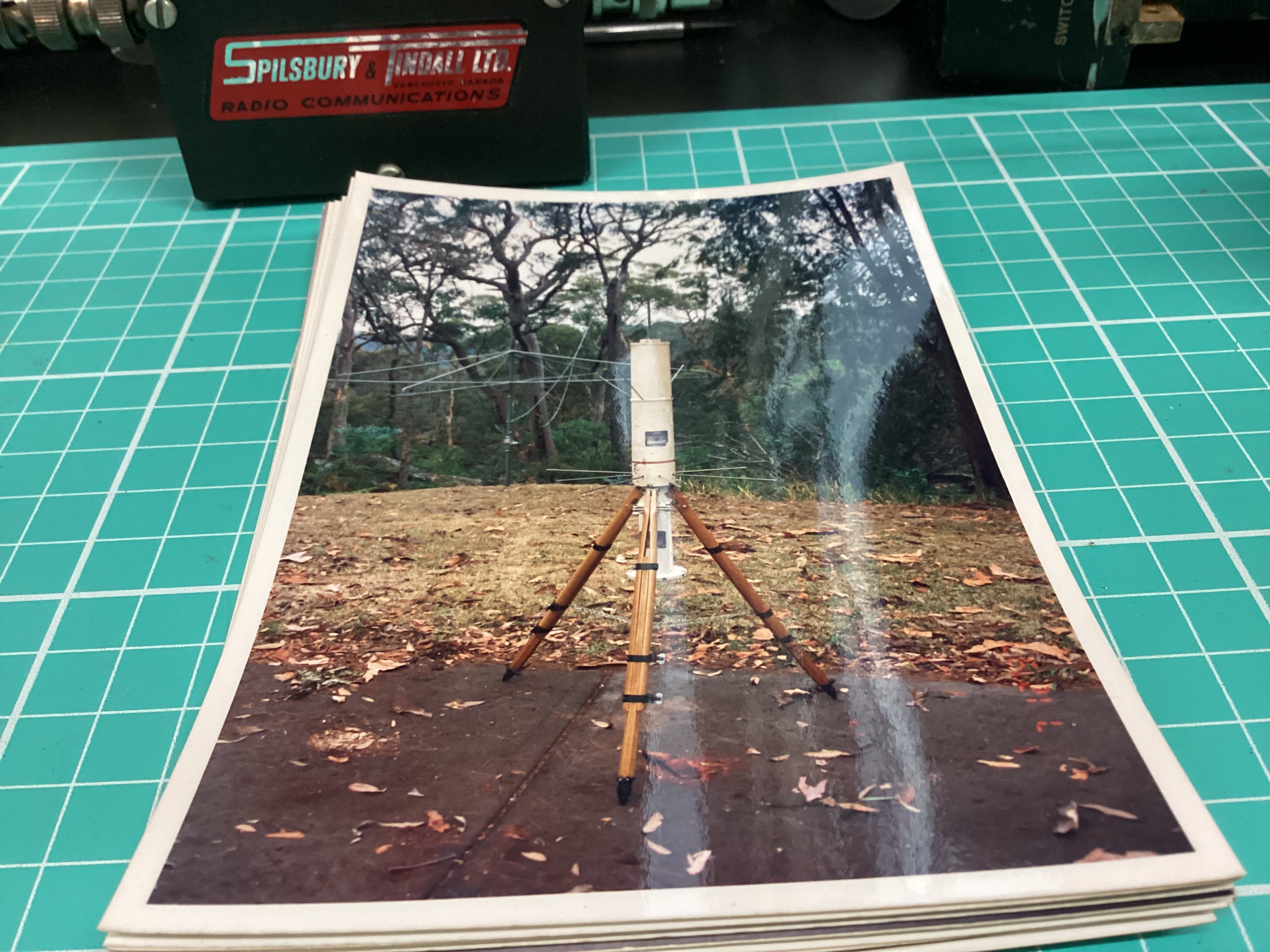
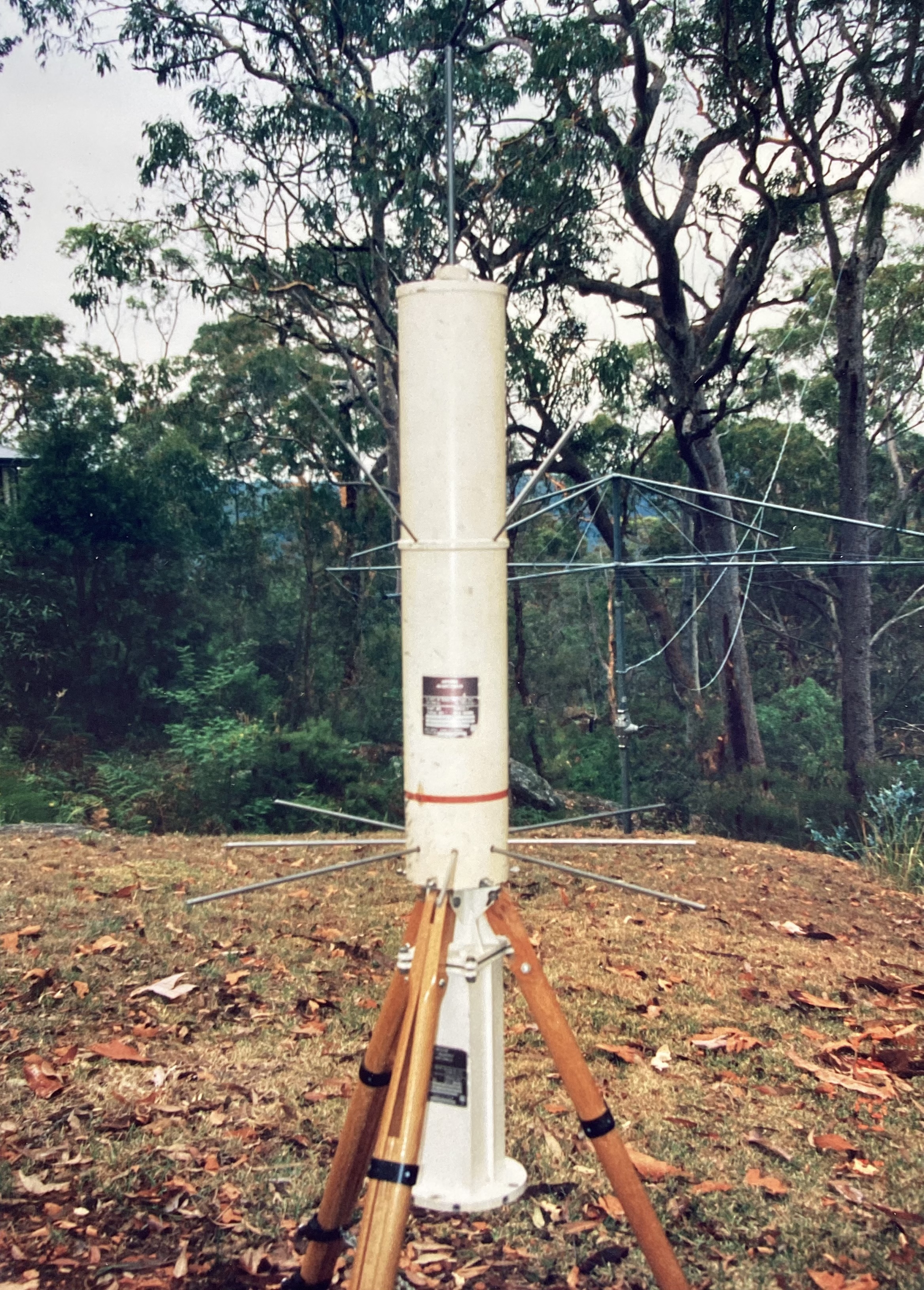
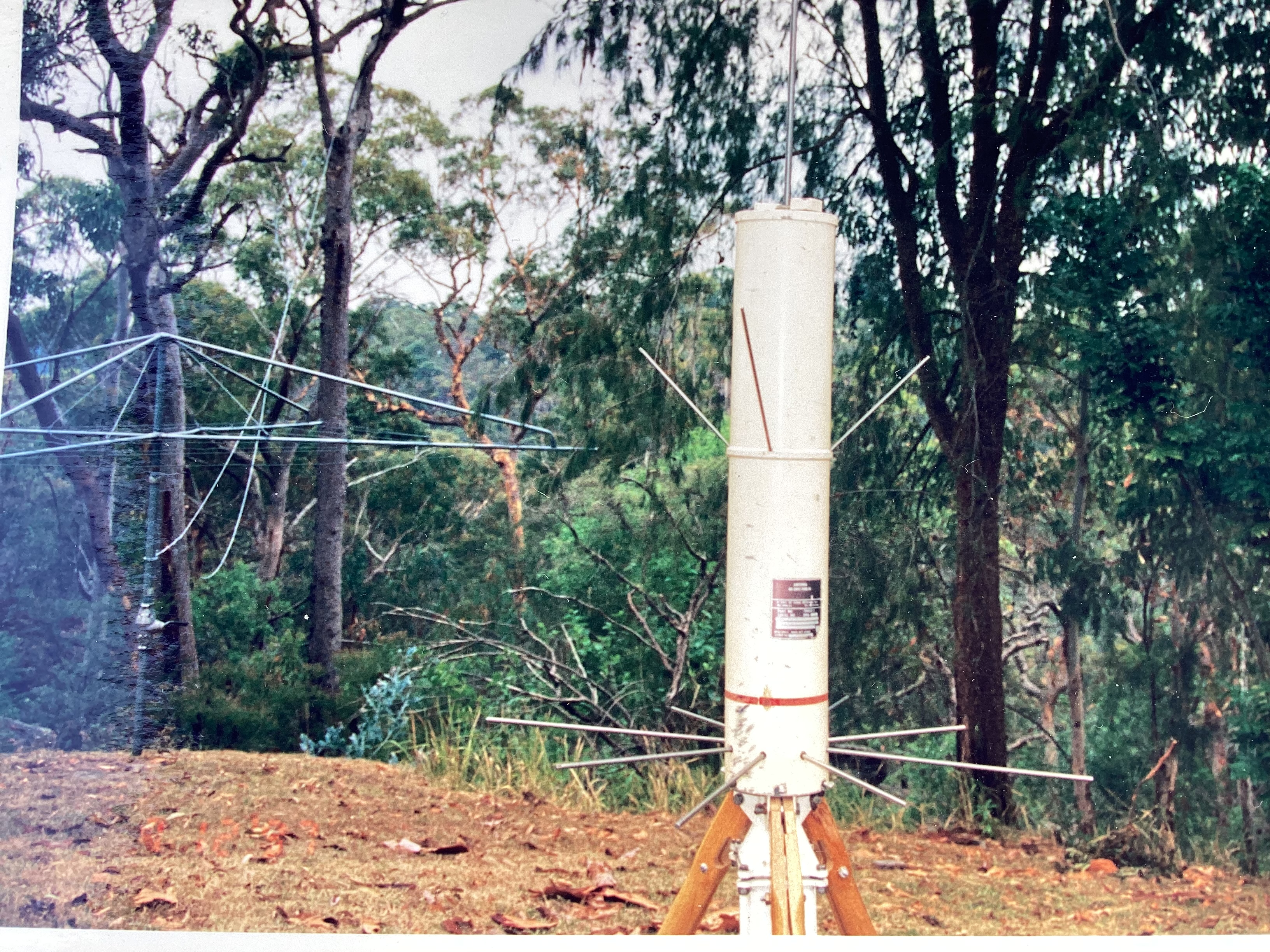
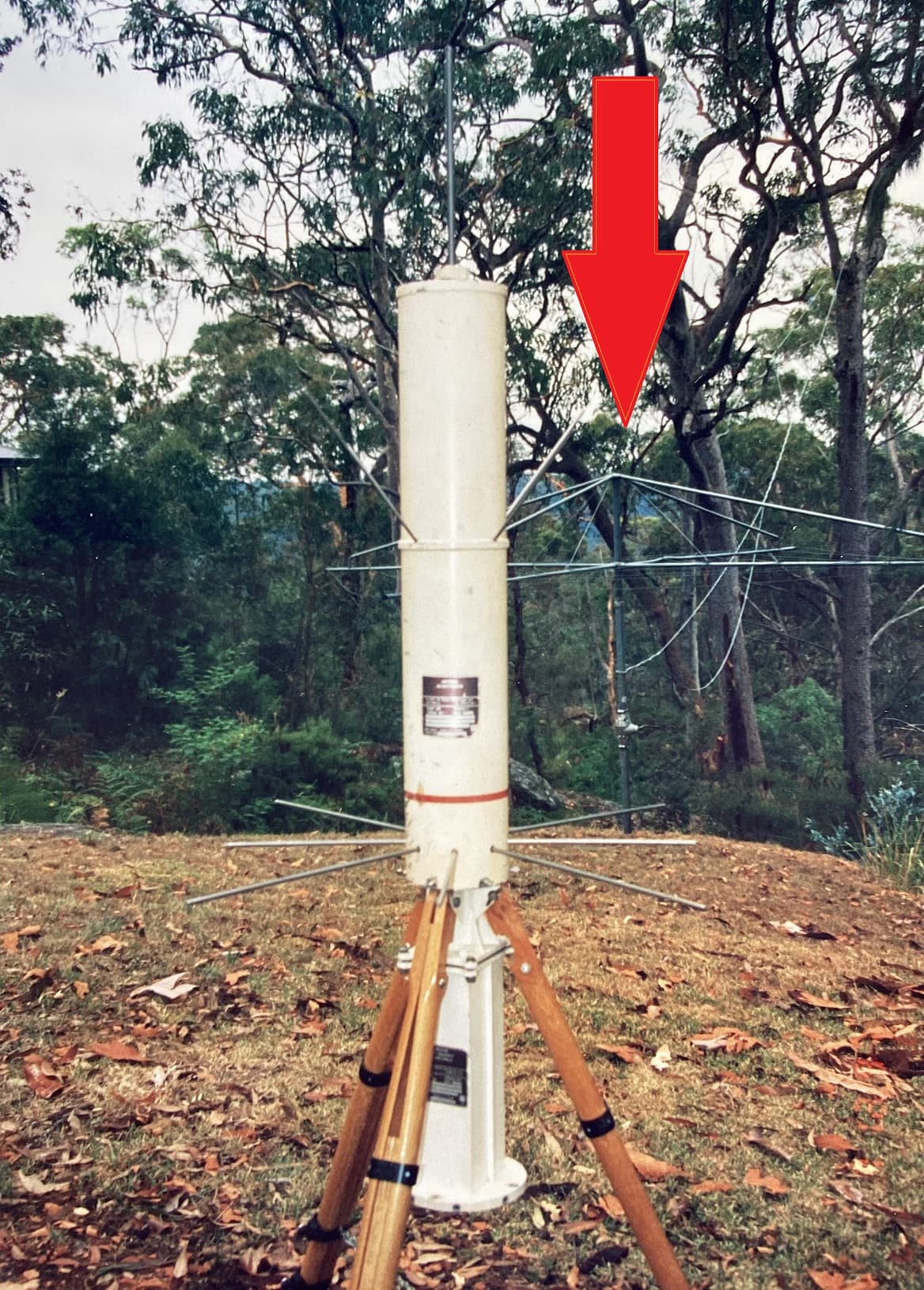
I have only photos of my early bird GPS antenna.
The antenna is composed of a dual resonance cavity with two sets of radial rods and a vertical radiator, terminated with a dual band pre-amp.
3 Likes
@VK2IHL What type of antenna is in the background of the first and second photo?
Hi Peter,
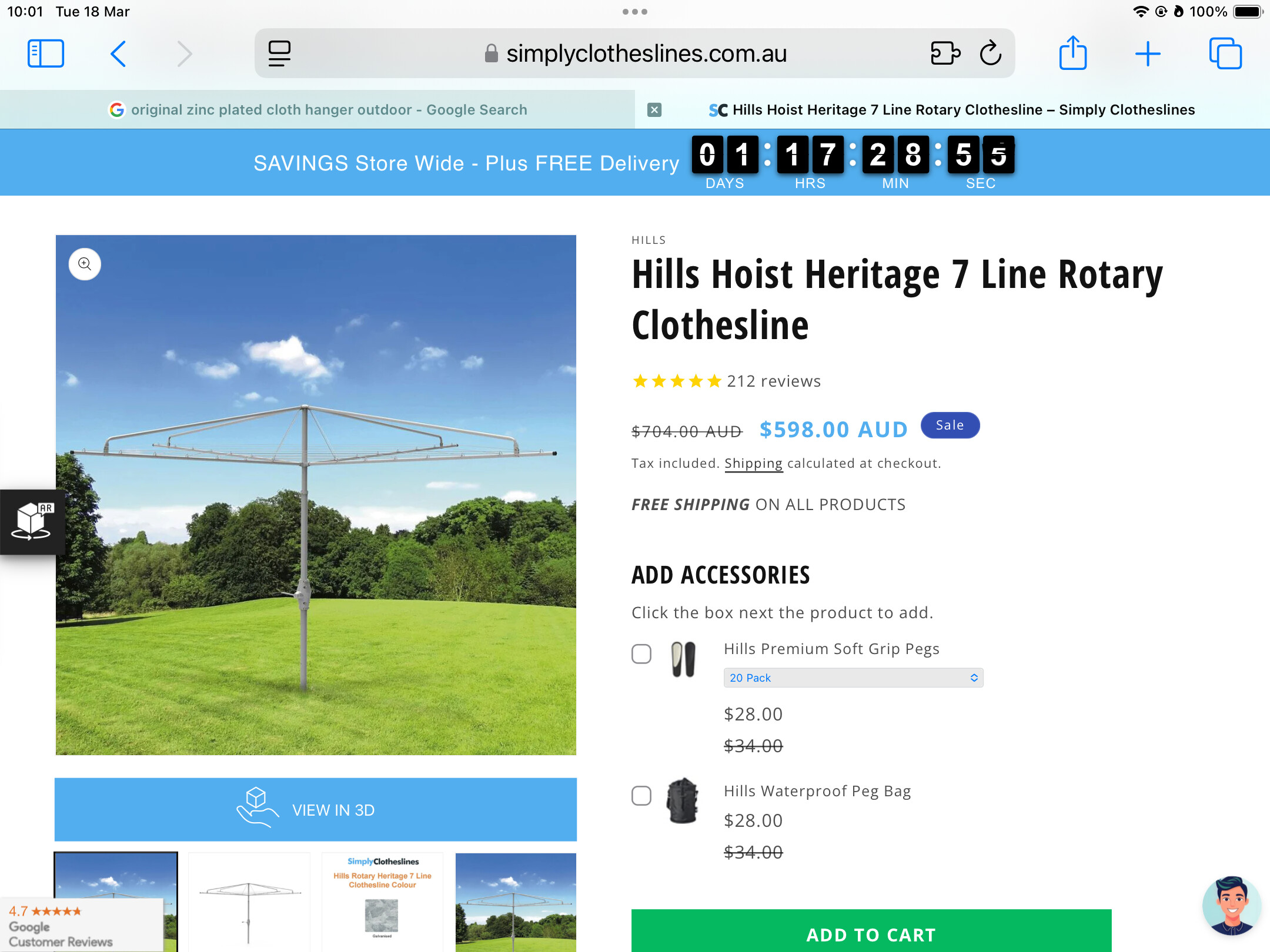
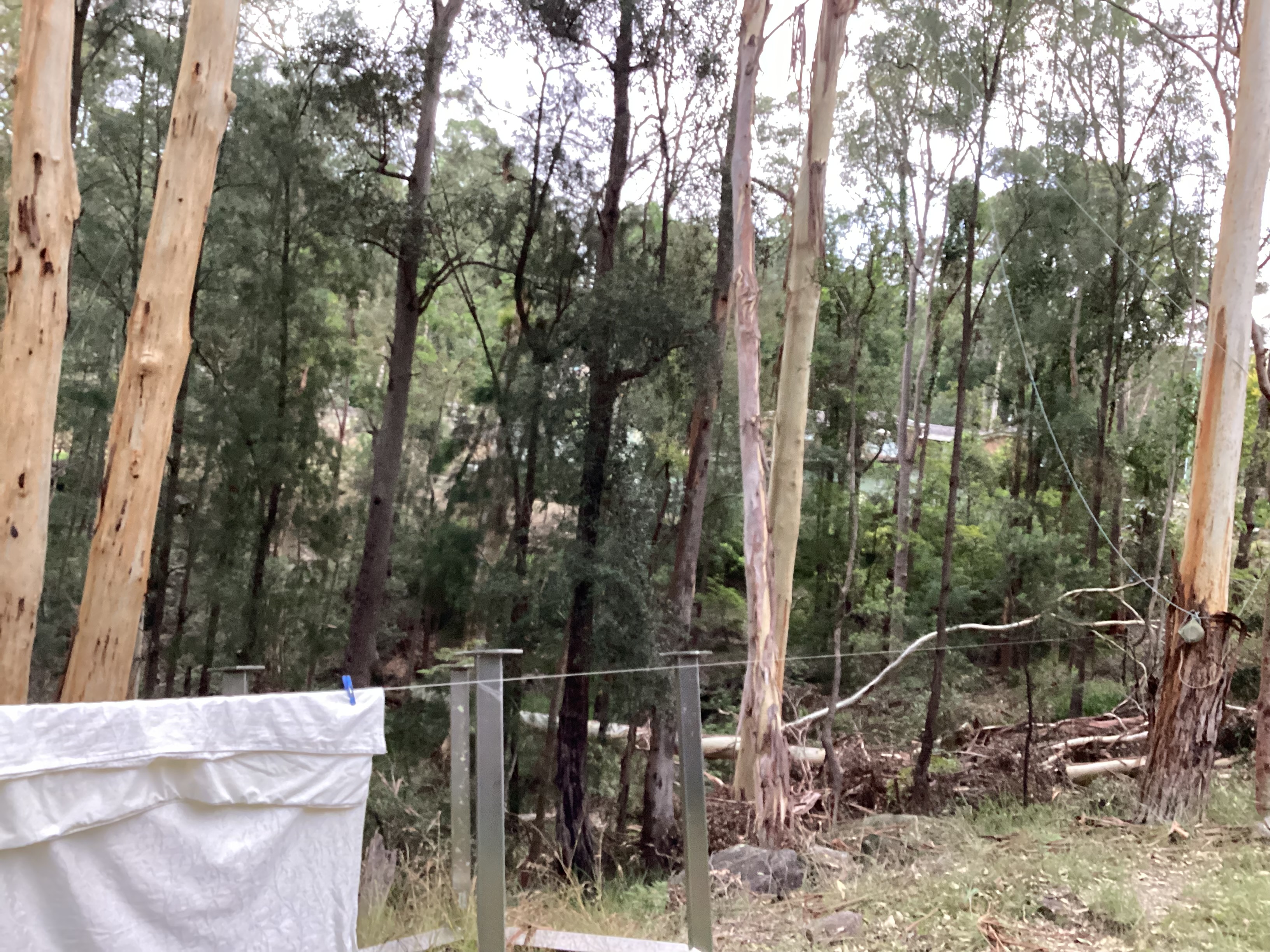
It’s a “Mater Noster” clothesline, had a purpose for supporting my half sloper wire antenna. Those photos were taken in the 80’s. I failed to measure resonance frequency of that steel galvanised device with a GDO.
That clothesline has a 4.5m of diameter, 1/2 λ @ 66 MHz. In amateur radio literature, I heard some success to isolate and spiralling the line as an umbrella radiator for HF.
73 Pascal VK2IHL
2 Likes
What goes around dries the clothes.
We still use one albeit with refurbished gal wires.
The original ones were starting to show signs of rust. Installed early 1950s.
73
Ron
VK3AFW
1 Like
Continuing off topic 
Even worse, I hated the these manlifts as an apprentice in the early 80’s
This image is almost identical to the one we had at work. It was one of the first places an apprentice was taken, a journey of 33 metres to the top of silos whilst holding on for your life 
If you search Humphrey manlift on YouTube there a few videos if these in operation
.

4 Likes
Apprentices were definitely expendable when I was one in the late 60’s & early 70’s.
1 Like
Hi Ron,
I use stainless steel 2mm cable, quite affordable for less than $40 Aud for a100m roll to build antenna and clothesline.
Back to our discussion related to GPS,
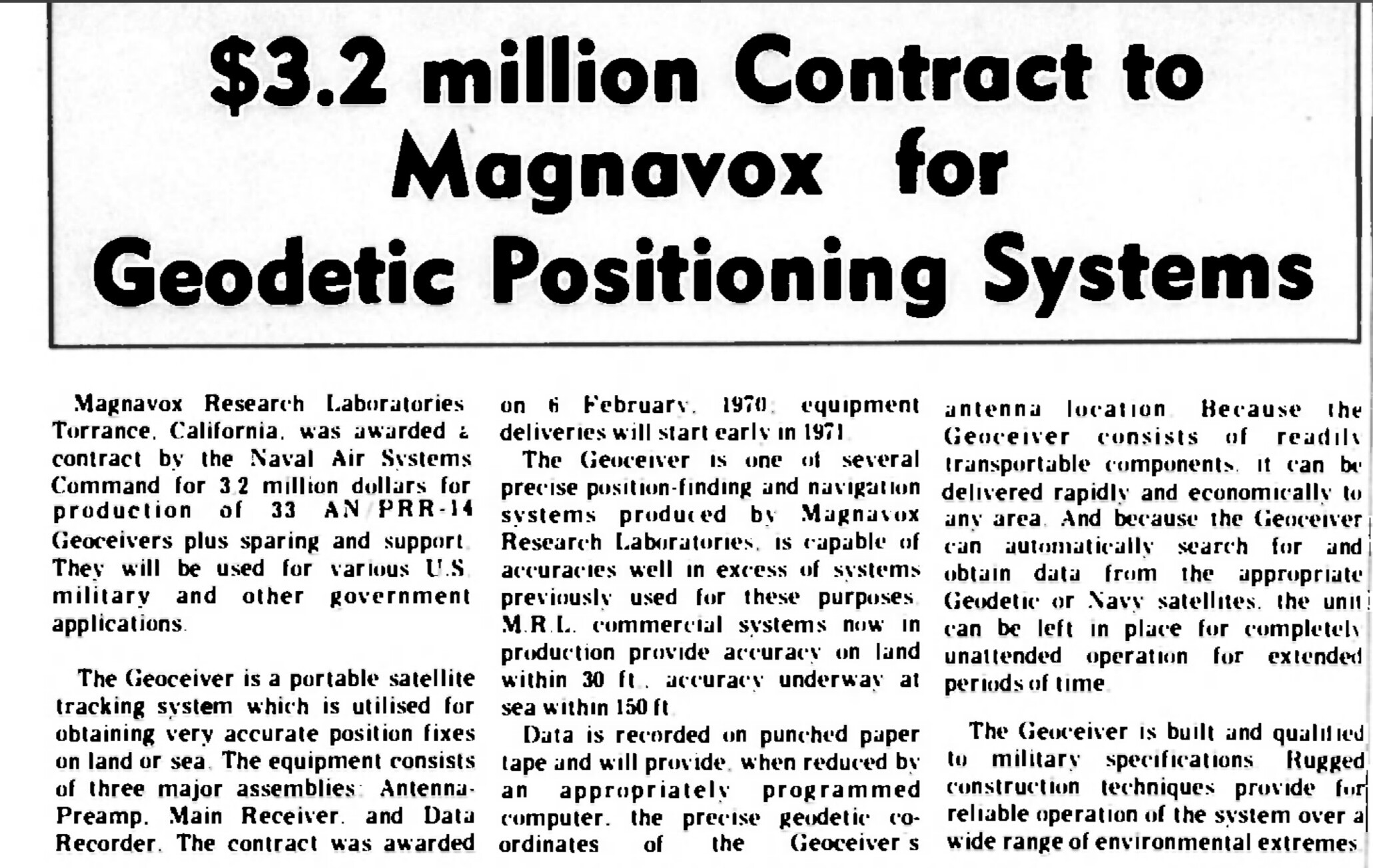
My bird is a Magnavox AN/PRR-14 Geoceiver for the TRANSIT satellite positioning system. Australia got a deal for PRR-14 at $50,000 each in the 80’s US dollars.

I can remember where I hide my receiver, will dig it out and take some photos.
73 VK2IHL
1 Like
Size comparison between a hand held Lowrance Endura Safari, an Apple Watch series 10 and a Magnavox R-1654 PRR-14.
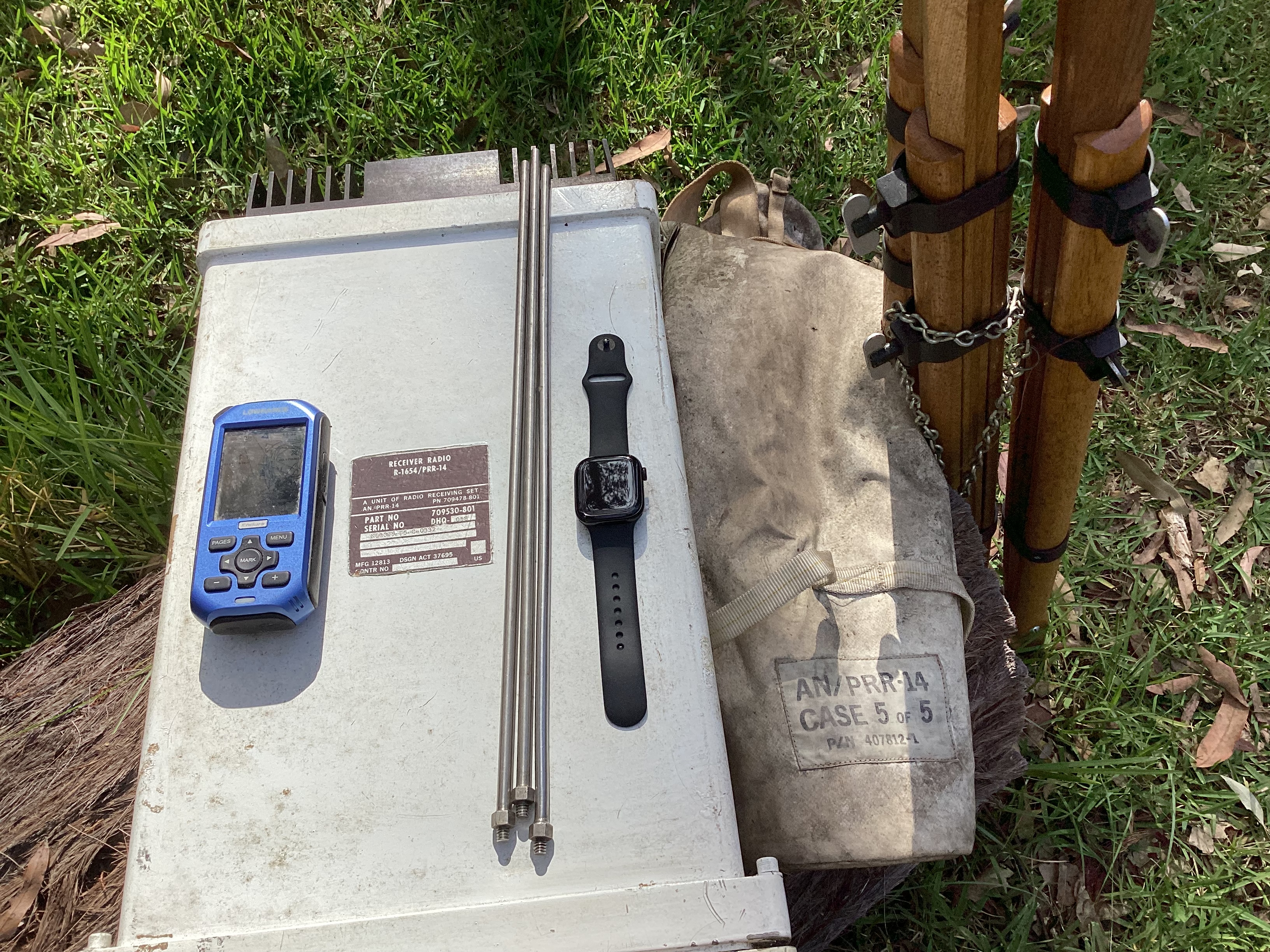
The fascia is slightly oxidised by 40 years in storage
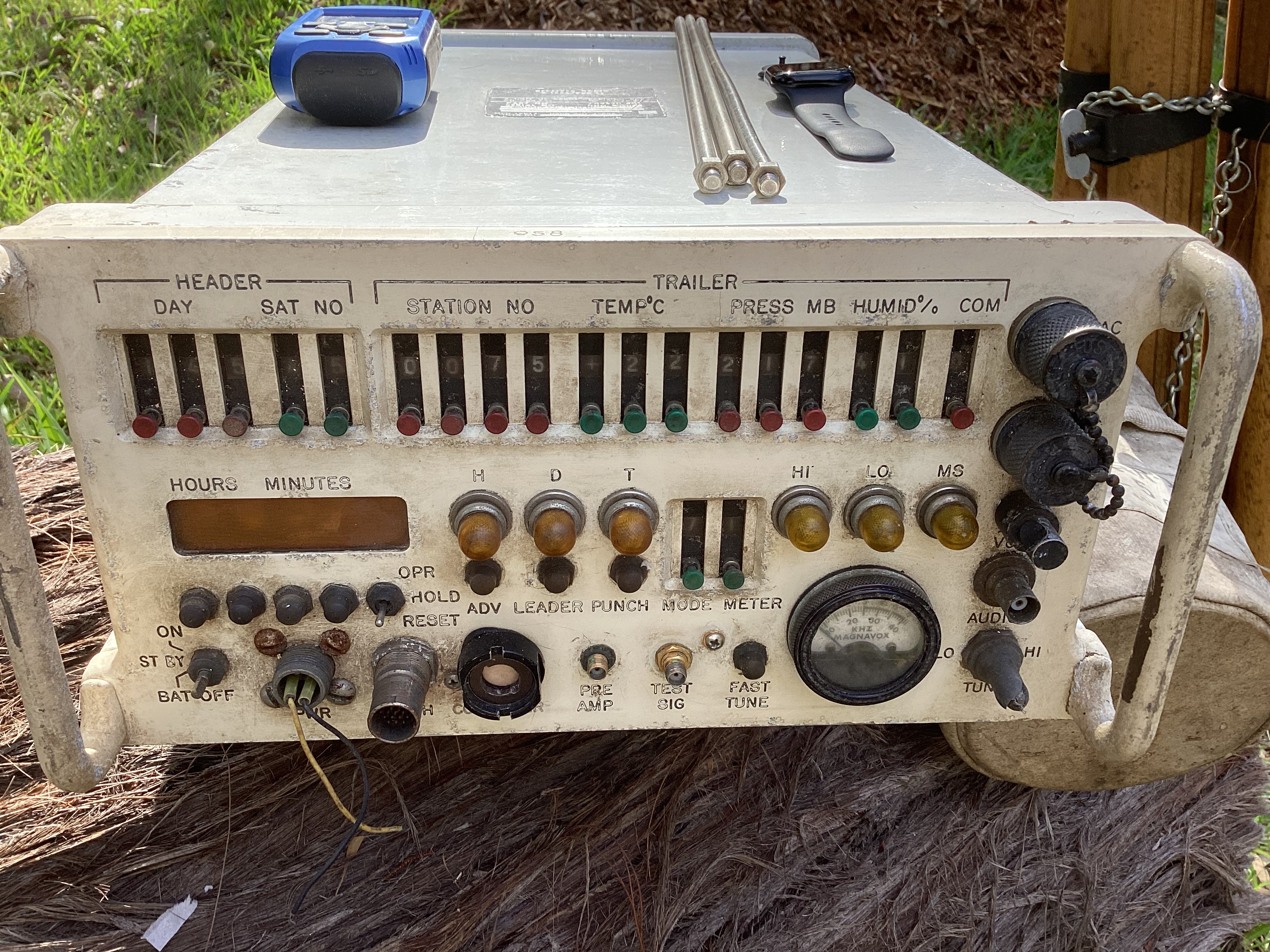
Pater Noster Qui Es In Caelis, this is the first Australian military satellite positioning receiver, used for mapping.
6 Likes
Thanks for these posts Pascal. When I first saw your antenna I thought that cannot be for GPS as it is far too big, must be an old Transit one. And it was
The article about the VK Army Surveyors was fascinating as it shows just how much technology has moved on from not very long ago to today. Although Transit has been switched off for a long time and GPS is so ubiquitous we take it for granted. My last 5 phones have GPS receivers and my current phone receives GPS, Russian GLONASS, European Galileo and others. I’ve got GPS in my car, my XYL’s car, 2x Garmin walker’s GPS plus who knows how many GPS thingies to embed in devices. Like Bluetooth, GPS is a commodity that costs pennies to implement now.
I’ve been frantically trying to remember how my neighbouring undergrad chum was receiving Transit in 1982/83. I think the project was to design and build signal processing decoding and the RX was ready built. ISTR the antenna may have been a 2m amateur vertical that was mounted on the roof of the labs. The best part was that access to the roof was allowed and often “antenna checks” were needed. These actually were cigarette breaks as no smoking was allowed in the labs/common rooms but on the roof nobody could check It was quicker to get to the roof that descend and go outside.
The other thing I remember was we didn’t do much programming in our Electronics course. We did a course on BASIC in year 1 and some basic Z80 assembler work. There was some basic data processing that ran on an S100 system in the lab but the processed data was then pumped to the engineering mainframe where a curve fitting program written in BASIC was run to calculate your position. The BASIC used on a Prime 750 super-mini/small mainframe was a compiling version so it ran quite fast. There was another step that was run on the postgrads PDP-11/40… a sacred machine few undergrads were allowed near. I can remember helping typing some C which was new to me, new to the guy doing the project and new to Prof. running the project. The blind leading the blind It does mean I have been using C for the last 42 years. Wow!
Your Transit receiver is a real piece of history as I can’t think that there are many other examples in existence. They will all have been scrapped when the satellites were switched off.
1 Like