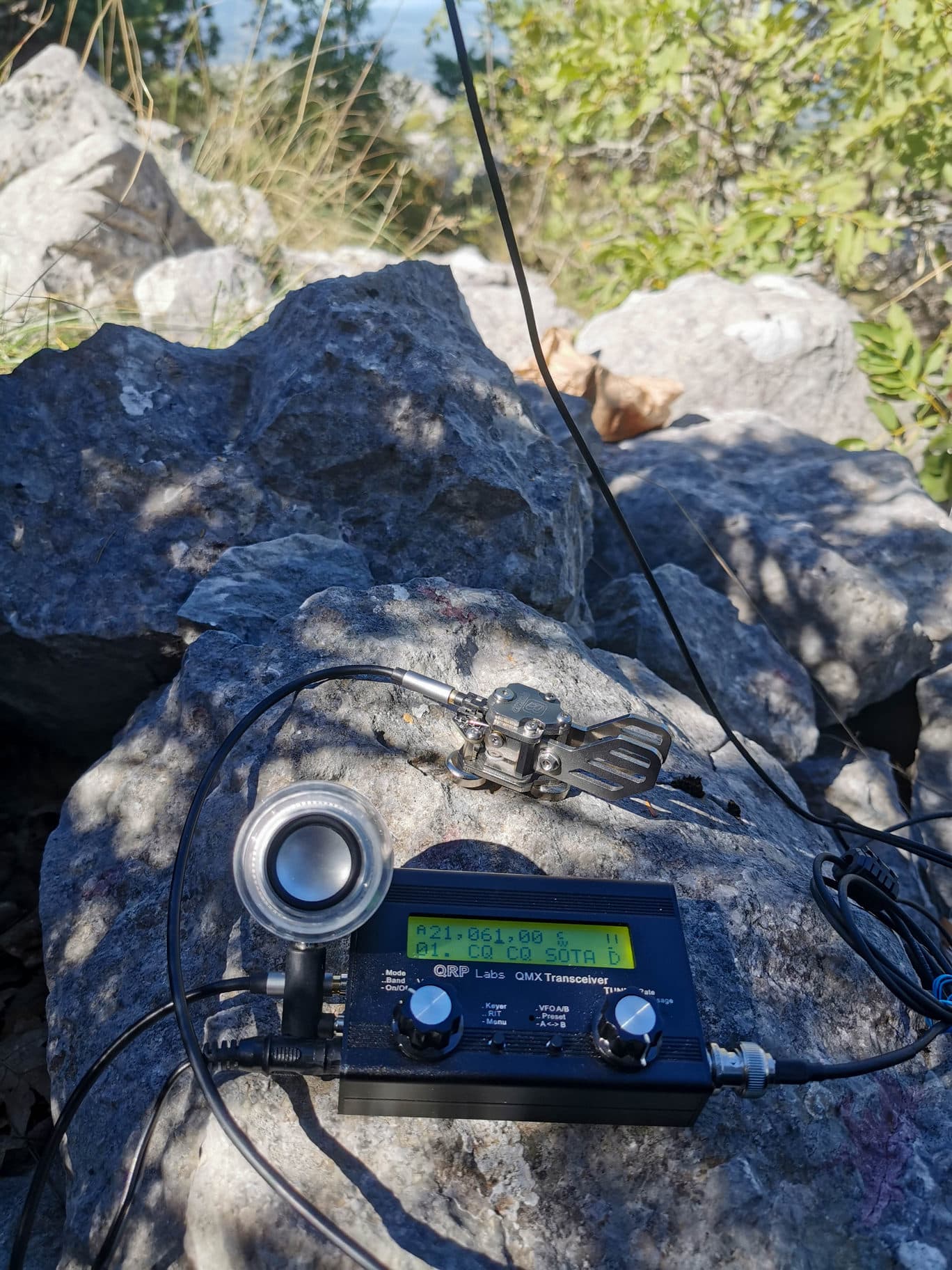
QMX: a year of great fun!

I built my qmx maybe two month ago. Despite a shorted bs170 that I spotted very early in the building process (conductivity test between A and B points), the radio is working perfectly. According the the internal test, I have +/- 5W on all bands.

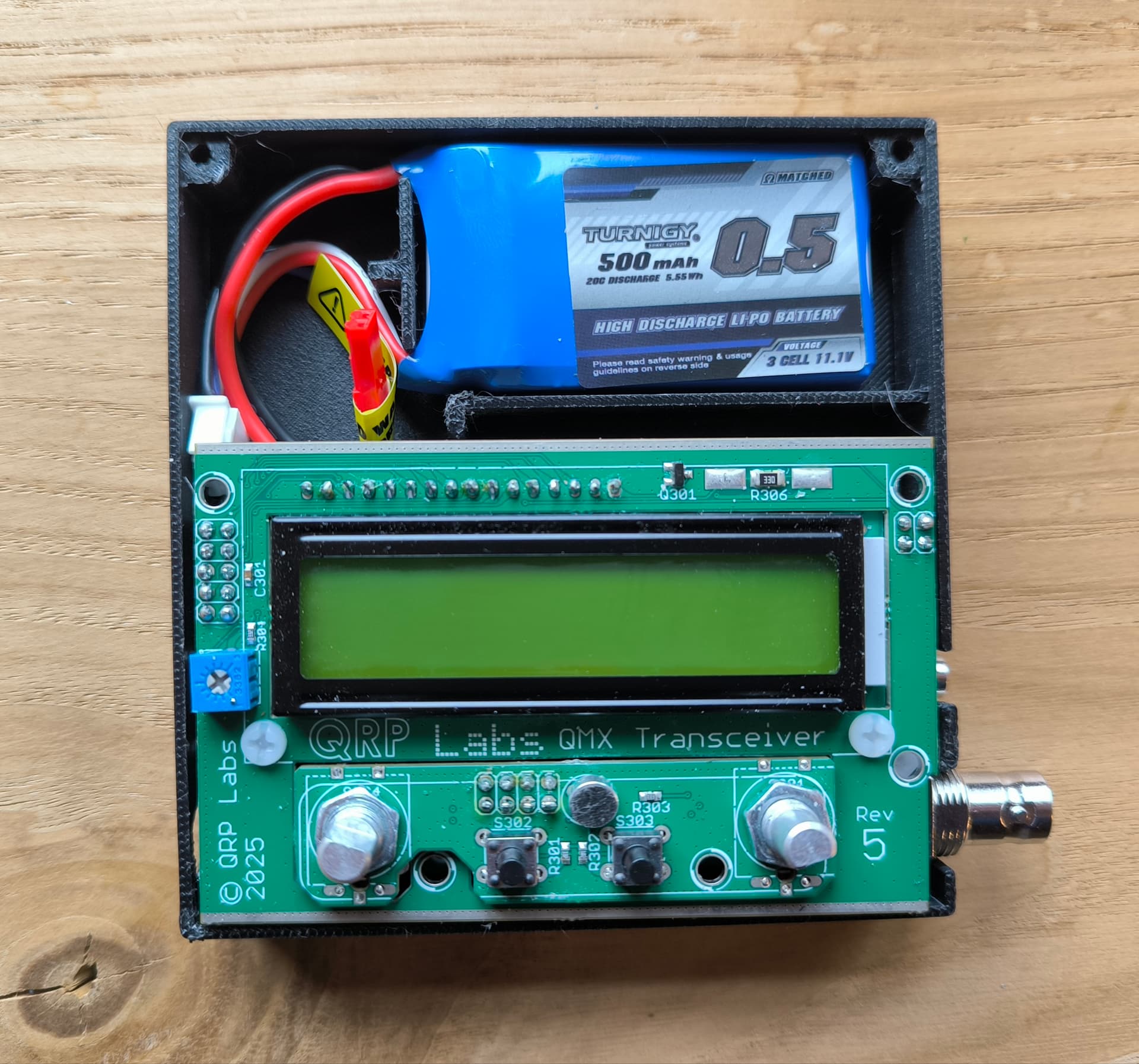
I printed a box for it:


Now I didn’t have the opportunity to activate with it but the first tests , SSB + CW, look promising.

I had quite a few ptt/mic/earplugs kits from different Chinese handled radios, such as :


I just scavenged the mic/ptt part and rewired it on a normal stereo jack line.

5 Likes

Looks neat Remy! Would you share the files for the box and the buttons? And what is the weight of the box?

73, Peter

73 Nice review, Ignacio

I also with QMX in 2025. Fascinating radio especially for long hikes due to low weight.

I mostly use with 3x18650 batt and HB9EAJ version endfed.

73! MX and happy new year 2026!

Ivica

4 Likes

Thanks for the great report on your adventures with your QMX, Ignacio and to all who have added to this thread. What a terrific and highly capable little radio - a credit to Hans’ talent and hard work.

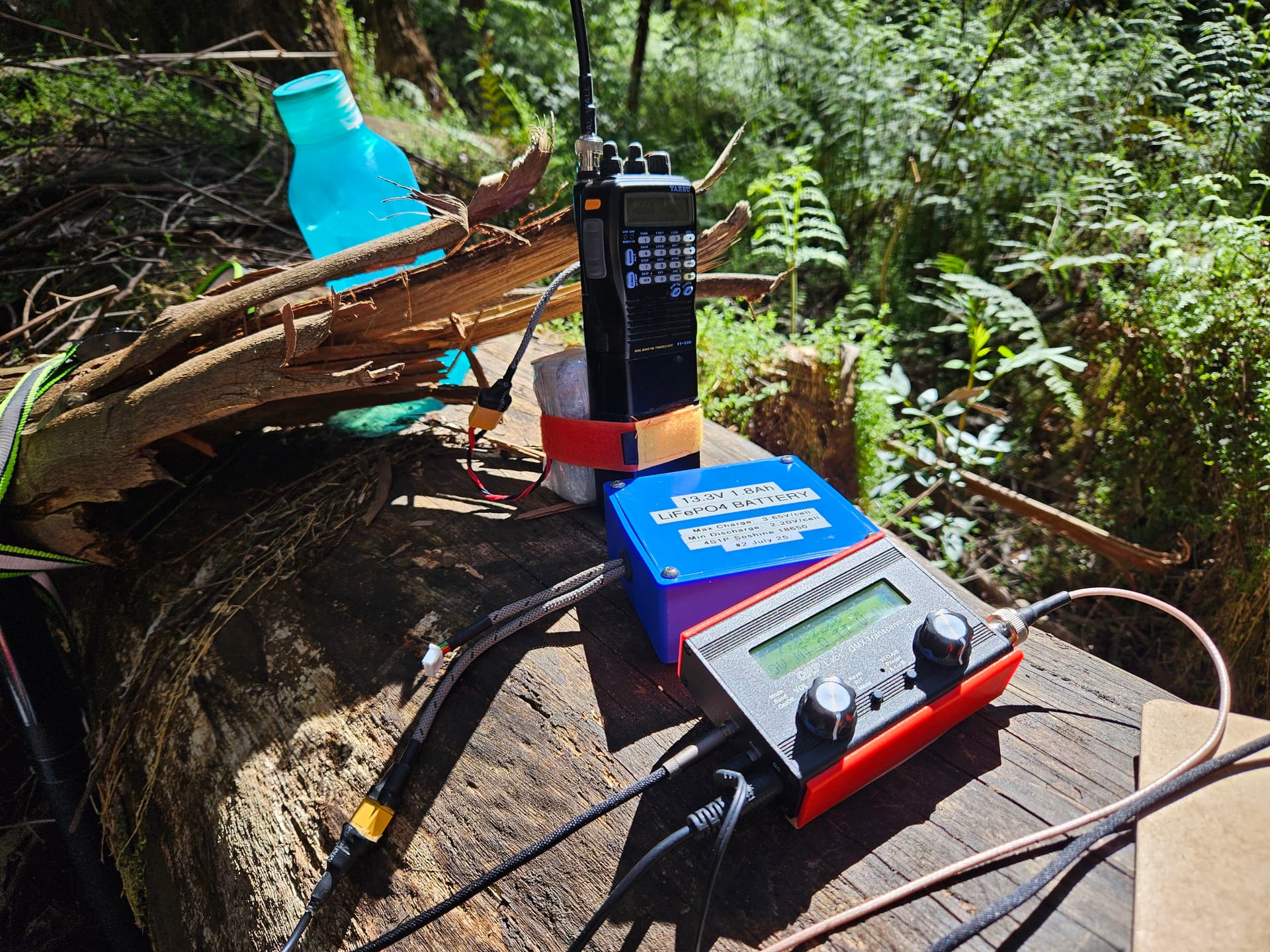
Here’s my QMX set up on a log on Mt Bride VK3/VC-009, a heavily forrested summit east of Melbourne. In a bit over an hour I made 10 contacts on 40m SSB, 4 on 40m CW and worked ZL1IM, ZL1TM and JG0AWE on 20m CW. The venerable Yaesu 2m Handheld managed one contact with VK3PF.

Operating the QMX has been such a lot of fun and it has superceded my mcHF as preferred SOTA radio.

Merry Christmas SOTA folk!

David

5 Likes

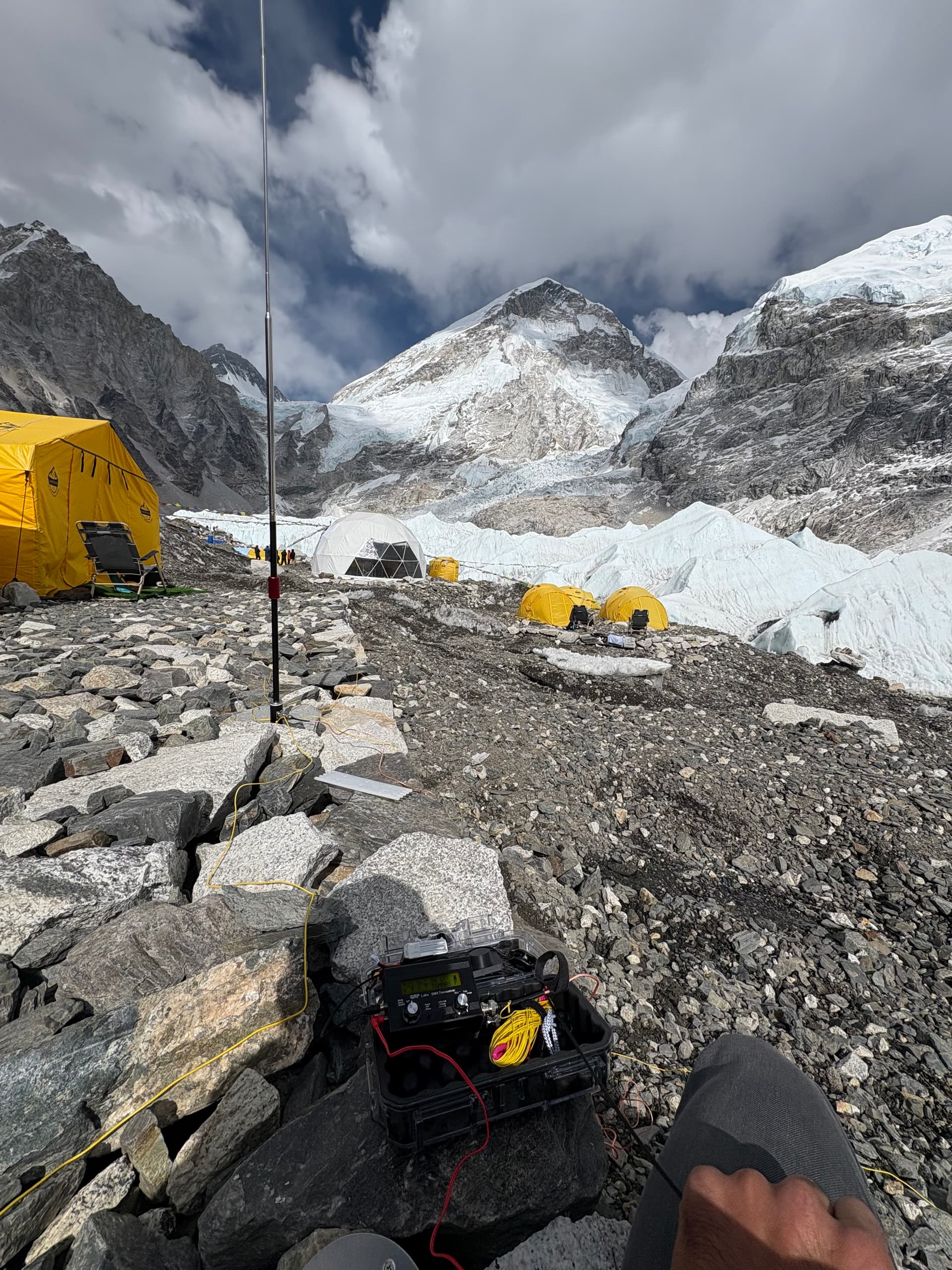
I took my QMX (mid band) to Everest this year (I set it up at the base camp during some down time and heard some Chinese stations). It was setup with a MC750 vertical. Love the rig - very portable :flexed_biceps:t3:

13 Likes

Thank you for the great report, Ignacio!

What else could one say? I was late to the party, assembling my kit only beginning of this year. Meanwhile I’m quite happy with this little gem. Activating is lots of fun because most of the important functions are available with just one or two clicks (and some of the convenient ones as well). Now we just need to master the elusive QMX 2 QMX QSO :slight_smile:

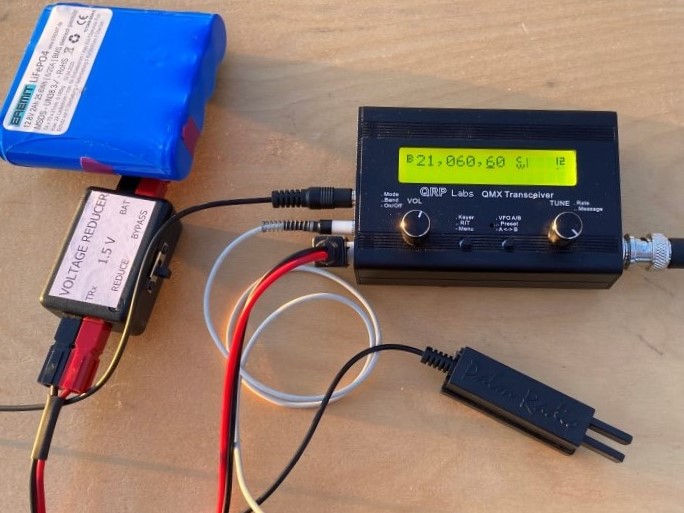
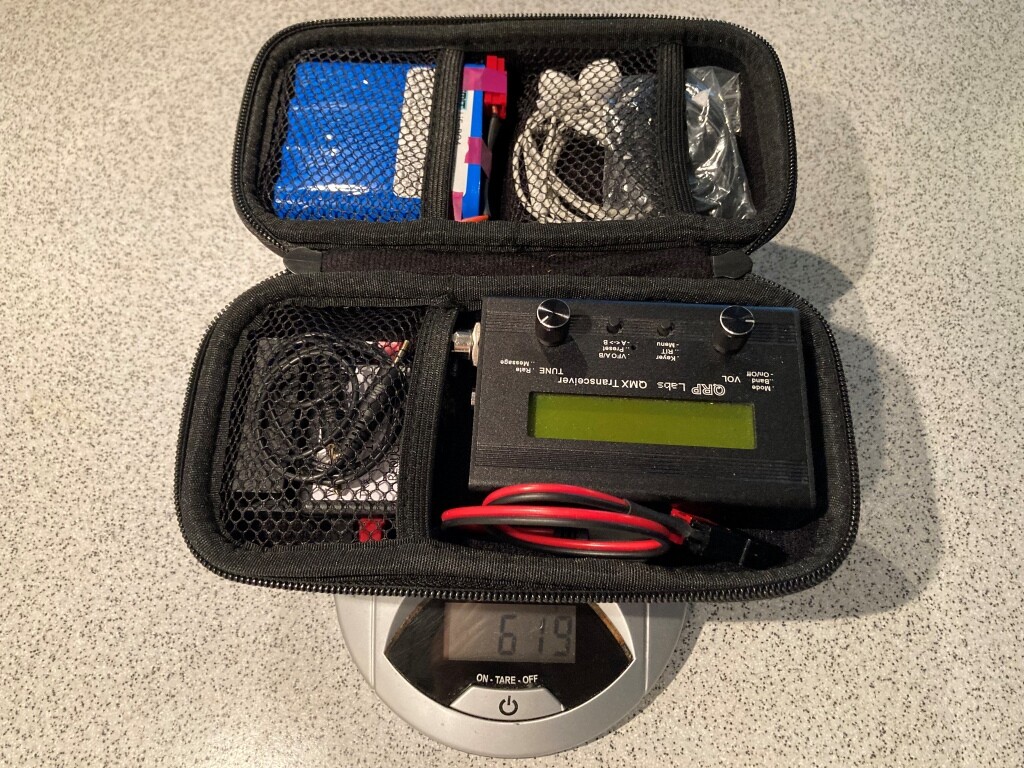
Equipment on one of my most recent activations on DM/BW-228:

Equipment packed in a small, protective bag, just above 600g

I was wondering if I should mention an observation I made just a week ago. This should not be taken as criticism of the QMX design under any circumstances! I would rather point out this phenomenon so that other users can respond appropriately.

During an activation of DM/BW-099 I was calling CQ on 15m CW and - after a few minutes - had severe QRM from a DF*** station, who appeared just 200 Hz below me. His signal was very loud.
Back home I looked up the details: DF*** participated in the RAC test. His QTH is line of sight from BW-099. This explained the strong signal.
The RBN, however, reported him on 21.0355 MHz at that time. That’s about 24 kHz below my frequency.

I did some reading in the QMX/QDX operating manual and found the following in chapter 8.6.3 (Image sweep):
[…] Like any superhet, this means that there is an image response on the other side of the IF
frequency. In this case, that means the image response is 24kHz down the band. […]
That was exactly what I had experienced during my activation.

Next, I took the QMX to the bench and fed a -73dBm signal (S9) into the antenna input. The signal could not only be heard at the actual frequency but was also audible about 24 kHz above. And it was still audible with reduced input level (down to about S5, where it will be less of an isue on a noisy band).

Again, that should not be taken as critisism. The radio is working great. Image reception is not new and it might well be that the behaviour of my device is due to my mistake during assembly (L401) or due to component tolerances.

For the time being, it’s good to know, so I can move away whenever a station is causing QRM but can’t hear me (because they are 24 kHz down the band :wink: )
For the future - if I could make a wish - it would be great to include a compensation routine in the firmware to further improve image rejection.

73, hny,
Roman
6 Likes

Hi Roman!

This is not normal behavior for QMX. I had a similar problem which I described on groups.io as well as the solution. Maybe it will help you.

Here is the link:

https://groups.io/g/QRPLabs/topic/109639794#msg133791

73, Ivan, 9A7AM

2 Likes

Well, I’ve made up my mind and just bought this new toy for SOTA and long walks.

Thanks a lot Ignacio, for this report and recommendation for a lightweight, high-performance rig. I hope you will accompany me on future Caminos!

73,

1 Like

Hi Colin - Perfect !! mic kit ordered :slight_smile:

Hi Ivan,

thanks for your feedback! Initially, I searched groups.io for “image rejection” but found only one other thread.
Now, with a bit more background, I’ll run some diagnostics as time permits. If nothing else helps, I’ll swap the PCM1804, even though I don’t like the idea much :wink:

Thanks again! 73 and hny,
Roman

1 Like

Hi everyone,

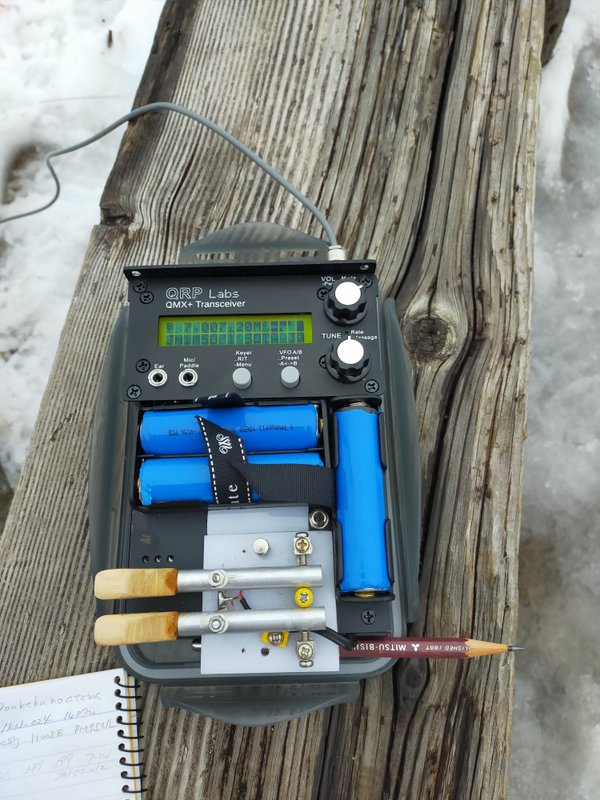
Yah, the QMX is really a lot of fun. I’ve been using a QMX+ for every SOTA activation. I rearranged with a top panel layout to make it easier to use in the field.

After hearing about the “2026 Challenge, I wonder if Hans might consider adding a QRPpp output option on the QMX for transverter use. I also have a UK-made TRV board that I haven’t really been able to make use of yet.

Tetsuya, JN1MSO

3 Likes