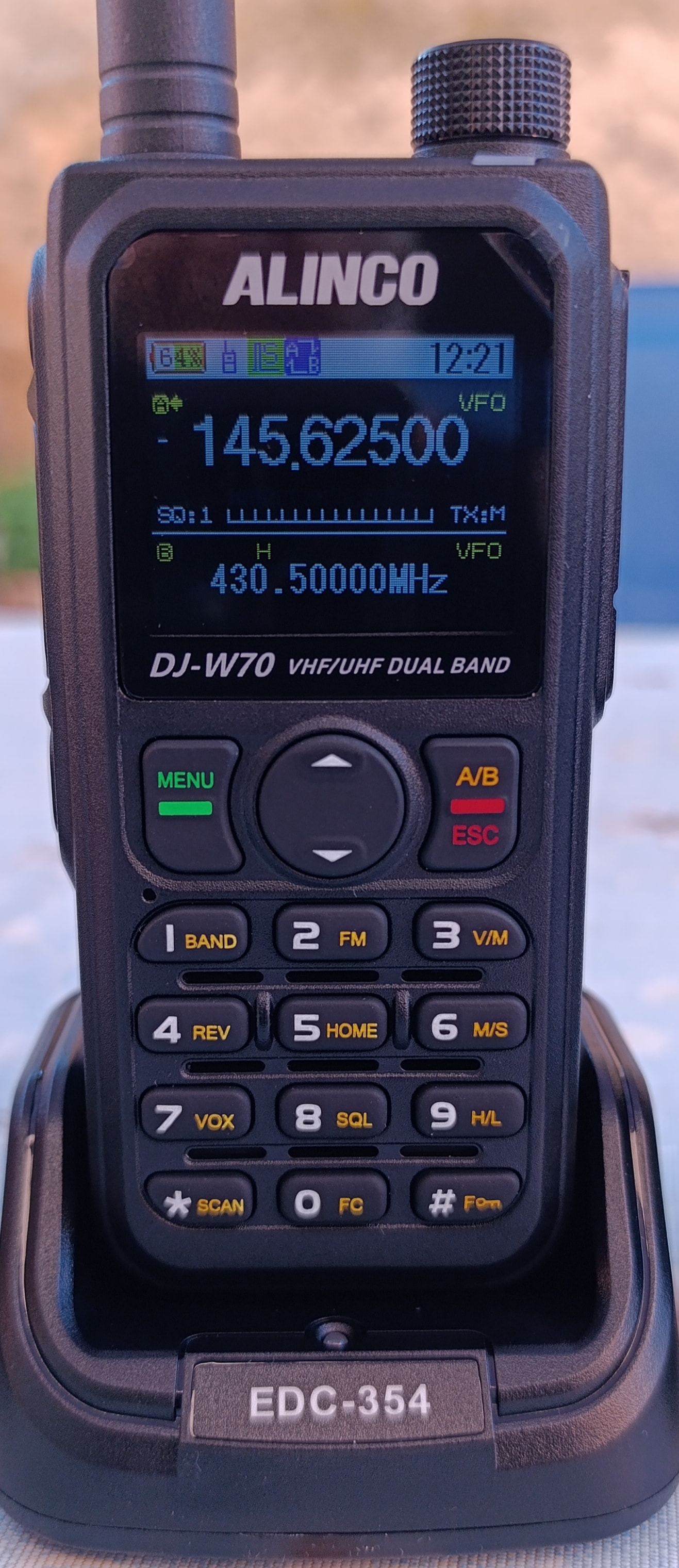
Alinco DJ-VX50 - like a ft-65 but has a knob to change frequency.
Boafeng uv-5r mini - USB-C charging, a PTT for each VFO and cheap but effective.
Used ft-60 - I just got one and quite like the feel of it. The battery that came with it was dead so I need to get a new one, I see people sell li-ion ones or I could print a case for 18650s and have usb-c charging with it..
I owned a ft-65 but didn’t like not having a dial to change frequency and the mic wasn’t that sensitive and so I’d have to shout (and still do), and sold it.
Each one has a SMA to BNC adapter, to use either a RH-770 or slim G on mast.
There is no simple, superhetorodyne handheld in production that does only fm on 2m/70cm. Strange that 20 years ago there were no menues and 16 buttons were enough for all settings without menus. Squelch was one potencionmeter and second was volume with on/off switch and click you can hear. There was also knob to change frequencies/channels.
I am testing larger battery for ft65. No tx, only rx on free channel. That is not real life test but enables me to compare batteries. After 20 hours there is one bar on battery icon. For one day trip two batteries are enough
Sensitive superhet front end.
Standard kenwood connector
Cheap (enough)
Cross band repeat
U/V duplex
All the basic stuff (repeater shift, CTCSS, 1750 tone, reverse, talkaround, etc)
For PC programming it uses a standard cable and is supported by CHIRP
The debate over BNC vs SMA is overblown. If you pay for a decent enough radio the SMA socket is usually screwed into the chassis. You are not going to rip that out unless you really try. If you REALLY want BNC, buy a flush mount BNC adaptor for £1 and never take it out.
The FT-65 is certainly a robust radio. One of the screws on the belt clip came off mine and the radio fell onto hard Scottish rock on the way up GM/SS-023. Cannot see a mark on the radio. The Retevis extra long whip bent slightly but it all seems to still work.
If you buy a NiMH one then buy a genuine Yaesu one. The Yaesu batteries last very well (in use and overall lifetime) whereas some “compatible” ones are total pish.
There are plenty of designs on eBay for FT-60 18650 or 21700 battery holders 3d printed. I’m sure you can do this your self. As the same battery fits the FT-60, VX-170 and FT-270 families there may be people on here who would be interested in such an item in exchange for malt-loaf or jelly babies or Haribo etc.
I bought an ICOM IC-T70 10 years ago and absolutely love it. Simple to use, rugged, good audio, very good RX. I always take it with me on SOTA activations. I don’t think it is manufactured anymore but it may be available 2nd hand. Receive coverage down to 400 MHz also allows for chasing WX balloons hi, and coverage up to 479 MHz allows to use it to receive VK/ZL UHF CB at 477 MHz, worked very well when we were down under hi.
Sage advice. When i got my FT-60 the battery was on its last legs. I tried one of those AA battery clip things and it just devours them quickly. Not FT-70 speed, but not far off.
I remember Andy saying to hunt a genuine Yaesu battery down so I got one from ML&S and it was worth paying a smidge more for a genuine battery for peace of mind.
Works like a champ. Now I need to see is there an 18650 mod for my Yaesu FT-202R…
Modified Quansheng is the cheapest and probably most common modern entry point for an all mode HT.
Other than that you’re probably looking at stuff like Mizuho (aka Jim) but they can cost a few quid on eBay etc. An FT-290R with a shoulder strap and the built-in whip is pushing the boundaries of an HT but worth a mention!
I can’t think of anything else. I don’t think there are any other modern HT’s that are 270 all mode? As mentioned, it boggles my mind how the big 3 don’t have one.
Hi Geoff, The closest to a VHF/UHF “handheld” that does all mode is the now no longer available Yaesu FT-817ND/818. Not really a Handheld, more a shoulder bag radio.
The Quansheng HTs that take one of several different FW modifications to be able to transmit DSB not SSB - but they are cheap.
Going the other way I modified, many, many years ago an ICOM IC-202 SSB Trx to also operate in NFM (but no CTCSS etc). Again, a shoulder bag radio, not an HT.
Multimode handhelds are a very interesting subject and might be worth a separate discussion. I, too, have wondered why no pocket-sized successors of, say, the FT-#90R (II) have come on the market.
Anyway, thanks for the input so far, even if I am now more confused than before.
Back to the subject of FM handhelds: I must confess that none of the FM handhelds mentioned above really appeal to me. I doubt whether I could ever get used to a menu-controlled radio, it’s bad enough having menus on web pages , and I have got litte to no use for all the extra features that seem to have caused the need for building “computers with a bit of radio hardware”, as @DL6GCA put it so aptly.
I’d happily use the TH-75 for another 30 years (or until I’m dead, whichever comes later ) if it weren’t so badly worn out (mechanically, and the lithium battery that supports the memory is now dead), and if spares were still available. They say that the modulation is a bit too wide for modern standards, maybe that is an argument against its continued use, after all, it is a product of the 1980s.
I guess that’s the long and short of it, I still wonder why. OK, the TH-75 has 20 buttons, not counting PTT, light and monitoring, but yes, all you need for everyday FM operation is there and even a bit more. Back to the pop culture references above, maybe there is need for a new David Copperfield?
Another important question if it turns out it has to be a programmable radio: Does the programming software work on a Linux PC?
I don’t know about linux. I use win10. I don’t like menus but this is life today. Adapt.
FT65 is good enough. And it is cheap. Buy it, try and if you don’t like it sell. Your loss would be 20 or 30 euros. Do not use vfo mode, program memories. Then forget about menus for 95% of use
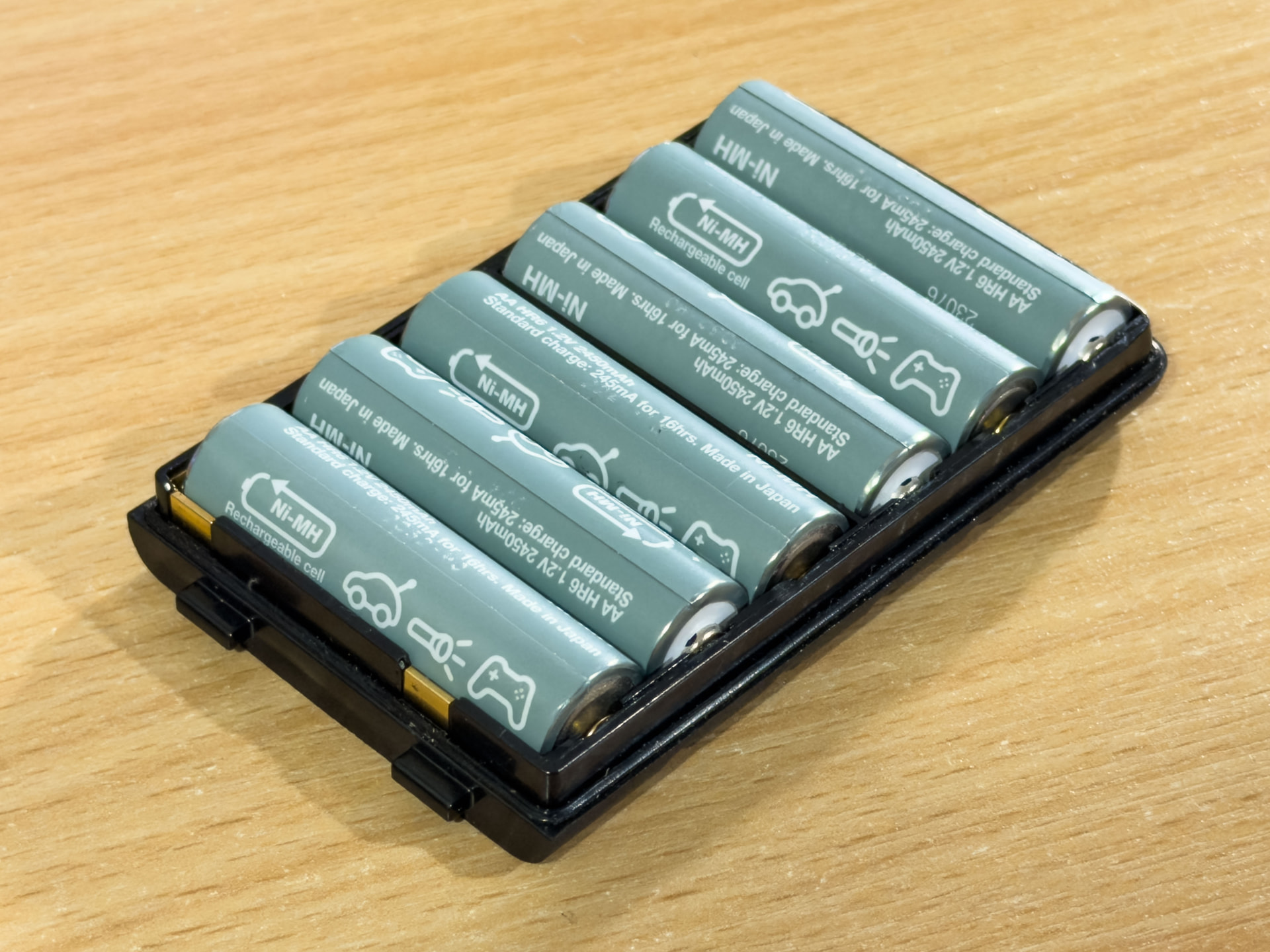
I’ve got the same one for my FT-270 - I went for the AA clip and found the same thing in terms of getting through alkaline AA cells at a hell of a rate. What did however work really well (with small caveat) was using good quality NiMH rechargeable AAs. Being a photographer, I already had a whole bunch of Eneloop/Fujitsu/Ikea (they’re all made in the same factory) high quality 2450 mAh AAs and a couple of chargers, and those last much better than even the proper Yaesu batteries.
The small caveat is that good quality NiMH batteries tend to be juuuuust a wee tiny fraction wider than AA cells, so they can be a bit of a squeeze to get into the AA holder as normal. What I found worked a treat was just to put each battery into the holder with the wee seam facing up the way, that just helps everything fit in a wee shade more easily.
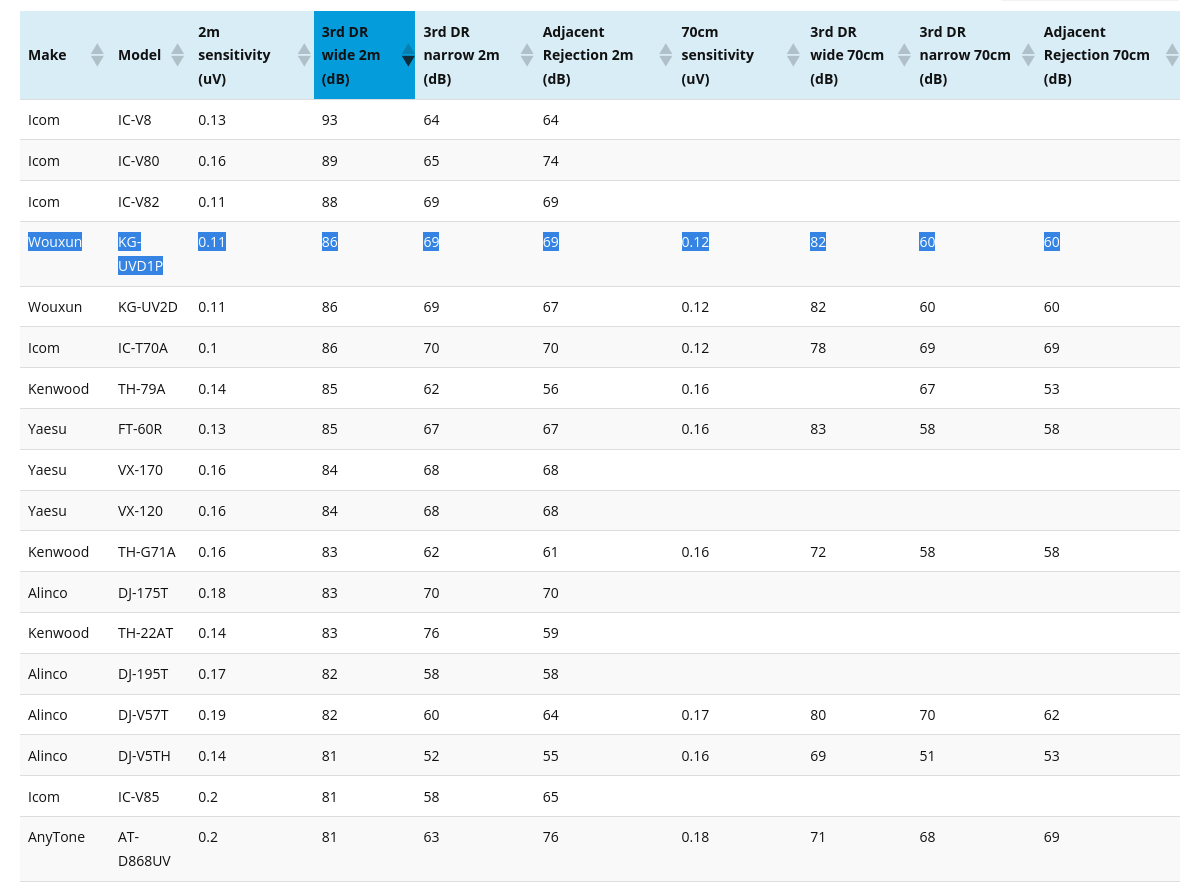
I really suggest you look at the wouxuns. It can be programmed using chirp on linux, superhet, spare batteries are plentiful and cheap (NOBODY uses AA battery boxes anymore), and it has a very simple menu system suitable for fussy operators and beginners.