G4YSS: PA/PA-006 Signaal Imbosch (Solo) on 24-09-25
Issue-1 pse rprt errors
Activation of SIGNAAL IMBOSCH PA/PA-006 - 1 point
24th September 2025 (also activated on 22nd Sept)
Bands:15m & 30m-CW QRO, 20m-SSB QRO & 2m-FM QRP
All times: CET (UTC plus 2hr, UOS as ‘z’)
EQUIPMENT:
FT817ND HF/VHF/UHF 5W Transceiver
MX-P50M, 50 Watt HF Linear Amplifier
Link dipole for 40m & 20m (30m & 15m) on a 5m CFC mast
HRB 11.1V/ 5 Ah Li-Po (No8) battery (part discharged)
UV-3R H/H. 2-Band, 2W-FM & J-Pole backup for 2m FM
Garmin GEKO-301 GPS
Folding chair (800gm)
Pack weight:10kg (22 pounds) approx
INTRODUCTION:
I found myself venturing out from the Bilderberg Hotel in Oosterbeek for the second time this week to activate PA6. On the 22nd Sept Hans PA0HRM and I put the summit on HF. (See G4YSS: PA6 22-09-25/39139 report). Due to the Achilles break in April, that was my first activation of 2025. It was a great success and very enjoyable but after finishing the report I thought I’d like some more of the same on the last full day of the holiday.
On the walk out, I’d asked Hans for his opinion on the possibility of VHF. He seemed to think I might be able to log a QSO or two on 2m-FM. ‘After all, it is the highest point around.’ However when I looked it up on the database I was shocked to find that, in over 2,000 QSO’s there have just been three above 30 MHz and those were all on 2m. This needed to change even if it were by just one QSO. I think I may have tried 2m-FM in the past without success and I seem to remember airing 4m-SSB, also without result.
I had the idea to take the FT1500 50W 2m-FM rig out of the car but at the last minute I chickened out, mostly on the grounds of weight but also time – the XYL hadn’t left me too much of that. With a VHF record like PA6’s I would need to take HF as insurance anyway but the FT817ND and 5W would now have to suffice for 2m.
EXECUTION and ROUTE:
I set the satnav for Rheden again but instead of going to Hans’ house as before, I passed his road end and drove up to the cafe car park at N52.02921 E6.02426, which is about 2.5 km to the east of the summit. The drive from Oosterbeek was frustrating – it seemed like every traffic light was on red. It took 40 minutes; my mistake was going through Arnhem again!
I made a note to return another way; a parallel route to the north for which I had a via point. It would force the satnav to see it my way. I massively rely on that thing with all my personalised waypoints, especially abroad. It’s a good slave but a hard master!
A case in point: After leaving the ferry en route from Rotterdam to Arnhem on the 17th and just before a critical turn-off my XYL accidentally cut the power to it while plugging in her phone. It was quickly back on but I turned too early and we went round in circles for an hour due to closed roads which it insisted we used. We even ended on the slip road of a deserted dual carriageway with three inches of the surface removed. I stopped and stared, head in hands and close to tears of frustration. We were ‘rescued’ by a construction worker with an orange safety helmet. Evidently he’d seen us or had been alerted by several of his puzzled looking co-workers with shovels who we’d just driven past. He’d jumped in his car and got to us just in time, politely turning us around. However we went on to pass his closed road sign, in Dutch of course, another three times. Eventually Denise spotted a sign for Arnhem and thankfully the nightmare ended. Anyway I digress (as usual!)
I set off walking at 14:48 following the route shown below which I have left in for the sake of completeness. It took me 31 minutes but I overshot by more than100m and had to backtrack. This time there was no Hans to remind me to turn right. He’ll have a laugh at that if he reads this.
Route (again):
The path to PA6 starts near the café at the NW end of the car park at N52.02931 E6.02232. Further waypoints are: N52.03124 E6.01974 and N52.03320 E6.01856 which brings you to the old parking place of 2022 (no longer permitted) at N52.03479 E6.01497. You can use the road or alternatively the cycle track (beware) to cover this first section. I used the road initially and cars are supposed to be banned but you still see one or two. You can divert onto the parallel cycle track at several points.
After this you turn right at N52.03516 E6.01324, keeping left at N52.03607 E6.01338 to go via N52.03509 E6.00859 and N52.03572 E6.00439. Just after you reach a point along the sandy path at N52.03719 E5.99838 (my usual operating position) there’s a sign and a short path off to the right to take you up to the summit proper at N52.03825 E5.99877 (110m ASL). The route features some minor re-ascent and areas of deep sand.
SIGNAAL IMBOSCH, PA/PA-006, 110m, 1pt. 15:19 to 17:29. 15C, < 3mph wind and sunny. LOC: JO22XA. Good phone coverage (EE).
Setting Up:
The summit proper is where Hans operates from and it’s where I decided to set up today. It’s hard to get an 80m dipole between the trees but now that mine is cut down to 40m, it was much easier to deploy there. The end sticks were not needed; two trees were at convenient locations to take the end strings.
21.061 CW - 4 QSO’s:
I dismissed the thought of doing 2m-FM first in favour of 21 MHz in case the latter closed. In fact a scan up and down the band didn’t reveal much which made me think I might not bother but I’m glad I did.
A self spot brought in SV2OXS Christos in Kateriini 559/ 439. He must be keen and attentive as he was sending his call before I could even pick up the key. I worked him last time and he was straight onto me again now. Great chasing! A second Greek station followed in the form of SV3IEG Dinos – QTH Patra 579/ 559. After several CQ’s I heard weakly W4GO in QSB. After sending 559 a few times, I got a reply of 419 from Matthew in Midland, Virginia. DX at last! I’d worked none from here 2-days prior.
After a short interval a loud signal followed from KF9D. I banged off 579 but after a few tries it became evident that he wasn’t hearing me too well. In the end he sent 329 and all was well. This was Roger in Algonquin (IL). Further CQ’s yielded nothing. Power was 50W to the dipole configured for 40m. VSWR was around 2:1 but I don’t fuss much if it’s below 3:1. Time to QSY.
Presently I had a visitor. He thought I was reporting the weather and although I showed him the log, he didn’t seem to understand my explanation of the reality or was it the Yorkshire accent? There was no path but he headed off north hoping to see some wild life.
As well as ‘73’ a number of stations sent ‘44’ at the end of the QSO. Despite forgetting what this means, I sent the same back.
10.116 CW - 16 QSO’s:
I haven’t tried 30m for a long time. Some people swear by it and I must admit I found out why today. The SOTA ‘calling channel’ of 10.118 was busy but a self spot quickly produced a mini pileup as follows:
DL1DVE Johann - Grossroehsdorf; F8DGF Nic in Stoenies de Malgoires; DL7UJM Jurg - Schwanebeck; EI6FR Declan in Offaly; ON7DQ/P Luc doing POTA; DL8DXL Fred in Laussnitz; HB9CBR Bruno – Meikirch and DL2DXA Bernd in Dresden. Matters calmed down after that but not entirely.
Continuing on: F8FKK Claude in Montmeyran; G4OBK Phil in Pickering N.Yorks; HB9CUE Hans - Wiedlisbach; M0BKV Damian in Week St. Mary; DK4YU Konni - Moosburg; S52FT Bostjan in Nr.Celje; G4FKA Geoff – Coalpit Heath and DL3JPN Steffan in Oberlungwitz. Bernd and Steffan were immediately recognisable as CW chasers of very long standing. Great to Work G4OBK - Phil near my home town of Scarborough.
G4OBK:
When we met days later at the radio club, Phil’s first words were, ‘Thanks for the QSO.’ Phil has recently been busy at Scarborough Amateur Radio Society. First he oversaw the organisation of our Lighthouse Weekend and shortly after that SSB HF-NFD. In the later SARS were placed 5th out of 29 clubs. It was an overnight event but a gust of wind blew the club’s brand-new gazebo into a nearby lake and broke it, costing Phil £32 for a new leg!
Apart from two 579’s, reports going out were 599. Coming back: 579 to 599 with a couple of 559’s. The band was propagating very well. A battery-saving 30W was set for this session with the antenna made asymmetric (just one of the 20m links opened). Many people love this band. Now re-acquainted, I do too!
14.270 SSB - 16 QSO’s:
Time to give voice a chance. With power back up to 50 Watts and a quick self spot, this turned out to be another lively session lasting just over 20 minutes.
Logged on 20m-SSB:
EA1DHB Ricardo - QTH Burgos; EA3EVL Pablo - Tarragona; 3Z9VI Tomasz in Wadowice; IZ0IJC Roby - Latina; EA7GV Jose in Ogijares (Granada); GI0BFD Alwyn at Enniskillen; OM6AN Dan - Kysucky; OE5WHR Helmut in Linz and SA7EMP/P Magnus ‘on the West coast.’
Without a break:
OM5JJ Jozef - Nitra; SV3IEG Dimos; EA6/M0DLL - Dave chasing SOTA from Menorca once again; IK8NSR Davide in Termoli; SP9EE Luki – Leszczyny, Czerwionka and SP9XG Maciej in Gliwice. The final HF contact was with EA2/HB9DGE/P Peter S2S EA2/NV-118. Thank you!
All reports sent out were 59 except two. OE5WHR was 44 both ways and the S2S 55/ 44. Six stations sent 59 with the remainder 55 to 57 excepting the above.
145.400 FM – 1 QSO:
2m was planned as a 50W activation and one that would receive some priority in a bid to boost PA6’s dire VHF record of three QSO’s. Firstly having packed the HF gear, the FT1500 was two heavy to add and secondly, far from having priority, this session came last with almost no time to spare. An XYL ‘incident’ had to be avoided; I stated I’d be back by 18:30 and HF had overrun due to my slow QSO rate. I never improve much but at least I haven’t got worse..
Furthermore, I hadn’t brought either of my 2m Yagis to the Netherlands and they tell me that it’s the antenna that counts. Hobson’s choice was the FT817ND with 5 Watts to the J-Pole up at about 5m; the BNC barely reaching the front connection of the 817 which had to be placed on the rucksack to raise it a little.
In hope rather than expectation I self spotted for 145.500-FM, waited until it came up on Sotawatch, called CQ and waited. After a few more CQ’s I was still waiting so I put the mic down with a view to packing up. Just as I thought – nothing on VHF not even with the squelch off!
I got up to take the mast down but then, ‘Are you still there John?’ followed by a callsign that sounded familiar. What’s more he was FSD on the meter! I soon twigged that Hans was calling me. No not my fellow PA SOTA op PA0HRM Hans, who is a CW only op. This was another Hans who I’d worked from the hotel car park earlier in the week. It was PA0SWW who lives at the top of a 13-floor block of flats in Arnhem. Great QTH for ham radio and a booming signal – 59 both ways.
In the first QSO we’d lamented about the fact that 2m was pretty well dead in both countries; well at least where our respective dwelling places were concerned. This time I explained what I was doing and my current location but Hans knew, replying that he’d been there many times. I told him what bands I’d been on and some of what I’d worked. He seemed to know where I’d walked from before I told him as he mentioned the cafe.
Switching on the UV-3R Handheld I found that Hans was coming in about 57 so I stood up and worked him with that. My 2W and rubber duck got me a readability 3. With trees for miles around, that we could make contact at all this way was perhaps surprising.
Looking back I was quite excited by this minor miracle of a 2m QSO and I talked far too fast but Hans seemed to get the gist of it. Of course I was grateful his English is so good. There had been some great QSO’s in the day but despite this being a sub-10km contact it was something of a highlight. PA6 on 2m-FM in the log. I could now leave a happy man.
Visitors:
Having taken the station down and just as I was strapping the mast onto the rucksack, a young couple approached looking somewhat puzzled. I clearly heard the words ‘Signaal Imbosch’ (the name for PA6 that ‘normal people’ use) then they stopped 6 feet from me. He was looking down at his phone and saying, ‘It should be here’ but she was looking just as puzzled.
It was then that I realised that the eagerly sought marker stone was directly under my rucksack and moving it I asked, ‘Is this what you’re looking for?’ Of course there was relief followed by hilarity. Instantly we were friends. Holding my hand out for their camera, I took a photo of them with the stone in the middle. I regret not getting one myself to add on here.
On seeing the rucksack loaded with odd looking equipment they asked the inevitable question. I couldn’t tell if they were most impressed with the furthest QSO - Illinois or my closest contact - Arnhem.
The Descent:
With evening meal was set for 18:30, this was a race against time. Caution to the wind and walking as quickly as the injury would allow, I made the car park in 27 minutes by 17:56. After a brief conversation with the man I’d met earlier at the summit; the one who’d been seeking out wildlife, I set off with the all important via point in the machine and was back to the hotel in half an hour - this time with my sanity intact.
ASCENT & DISTANCE:
Ascent 32m (105ft) / Distance 2 x 2.5km (3.1 miles in total)
(Start point approx 94m ASL but dipping to 86m on the way)
Walking times:
Ascent: 31 min
Descent: 27 min
Summit time: 2hrs-10 min
QSO’s:
4 on 15m-CW
16 on 30m-CW
16 on 20m SSB
1 on 2m-FM
Total: 37
COMMENTS:
30m-CW and 20m-SSB provided the vast majority of contacts with 15m-CW contributing four QSO’s; three more than last time. 15m also provided some DX contacts (best DX Illinois) and also Virginia, which was absent from the previous activation.
For years I’ve wanted to try some VHF QSO’s from there so it was great getting PA0SWW in the log. This one QSO increases PA6’s VHF record by 33%! In the 10 years it’s been a SOTA, it’s hard to imagine why the VHF total should be so low for this summit. Maybe I can try to get some more 2m contacts if we go next year - all being well?
The 40 & 20m dipole earned its keep from the radio viewpoint but also for the reduced weight and because it fitted into the available space on a wooded summit. Trees on summits are rarely seen in the UK but they do provide a bit of shelter, at least from the wind or a quick shower; not that it was needed on this occasion. The tree density is fairly low and there’s not too much undergrowth to snag wires on.
After success in 2024 and previous, there was no 160m operation this year. An 80m dipole is needed for that plus the coils. Neither did I stay after dark; almost essential for Top Band.
If anything, self spots worked quicker than for the first activation when I set up beside the path a few metres down from the summit. Last time it was noted that the RBN network never picked me up. In fact my son told me afterwards that it did but for some reason it didn’t get reported through to Sotawatch. The system had worked for Hans so I must have a wrong setting somewhere. This time I couldn’t complain anyway as I didn’t have time to put alerts on.
Phil also reminded me of a long-forgotten fact that every time I use the SMS spotting facility, Andy MM0FMF gets charged a few pennies. That could mount up. Thanks Andy but apologies. Old habits die hard so I must remember to use the newer app for spotting in future.
Thankfully after more than 5 months of recovery, my Achilles tendon held up for two activations and the weather was excellent too. There is still three weeks of the rehabilitation period outstanding but I was discharged from physio after returning home. They were satisfied. .
After minor disappointment when I found that its frame was attracted by magnet, the new ten-quid miniature folding chair was an absolute marvel and it only weights 800gm. I should think lighter ones are available but they probably cost a fortune. This is a baby version of the chairs you see in camping shops with criss-cross legs except that it doesn’t have arm rests. It deploys instantly, is comfortable even for a long activation and can easily fasten to the back of the rucksack. It’s probably aimed at children but I’ve rarely had such luxury on a SOTA.
PA6’s AZ must be very large indeed but not going to the summit proper would spoil the fun.
Other Information:
Overnight P&O ferry Hull to Rotterdam:
Approx £500 return (2-persons, car and a cabin). 11.25-hour smooth crossings.
Hotel Bilderberg (Oosterbeek):
1,502 Euros (£1,307) B&B for 2-persons/ 8 nights. Typical 2-course evening meal - 38 Euros pp.
Total Driving Distance 16th to 25th Sept:
445 miles – in XYL’s Suzuki S-Cross 1.4 ltr/ 129 bhp mild hybrid. One tank of petrol and 52 mpg.
Scarborough to Hull - 50 miles via coast road (1.3 hours). Rotterdam to Arnhem (Oosterbeek) via A15 - 85 miles (1.8 hours). Sca to Arnhem one-way is therefore 135 miles (216 km).
THANKS:
To ALL STATIONS worked and the SOTA spotting service. Many thanks to Hans PA0HRM for the route, his company on the first activation and to Hans PA0SWW for the all important 2m QSO.
73, John PA/G4YSS/P
Photos: 1-3-4-5-6-7-8-10-11-13-15-17-18-19-20-558p-23-24-28
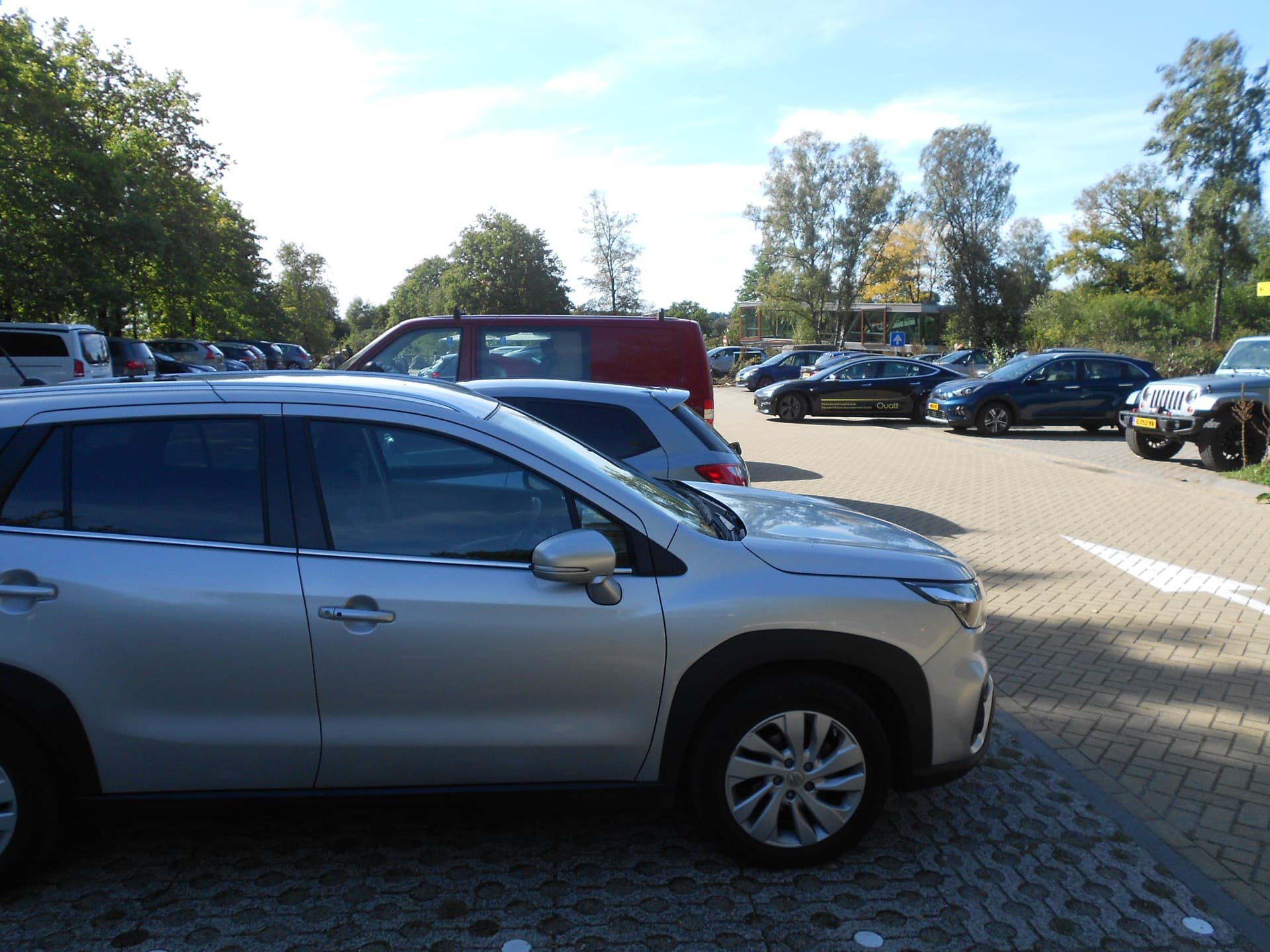
Above: Cafe car park
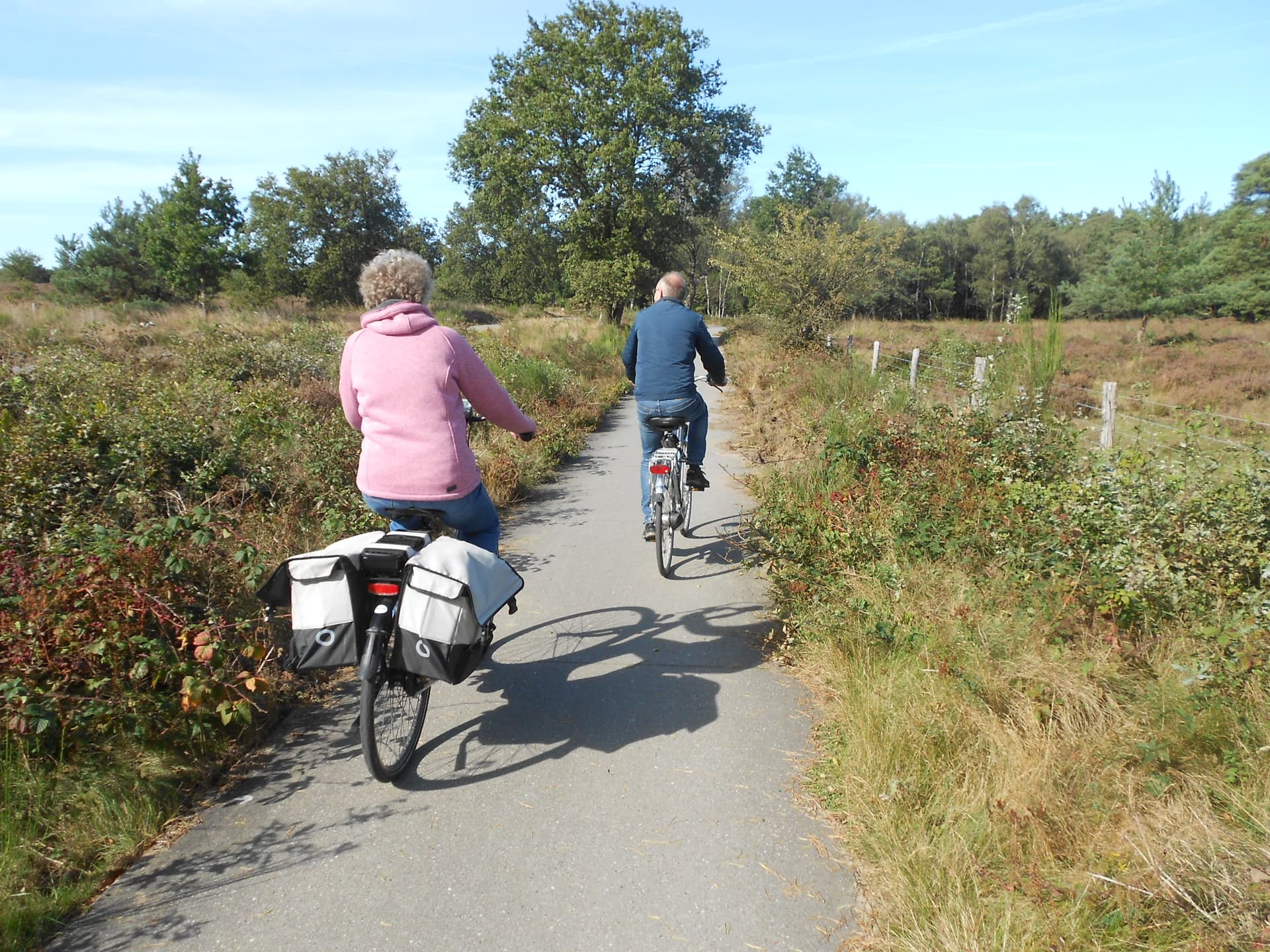
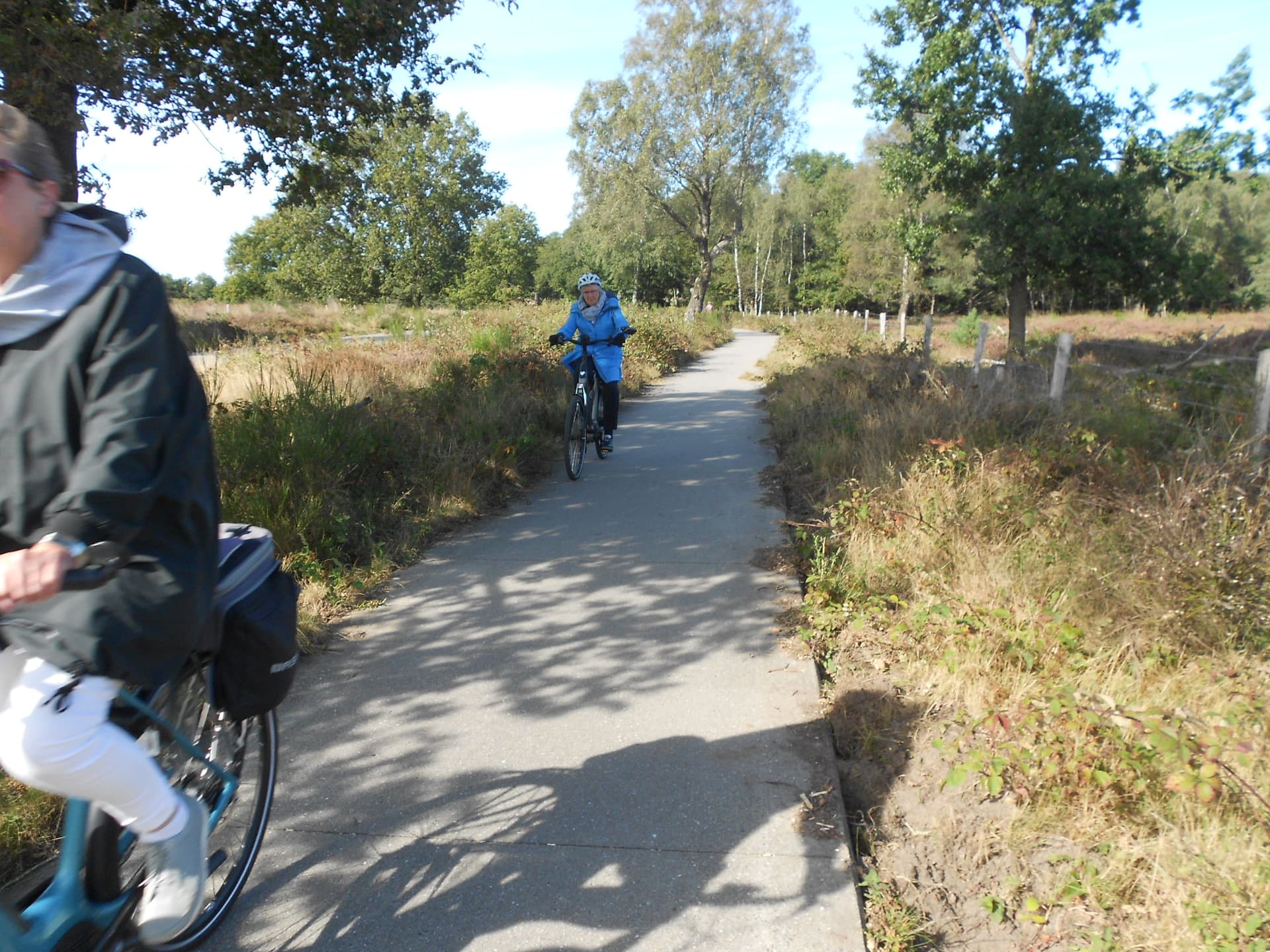
Above: The cycle track
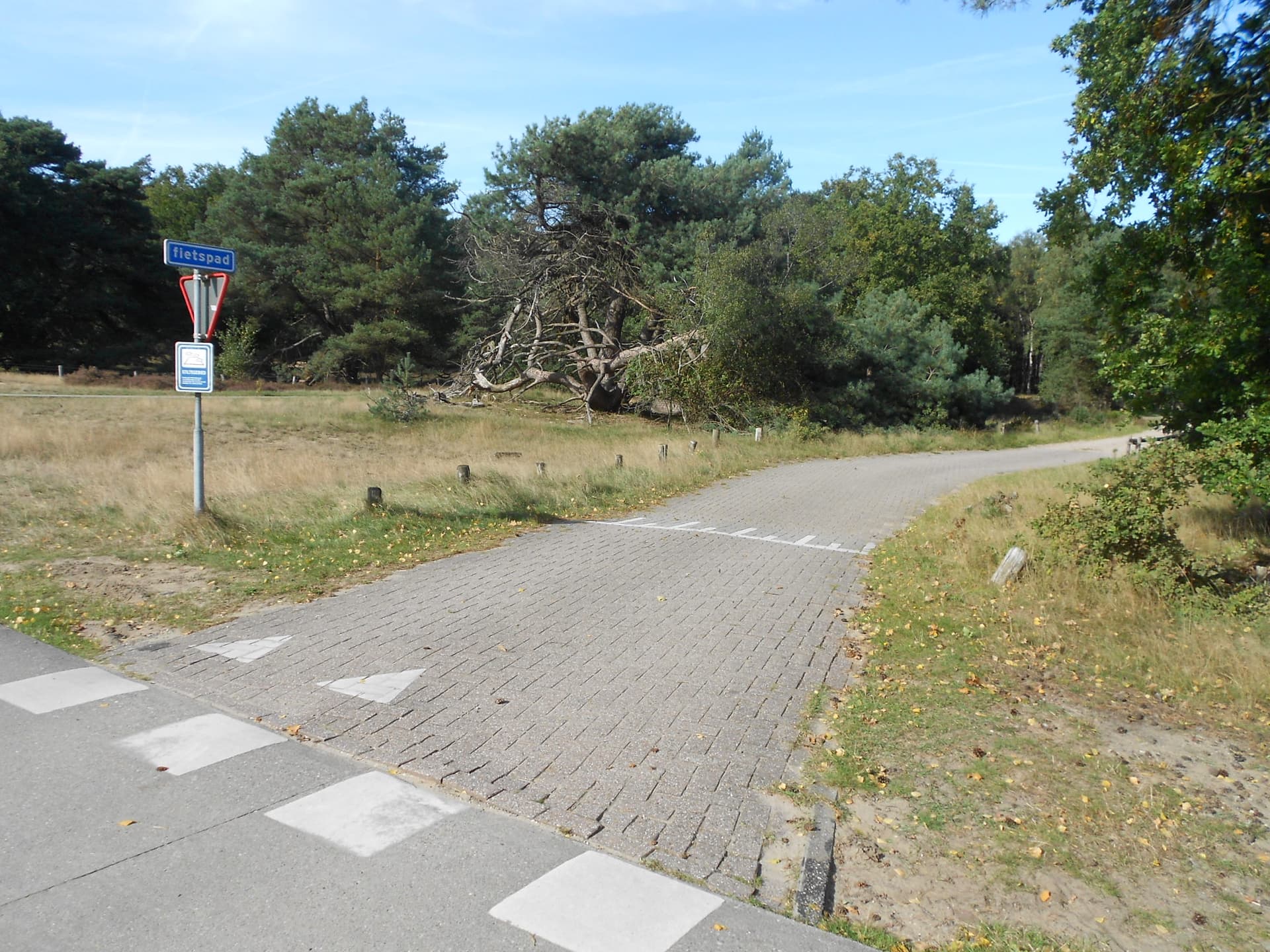
Above: Turn right here
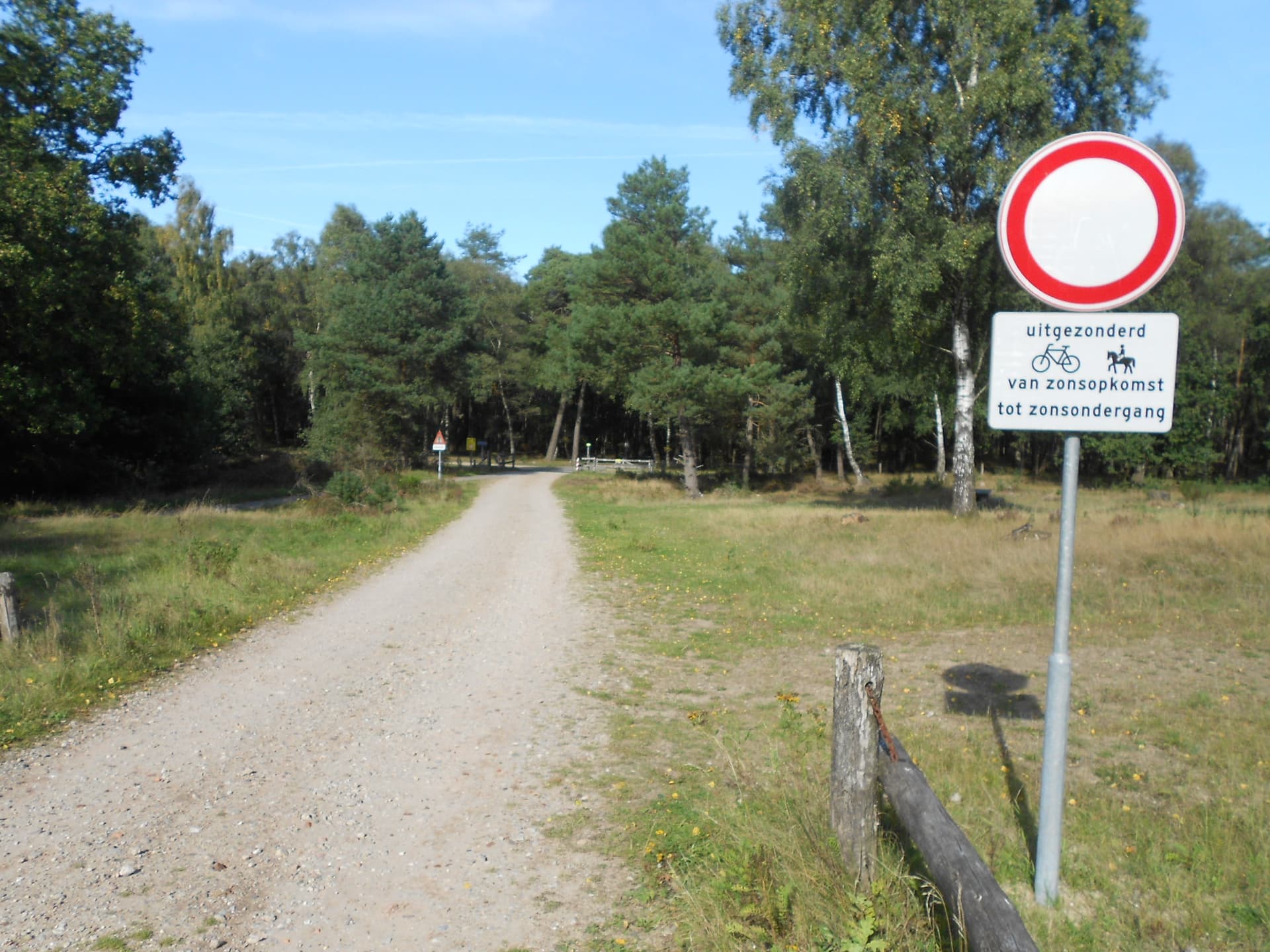
Above: Go down to the end, over the cattle grid and turn sharp left
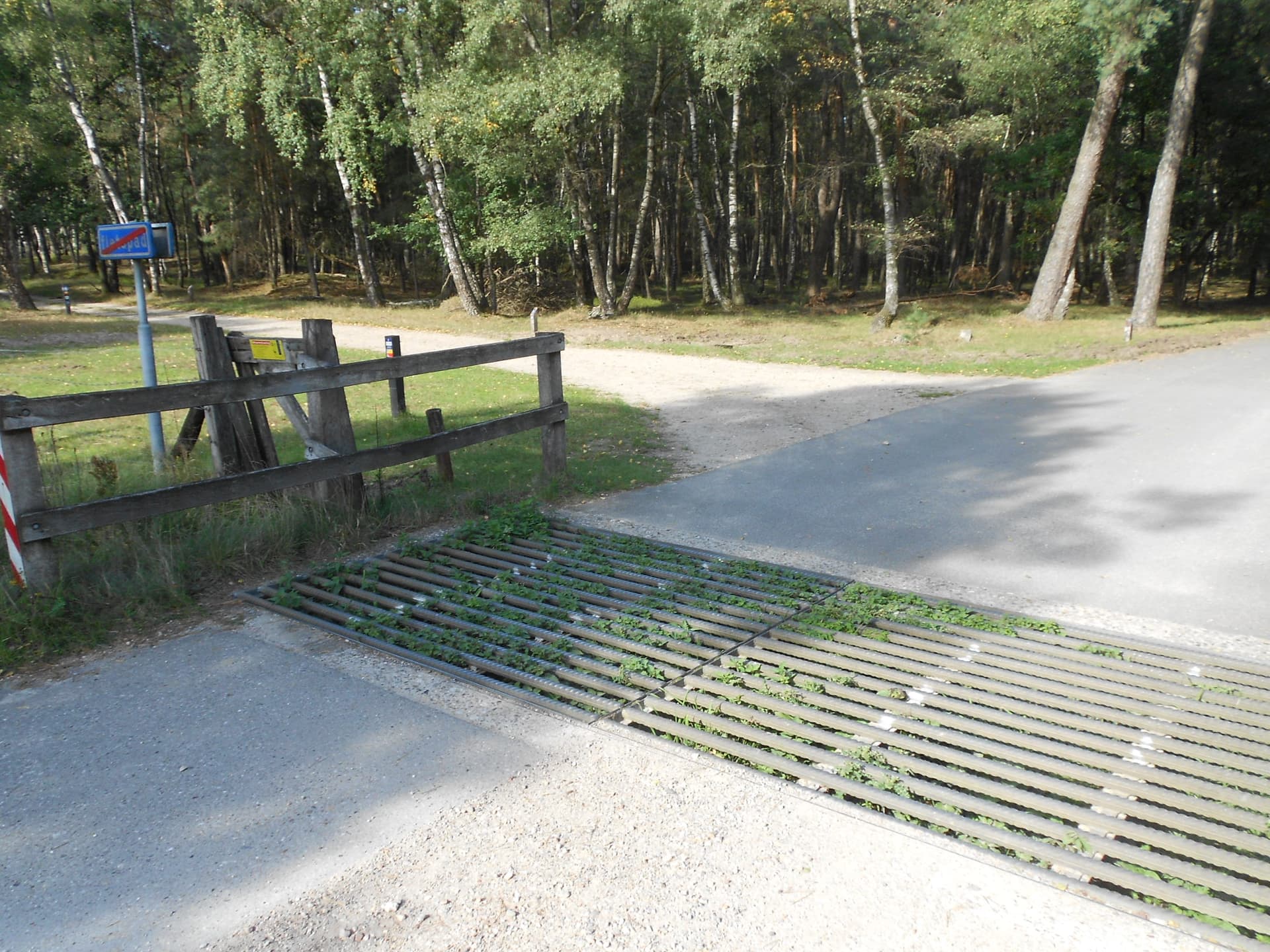
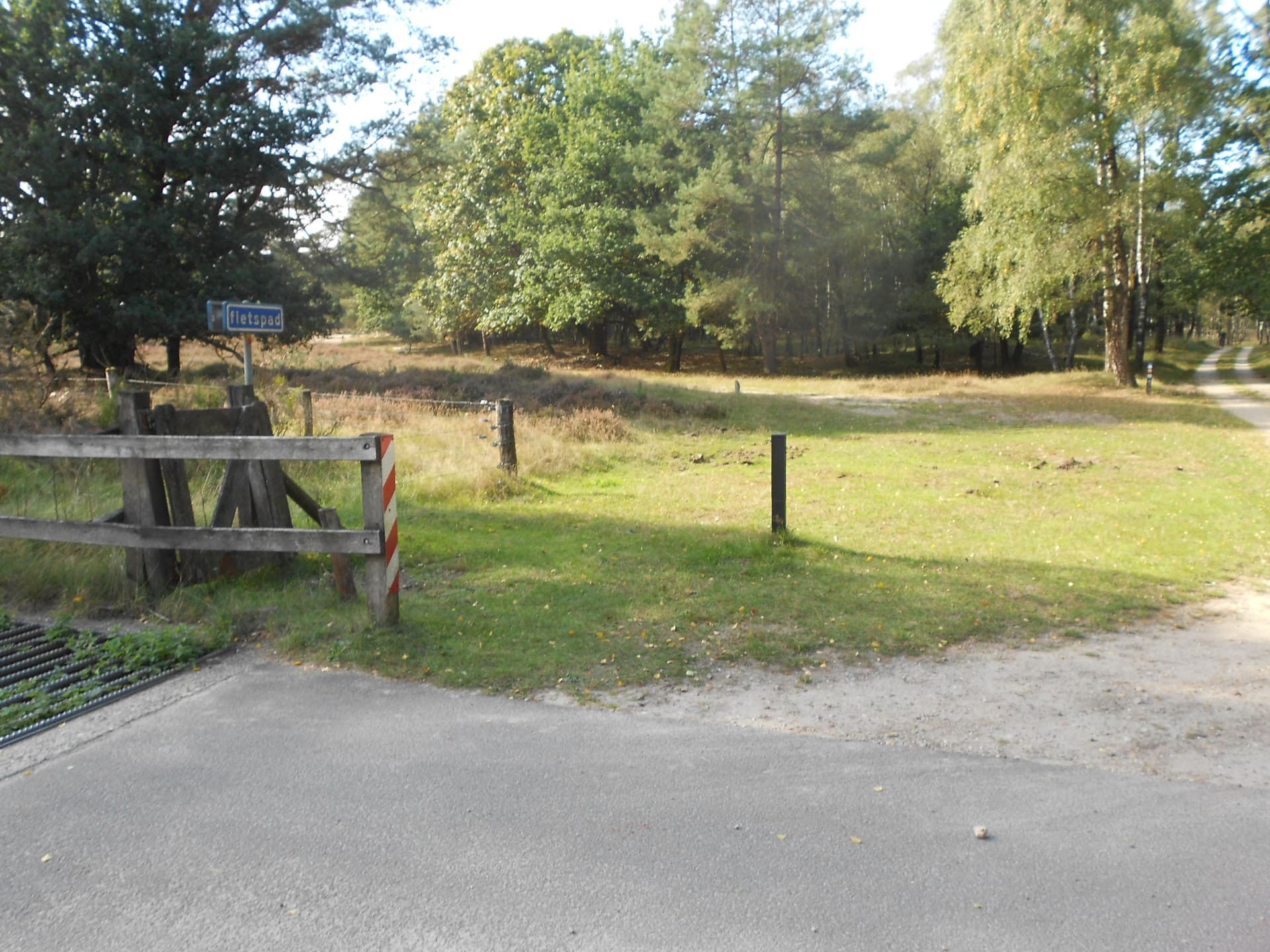
Above: Don’t follow the vehicle track on the right; take the sandy path which bears left from centre of photo.
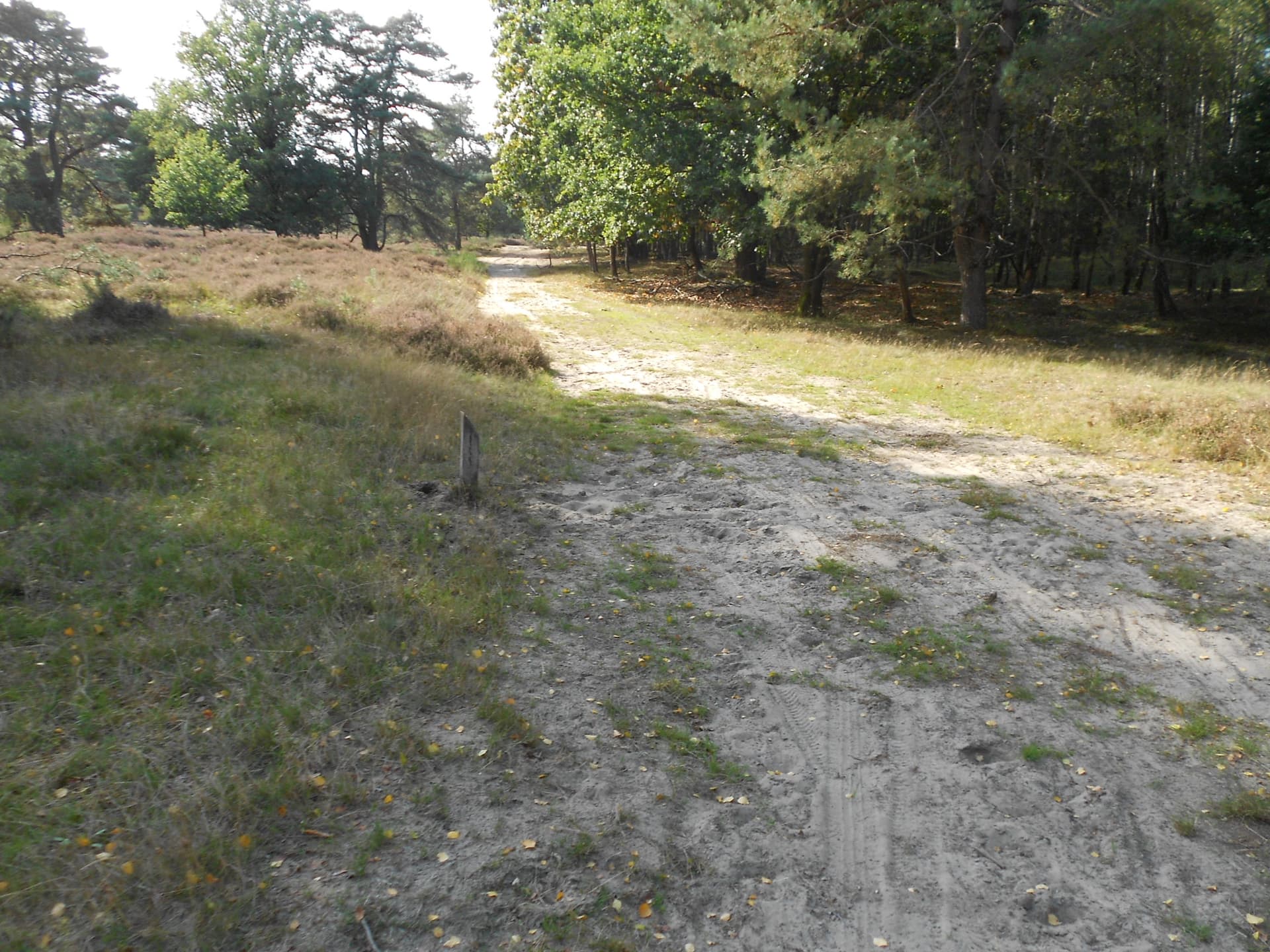
Above: Follow the path. The sand gets deeper further on but it takes you almost to the summit
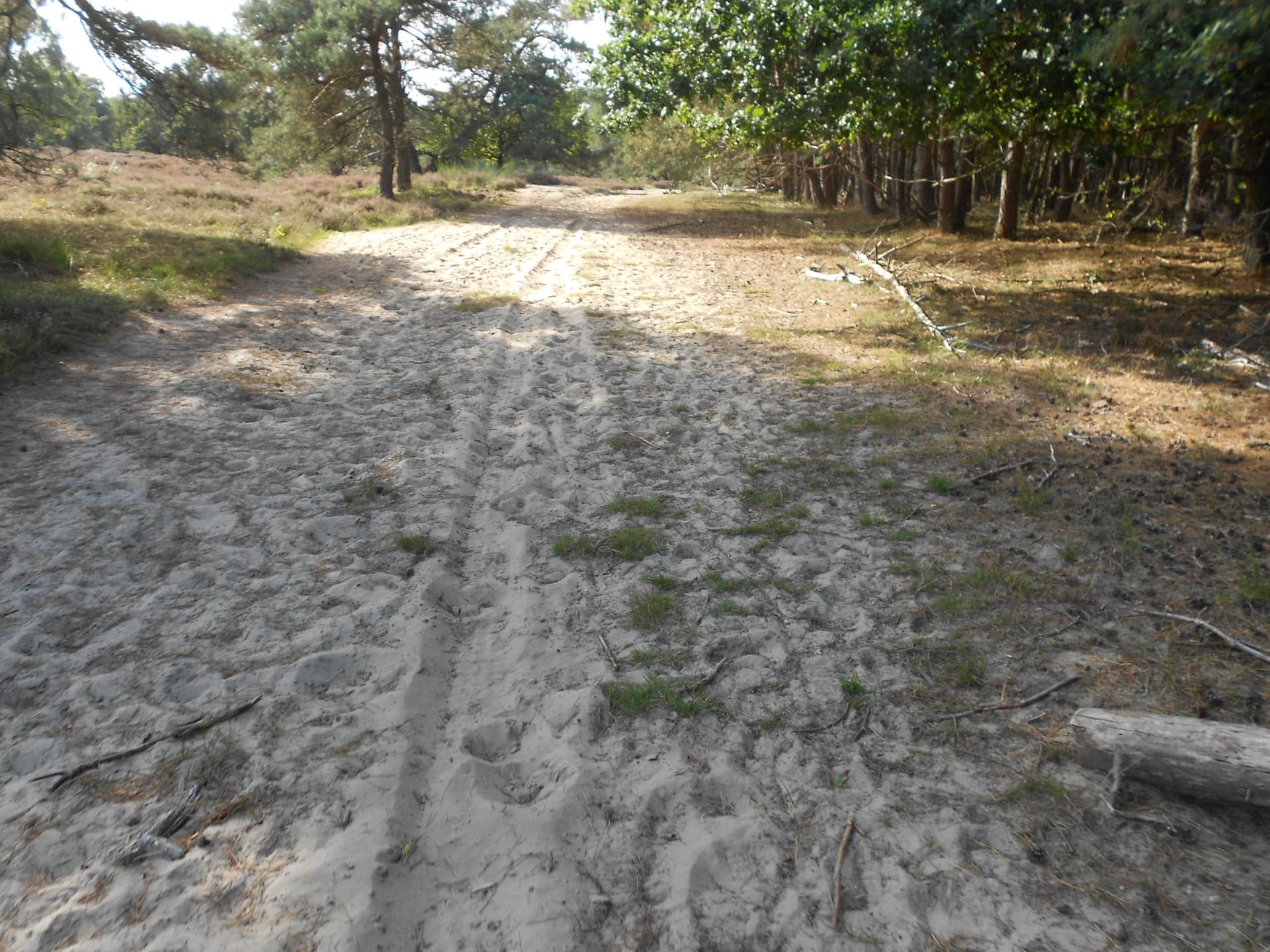
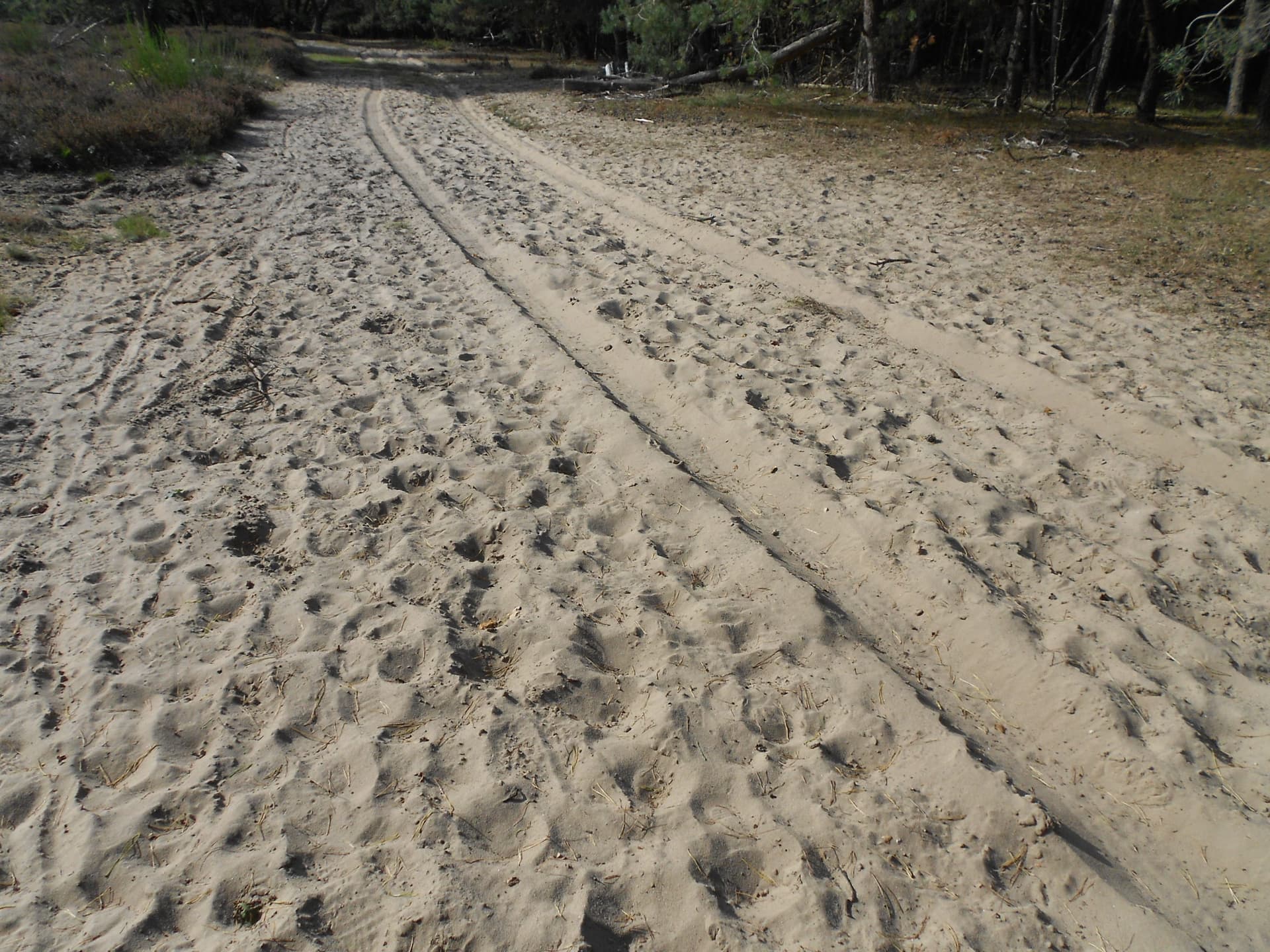
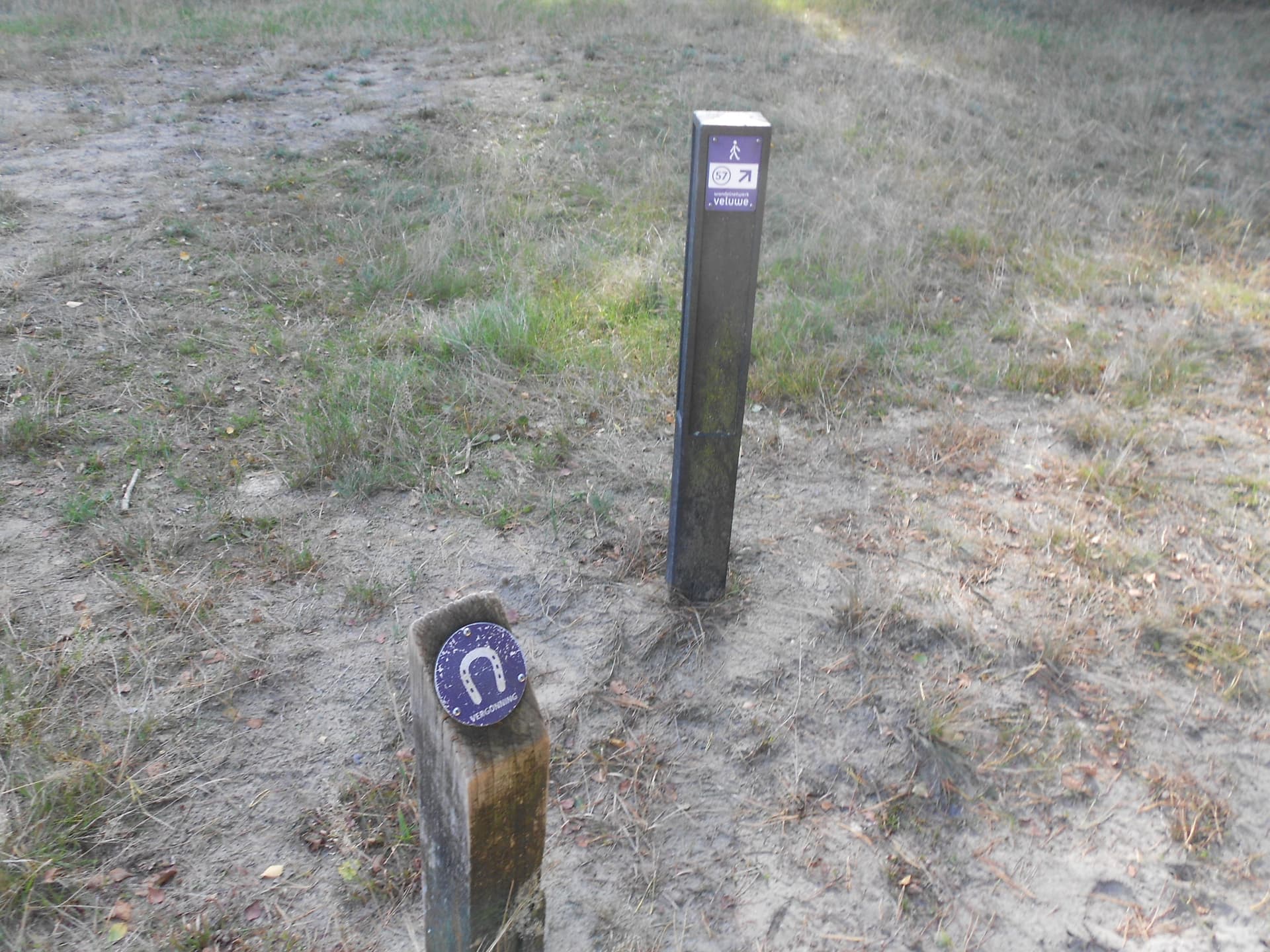
Above: Marker posts along the way
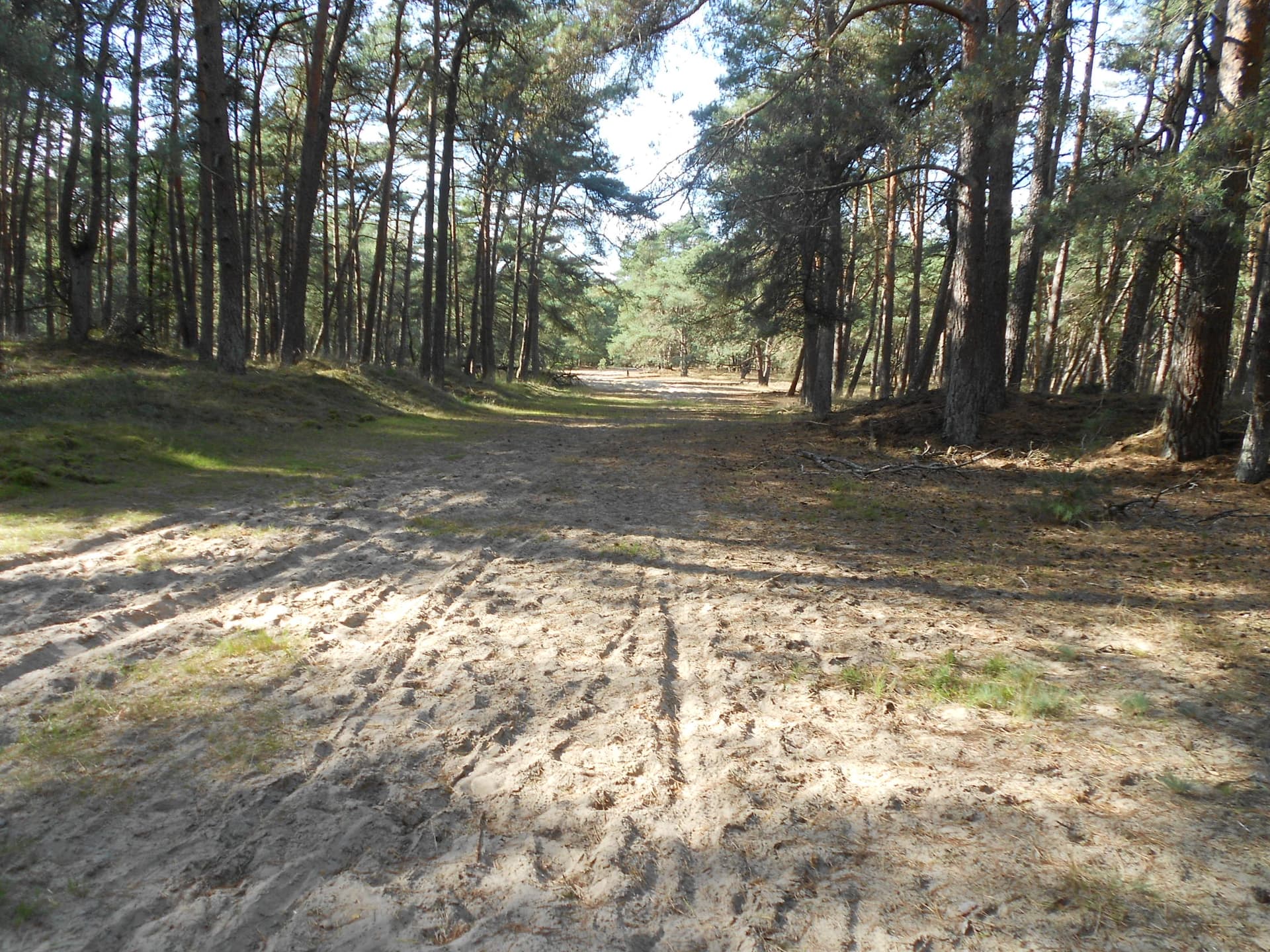
Above: The path is more than wide enough to set up if you don’t want to activate from the summit proper
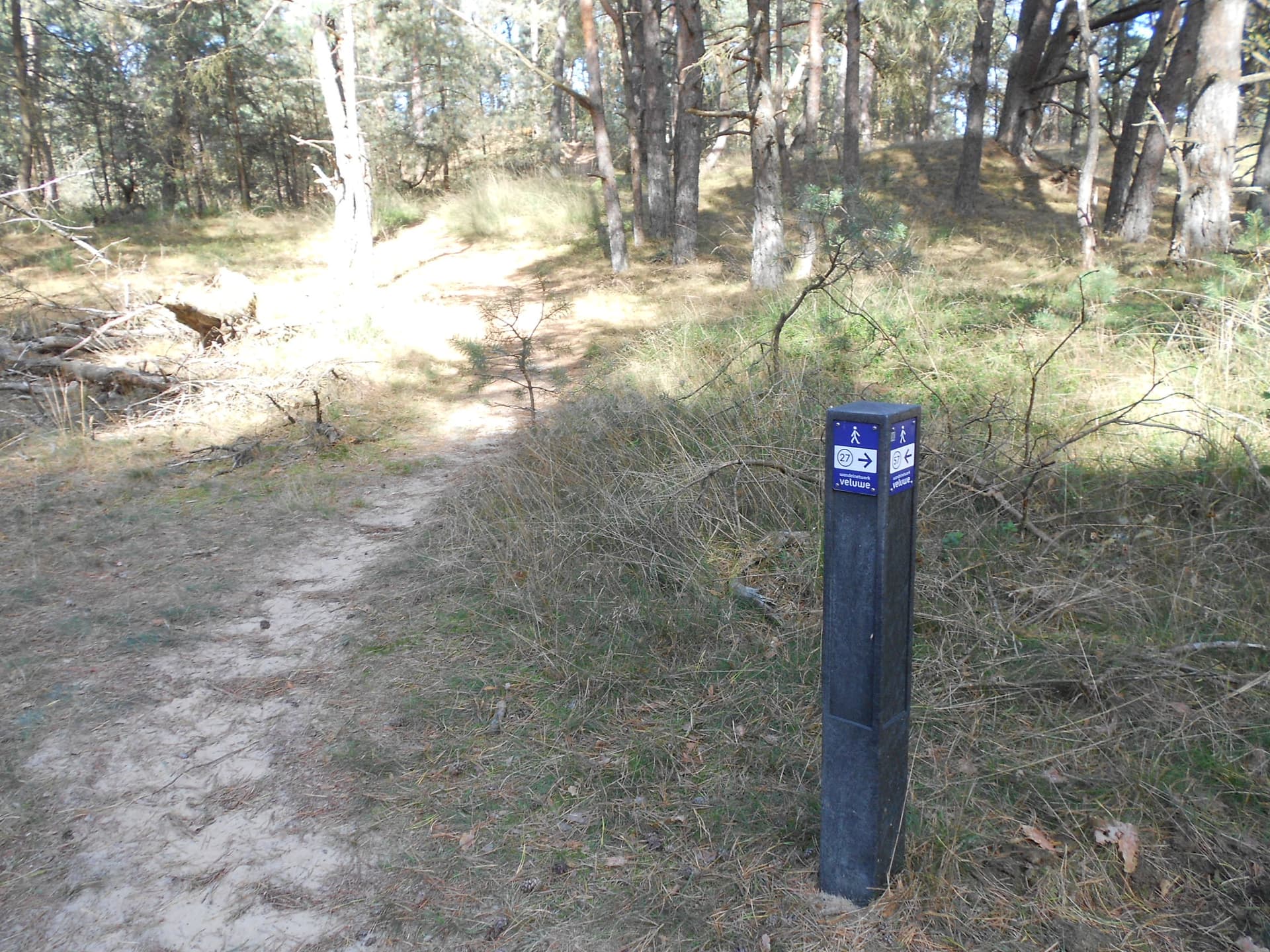
Above: Turn right off the main path here and go uphill a short distance to the summit marker stone
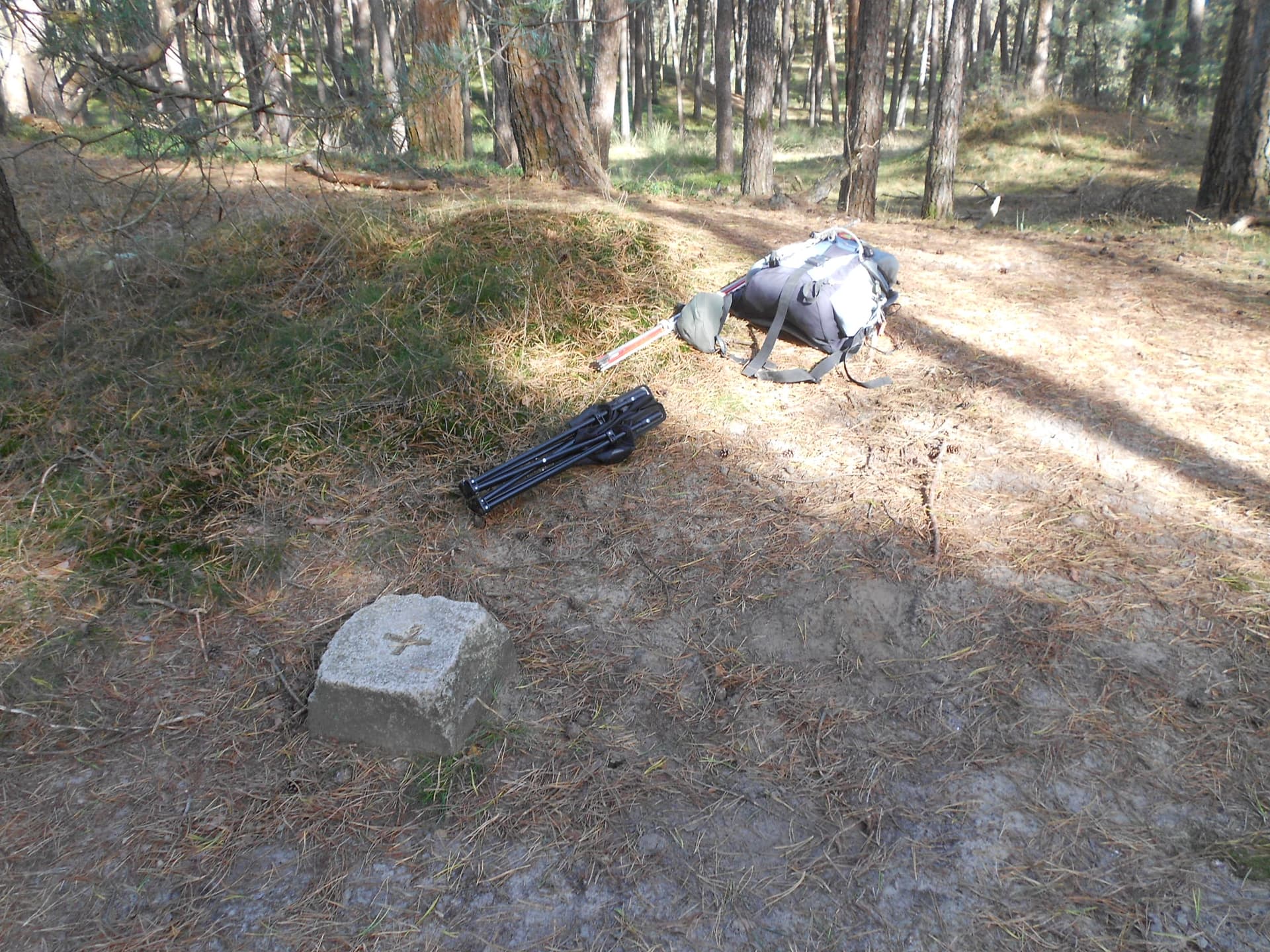
Above: PA/PA-006 Signaal Imbosch
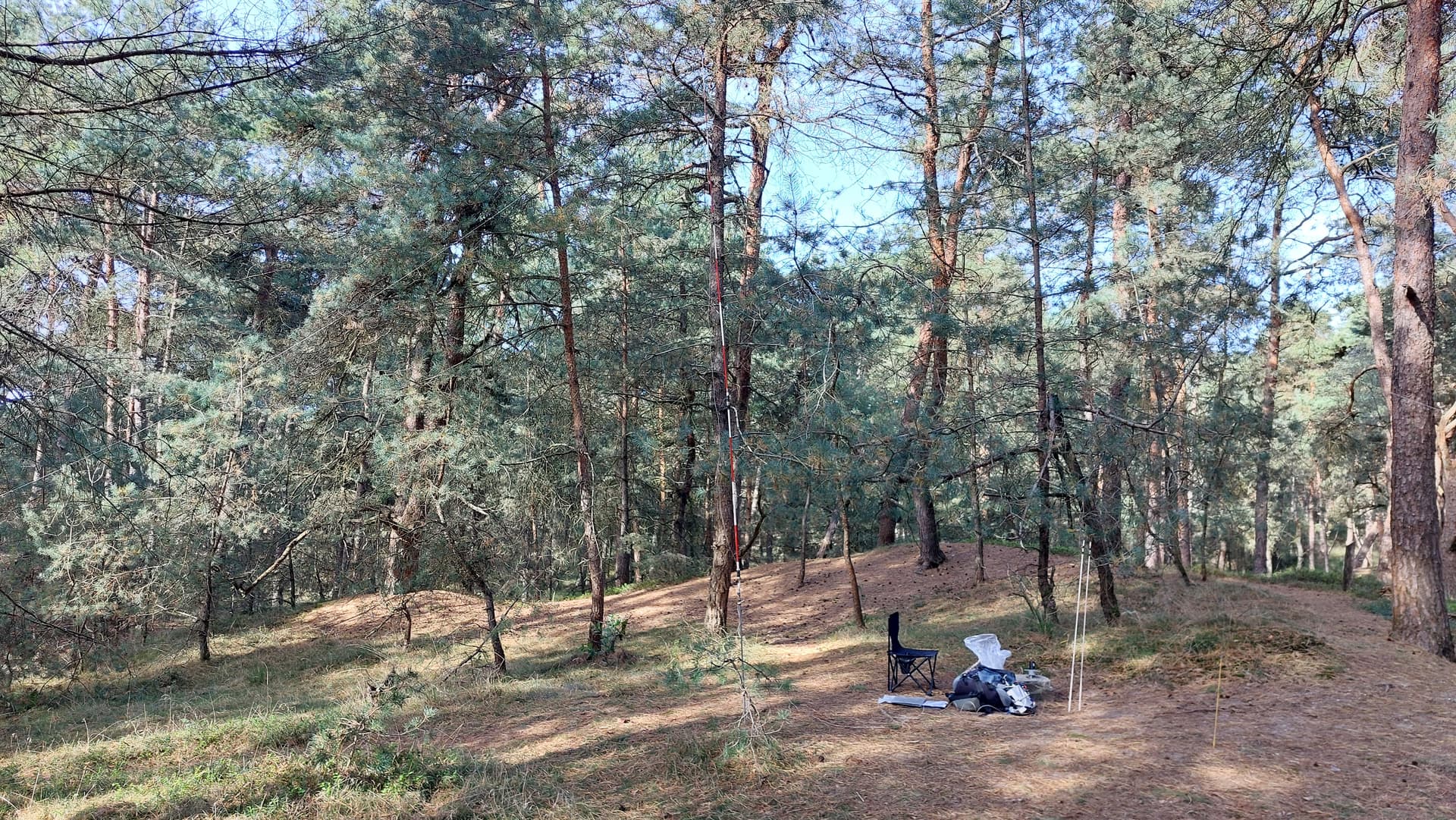
Above: Ready for HF QRO
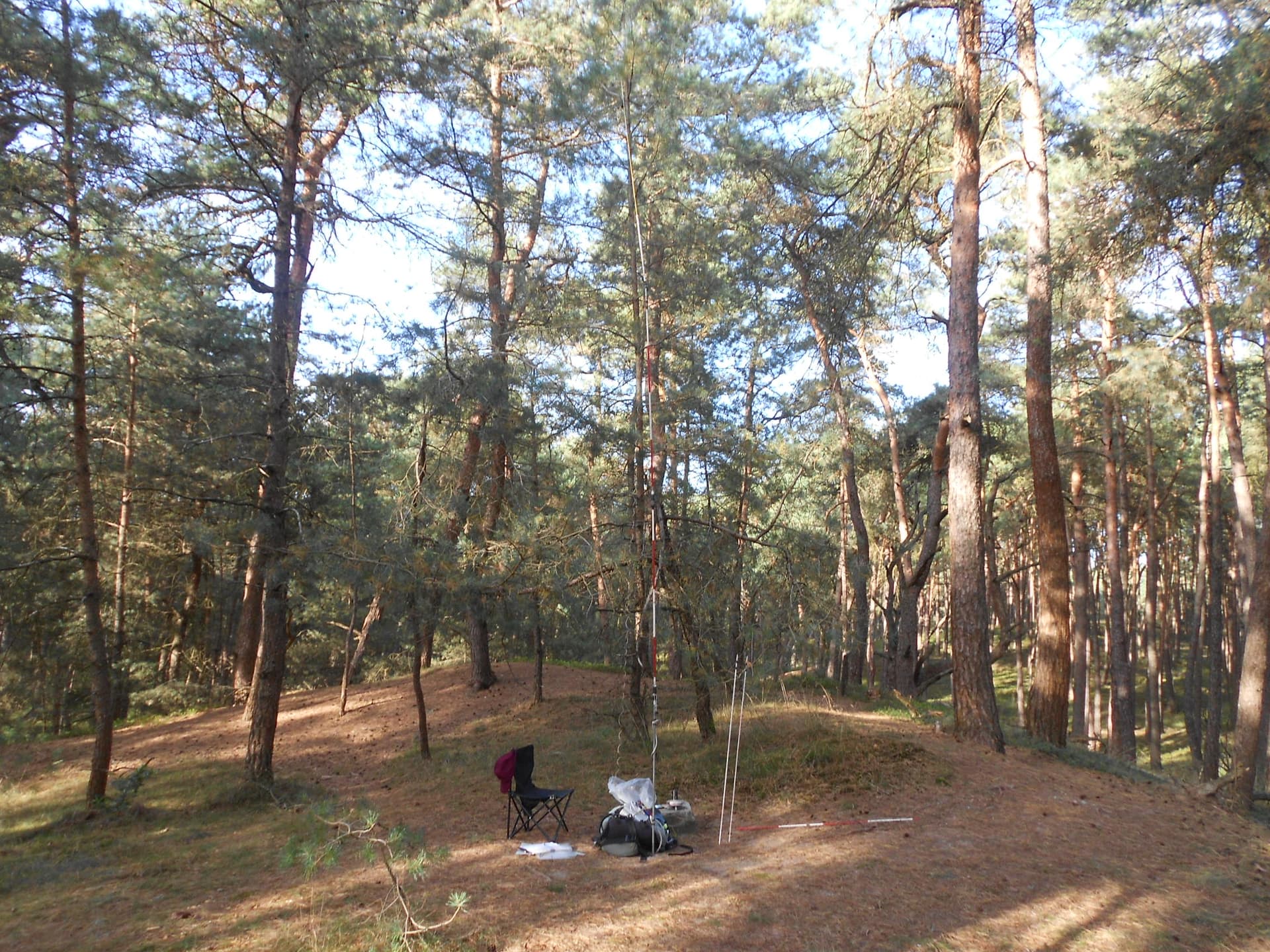
Above: 2m-FM QRP
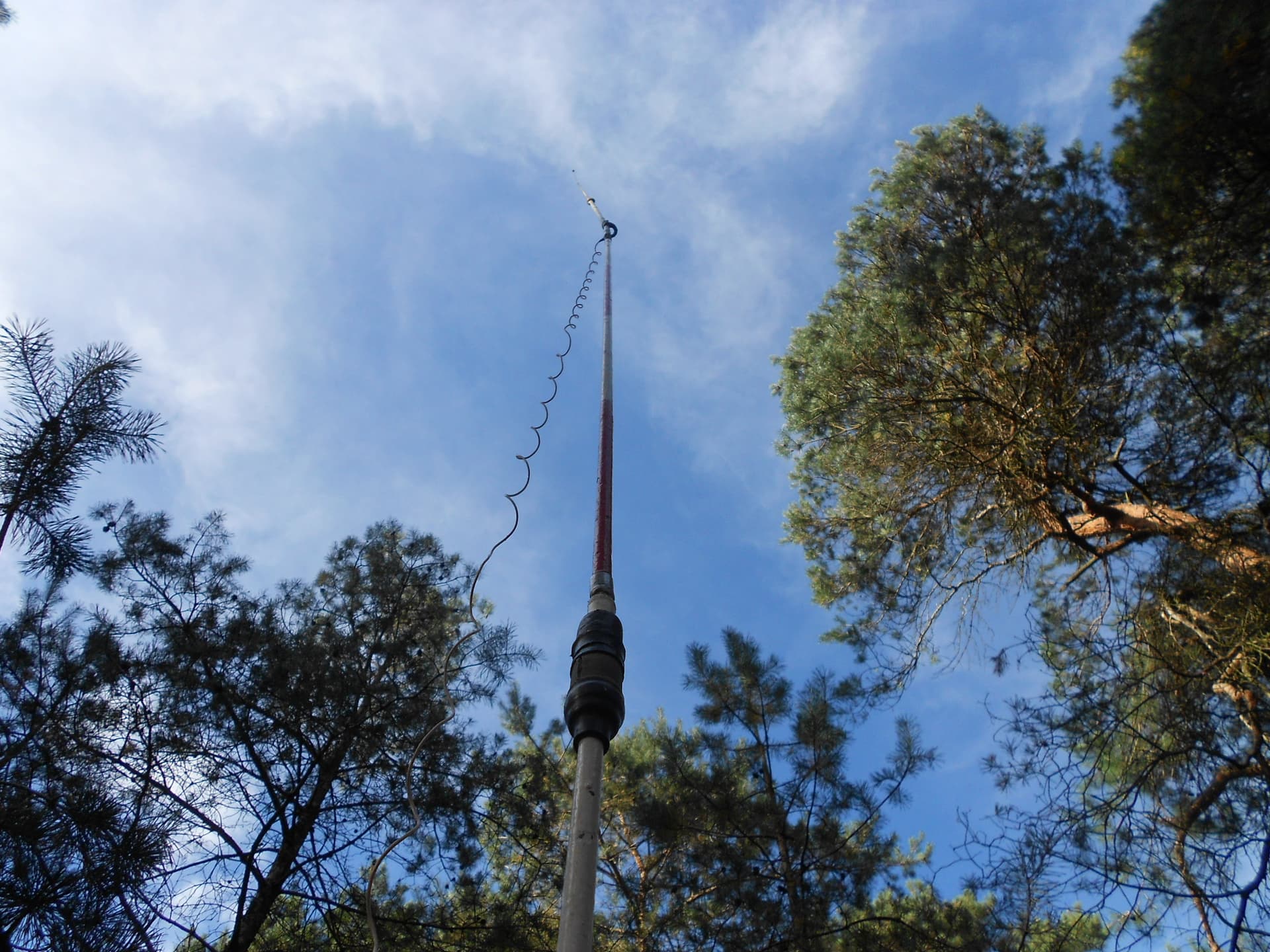
Above: J-Pole for 2m
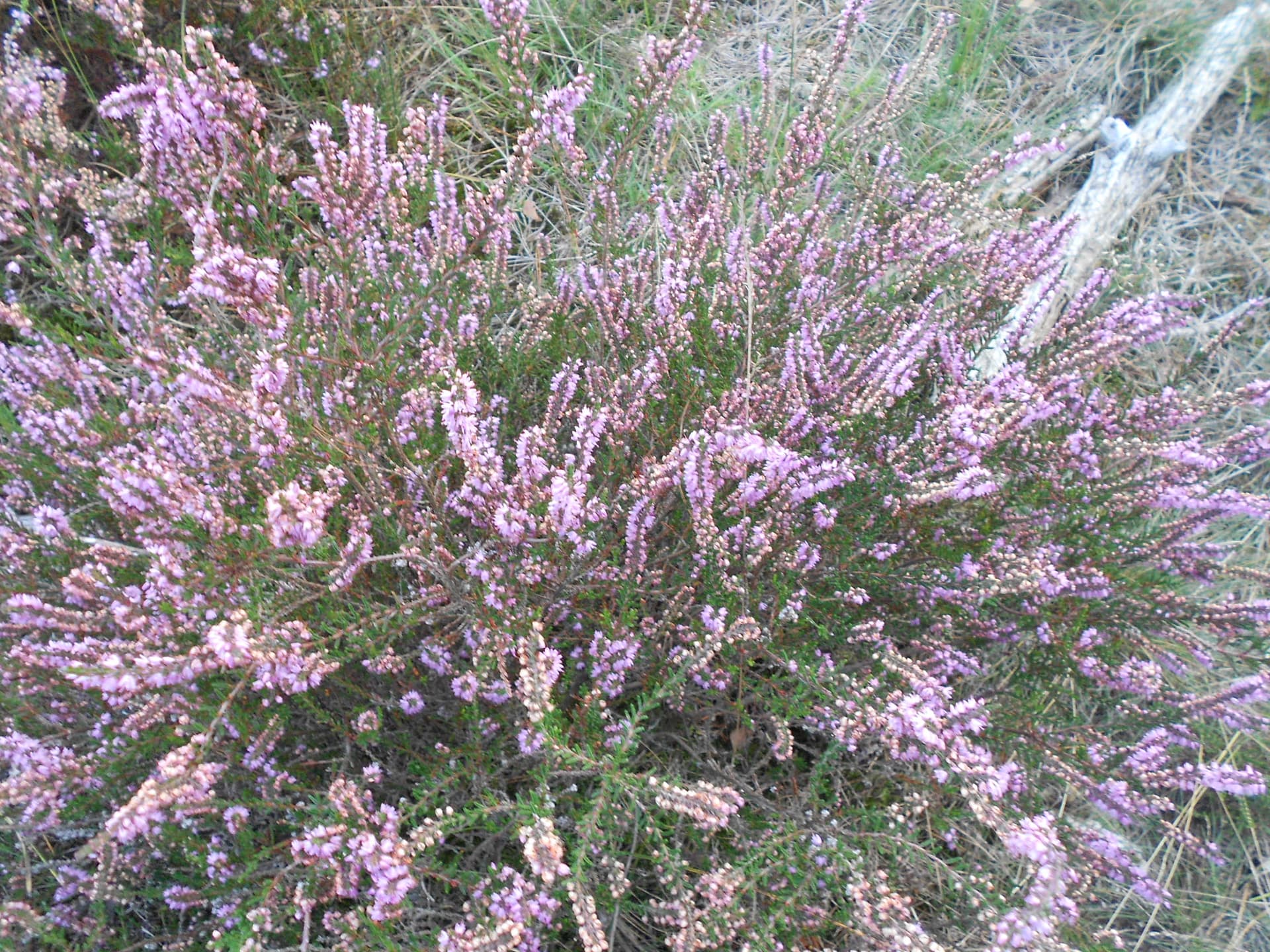
Finally - on the way out: Heather still in flower. Another good day on PA6
